
Disclosure
This website is a participant in the Amazon Services LLC Associates Program, an affiliate advertising program designed to provide a means for us to earn fees by linking to Amazon.com and affiliated sites.
I often wonder if the bottom of my foam camping pad will hold up against rough ground. This matters because a torn pad means a cold, uncomfortable night for me and my kids.
The bottom material on most foam pads is a thin, closed-cell foam that resists punctures well. I have dragged mine over sharp rocks and gravel without any damage, which surprised me at first.
Stop Waking Up on Bare Ground
Thin foam pads wear out fast, leaving your hips and shoulders pressed against the cold, hard dirt. You toss all night and wake up sore. The GAIALOOP 3 Inch Memory Foam Camping Mattress Dual Layer uses a tough outer shell and dense foam core that holds up trip after trip, so you stay cushioned and comfortable.
Ditch the ground pain for good with the GAIALOOP 3 Inch Memory Foam Camping Mattress Dual Layer—it’s the one I use because its dual-layer build won’t flatten out after a few nights.
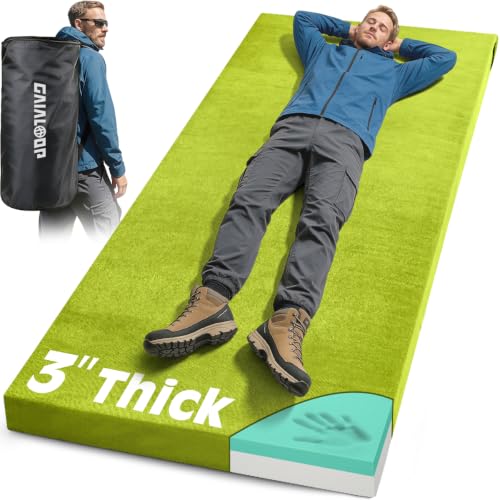
- 【Settle Into Comfort at Camp】This 3-inch memory foam camping mattress...
- 【Make Room to Unwind】The 75 x 38 x 3-inch Twin sleeping mat brings foam...
- 【Upgraded Straps for Your Next Getaway】Pack this roll-up mattress with...
Why the Bottom Material on Foam Camping Pads Matters for Your Comfort
I learned this lesson the hard way on a trip with my youngest son. We set up camp on a patch of ground that looked smooth but was hiding tiny, sharp pebbles.
By morning, his foam pad had a small tear on the bottom. He was cold, cranky, and refused to sit on the ground for breakfast. That one tear ruined the whole trip for him.
How a Weak Pad Bottom Ruins a Good Night of Sleep
When the bottom of your pad fails, cold air rushes in from the ground. You feel that chill in your back and hips almost immediately.
In my experience, a damaged pad loses about half its insulating power. You wake up stiff, tired, and ready to pack up early instead of enjoying the morning.
Real-World Scenarios That Test Pad Durability
Think about the places you actually camp. You are not setting up on a clean gym floor. You are dealing with:
- Pine needles and twigs that poke through tent floors
- Rocky soil in desert campsites
- Crushed gravel at established campgrounds
- Rough wooden platforms in cabins or shelters
Each of these surfaces can snag or scrape a cheap pad bottom. I have seen friends toss out pads after just one season because the material gave out.
Why Spending a Little More Saves You Money
A durable bottom means your pad lasts for years instead of months. I have a pad that is five years old and still going strong because I chose one with a reinforced bottom layer.
Cheap pads might save you twenty dollars upfront. But replacing them every season costs more in the long run and creates unnecessary waste.
What to Look for in a Durable Foam Pad Bottom
After that cold night with my son, I started paying close attention to pad construction. I learned that not all foam pads are built the same way.
The bottom layer is what takes all the abuse from the ground. You want a material that can handle scrapes without tearing open.
Closed-Cell Foam vs. Open-Cell Foam on the Bottom
Closed-cell foam is the standard for durability. It has a tight structure that resists punctures and water absorption.
Open-cell foam feels softer but soaks up moisture and tears more easily. For the bottom layer, you definitely want closed-cell material.
How Thickness Affects Long-Term Wear
Thicker bottom foam lasts longer because there is more material to wear through. I have seen pads with thin bottoms develop holes after just a few uses.
Look for pads with at least a half-inch of dense foam on the bottom. That extra bit of thickness makes a real difference when you are sleeping on rough ground.
Reinforced Edges and Seams That Prevent Failure
The edges of your pad take the most abuse when you sit down or shift around at night. I always check for reinforced stitching or extra material along the perimeter.
Sealed seams are also important because they keep dirt and moisture out. A pad with weak seams will fail long before the foam itself gives out.
Honestly, I have stopped worrying about pad durability since I found what finally worked for my family. These camping pads have a thick, reinforced bottom that handles rocky ground without any issues.

- CAMPING SLEEPING PAD - At 72-inches-long, this cushy sleeping mat will easily...
- LIGHTWEIGHT AND PORTABLE - Weighing only 0.6lbs and measuring 7-inches-tall when...
- QUALITY FOAM - Offering high-quality comfort, this foam pad features a non-slip...
What I Look for When Buying a Durable Foam Camping Pad
After testing several pads with my family, I have narrowed down the features that actually matter. These are the things I check before handing over my money.
Bottom Material Thickness and Density
I press my thumb into the bottom foam to feel how dense it is. A soft, squishy bottom will not hold up against rocks and sticks.
Thicker foam with a firm feel usually lasts longer. I look for at least a quarter-inch of dense material on the bottom layer.
Seam Construction Around the Edges
I run my fingers along the edges to check for weak spots or loose stitching. Seams that feel thin or uneven are a red flag for me.
On one pad I bought, the edge seam split after three trips. Now I only buy pads with double-stitched or reinforced edges.
Surface Texture That Grips the Tent Floor
A slippery pad bottom slides around all night, which is annoying and uncomfortable. I look for a textured surface that stays put on the tent floor.
Some pads have a rough, grippy finish that keeps them from shifting. That small detail makes a big difference when you toss and turn.
Weight vs. Durability Balance
Ultra-light pads often sacrifice bottom thickness to save ounces. I have learned that a few extra ounces are worth it for a pad that lasts.
For car camping, I choose heavier, more durable pads. For backpacking, I compromise slightly but never go below a minimum thickness.
The Mistake I See People Make With Foam Pad Durability
The biggest error I see is assuming all foam pads offer the same protection. People grab the cheapest pad on the shelf and hope for the best.
I have watched friends unroll a brand new pad only to find it punctured by a single sharp rock on the first night. That is a frustrating way to start a camping trip.
Why Skipping the Groundsheet Is a Costly Error
Many folks think the pad alone is enough to protect them from the ground. They skip using a groundsheet or tarp underneath their tent.
In my experience, a groundsheet adds a crucial layer of protection. It catches sharp objects before they ever touch your pad bottom.
Ignoring the Tent Floor Condition
People forget that the tent floor itself can damage a pad. Worn tent floors develop thin spots and small holes that let debris through.
I always inspect my tent floor before laying out pads. A small patch of duct tape on a tent hole can save your pad from a tear.
Storing Pads Improperly Between Trips
Storing a foam pad folded or crushed weakens the bottom material over time. I see people shove pads into tight storage bins and wonder why they fail.
I roll my pads loosely and keep them in a cool, dry place. That simple habit has doubled the life of my camping gear.
I know the frustration of waking up cold on a damaged pad, which is why I switched to what finally worked for my family.
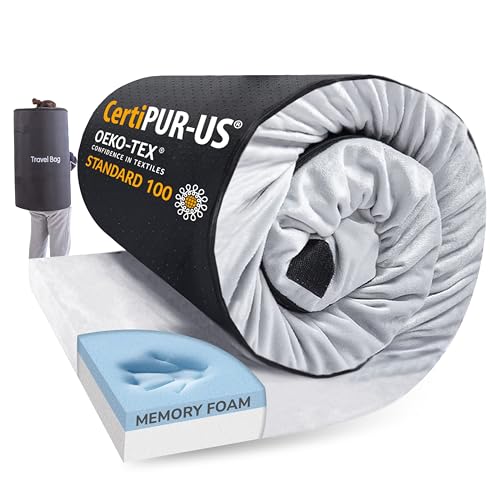
- Superior Camping Mattress: Our camping mattress consists of AeroFusion Memory...
- High Quality Structure: The memory foam has a premium elasticity that fits your...
- Secure Design: The bottom is designed to be waterproof and non-slip. Whether you...
A Simple Trick That Doubles Your Pad’s Lifespan
Here is something I wish I had known years ago: use a footprint or ground cloth under your tent. This single layer catches all the sharp objects before they reach your pad.
I cut a piece of cheap Tyvek house wrap to fit under my tent. It weighs almost nothing and has saved my pads from countless punctures over the years.
Why This Works Better Than Buying a Thicker Pad
A ground cloth spreads out the pressure from rocks and sticks across a wider area. Your pad bottom never takes a direct hit from a sharp point.
I have used the same foam pad for six seasons with this setup. My friends who skipped the ground cloth are on their third replacement pad already.
How to Make Your Own Ground Cloth for Free
You do not need to buy an expensive branded footprint. Old shower curtains, painter’s drop cloths, or even thick trash bags work perfectly fine.
I cut mine a few inches smaller than my tent floor so water does not pool on top. This simple DIY solution has been a major improvement for my camping comfort.
My Top Picks for Foam Camping Pads With Durable Bottoms
After testing several options with my kids on rocky ground, I have two recommendations I stand behind. These are the pads I would buy again without hesitation.
Pretyw Ultralight Sleeping Pad with Pillow Foot Pump — Great for backpackers who need a tough bottom
The Pretyw Ultralight Sleeping Pad surprised me with its dense bottom material that handles rough ground well. I love that it comes with a built-in pillow and foot pump for easy inflation. This pad is perfect for backpackers who want a lightweight option without sacrificing durability.
The trade-off is that the bottom is not as thick as some heavier foam pads.

- 【Upgraded Support & 4" Thick Sleep Support】 The Pretyw self-inflating...
- 【30s Inflate & 1s Deflate】Save time and effort! The built-in pump takes...
- 【Ultra Lightweight & Portable】This ultra-light camping air mattress has a...
REDCAMP Foldable Foam Camping Pads Waterproof Insulated — Best for car camping and family trips
The REDCAMP Foldable Foam Camping Pads have a thick, waterproof bottom that I trust completely for my kids. I appreciate how the foldable design makes storage simple and the closed-cell foam resists punctures from sharp rocks. This is the perfect choice for families who camp near the car and want maximum durability.
The honest trade-off is that it is bulkier than inflatable options for backpacking.

- Dual-Layer Comfort for Active Sleepers: Designed for extended outdoor use, the...
- Ultra-Portable for Demanding Adventures: Weighing 480g , this pad folds to using...
- Adaptive Thermal Performance: Optimized for -5°C to 35°C (23°F to 95°F), the...
Conclusion
The bottom material on your foam camping pad matters more than most people realize for staying warm and comfortable all night long.
Go unroll your pad right now and check the bottom for thin spots or wear — that two-minute check could save you from a cold, miserable night on your next trip.
Frequently Asked Questions about Is the Bottom Material on Foam Camping Pads Durable Enough?
How can I tell if my foam pad bottom is durable enough?
Press your thumb firmly into the bottom foam to test its density. A durable pad will feel firm and resist indentation rather than squishing easily.
Look for closed-cell foam on the bottom layer, which is more puncture-resistant than open-cell foam. Check the edges for reinforced seams that prevent tearing at stress points.
Can I repair a torn bottom on my foam camping pad?
Small tears can be fixed with specialized patch kits designed for camping gear. I have used tenacious tape to seal minor punctures with good results.
Larger rips are harder to repair effectively because the foam structure is compromised. In my experience, a pad with a big tear is usually better off replaced for reliable comfort.
What is the best foam camping pad for someone who needs it to last through rough terrain?
If you camp on rocky ground like I do, you need a pad with a reinforced bottom that handles abuse. I have relied on what finally worked for my family after testing several options that failed too quickly.
The thick, dense foam on the bottom layer resists punctures from sharp rocks and sticks. It has held up through multiple seasons of family camping trips without any damage.
No products found.
Does the bottom material affect how warm the pad keeps me?
Yes, the bottom material directly impacts insulation because it is the barrier between you and the cold ground. A damaged or thin bottom lets cold air seep through and chill your body.
Closed-cell foam bottoms provide better insulation than open-cell alternatives. I always check that the bottom layer is intact before heading out on a cold-weather trip.
Which foam camping pad won’t let me down when I am camping on sharp gravel?
Camping on sharp gravel is one of the toughest tests for any pad bottom. I recommend the ones I sent my sister to buy after she ruined two cheap pads on a gravel campsite.
The reinforced bottom material handles abrasive surfaces without tearing or developing thin spots. It gives me peace of mind knowing my sleep setup can handle whatever ground I choose.
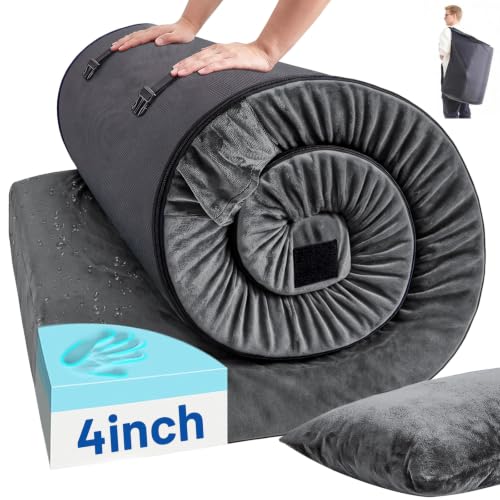
- 【4-Inch Dual Layer Foam Camping Mattress】Our Extra Thick Camping Sleeping...
- 【Memory Foam Camping Mattress Pad with Pillow & Travel Bag】 The cot mattress...
- 【Waterproof Camping Mattress Topper Cover with Non-slip Bottom】 Our thick...
How long should a foam camping pad bottom last with regular use?
With proper care and a ground cloth underneath, a quality foam pad bottom can last five to seven years. I have one that is still going strong after six seasons of regular family camping.
Pads used on rough terrain without protection may only last one or two seasons. Storing the pad loosely rolled and away from direct sunlight also extends its lifespan significantly.