
Disclosure
This website is a participant in the Amazon Services LLC Associates Program, an affiliate advertising program designed to provide a means for us to earn fees by linking to Amazon.com and affiliated sites.
Introduction
Sleeping on your stomach can be harmful to your health—especially over time. While it may feel comforting for some, this position often leads to poor spinal alignment, neck pain, and even disrupted breathing.
Here’s the thing: your sleeping posture directly affects the quality of your rest and your physical well-being. If you wake up with aches, numbness, or fatigue, your sleep position may be to blame.
Did you know only 7% of adults sleep on their stomachs? That’s because this position can put unnecessary pressure on your spine and internal organs. It’s also one of the most common culprits for chronic neck and back pain.
In this article, you’ll learn:
- Why stomach sleeping may be bad for your health
- When it might actually help (and how to do it safely)
- Better alternatives and sleep posture tips
- Expert-recommended pillows and sleep products to support healthier habits
Best Pillows for Stomach Sleepers
Finding the right pillow can make a huge difference if you sleep on your stomach. The key is to choose pillows that provide enough support without causing your neck to bend awkwardly, helping reduce strain and improve comfort.
Here are the top 3 pillows recommended for stomach sleepers:
1. Coop Home Goods – Adjustable Loft Pillow

- Fully Adjustable to Your Comfort: Coop’s Original Pillow is fully adjustable…
- Premium Materials for Ultimate Comfort: The Coop Original Pillow is the best…
- Fresh, New Foam Every Time: We use only freshly manufactured memory foam, never…
- Why we picked it: Its adjustable fill allows you to customize the loft, making it thin enough for stomach sleepers who need low neck elevation. It promotes better alignment and reduces pressure points.
2. Bluewave Bedding Ultra Slim Gel Memory Foam Pillow
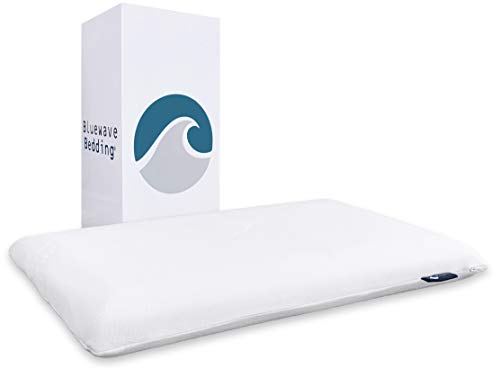
- QUALITY ASSURANCE SEAL: Each pillow box is sealed with a sticker so you can be…
- ULTRA SLIM – ONLY 2.75-INCHES HIGH: Our best-selling model, this pillow offers a…
- PREMIUM, SUPPORTIVE MEMORY FOAM: Our CertiPUR-US certified gel memory foam…
- Why we picked it: This pillow is ultra-thin, offering firm yet soft support with cooling gel to prevent overheating. It helps maintain a neutral spine while keeping you comfortable throughout the night.
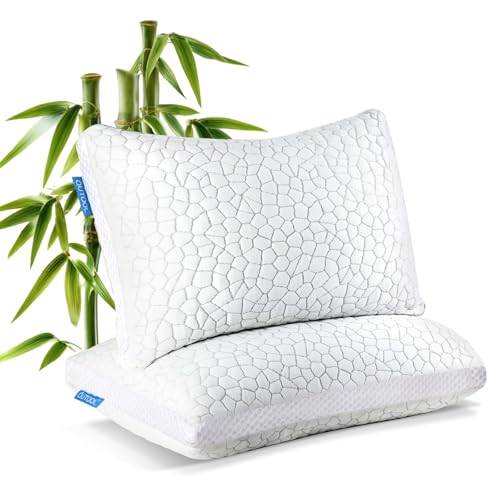
3. Snuggle-Pedic Ultra-Luxury Bamboo Shredded Memory Foam Pillow
- …
- …
- 𝐏𝐑𝐄𝐌𝐈𝐔𝐌 𝐌𝐀𝐓𝐄𝐑𝐈𝐀𝐋𝐒: All the…
- Why we picked it: Breathable and hypoallergenic, this pillow molds easily to your shape, allowing stomach sleepers to avoid neck strain. It’s highly adjustable for personalized comfort.
Why Sleeping on Your Stomach Can Cause Neck and Back Pain
Sleeping on your stomach often leads to discomfort because it places unnatural strain on your spine and neck. When you lie face down, your head must be turned to one side to breathe, which twists your neck into a rotated position for hours.
Here’s how this affects your body:
- Neck Strain: Turning your head sideways for prolonged periods stretches and compresses neck muscles and joints, causing stiffness and pain. Over time, this can lead to chronic neck issues such as cervical strain or pinched nerves.
- Spinal Misalignment: The stomach sleeping position flattens the natural curve of your spine. Without proper support, your lower back arches unnaturally, which can cause muscle fatigue and discomfort.
- Increased Pressure on Joints: Your hips and knees press against the mattress unevenly, which may lead to soreness or numbness in these areas.
- Limited Movement: Staying in this position for long stretches reduces your ability to naturally reposition during sleep, limiting circulation and increasing the risk of waking with stiffness.
What experts say:
Medical professionals often advise against stomach sleeping because it contradicts the spine’s natural alignment. They recommend side or back sleeping as better alternatives to reduce neck and back pain.
Impact of Stomach Sleeping on Breathing and Digestion
Sleeping on your stomach doesn’t just affect your spine—it can also interfere with how your body functions internally. The position places pressure on your chest and abdomen, which may affect two vital processes: breathing and digestion.
Breathing Difficulties
- Chest Compression: When lying on your stomach, your body weight presses down on your ribcage. This restricts chest expansion and can make breathing more shallow, especially during deep sleep.
- Restricted Diaphragm Movement: The diaphragm—the muscle responsible for drawing air into your lungs—has limited space to contract fully, reducing overall oxygen intake.
- May Worsen Snoring or Sleep Apnea: Although some people find stomach sleeping reduces snoring, it can aggravate other forms of sleep-disordered breathing by limiting airway flow.
Digestive Issues
- Increased Pressure on Internal Organs: Lying directly on your stomach puts weight on your digestive tract. Over time, this pressure may contribute to acid reflux or discomfort.
- Possible Disruption of Gut Function: While rare, some individuals may experience slower digestion or stomach aches if the position compresses abdominal organs for prolonged periods.
When Stomach Sleeping Might Be Okay (and How to Do It Safely)
While stomach sleeping is generally discouraged, there are certain situations where it might offer relief—or at least be done in a way that minimizes harm.
When It Might Be Beneficial
- Snoring Reduction: Some people experience less snoring when sleeping on their stomach because gravity keeps the airway open. However, this benefit may not outweigh spinal strain.
- Comfort During Pregnancy (Early Stages Only): Some women find temporary relief lying on their stomach in early pregnancy, though this is not recommended past the first trimester.
- Personal Comfort and Habit: For lifelong stomach sleepers, changing positions might be hard. If it’s the only way you can fall asleep, it’s worth optimizing the position rather than forcing a change.
Tips to Sleep on Your Stomach More Safely
- Use a Very Thin or No Pillow Under Your Head: This helps keep your neck in a more neutral position, reducing strain.
- Place a Pillow Under Your Pelvis: Supporting your hips helps maintain the natural curve of your spine and reduces lower back pressure.
- Turn Your Head to Varying Sides: Alternate the direction your head faces during sleep to prevent one-sided neck tension.
- Stretch in the Morning: Gentle stretching, especially of the neck, back, and hips, can help undo the stiffness from stomach sleeping.
Bonus Tip:
If you’re transitioning away from stomach sleeping, try hugging a body pillow while lying on your side. This simulates the pressure and comfort of your usual position while being more ergonomic.
How Stomach Sleeping Affects Your Skin and Wrinkles
Stomach sleeping doesn’t just impact your posture—it can also take a toll on your skin over time. From acne to premature wrinkles, your sleep position plays a subtle but significant role in how your face ages and how your skin reacts.
Facial Skin Concerns
- Increased Friction Against Pillow: Pressing your face into a pillow night after night causes friction, which can break down collagen and contribute to wrinkles.
- Pillow Pressure Distorts Facial Skin: Constant pressure on one side of the face can lead to asymmetry and the formation of “sleep lines” that deepen over time.
- Breakouts and Irritation: Oil, sweat, and bacteria from your pillowcase transfer to your skin, increasing the risk of clogged pores and acne—especially if pillowcases aren’t changed frequently.
Wrinkle Formation
- Compression Lines: Sleeping on your stomach often causes vertical creases around the eyes, forehead, and mouth. These lines can become permanent if repeated regularly.
- Reduced Skin Circulation: Prolonged pressure on one side of the face can limit blood flow, preventing the skin from repairing and regenerating overnight.
Skin-Friendly Sleep Tips for Stomach Sleepers
- Use a Silk or Satin Pillowcase: These materials reduce friction and help skin glide smoothly over the surface.
- Wash Pillowcases Often: Aim for at least twice a week to minimize bacteria and oil buildup.
- Try a Face Cradle Pillow or Travel-Style Face Down Pillow: These designs reduce direct contact with your skin, helping prevent skin compression and irritation.
Better Sleep Positions to Consider and How to Transition
If you’re a stomach sleeper looking for better alignment, deeper rest, or fewer aches, transitioning to a healthier position may be one of the best changes you can make. While habits take time to shift, your body will thank you in the long run.
Healthier Sleep Positions
Back Sleeping (Supine)
- Benefits: Promotes natural spinal alignment, reduces facial wrinkles, and minimizes pressure on joints.
- Ideal for: People with back pain, or those wanting to reduce neck strain.
- Tip: Use a medium-loft pillow under your head and a small pillow under your knees for lumbar support.
Side Sleeping (Especially on the Left)
- Benefits: Supports spinal health, improves circulation, and aids digestion.
- Ideal for: People with acid reflux, sleep apnea, or pregnant individuals.
- Tip: A body pillow can offer support and simulate the comfort of stomach sleeping.
How to Transition from Stomach to Side or Back Sleeping
- Use a Body Pillow: Hugging a full-length body pillow provides pressure and comfort that mimics stomach sleeping.
- Train Your Position with Pillows: Place a firm pillow under your torso or hips to discourage rolling onto your stomach.
- Start on Your Side or Back Each Night: Even if you roll during sleep, consistently beginning in the new position helps reinforce the habit.
- Use a Weighted Blanket: It can promote a feeling of security, making it easier to fall asleep on your back or side.
Conclusion
Sleeping on your stomach may feel comfortable in the moment, but it comes with risks that can affect your long-term health. From neck and back pain to restricted breathing and premature wrinkles, the impact of this sleep position is more significant than many realize.
Key Takeaways:
- Spinal alignment suffers in the stomach position, often leading to chronic discomfort.
- Breathing and digestion can be compromised due to the pressure on your chest and abdomen.
- Skin health declines because of pillow friction and poor circulation.
- Transitioning to side or back sleeping can dramatically improve sleep quality and overall wellness.
Frequently Asked Questions About Sleeping on Your Stomach
Is sleeping on your stomach really bad for your health?
Yes, it can be. Sleeping on your stomach often leads to neck and back pain due to poor spinal alignment and increased pressure on muscles and joints. However, some people find it comfortable and can reduce risks by using supportive pillows and changing their posture carefully.
Can stomach sleeping cause long-term damage?
If done frequently without proper support, stomach sleeping can contribute to chronic neck strain, back pain, and possibly exacerbate issues like acid reflux or breathing difficulties. Long-term compression on your face can also lead to wrinkles and skin irritation.
Are there any benefits to sleeping on your stomach?
Some people experience less snoring or relief from mild sleep apnea symptoms. It can also feel comforting for certain individuals and may temporarily help pregnant women early in pregnancy. However, these benefits are generally outweighed by the risks.
How can I make stomach sleeping less harmful?
- Use a very thin pillow or no pillow under your head.
- Place a pillow under your hips to support spinal alignment.
- Alternate the side your head faces to reduce neck strain.
- Stretch your neck and back regularly.
What is the best alternative to stomach sleeping?
Side sleeping, especially on the left side, and back sleeping are generally recommended for better spinal alignment, breathing, and digestion. Transitioning may take time but can lead to better overall health and sleep quality.