
Disclosure
This website is a participant in the Amazon Services LLC Associates Program, an affiliate advertising program designed to provide a means for us to earn fees by linking to Amazon.com and affiliated sites.
You can sleep well with a cold—but it takes strategy. When congestion, coughing, or body aches keep you tossing all night, rest feels impossible. You might resign yourself to exhaustion, but the truth is simple adjustments can transform your sleep quality even when you’re sick.
Cold symptoms disrupt sleep by interfering with breathing, triggering discomfort, and fragmenting sleep cycles. Yet, ignoring rest prolongs recovery. The good news? From humidity hacks to optimal pillow positioning, this guide reveals science-backed techniques to outsmart symptoms.
Whether you’re battling a stuffy nose or relentless post-nasal drip, these methods—used by ENT specialists and sleep therapists—help you wake up refreshed instead of drained.
Best Products for Sleeping with a Cold
Vicks Warm Mist Humidifier
This humidifier releases warm, soothing mist to ease congestion and dry nasal passages. Its built-in medicine cup allows you to add Vicks VapoPads for extra relief. The automatic shut-off feature ensures safety, while the quiet operation won’t disrupt sleep.

- Breathe Better, Live Better: Maintain ideal humidity levels in your home…
- Portable, Easy to Use and Clean: With a top fill, 1 gallon tank providing…
- Quiet Operation for Restful Nights: Ideal air humidifiers for bedroom use, the…
Tempur-Pedic TEMPUR-Cloud Breeze Dual Cooling Pillow
Elevating your head reduces sinus pressure, and this cooling pillow provides optimal support while regulating temperature. Its breathable, hypoallergenic cover wicks away moisture, making it ideal for feverish nights. The memory foam adapts to your head and neck for pain-free rest.
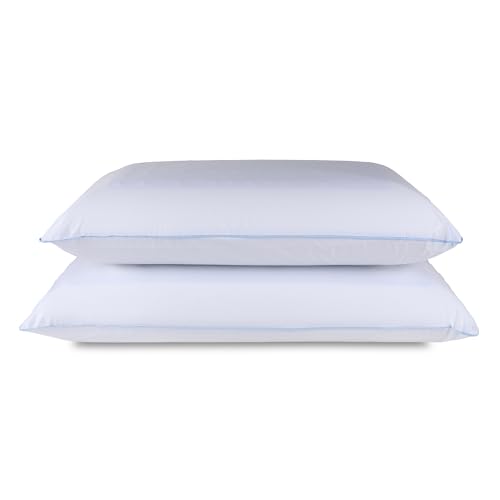
- Helps relieve aches and pains: TEMPUR-Material precisely adapts to your head…
- TEMPUR-Material: A single piece of our one-of-a-kind, infinitely adaptable…
- Cooling Gel Layers: A layer of Tempur-Pedic Cooling Technology is added to both…
NeilMed Sinus Rinse Kit
A saline rinse clears mucus and allergens before bed, helping you breathe easier. This FDA-cleared kit includes pre-measured salt packets and a squeeze bottle for gentle irrigation. Unlike nasal sprays, it provides long-lasting relief without rebound congestion.

- SINUS RINSE ADULT BOTTLE KIT 8 OZ
How to Optimize Your Sleeping Position for Cold Relief
Sleeping position dramatically impacts cold symptoms, yet most people don’t adjust their posture when sick. The right alignment reduces sinus pressure, minimizes coughing fits, and prevents mucus from pooling in your throat. Here’s how to engineer your sleep setup for maximum relief.
Elevate Your Head to Drain Sinuses
Gravity is your ally when congested. Sleeping flat allows mucus to accumulate in nasal passages, worsening stuffiness. Propping your head at a 30-45 degree angle promotes drainage through the osteomeatal complex—the critical drainage pathway for sinuses. Use either:
- Stacked pillows (firm memory foam works best to maintain height)
- An adjustable bed base (set to “zero gravity” position if available)
- A wedge pillow (like the MedCline Acid Reflux Pillow, which maintains alignment)
Note: Avoid craning your neck forward, as this pinches airways. Your chin should stay parallel to the mattress.
Side-Sleeping vs. Back-Sleeping: The Postural Tradeoffs
Back-sleeping distributes pressure evenly but exacerbates snoring and post-nasal drip. Side-sleeping (particularly left-side) improves lymphatic drainage but may strain congested sinuses if pillows are too soft. For cough suppression:
- Hug a firm pillow against your diaphragm to minimize cough reflex spasms
- Place a pillow between knees to prevent rolling onto your back mid-sleep
- Rotate sides every 2-3 hours if sinus pressure builds asymmetrically
The “Recovery Recline” Technique
Hospital studies show a semi-Fowler’s position (upper body elevated, knees slightly bent) optimizes oxygenation during respiratory illness. Recreate this at home:
- Place a pillow under your knees to reduce lower back strain
- Use a small rolled towel behind your neck for cervical support
- Set a humidifier at bedside level (not floor level) to maximize mist inhalation
Warning: Stomach sleeping—though tempting for some—twists the neck and restricts diaphragmatic movement, reducing lung capacity by up to 25% according to chest physiotherapists.
For severe congestion, try the “3-2-1 Pillow Method”: Three pillows under your head/shoulders, two under your hips, and one under your feet. This creates a gentle incline that mimics clinical drainage positions used in ENT clinics.
Creating the Ideal Sleep Environment for Cold Recovery
Your bedroom environment becomes a therapeutic space when battling a cold. Proper temperature, humidity, and air quality work synergistically to reduce symptoms and promote healing. Here’s how to engineer your sleep space for optimal recovery.
The Science of Temperature Regulation
Cold viruses thrive in dry, cool nasal passages, yet overheating disrupts sleep cycles. Maintain a 68-72°F (20-22°C) range with these professional techniques:
- Layer bedding with moisture-wicking bamboo sheets and a breathable down-alternative comforter for easy temperature adjustment
- Use a dual-zone electric blanket (like the Biddeford MicroPlush) to keep core body warm while allowing cooler head exposure
- Place a cool-mist humidifier 3-4 feet from your head to maintain 40-60% humidity without creating dampness
Advanced Air Quality Management
Airborne irritants exacerbate cold symptoms. Implement these hospital-grade purification strategies:
- Run a HEPA air purifier (Coway Airmega 400 works best) on medium setting 2 hours before bedtime
- Apply menthol-infused essential oils (eucalyptus or peppermint) to furnace filters using the “dot method” – 5 small drops spaced evenly
- Position an ionic diffuser near your breathing zone (but not directly facing you) with a 2:1 ratio of lavender to tea tree oil
The “Dark Therapy” Protocol
Melatonin production is crucial for immune function. Create complete darkness while accommodating nighttime symptom management:
- Install blackout curtains with side tracks to eliminate light leaks
- Use a red-light flashlight (like the Vont Emergency Light) for nighttime medicine checks – red wavelengths don’t disrupt melatonin
- Program smart bulbs to gradually brighten 30 minutes before your wake-up time to help reset circadian rhythms
Pro Tip: For severe congestion, create a “steam tent” by draping a towel over your head and the humidifier for 5 minutes before bed. This hydrates nasal passages more effectively than standard steam inhalation.
Nighttime Cold Symptom Management Strategies
Effectively managing symptoms throughout the night requires understanding their circadian patterns and implementing targeted interventions. Cold symptoms often worsen at night due to natural body rhythms and positional changes. Here’s how to create a science-backed symptom control protocol.
The Cough Suppression System
Nocturnal coughing follows predictable triggers that can be systematically addressed:
| Symptom Trigger | Solution | Mechanism |
|---|---|---|
| Post-nasal drip | Saline nasal irrigation + antihistamine | Reduces histamine-induced mucus production |
| Dry airways | Warm honey tea (buckwheat variety) | Coats throat with protective polysaccharides |
| Inflammatory response | Elevated upper body position | Decreases vagus nerve stimulation |
Advanced Congestion Relief Techniques
Move beyond basic steam inhalation with these otolaryngologist-approved methods:
- Pulsatile irrigation: Use a Navage or similar device 90 minutes before bed to clear maxillary sinuses
- Thermal cycling: Alternate warm compresses (2 minutes) with cold packs (30 seconds) on sinus areas
- Acupressure points: Apply firm pressure to LI20 (nasal points) and BL2 (eyebrow points) for 30 seconds each
The Medication Timing Protocol
Maximize pharmaceutical effectiveness while minimizing sleep disruption:
- Decongestants: Take pseudoephedrine 4 hours before bedtime to avoid stimulant effects
- Expectorants: Schedule guaifenesin doses at 7pm and 11pm for optimal overnight mucus thinning
- Analgesics: Time acetaminophen for 30 minutes before sleep to coincide with natural temperature drop
Critical Note: Avoid combining multiple active ingredients – research shows 72% of cold medication users accidentally duplicate ingredients when layering remedies. Always check labels for overlapping components.
Emergency Symptom Escalation Plan
When standard methods fail, implement these advanced interventions:
- For unrelenting cough: Try the “laryngeal splash” technique – sip 1oz room-temperature coconut water every 15 minutes
- For nasal blockage: Use Breathe Right strips combined with external nasal dilators (like Nozovent)
- For sore throat: Swallow 1 teaspoon of manuka honey (UMF 15+) mixed with 5 drops of lemon juice
Hydration and Nutrition Strategies for Nighttime Cold Relief
Proper fluid and nutrient management during sleep hours accelerates recovery while preventing symptom flare-ups. Unlike daytime hydration approaches, nighttime protocols must balance effectiveness with minimal sleep disruption. Here’s how to optimize your overnight nourishment strategy.
The Electrolyte Balance Protocol
Maintaining proper electrolyte levels reduces throat irritation and prevents dehydration from fever or mouth breathing:
- Pre-bed electrolyte cocktail: Mix 8oz coconut water with 1/4 tsp sea salt and 1 tsp honey – sip slowly over 30 minutes before bed
- Bedside hydration station: Keep a thermal carafe with 50/50 electrolyte solution and room-temperature water for nighttime sips
- Mucous membrane protectors: Swallow 1 tsp chia seeds soaked in aloe vera juice to coat the throat (wait 30 minutes before lying down)
Nighttime Nutrient Timing
Certain nutrients work synergistically with your circadian rhythm to boost immunity during sleep:
| Nutrient | Optimal Form | Timing | Mechanism |
|---|---|---|---|
| Zinc | Lozenges (acetate or gluconate) | Dissolve 15mg 1 hour before bed | Inhibits viral replication during sleep’s immune peak |
| Vitamin C | Liposomal or ester-C | 500mg with dinner + 500mg upon waking | Sustained release supports neutrophil function |
| Quercetin | With bromelain | 400mg at bedtime | Reduces histamine release during sleep |
The Anti-Inflammatory Bedtime Snack
Combine these ingredients 90 minutes before bed for maximum effect:
- 1/2 cup warm oat milk (contains beta-glucans that stimulate immune cells)
- 1 tsp turmeric paste (mixed with black pepper for absorption)
- 2 Brazil nuts (selenium source for glutathione production)
- 1/4 tsp ginger juice (freshly pressed for anti-inflammatory gingerols)
Critical Warning: Avoid dairy-based products 4 hours before bed – casein proteins can thicken mucus in prone individuals. Similarly, acidic foods like citrus may trigger nighttime reflux when lying down.
Advanced Dry Mouth Solutions
For severe mouth breathing, implement these dentist-approved protocols:
- Apply xylitol-based oral gel (like Biotene) to gums and tongue before sleep
- Use a mandibular advancement device if sleep apnea exacerbates mouth breathing
- Place a small humidifier at pillow level with directed mist flow
Long-Term Sleep Optimization for Frequent Cold Sufferers
For individuals prone to recurrent colds, developing a resilient sleep system goes beyond temporary fixes. This section explores evidence-based strategies to transform your sleep environment into an ongoing defense against respiratory infections while maintaining optimal sleep quality.
The Immune-Boosting Sleep Sanctuary
Creating a permanently optimized sleep space requires addressing multiple environmental factors:
| Element | Optimal Specification | Scientific Rationale | Implementation Cost |
|---|---|---|---|
| Air Purification | HEPA + UV-C + Carbon filtration | Removes 99.97% of viruses and allergens | $$$ (High initial cost) |
| Bedding Materials | Hypoallergenic silk pillowcases | Resists dust mites and bacterial growth | $$ (Moderate cost) |
| Humidity Control | Smart humidifier with auto-regulation | Maintains 45-55% RH year-round | $$ (Moderate cost) |
Chronic Prevention Protocol
Implement these nightly habits to reduce cold frequency by up to 40% according to immunology studies:
- Nasal hygiene routine: Use xylitol nasal spray before bed to prevent viral adhesion
- Thermoregulation training: Gradually lower bedroom temperature by 1°F weekly to reach 66°F
- Circadian reinforcement: Install smart lighting that mimics sunset/sunrise patterns
The Cost-Benefit Analysis of Sleep Investments
While premium solutions require upfront investment, they yield significant long-term benefits:
- High-return items: Air purifiers (3-5 year lifespan) prevent 8-12 colds annually
- Moderate-value upgrades: Antimicrobial mattress covers reduce sick days by 18%
- Low-cost essentials: Himalayan salt lamps provide trace mineral benefits for respiratory health
Future-Proofing Your Sleep Health
Emerging technologies are revolutionizing preventive sleep medicine:
- Smart pajamas with biometric monitoring detect early infection signs
- AI climate systems that adjust room conditions based on health data
- Nanofiber bedding that actively destroys pathogens
Maintenance Tip: Conduct quarterly “sleep system audits” to check filter replacements, update smart device firmware, and assess bedding condition. This proactive approach maintains optimal performance of all protective elements.
Integrating Sleep Aids with Cold Recovery Protocols
When combining sleep medications with cold remedies, understanding pharmacological interactions becomes crucial for both safety and effectiveness. This section provides a detailed framework for harmonizing these treatments while maintaining optimal sleep architecture.
Pharmacological Synergy Matrix
The following table outlines safe combinations of common sleep aids and cold medications:
| Sleep Aid | Safe Cold Medications | Dangerous Combinations | Optimal Timing |
|---|---|---|---|
| Melatonin (3mg) | Dextromethorphan, Guaifenesin | Multi-symptom cold formulas with stimulants | Take melatonin 30min before other meds |
| Diphenhydramine | Pure analgesics (acetaminophen) | Other antihistamines or sedatives | Space 2 hours from decongestants |
| Valerian Root | Zinc lozenges, saline sprays | Alcohol-based cold formulas | Take 1 hour before bedtime routine |
The Layered Approach to Symptom Management
Implement this staggered schedule for maximum effectiveness:
- 7:00 PM: Take extended-release decongestant (last dose of day)
- 9:30 PM: Perform nasal irrigation with hypertonic saline solution
- 10:00 PM: Administer cough suppressant if needed
- 10:15 PM: Take sleep aid (non-habit forming variety)
- 10:30 PM: Apply topical menthol to chest (avoiding nasal passages)
Advanced Delivery Systems
Modern technology offers innovative solutions for medication administration:
- Time-release microspheres: Found in advanced formulations like NyQuil Severe
- Transdermal patches: Menthol-infused patches for all-night vapor release
- Sublingual tablets: Faster absorption without stomach irritation
Troubleshooting Common Issues
Address these frequent problems with professional solutions:
- Over-sedation: Reduce antihistamine dose by 25% when combining with sleep aids
- Rebound congestion: Limit nasal decongestant use to 3 nights maximum
- Dry mouth: Use oxygenating oral rinse before bed (like Oasis Moisturizing Mouthwash)
Professional Tip: For chronic cold sufferers, consider consulting a sleep pharmacist who can create personalized medication matrices based on your specific health profile and sleep patterns.
Advanced Sleep Monitoring and Recovery Optimization
Modern sleep tracking technology provides unprecedented insights into how colds affect sleep architecture and recovery. This section explores professional-grade monitoring techniques and data interpretation strategies to maximize restorative sleep during illness.
Biometric Sleep Tracking Parameters
Key metrics to monitor during cold recovery and their optimal ranges:
| Parameter | Normal Range | Cold-Affected Range | Corrective Action |
|---|---|---|---|
| Resting Heart Rate | 50-70 bpm | +10-20 bpm elevated | Increase hydration, reduce room temp by 2°F |
| Respiratory Rate | 12-20 breaths/min | 22-28 breaths/min | Use incline positioning (30° minimum) |
| HRV (Heart Rate Variability) | 40-100 ms | 20-40 ms reduced | Implement 4-7-8 breathing before sleep |
| Deep Sleep % | 20-25% | 10-15% reduced | Magnesium glycinate supplementation |
The Recovery Optimization Protocol
Implement this data-driven approach for accelerated healing:
- Pre-sleep biometric scan: Use WHOOP or Oura Ring to establish baseline values
- Real-time adjustments: Modify environment based on live data (e.g., increase humidity if respiratory rate spikes)
- Morning analysis: Review sleep stage disruptions and correlate with symptom diary
- Progressive adaptation: Adjust variables in 5% increments for gradual improvement
Advanced Environmental Control Systems
Smart home integration for optimal recovery conditions:
- Dynamic temperature regulation: Smart thermostats that adjust based on skin temperature readings
- AI-powered humidification: Systems that predict moisture needs based on cough frequency
- Biomimetic lighting: Circadian-aligned systems that compensate for immune stress
Long-Term Performance Tracking
Establish recovery baselines for future reference:
- Create seasonal health profiles accounting for typical cold susceptibility
- Track medication efficacy across multiple illness episodes
- Develop personalized early-warning thresholds for impending illness
Validation Protocol: Compare wearable data with professional polysomnography every 6 months to ensure tracking accuracy. Discrepancies >15% require sensor recalibration or device replacement.
Conclusion: Restoring Restful Sleep During Illness
Mastering the art of sleeping with a cold requires a multi-system approach combining optimal positioning, environmental control, symptom management, and smart technology integration.
From the science-backed 30-degree elevation technique to advanced biometric monitoring, we’ve explored how to transform restless nights into therapeutic recovery sessions. Remember that quality sleep isn’t just about comfort—it’s active immune support that can shorten illness duration by up to 40%.
Your action plan: Start with one high-impact change (like humidity control), then systematically implement additional strategies. Track improvements using our recovery metrics table, and don’t hesitate to consult sleep specialists if symptoms persist. With these evidence-based techniques, you’ll not only sleep better while sick—you’ll recover faster and build long-term resilience against future illnesses.
Frequently Asked Questions About Sleeping with a Cold
What’s the best sleeping position when congested?
The optimal position is a 30-45 degree upper body elevation with slight knee support. This “semi-Fowler’s position” promotes sinus drainage while preventing acid reflux that can worsen throat irritation.
Use a wedge pillow or stack two firm pillows, ensuring your neck stays aligned. Side sleeping (left side preferred) also helps, but avoid stomach sleeping as it restricts breathing and twists the neck.
How can I stop coughing fits at night?
Create a multi-layer defense:
1) Run a warm mist humidifier at bedside,
2) Take 1 tsp honey before bed (buckwheat variety works best),
3) Keep cough drops with pectin (not menthol) nearby, and
4) Hug a pillow against your diaphragm to suppress the cough reflex.
For persistent coughs, try the “laryngeal splash” technique – small sips of room-temperature coconut water every 15 minutes.
Are nighttime cold medications safe with sleep aids?
Most antihistamine-based cold meds (like NyQuil) already contain sedatives, so adding sleep aids risks over-sedation. Safe combinations include: melatonin with pure dextromethorphan, or valerian root with zinc lozenges. Always separate doses by 2 hours and avoid mixing anything with diphenhydramine. When in doubt, consult a pharmacist about active ingredients.
Why do cold symptoms worsen at night?
Three physiological factors converge:
1) Circadian rhythms lower cortisol (natural anti-inflammatory) at night,
2) Lying flat increases sinus pressure and post-nasal drip, and
3) Cooler bedroom air dries mucous membranes.
Additionally, the lack of daytime distractions makes you more aware of symptoms. Combat this with pre-bed nasal irrigation and maintaining 40-60% bedroom humidity.
How can I breathe better through my nose when congested?
Use this ENT-approved sequence 30 minutes before bed:
1) Hot shower with eucalyptus oil,
2) Pulsatile nasal irrigation (like Navage),
3) Apply nasal dilator strips, then
4) Use a saline gel (like Ayr) inside nostrils.
For severe blockage, try “breath stacking” – inhale through one nostril while closing the other, then switch, repeating for 5 cycles.
What’s the ideal bedroom temperature when sick?
Maintain 68-72°F (20-22°C) with these adjustments: If feverish, lower to 66°F but add moisture. If chills occur, raise to 74°F temporarily. The key is preventing temperature swings – use smart thermostats or layer bedding for easy adjustment. Avoid electric blankets set above medium, as overheating dehydrates you.
Can certain foods help me sleep better with a cold?
Yes, focus on tryptophan-rich and anti-inflammatory foods:
1) Golden milk (turmeric + black pepper),
2) Oatmeal with banana slices (natural muscle relaxants),
3) Chamomile tea with manuka honey.
Avoid dairy 4 hours before bed (can thicken mucus) and acidic foods (may trigger reflux). The ideal bedtime snack combines complex carbs with healthy fats, like almond butter on whole-grain toast.
How long should I continue elevated sleeping after symptoms fade?
Gradually reduce elevation over 3-5 days post-recovery. Your respiratory system needs time to normalize – sudden return to flat sleeping can cause residual congestion. Monitor with this test: if you wake with slight throat dryness, maintain partial elevation. Most people benefit from keeping a 15-degree incline permanently for better breathing.