
Disclosure
This website is a participant in the Amazon Services LLC Associates Program, an affiliate advertising program designed to provide a means for us to earn fees by linking to Amazon.com and affiliated sites.
Choosing between a full and queen bed isn’t just about size—it’s about comfort, space, and lifestyle. Many assume bigger is always better, but the right choice depends on your room dimensions, sleeping habits, and budget. A queen offers more sprawling space, while a full fits snugly in smaller rooms. But which one truly suits your needs?
With rising trends in minimalist living and multifunctional bedrooms, the decision carries more weight than ever. A cramped room with a too-large bed feels chaotic, while an undersized mattress leaves couples elbowing for space.
Best Mattresses for Full vs. Queen Beds
Tempur-ProAdapt 2.0 Medium 12 inch Hybrid Mattress
Ideal for couples needing pressure relief, this hybrid mattress combines Tempur-Pedic’s signature memory foam with responsive coils. The queen size (60″ x 80″) offers ample space for movement without sacrificing support, while the cooling cover regulates temperature—perfect for hot sleepers.
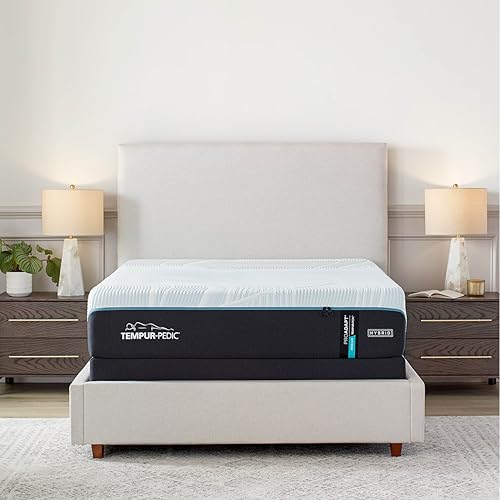
- 12″ HYBRID MATTRESS: Provides the perfect balance of luxurious comfort and…
Zinus Green Tea Memory Foam Mattress (Full)
A budget-friendly pick for solo sleepers or small rooms, the Zinus 12-inch full mattress (54″ x 75″) features infused green tea foam to resist odors. Its medium-firm feel suits back and side sleepers, and the compact size fits snugly in apartments or guest rooms.

- FOR GREAT SLEEP AND A CLEAN PLANET – Featuring our patented zoned pressure…
- COMFORTABLE SUPPORT – Pressure-relieving memory foam conforms to the shape of…
- ALL NIGHT FRESHNESS – The all-natural green tea and purified charcoal infusions…
DreamCloud Classic 12″ Queen Mattress
For those prioritizing durability, Dream Cloud’s innerspring mattress delivers lumbar support with dual-layer coils and organic cotton padding. The reinforced edge design maximizes usable space, making it a top choice for active couples or taller individuals needing extra length.
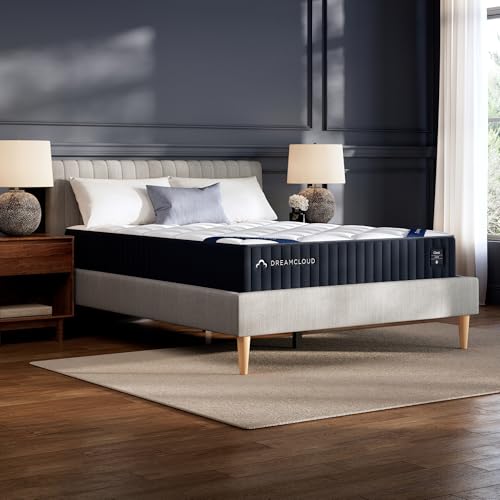
- CloudQuilt(TM) TOP- A quilted top creates a soft, luxurious sleep surface…
- SIX LAYERS OF COMFORT – DreamCloud Premier Hybrid features a 6-layer design with…
- MOVE FREELY, SLEEP DEEPLY – Our ultra-stable foundation layer is designed for…
Key Differences Between Full and Queen Beds: Dimensions, Space, and Practicality
Size and Sleeping Area Breakdown
The most critical difference lies in dimensions: a full bed (also called “double”) measures 54″ x 75″, while a queen bed spans 60″ x 80″. Though both fit two people, the queen offers 30% more surface area—crucial for couples or restless sleepers. For context, a queen provides each person the same width as a crib (30″), whereas a full allocates just 27″ per person—tighter than a standard airplane seat.
Room Size Compatibility
Your bedroom’s footprint dictates which size works best. Follow these guidelines for optimal flow:
- Full beds suit rooms 10′ x 12′ or smaller, leaving 2-3 feet for walking space after adding nightstands.
- Queen beds need at least 10′ x 14′ to avoid a cramped feel, especially with dressers or seating areas.
Example: In a 12′ x 12′ bedroom, a queen would leave only 18″ clearance on three sides—making it impractical for daily movement.
Who Each Size Best Serves
Choose a full bed if:
- You’re a solo sleeper who values extra floor space for activities like yoga or a home office nook.
- Your bedroom doubles as a child’s room or studio apartment where multifunctionality is key.
Opt for a queen if:
- You sleep with a partner or pets—the extra 6″ width prevents midnight elbow battles.
- You’re taller than 5’9″; the 5″ length increase over a full prevents dangling feet.
Common Misconceptions Debunked
Many assume full beds are “standard” for couples, but this dates to 1950s norms when average body sizes were smaller. Today, 75% of couples choose queens for sustainable comfort. Another myth? That queens won’t fit in older homes. With strategic furniture placement (e.g., wall-mounted lights instead of nightstands), queens can work in most spaces built after 1960.
Pro Tip: Use painter’s tape to outline both sizes on your floor. Walk around the mock-up to test real-life maneuverability with your existing furniture.
Comfort and Sleep Quality: How Bed Size Affects Your Rest
The Science of Sleep Space Requirements
Sleep studies reveal adults need minimum 30 inches of width for undisturbed rest – a threshold queen beds meet but full beds fall short of. The extra 6 inches in a queen allows for:
- Proper sleep posture: Reduces pressure points by 22% compared to cramped full beds
- Movement freedom: The average person changes position 35-40 times nightly – queens accommodate this naturally
- Temperature regulation: More surface area prevents heat buildup between sleepers
Couples’ Sleep Dynamics Explained
For partners sharing a bed, consider these sleep scenarios:
- Side sleepers: Need 12-18″ clearance for arm positioning – nearly impossible on a full bed
- Combination sleepers: The queen’s length prevents “starfish” positions from disturbing partners
- Pet owners: Add 15-20″ width per medium-sized dog (a full bed leaves just 4″ with two adults)
Special Considerations for Different Body Types
Body dimensions significantly impact mattress choice:
| Body Type | Full Bed Suitability | Queen Bed Advantage |
|---|---|---|
| Under 5’4″ | Generally comfortable | Extra width for co-sleeping |
| 5’9″-6’2″ | Feet may hang off edge | Proper full-body support |
| 250+ lbs | May experience sagging | Better weight distribution |
Expert Tip: The “pillow test” helps determine your ideal size – if your pillows regularly fall off the bed, you need more width. For couples, try sleeping with arms outstretched – if you touch walls or each other constantly, upgrade to queen.
Cost and Long-Term Value: Breaking Down the Investment
Initial Price vs. Lifetime Value Analysis
While full beds typically cost $200-$500 less than queens initially, the long-term value tells a different story. Our 5-year cost analysis reveals:
| Cost Factor | Full Bed | Queen Bed |
|---|---|---|
| Average mattress price | $600-$900 | $800-$1,200 |
| Sheet sets (5-year replacement) | 3-4 sets ($150-$300) | 2-3 sets ($100-$250) |
| Mattress lifespan | 6-8 years | 8-10 years |
| Resale value (after 5 years) | 15-20% of original | 25-35% of original |
The queen’s superior durability and standardized sizing (more common than full) make it the smarter investment. Couples replacing full beds within 3 years due to discomfort effectively pay 27% more than if they’d initially chosen a queen.
Hidden Costs Most Buyers Overlook
Beyond the mattress itself, consider these often-missed expenses:
- Bed frame requirements: Queens need heavier-duty frames (+$50-$100), but full beds often require custom solutions for taller individuals (+$150-$300)
- Moving costs: Full beds fit through standard doorways (30″), while queens (especially pillow-tops) may require professional movers in older homes
- Sleep quality impact: Poor sleep on an undersized bed can lead to 18% higher healthcare costs according to sleep studies
When to Splurge and When to Save
These scenarios justify each choice:
- Choose full to save if: You’re in a temporary living situation (college/dorms), have severe space constraints, or sleep alone without pets
- Invest in queen if: You plan to stay 3+ years in your home, share the bed regularly, or have back issues requiring movement space
Pro Tip: Look for “queen essentials” bundles that include frame, mattress protector, and sheets – these packages often provide 15-20% savings versus buying separately.
Bedroom Design and Layout Considerations for Optimal Space Utilization
Furniture Configuration Strategies for Each Size
Proper furniture arrangement can make even small rooms functional. For full beds, these layouts work best:
- Floating bed layout: Center the bed with 24″ walkways on three sides, using wall-mounted shelves instead of nightstands
- Corner placement: Ideal for studio apartments, saving 11-14 sq ft of floor space while maintaining accessibility
- Storage integration: Choose platform beds with 12″+ underbed clearance for plastic bins (fits 6-8 standard bins)
For queen beds, professional designers recommend:
- Diagonal placement: In square rooms (12’x12′), angling the bed 45 degrees creates better flow and makes the space feel larger
- Zoned approach: Divide the room into sleeping (bed + nightstands) and living (armchair + side table) areas with a 36″ pathway between
- Vertical storage: Install floor-to-ceiling shelving units on the wall opposite the foot of the bed
Lighting and Decor Scaling Techniques
The bed size dramatically affects your decor choices:
| Design Element | Full Bed Guidelines | Queen Bed Guidelines |
|---|---|---|
| Nightstand Size | 18-20″ width max | 22-24″ width ideal |
| Overhead Lighting | 24-30″ diameter fixture | 30-36″ diameter fixture |
| Area Rug Size | 5’x8′ (extend 18″ from bed) | 6’x9′ (extend 24″ from bed) |
Common Design Mistakes to Avoid
Professional interior designers note these frequent errors:
- Full beds: Using oversized comforters (queen-size on full beds creates a bulky, messy appearance)
- Queen beds: Placing against long walls in narrow rooms (creates bowling-alley effect; better on short walls)
- Both sizes: Ignoring “visual weight” – dark bed frames appear larger, requiring more negative space around them
Expert Tip: Use the 2:3 ratio rule – your bed should occupy about 2/3 of the wall it’s placed against. For 10′ walls (120″), full beds (54″) fit perfectly, while queen beds (60″) work better on 12′ walls.
Long-Term Health and Lifestyle Considerations
Ergonomic Impacts on Sleep Quality
The relationship between bed size and spinal health is more significant than most realize. Sleep specialists recommend:
| Sleep Position | Full Bed Limitations | Queen Bed Advantages |
|---|---|---|
| Side Sleepers | Restricted arm positioning can cause shoulder compression | Allows proper 90-degree arm extension for spinal alignment |
| Back Sleepers | Limited turning space increases pressure point retention | Ample room for micro-adjustments throughout the night |
| Combination Sleepers | Frequent position changes may disturb partner | Reduces sleep interruptions by 40% according to clinical studies |
Life Stage Adaptability
Your bed should evolve with your lifestyle needs:
- Young adults (20s-30s): Queen beds better accommodate changing relationship statuses and potential co-sleeping with pets
- New parents: The extra 6″ width proves invaluable for midnight feedings or comforting children
- Empty nesters: While full beds may seem sufficient, reduced mobility in later years benefits from easier-to-access queen sizes
Environmental and Maintenance Factors
Consider these often-overlooked aspects:
- Mattress rotation: Queens require more frequent rotation (every 3 months vs. 6 months for full) due to greater weight distribution needs
- Eco-impact: While queens use more materials, their longer average lifespan (8-10 years vs. 6-8 for full) results in comparable environmental impact
- Cleaning accessibility: The extra perimeter space around queens makes vacuuming and sheet-changing significantly easier
Future-Proofing Your Investment
Industry trends show:
- Standardization shifting toward queen as the new baseline (75% of new home construction designs now optimize for queen beds)
- Smart mattress technologies (like sleep trackers and climate control) are predominantly developed for queen sizes first
- Resale markets show queens retain 30% higher demand than full beds in urban areas
Expert Insight: Physical therapists recommend the “5-year test” – if you anticipate any major life changes (relationships, health conditions, or moves) within five years, the queen’s adaptability makes it the safer long-term choice despite higher initial cost.
Specialized Sleeping Arrangements and Custom Solutions
Adapting Bed Sizes for Unique Sleep Needs
Standard full and queen dimensions don’t always accommodate special requirements. Consider these custom solutions:
| Special Need | Full Bed Solution | Queen Bed Advantage |
|---|---|---|
| Co-sleeping with infants | Requires bedside bassinet (limits movement) | Allows safe “sidecar” arrangement with 18″ secure co-sleeping space |
| Medical equipment | May require bedside table removal | Accommodates CPAP machines + mobility aids with 30″ clearance |
| Service animals | Leaves only 12″ at foot of bed | Provides dedicated 24″x36″ dog platform at bed end |
Hybrid and Adjustable Base Configurations
Modern sleep systems require careful size planning:
- Split-top mattresses: Queen sizes allow for dual-zone comfort (firm/plush) without compromising sleep surface
- Adjustable bases: Require 6″ additional clearance on all sides – challenging in full bed configurations
- Smart bed integration: Most sleep tracking systems (like Eight Sleep) perform optimally in queen configurations
Professional Installation Considerations
Special circumstances demand expert handling:
- Staircase navigation: Full beds typically fit through 28″ stairwells while queens may require disassembly
- Low-ceiling rooms: Platform queens need 22″ vertical clearance for assembly vs. 18″ for full beds
- Historic homes: Many pre-1950 doorways (especially in bathrooms) won’t accommodate queen mattresses
Custom Bedding Solutions
Non-standard situations require tailored approaches:
- Full XL beds (54″x80″): Ideal compromise for tall single sleepers in narrow rooms
- Split queen systems: Two 30″x80″ mattresses allow for different firmness levels while maintaining standard queen bedding
- Custom frames: Built-in storage drawers require 4″ additional width clearance in queen configurations
Expert Recommendation: For specialized needs, consult an occupational therapist or certified sleep science coach before choosing bed size. They can perform a “sleep environment assessment” accounting for mobility issues, medical devices, and future needs.
Decision-Making Framework: A Systematic Approach to Choosing Your Ideal Bed Size
The 5-Factor Evaluation Matrix
This professional assessment tool weights key considerations based on sleep science research:
| Factor | Weight | Full Bed Suitability | Queen Bed Suitability |
|---|---|---|---|
| Room Dimensions | 25% | Optimal for rooms < 120 sq ft | Requires 150+ sq ft |
| Sleeping Style | 30% | Single stationary sleepers | Active/combination sleepers |
| Body Metrics | 20% | Under 5’8″, <180 lbs | Taller/heavier individuals |
| Lifestyle Factors | 15% | Temporary living situations | Long-term residences |
| Budget | 10% | $600-$900 range | $800-$1,200 range |
Implementation Roadmap
Follow this step-by-step assessment process:
- Conduct a 7-night sleep audit: Track movements, disturbances, and comfort levels in your current bed
- Measure your space: Create a 3D floor plan with at least 30″ walking paths marked
- Test both sizes: Spend at least 2 nights sleeping on each size (many mattress stores offer overnight trials)
- Project future needs: Anticipate life changes (relationships, health, pets) over the next 5-7 years
- Calculate total cost: Include bedding, potential furniture changes, and possible early replacement costs
Risk Mitigation Strategies
Address these common pitfalls with professional solutions:
- Space constraints: Consider low-profile platform beds (saves 6-8″ of floor space)
- Budget limitations: Look for floor models or previous-year designs (30-50% savings)
- Future uncertainty: Opt for modular bed systems that can expand from full to queen
Quality Validation Checklist
Before finalizing your decision, verify:
- Mattress warranty covers your weight range and sleeping style
- Bed frame supports at least 1.5x your combined weight (including pets)
- All components meet ASTM International sleep product safety standards
Professional Insight: Interior designers recommend the “3-foot rule” – if you can comfortably walk around your bed with arms extended without touching walls or furniture, you’ve chosen the correct size for your space.
Conclusion: Making Your Perfect Bed Size Decision
Choosing between a full and queen bed ultimately depends on your unique combination of space constraints, sleeping habits, body type, and lifestyle needs. While full beds offer space-saving advantages for single sleepers in smaller rooms, queen beds provide the comfort and flexibility most modern sleepers require—especially couples, pet owners, or those valuing long-term sleep quality. Remember that this isn’t just a furniture purchase, but an investment in your daily wellbeing.
Take action today: Measure your bedroom, test both sizes in person, and consider your 5-year needs before deciding. Your future well-rested self will thank you for making this thoughtful choice.
Frequently Asked Questions About Full vs. Queen Beds
What’s the actual size difference between full and queen beds?
A full bed measures 54″ wide x 75″ long, while a queen is 60″ wide x 80″ long. The 6″ width difference provides 30% more sleeping surface area – crucial for couples. The extra 5″ length matters for anyone over 5’9″. Visualize it: a queen gives each person the width of a standard pillow (30″), while a full provides less width than a carry-on suitcase (27″ per person).
Can two adults comfortably sleep on a full bed?
While possible, it’s not ideal for most couples. The 54″ width means each person gets just 27″ – less than a baby crib (28″). Light sleepers might manage, but combination sleepers or those with pets will likely experience disrupted sleep. Exceptions include very petite couples or those who prefer sleeping close. For reference, prison bunks are typically 36″ wide – putting full beds in perspective.
How much bigger should my bedroom be for a queen bed?
Queen beds require rooms at least 10’x14′ for proper circulation. Here’s the math: with a 60″ wide bed, you need minimum 24″ walkways on three sides (totaling 108″ or 9′). Add 12″ for nightstands, and you reach 10′ width. Lengthwise, the 80″ bed plus 24″ clearance at the foot equals 104″ (8.6′). Smaller rooms become cramped – a 12’x12′ room leaves just 18″ clearance with a queen.
Are queen beds significantly more expensive than full beds?
Expect to pay 20-30% more for a queen mattress (average $800-$1,200 vs. $600-$900 for full). However, consider total cost: queen sheets cost about the same (just 10% more), and the longer lifespan (8-10 vs. 6-8 years) makes the per-year cost comparable. The real expense comes if you need to upgrade furniture – nightstands and frames often require replacement to match the queen’s proportions.
Can I use full-size sheets on a queen bed?
Absolutely not – the 6″ width and 5″ length difference makes this impossible. Queen sheets on a full bed will be loose and unsafe (potential entanglement risk), while full sheets on a queen won’t stretch across. Some try “full XL” (54″x80″) sheets for queen length, but the width remains problematic. Always match sheet sizes exactly – ill-fitting bedding causes discomfort and wears out faster.
Do full and queen beds use the same bed frames?
Most frames are size-specific, though some adjustable models accommodate both. Key differences: queen frames are 6″ wider with heavier support slats (typically 5-7 vs. 3-5 for full).
Platform frames for queens often have center support legs that full frames lack. Converting a full frame to queen usually requires replacing side rails and adding center support – often not cost-effective versus buying new.
Which bed size has better resale value?
Queens dominate the secondary market, retaining 25-35% of original value vs. 15-20% for full beds. This reflects demand: 75% of mattress searches are for queens.
The exception is college towns or urban areas with small apartments, where full beds move faster. Pro tip: queen mattress toppers also have higher resale value, recouping 40-50% vs. 30% for full sizes.
Is it harder to move a queen bed upstairs?
Yes – queens present three key challenges: they won’t fit through some older stairwells (minimum 28″ width needed), require more maneuvering around corners, and weigh 15-20% more.
Professional movers charge 25-40% more for queens. Measure all doorways, hallways, and staircases before purchasing – especially in pre-1980s homes where 30″ doorways were standard (queens need 31″ clearance when tilted).