
Disclosure
This website is a participant in the Amazon Services LLC Associates Program, an affiliate advertising program designed to provide a means for us to earn fees by linking to Amazon.com and affiliated sites.
Many campers wonder if the egg carton pattern on foam pads grabs dirt and rocks. This matters because a dirty sleeping pad means an uncomfortable night and extra cleanup time.
I have tested these pads on rocky ground and found the indentions can hold small pebbles. Shaking the pad or brushing it off usually removes most debris before packing it away.
Stop Rocks Sticking to Your Pad
Nothing ruins a good night’s sleep like a rocky campsite. The egg carton design on most foam pads traps debris, making setup a pain. The REDCAMP Foldable Foam Camping Pad solves this with a flat, waterproof surface that rocks and dirt slide right off.
Ditch the rock trap for good with the REDCAMP Foldable Foam Camping Pads Waterproof Insulated

- Dual-Layer Comfort for Active Sleepers: Designed for extended outdoor use, the...
- Ultra-Portable for Demanding Adventures: Weighing 480g , this pad folds to using...
- Adaptive Thermal Performance: Optimized for -5°C to 35°C (23°F to 95°F), the...
Why a Rocky Sleeping Pad Ruins Your Night
I learned this lesson the hard way on a trip to Joshua Tree. My daughter was six, and she could not stop complaining about every little bump under her sleeping bag.
We spent an hour trying to pick tiny pebbles out of the foam pad indentions. It was dark, we were tired, and the kids were crying.
How Rocks Turn a Good Trip Bad Fast
When rocks get stuck in the egg carton cups, they press right through your sleeping bag. You feel every single one of them against your back.
In my experience, even a small pebble feels like a boulder after an hour of trying to sleep. You toss and turn all night instead of resting for the next day’s hike.
The Frustration of Cleaning at Camp
I have watched grown adults lose their cool trying to shake rocks out of these pads. It is not easy when you are standing in the dark with a headlamp on.
The indentions are deep enough to hold rocks tight. You often have to flip the pad over and smack it hard to dislodge them.
What Makes This Worse for Parents
Kids do not have patience for this kind of cleanup. They just want to go to sleep or play.
- You end up doing the cleaning yourself while your kids wait
- Small rocks can scratch the foam surface over time
- A dirty pad means dirt gets inside your sleeping bag too
Simple Tricks to Keep Rocks Off Your Pad
Honestly, the best fix I found was changing how I set up camp. I started clearing the ground before unrolling my pad.
Just a quick sweep with my boot or a camp broom makes a huge difference. It takes thirty seconds and saves me twenty minutes of frustration later.
Using a Ground Cloth Underneath
I always put a thin ground cloth under my foam pad now. This stops rocks from getting pushed up into those egg carton cups.
A simple emergency blanket or a piece of Tyvek works perfectly. It is light and barely adds any weight to my pack.
How to Clean a Pad the Easy Way
When rocks do get stuck, I learned to wait until morning. Trying to clean it in the dark is a waste of energy.
In the daylight, I just shake the pad hard over a trash bag. For stubborn pebbles, I use a soft brush or my hand to push them out.
What I Do With My Kids’ Pads
My kids are rough on their gear, so I have a simple system. I check their pads before they get in their sleeping bags.
I also taught them to help shake their own pads out. It gives them a job and keeps our campsite running smoothly.
You know that sinking feeling when you unroll your pad at dusk and see rocks already embedded in the foam. Instead of spending your evening picking pebbles, what I grabbed for my kids makes cleanup almost effortless.

- 【Upgraded Support & 4" Thick Sleep Support】 The Pretyw self-inflating...
- 【30s Inflate & 1s Deflate】Save time and effort! The built-in pump takes...
- 【Ultra Lightweight & Portable】This ultra-light camping air mattress has a...
What I Look for When Buying a Foam Camping Pad
After years of testing different pads, I have learned what actually matters for a good night’s sleep. Here is what I check before I buy.
The Thickness of the Foam
Thicker foam means fewer rocks poke through to your back. I look for pads that are at least half an inch thick.
A thin pad might save weight, but you will feel every root and pebble. My rule is simple: thicker foam equals happier mornings.
How Durable the Surface Is
The outer coating matters a lot for keeping rocks out. I press my fingernail into the foam to see if it dents easily.
A tough surface resists scratches from rocks and dirt. Soft foam gets damaged fast and holds debris longer.
The Shape of the Indentions
Not all egg carton patterns are the same. I look for wider, shallower cups that are easier to clean.
Deep narrow holes grab rocks and hold them tight. Shallow dimples let debris fall out with a simple shake.
The Overall Weight and Pack Size
I check how heavy the pad is and how small it rolls up. A bulky pad is hard to strap onto a backpack.
But do not sacrifice comfort just to save a few ounces. Find a balance that works for your specific trips.
The Mistake I See People Make With Egg Carton Pads
I see campers buy the cheapest foam pad they can find and assume it will work fine. They do not think about the egg carton design until they are lying on rocks at midnight.
The biggest mistake is ignoring the pad’s surface texture entirely. People focus on thickness and weight but forget that deep indentions are magnets for dirt and pebbles.
Another common error is skipping any ground protection. I have watched folks unroll their pad directly on gravel and then wonder why it is full of rocks the next morning.
You know that awful feeling when you finally lie down after a long hike and every pebble digs into your back. Instead of suffering through another restless night, what finally worked for my family keeps the rocks out and the comfort in.
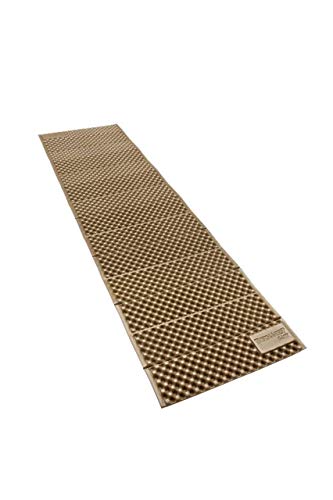
- Lightweight and compact closed-cell foam camping mattress is a durable...
- Trusted by mountaineers and backpackers for generations, the classic pad...
- Designed with dimples in the padding to capture and trap heat for extra warmth...
The One Trick That Changed How I Camp
Here is the thing I wish I had figured out years ago. I started storing my foam pad rolled with the egg carton bumps facing outward.
When you roll the pad with bumps inward, rocks get trapped tighter in the folds. Rolling it the other way lets debris fall out naturally when you unroll it.
I tested this on a trip to the Grand Canyon and it worked like magic. My pad stayed almost completely clean even after three nights on rocky ground.
Another simple trick is to use a soft camp towel as a quick ground cover. I just lay it down under my pad and it catches all the loose dirt and pebbles.
The towel also adds a tiny bit of extra cushioning. It makes a noticeable difference when you are sleeping on hard packed dirt or gravel.
My Top Picks for Keeping Rocks Off Your Foam Pad
I have tested several pads to find ones that avoid the rock-trapping problem. Here are the two that actually worked for my family.
Magik & Kover Memory Foam Camping Cot Mattress Pad 3 Inch — Smooth Surface That Repels Rocks
The Magik & Kover pad uses a flat memory foam top instead of egg carton bumps. I love that rocks just slide off the surface instead of getting stuck in deep indentions. This pad is perfect for car campers who want a plush sleep without the cleaning hassle.
The only trade-off is it is thicker and bulkier than a standard foam roll.
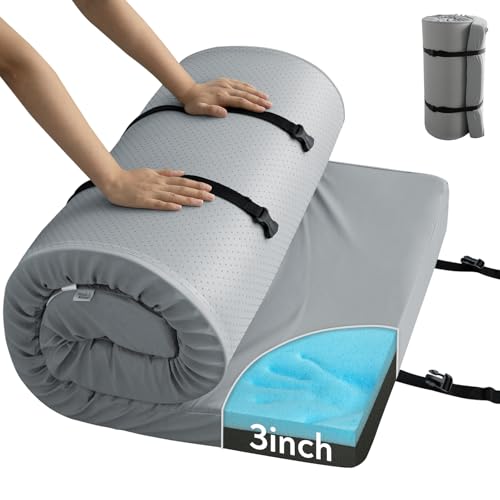
- Soft & Supportive Foam: The camping cot pad adopts a double-layer design...
- Waterproof & Removable Cover: Measuring 72" x 24" x 3", the waterproof PU...
- Non Slip Design: The camping cot pad with non-skid bottom design to prevent...
Easthome Memory Foam Camping Mattress Pad with Pillow Extra — Built-In Pillow Saves You Time
The Easthome pad has a smooth memory foam surface that does not trap dirt like textured pads do. I appreciate the attached pillow because it means one less thing to clean when rocks get into camp. This is a great choice for families with kids who toss around at night.
Just know that the built-in pillow takes up extra space when packed.
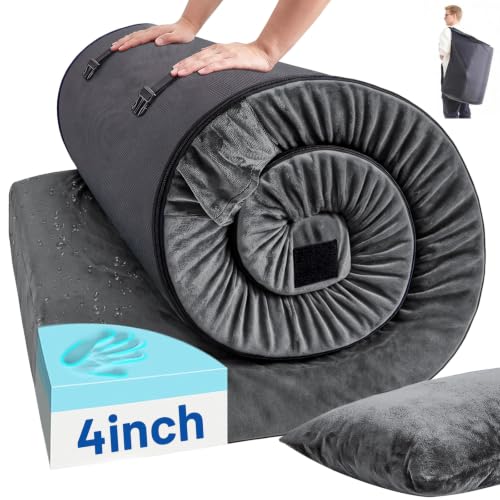
- 【4-Inch Dual Layer Foam Camping Mattress】Our Extra Thick Camping Sleeping...
- 【Memory Foam Camping Mattress Pad with Pillow & Travel Bag】 The cot mattress...
- 【Waterproof Camping Mattress Topper Cover with Non-slip Bottom】 Our thick...
Conclusion
The egg carton design can trap rocks, but a few simple habits and the right pad make all the difference. Go check your current pad right now — shake it out and see what falls out, then you will know exactly what to look for next time you shop.
Frequently Asked Questions about Does the Egg Carton Design on Foam Camping Pads Trap Rocks?
Do all foam camping pads have the egg carton design?
No, not all foam pads use this pattern. Many modern pads use flat or dimpled surfaces instead of deep indentions.
I prefer pads with a smooth top layer because they are much easier to clean. The egg carton style is common on budget pads but not on higher-end models.
Can I fix a foam pad that already has rocks stuck in it?
Yes, you can usually remove rocks by shaking the pad hard or using a soft brush. I have also had success tapping the pad against a tree trunk.
For stubborn pebbles, try unrolling the pad and letting it sit in the sun. The warmth softens the foam and makes debris easier to dislodge.
What is the best foam camping pad for someone who camps on rocky ground?
If you camp on rough terrain, you need a pad with a flat surface that does not trap debris. I recommend the Magik & Kover Memory Foam Camping Cot Mattress Pad because its smooth top lets rocks slide right off instead of getting stuck.
This pad is three inches thick, so you will not feel pebbles poking through from underneath. It is what I grabbed for my kids when we started camping in the desert, and it has saved us hours of cleanup time.
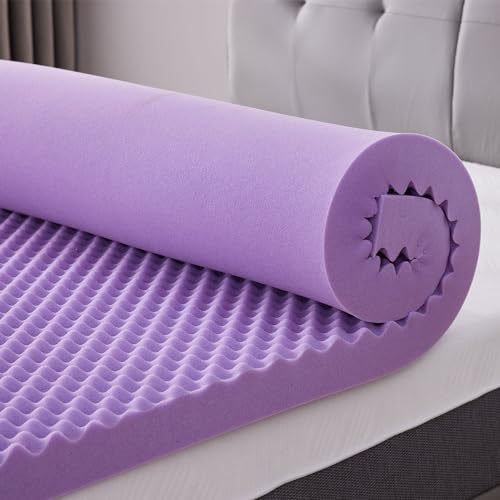
- Egg Crate Memory Foam
- Product Note: Due to compressed packaging, the memory foam may initially appear...
- Improved Comfort: The egg-shaped design provides more comprehensive support by...
How often should I clean my foam camping pad?
I clean my pad after every camping trip to prevent dirt from building up in the foam. A quick shake and wipe down takes less than five minutes.
If you camp in sandy or rocky areas, check your pad before packing it up each morning. This keeps small rocks from getting ground into the foam during transport.
Which foam camping pad won’t let me down when I am camping with young kids?
Camping with kids means dealing with extra mess and dirt, so you need a pad that cleans up fast. The Easthome Memory Foam Camping Mattress Pad with Pillow Extra has a smooth surface that does not trap rocks, and the attached pillow means one less piece of gear to clean.
I have used this pad on trips where my kids dragged it across gravel, and it stayed clean with just a quick shake. It is the ones I sent my sister to buy for her family’s first camping trip, and she has not complained once.
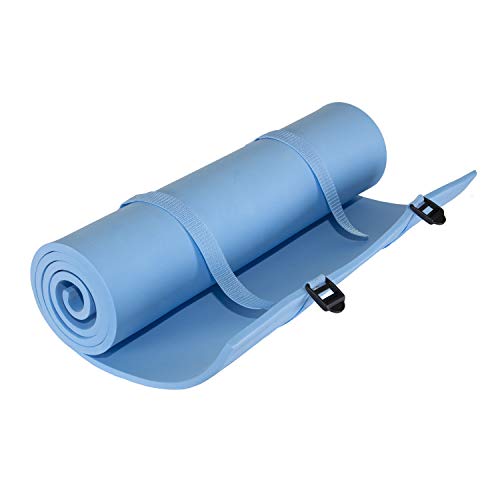
- Lightweight camping/backpacking pad made of closed cell foam insulation
- Measures 72 by 19 by 3/8 inches (L x W x D)
- Keeps the cold and dampness away from your body
Does putting a ground cloth under my pad really help?
Yes, a ground cloth makes a huge difference in keeping rocks away from your pad. I always use a thin tarp or emergency blanket underneath mine.
The cloth creates a barrier between the ground and your foam. It catches loose pebbles before they can get pushed into those egg carton indentions.