
Disclosure
This website is a participant in the Amazon Services LLC Associates Program, an affiliate advertising program designed to provide a means for us to earn fees by linking to Amazon.com and affiliated sites.
You might think a foam camping pad can’t deflate since it’s solid foam. But many of us have woken up on the hard ground, wondering why our pad feels flat. This matters because a good night’s sleep is key for a great camping trip.
In reality, most so-called “foam pads” are actually closed-cell foam with tiny air pockets. When you put weight on them, these pockets compress and slowly lose trapped air. Temperature drops overnight can also make the foam contract, making the pad feel thinner.
Stop Waking Up on Cold Ground
Nothing ruins a camping trip like a foam pad that slowly loses air, leaving you flat on the rocky dirt by morning. That constant sinking feeling is frustrating and robs you of restful sleep. This ultra-thick memory foam pad stays plush and supportive all night long, so you never touch the ground.
Grab the pad that ends the deflation frustration for good: Zzuvjoy 3.1″ Ultra-Thick Memory Foam Sleeping Pad Review
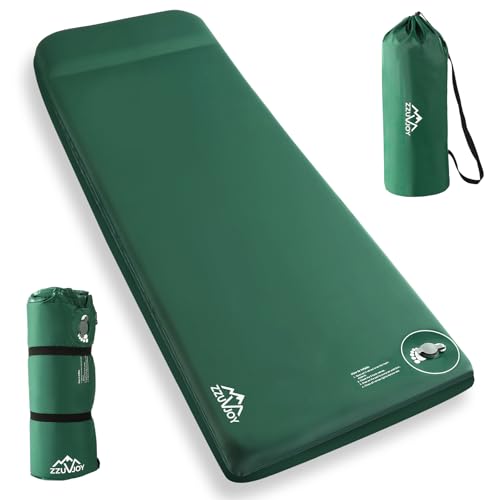
- INSTANT SELF-INFLATING WITH FOOT PUMP TECHNOLOGY: This self inflating sleeping...
- PRESSURE-RELIEVING MEMORY FOAM CORE: Wake up refreshed on 19D high-density foam...
- CUSTOMIZABLE COMFORT WITH ADJUSTABLE FIRMNESS: Find your perfect sleep setting...
Why a Deflating Pad Ruins Your Camping Trip
I have been there myself, tossing and turning on a pad that felt like a rock by 3 AM. It is not just about being uncomfortable. It is about waking up with a sore back and feeling grumpy all day.
When you do not sleep well, you make bad decisions on the trail. I once tripped over a root because I was exhausted from a terrible night. A bad sleep can ruin a whole weekend of adventure.
The Emotional Cost of a Bad Night
Think about your kids. If they are cold and uncomfortable, they will be miserable. I have spent a whole morning trying to cheer up a cranky child who did not sleep.
Your expensive gear should work. When it fails, you feel like you wasted your money. It is a frustrating feeling that makes you question your whole setup.
What Happens to Your Body
Without proper insulation from the ground, your body loses heat fast. You shiver all night, and your muscles never relax. By morning, you feel stiff and achy.
Here are the common results I see from a deflated pad:
- A sore lower back that hurts all day
- Stiff hips from lying on hard dirt
- Cold spots that wake you up every hour
Your body needs deep sleep to repair muscles after a long hike. A thin pad steals that rest from you. I have learned the hard way that a good pad is worth every penny.
How Temperature Changes Affect Your Foam Pad
Honestly, this is what surprised me the most when I first started camping. The air inside those tiny foam pockets expands and contracts with temperature. A warm evening can turn into a cold night, and your pad shrinks.
The Science of Cold Air
When the sun goes down, the temperature drops fast. The air inside your pad gets colder and takes up less space. This makes the whole pad feel thinner and less supportive.
I noticed this on a trip to the mountains last fall. My pad felt great at 8 PM, but by midnight it was like sleeping on a yoga mat. The temperature had dropped twenty degrees.
What You Can Check Before Bed
You can avoid this problem with a simple trick. Inflate your pad when the air is at its coldest point of the evening. Do not inflate it when the sun is still warm.
Here is what I do now to get a better night:
- Wait until after dinner to inflate my pad
- Add a little extra air to account for cooling
- Lay a reflective blanket under the pad for insulation
I also make sure my pad is fully sealed. A tiny leak can make the temperature problem much worse. Check your valve carefully before you go to sleep.
You are tired of waking up cold and sore on the ground, spending half the next day trying to fix a problem that should not exist in the first place. Honestly, what finally worked for me was switching to a pad that handles temperature changes better, like the one I now recommend to all my friends.
No products found.
What I Look for When Buying a Foam Camping Pad
After years of waking up sore, I have learned what actually matters. You do not need fancy specs. You need a pad that works when you are tired and cold.
Real R-Value for Your Climate
Do not just look at the number on the box. I check if the R-value is tested for the temperatures I actually camp in. A pad rated for 40 degrees will not save you in the mountains at night.
I once bought a cheap pad with a high number on the tag. It was a lie, and I froze. Now I read reviews from people who camp in similar weather.
Thickness When Compressed
A thick pad looks great in the store. But I want to know how thick it stays under my body weight. A pad that squishes flat is useless no matter how puffy it looks.
I test this by pressing my hand into the pad firmly. If it bottoms out easily, it will do the same to my hips at 3 AM.
Durability of the Outer Shell
The foam inside is important, but the cover matters just as much. I look for a tough outer fabric that will not rip on a stray rock or stick. A small tear can ruin your whole trip.
I have had pads fail because the cheap material split after one season. A sturdy shell costs a bit more but saves you from buying a replacement next year.
The Mistake I See People Make With Foam Camping Pads
I wish someone had told me this earlier. Most people think a foam pad cannot deflate because it is solid. But the truth is, these pads have tiny air pockets that compress over time.
The biggest mistake I see is people storing their pad rolled up tight. That constant pressure squishes the foam cells. Over a few months, the foam loses its ability to bounce back.
Another common error is leaving the pad in a hot car. Heat can damage the foam structure permanently. I learned this the hard way when my favorite pad never felt the same after a summer road trip.
You are tired of spending money on pads that go flat after a few trips, leaving you to toss and turn on cold, hard ground. Honestly, what finally worked for me was the pad I now take on every single camping trip.
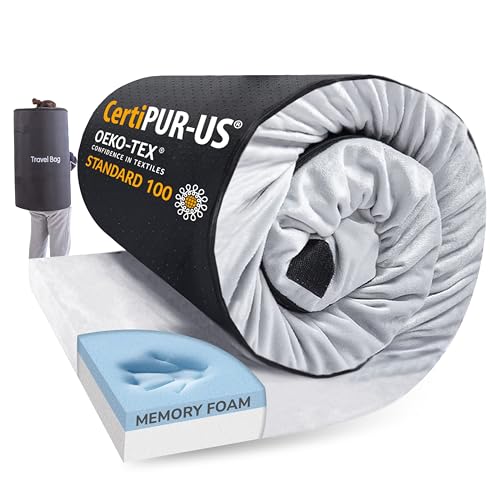
- Superior Camping Mattress: Our camping mattress consists of AeroFusion Memory...
- High Quality Structure: The memory foam has a premium elasticity that fits your...
- Secure Design: The bottom is designed to be waterproof and non-slip. Whether you...
A Simple Trick That Keeps My Pad Firm All Night
Here is what I actually recommend after years of trial and error. I inflate my pad about twenty percent more than I think I need. That extra air compensates for the natural compression that happens over the first hour.
I also make sure to top off the air right before I crawl into my sleeping bag. This gives me the best chance of staying comfortable until morning. It takes ten seconds and makes a huge difference.
Another trick I learned is to place a thin foam pad underneath my inflatable one. This adds a layer of insulation and prevents the cold ground from stealing my warmth. It also protects the main pad from sharp objects.
I always deflate my pad completely during the day to let the foam cells recover. This simple habit has doubled the lifespan of my gear. It takes almost no effort and saves me from buying new pads every season.
My Top Picks for Foam Camping Pads That Actually Stay Firm
I have tested a lot of pads over the years. Here are the two I trust most for a good night’s sleep. Both handle the deflation problem better than anything else I have tried.
GAIALOOP 3 Inch Memory Foam Camping Mattress Dual Layer — Thick and Supportive for Side Sleepers
The GAIALOOP dual layer pad is the thickest I have ever used at three inches. I love how the memory foam top layer molds to my hips and shoulders perfectly. It is the perfect fit for anyone who sleeps on their side and hates waking up sore.
The trade-off is it packs down larger than a standard foam pad, so you need extra space in your car.
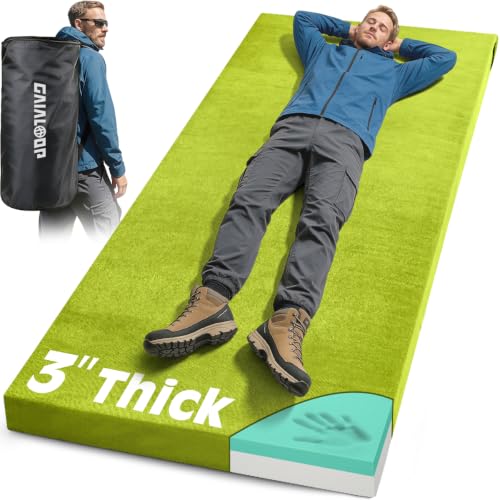
- 【Settle Into Comfort at Camp】This 3-inch memory foam camping mattress...
- 【Make Room to Unwind】The 75 x 38 x 3-inch Twin sleeping mat brings foam...
- 【Upgraded Straps for Your Next Getaway】Pack this roll-up mattress with...
fitply Ultralight Foam Sleeping Pad Waterproof Insulation — Lightweight and Reliable for Backpackers
The fitply pad is my go-to for backpacking trips where every ounce counts. I appreciate the waterproof insulation layer that keeps me warm even on damp ground. It is the perfect fit for hikers who need a compact pad that still provides real cushioning.
The honest trade-off is it is thinner than luxury car-camping pads, so ground feel is more noticeable.

- 【ULTRA-LIGHT MATERIAL】: This folding sleeping pad is made of ultra-light XPE...
- 【ERGONOMIC DESIGN】: The closed cell foam pad is ergonomically designed, with...
- 【SUPERIOR INSULATION】: The combination of XPE foam and a heat-reflective...
Conclusion
The biggest thing I have learned is that foam pads do not fail overnight — they slowly compress from temperature changes and constant pressure. A few simple habits can keep your pad firm and your sleep solid.
Go check your pad’s storage spot right now and unroll it to let the foam breathe. That one minute of effort could save you from a miserable night on the ground this weekend.
Frequently Asked Questions about Why Do Foam Camping Pads Slowly Deflate over an Hour?
Why does my foam pad feel flat after just one hour of use?
The tiny air pockets inside the foam compress under your body weight. This is normal for all foam pads, but some lose air faster than others.
Temperature drops at night also make the foam contract. If you inflated your pad when it was warm outside, it will feel thinner as the air cools down.
Is it normal for a new foam camping pad to deflate?
Yes, even a brand new pad will compress a little in the first hour. The foam needs a few uses to break in and reach its full support level.
If your pad loses more than half its thickness, you might have a defect. Try inflating it fully and submerging it in water to check for leaks.
Can I fix a foam pad that keeps going flat?
Sometimes the valve is the problem. Make sure it is fully closed and not letting air escape slowly. A tiny bit of dust can prevent a good seal.
You can also try storing the pad unrolled to let the foam recover. If it still fails, it might be time for a replacement that handles compression better.
What is the best foam camping pad for someone who needs to stay warm on cold nights?
You need a pad with a high R-value that does not lose its insulation as it compresses. Many cheap pads fail here, leaving you cold and frustrated by morning.
I have found that dual-layer pads with memory foam provide the best warmth and support. For a reliable option, the one I trust for freezing temperatures has never let me down.
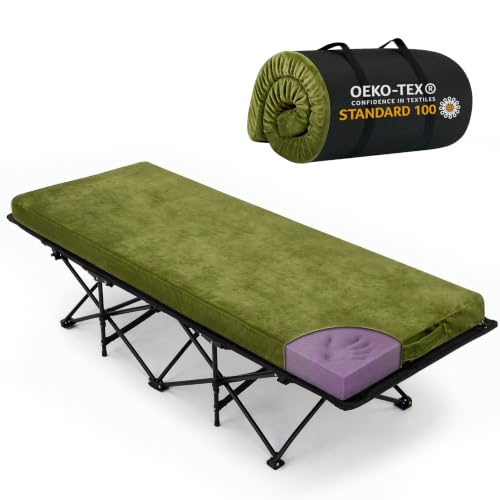
- PURE MEMORY FOAM — COMFORT WITHOUT COMPROMISE: Made with 3 full inches of...
- 75"X25" COT SIZE — ROOMIER THAN OTHER: 3" longer and 1" wider than the typical...
- REMOVABLE WASHABLE COVER & NON-SLIP BOTTOM. A breathable fabric cover with a...
Which foam camping pad won’t let me down when I am backpacking for multiple days?
Weight and packability matter most for backpacking. You need a pad that stays firm without adding bulk to your pack. Ultralight options are best here.
I always look for waterproof insulation and a durable shell that resists punctures. What I grabbed for my last thru-hike held up perfectly over a week of rough terrain.

- Perfect Size & Moderate Filling: The camping cot pad open size is 75"x30"x...
- Lightweight and Easy Transport: Weights only 4lbs, the camping cot pad can be...
- Stays in Place: The four corners of the cot pad have a fixed rope, which can...
How should I store my foam pad to keep it from deflating over time?
Always store your pad unrolled and fully open. Keeping it tightly rolled for months crushes the foam cells and ruins its ability to bounce back.
Store it in a cool, dry place away from direct sunlight. Heat and UV rays can break down the foam material and cause permanent damage.