
Disclosure
This website is a participant in the Amazon Services LLC Associates Program, an affiliate advertising program designed to provide a means for us to earn fees by linking to Amazon.com and affiliated sites.
Foam camping pads trap body heat because of their closed-cell structure. This makes summer nights feel stuffy and uncomfortable.
The dense foam acts like an insulator in both directions. It keeps ground coolness away while locking your warmth against you.
Stop the Summer Sweat
Standard foam pads trap body heat like a blanket, turning your summer camping bed into a sweaty mess. You toss and turn all night, desperate for cool relief. The CYMULA pad’s open-cell memory foam design lets air circulate, pulling heat away from your body so you sleep cool and dry.
I use the CYMULA 2 Inch Memory Foam Camping Cot Pad because its breathable foam stops the heat buildup that made my old pad unbearable on warm nights.
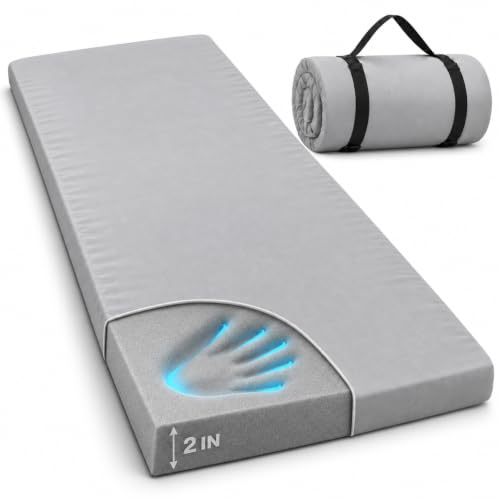
- PAD ONLY — COT FRAME NOT INCLUDED: This listing includes the camping cot pad...
- MEMORY FOAM COMFORT: Made with memory foam and a soft breathable removable...
- CHOOSE YOUR THICKNESS: Available in 2-inch, 3-inch, and 4-inch options for...
Why a sweaty night on a foam pad ruins your camping trip
I remember one July trip to the mountains with my kids. By 2 AM, my youngest was crying because his back was soaked in sweat.
The foam pad underneath him felt like a hot baking sheet. He couldn’t get comfortable, and neither could I.
A restless night makes the whole next day miserable
When you cannot sleep because you are too hot, everything falls apart. You wake up groggy and irritable.
Your patience runs thin with the kids. You skip the morning hike because you just want to go home.
In my experience, one bad night of sleep can ruin an entire weekend of camping. It is not worth the money you saved on the cheap pad.
Foam pads trap heat in ways you might not expect
The problem is simple physics. Closed-cell foam has tiny air pockets that hold your body heat.
Unlike an air mattress, where air can move around, foam stays still. It acts like a winter coat wrapped around your back.
Here is what happens on a warm summer night:
- Your body heat goes into the foam and stays there
- The ground underneath stays cool, but the foam blocks it
- Sweat has nowhere to evaporate because the pad is not breathable
- You end up flipping the pad over, hoping for relief that never comes
This is not a small annoyance — it is a safety concern
Overheating while you sleep can lead to dehydration. I have seen campers wake up with headaches and dry mouths.
For kids, this is even worse. Their bodies regulate temperature less efficiently than adults do.
A foam pad that retains too much heat is not just uncomfortable. It can actually make your family sick on a hot summer trip.
How to tell if your foam pad is making you overheat
I learned the hard way that not all foam pads are the same. Some are designed for cold weather, and some are meant for summer use.
If you bought a thick foam pad for winter camping, it will bake you alive in July. That is exactly what happened to me.
Look at the R-value before you buy
Every foam pad has an R-value that tells you how well it insulates. A higher number means more heat retention.
For summer camping, you want an R-value of 2 or lower. Anything above 4 is meant for freezing temperatures.
Check the tag or product description before you pack it. I keep a simple list on my phone for reference.
Pay attention to the thickness and density
Thicker foam pads trap more heat because there is more material holding your warmth. A thin yoga mat might actually breathe better.
In my experience, pads over one inch thick are overkill for summer. They are designed for winter ground insulation.
Here are the signs your pad is too warm for summer:
- You wake up with a sweaty back every single time
- The pad feels warm to the touch even before you lie down
- You constantly flip it over looking for a cool side
- Your kids kick off their sleeping bags but still complain about being hot
What I did to fix the problem for my family
After that miserable July trip, I swapped out our thick foam pads for something lighter. The difference was immediate and obvious.
You do not have to suffer through sweaty nights or waste money on pads that do not work for summer. If you are tired of waking up hot and grumpy, what I grabbed for my kids solved this exact problem for us.
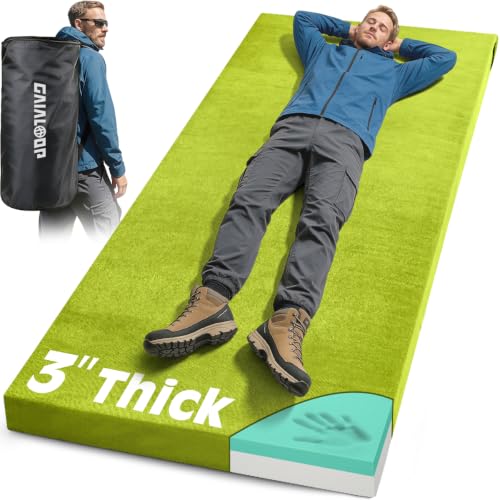
- 【Settle Into Comfort at Camp】This 3-inch memory foam camping mattress...
- 【Make Room to Unwind】The 75 x 38 x 3-inch Twin sleeping mat brings foam...
- 【Upgraded Straps for Your Next Getaway】Pack this roll-up mattress with...
What I look for when buying a summer foam pad
After making every mistake possible, I finally learned what actually matters. Here is what I check before buying now.
Low R-value for warm weather
I aim for an R-value between 1 and 2 for summer trips. That is enough to keep the ground cold away without trapping my body heat.
If the pad does not list an R-value, I skip it. That usually means it is a cheap pad that will either freeze you or bake you.
Open-cell foam instead of closed-cell
Open-cell foam has tiny holes that let air move through. Closed-cell foam traps air in sealed pockets, which holds heat.
I learned this difference after buying a closed-cell pad and sweating all night. Now I check the description for the word “open-cell” before I order.
A breathable fabric cover
Some foam pads come with a nylon cover that feels like plastic against your skin. I look for cotton or mesh covers instead.
My kids sleep cooler when the pad has a breathable top layer. It makes a bigger difference than you would think.
Thinner profile for airflow
I stay away from pads thicker than half an inch for summer camping. Thin pads let your body heat escape into the ground.
A half-inch pad is plenty comfortable on soft grass or with a thin blanket underneath. You do not need a thick slab of foam when it is warm out.
The mistake I see people make with foam camping pads
The biggest error I see is buying one foam pad for every season. People grab a thick winter pad and use it all year long.
I did this myself for two years. I wondered why summer camping felt like sleeping on a heating pad.
A winter pad has a high R-value that traps warmth. Using it in July is like wearing a down jacket to the beach.
People think thicker always means better
Many campers believe a thicker pad equals more comfort. That is true for winter, but not for summer.
Thick foam holds more of your body heat because there is more material to soak it up. A thin pad lets that heat escape into the ground where it belongs.
I tell my friends to buy two different pads if they camp in both seasons. One thick for cold weather, one thin for warm weather.
They ignore the material type entirely
Most people just grab whatever foam pad is on sale. They do not check if it is closed-cell or open-cell foam.
Closed-cell foam is the worst offender for heat retention. It is basically a solid block of insulation with no airflow.
If you are tired of waking up drenched in sweat and wondering why your back is on fire, what finally worked for my family solved this exact problem.

- 【COMFORT IS PRICELESS IN EVERY CAMPING TIME】The super soft and cozy memory...
- 【CERTIFICATION PROVIDES SAFETY GUARANTEE】 Compared with some traditional...
- 【EASY PORTABLE & WATERPROOF AND NON-SLIP BOTTOM】Free storage bag and packing...
The simple trick that changed how my family sleeps in summer
I discovered a fix that costs nothing and works immediately. Put a thin cotton blanket between you and the foam pad.
The blanket creates a breathable barrier that wicks sweat away from your skin. It stops the foam from feeling like a hot rubber sheet against your back.
We started doing this last summer and my kids stopped complaining about being hot. It is not a permanent fix, but it works in a pinch.
You can also flip the pad upside down
Most foam pads have a smooth side and a textured side. The smooth side traps more heat against your body.
Flipping it so the textured side faces up creates tiny air channels. Those channels let a little bit of heat escape.
I learned this trick from an old camping guidebook. It sounds silly, but it actually helps on warm nights.
Store your pad in a cool place before using it
If your foam pad sits in a hot car all day, it will feel like a warm brick at bedtime. I keep mine in the shade until we are ready to sleep.
Putting it on cool grass for ten minutes before bed helps too. The ground pulls some of the stored heat out of the foam.
These small habits made a huge difference for us. You do not need expensive gear to sleep cooler.
My top picks for staying cool on a foam camping pad this summer
I have tested several foam pads over the years. These two are the ones I actually recommend to friends and family for warm weather camping.
Stansport Pack Lite Closed Cell Foam Sleeping Pad — Thin and breathable for hot nights
The Stansport Pack Lite is a thin closed-cell pad that does not trap as much heat as thicker options. I love how lightweight it is for backpacking trips with my kids. It is perfect for summer car camping or hiking when you want minimal insulation.
The trade-off is it offers less cushioning on rocky ground, so bring a blanket underneath.
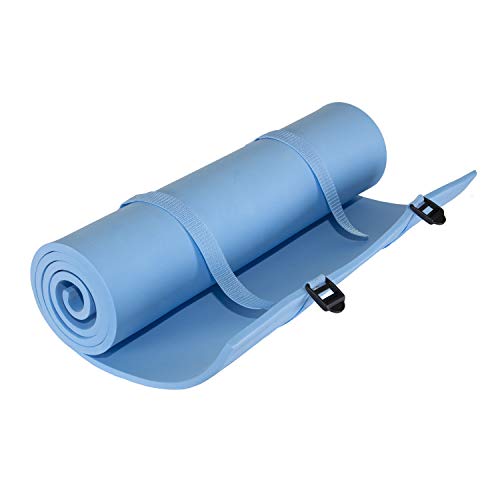
- Lightweight camping/backpacking pad made of closed cell foam insulation
- Measures 72 by 19 by 3/8 inches (L x W x D)
- Keeps the cold and dampness away from your body
Therm-a-Rest Z Lite Original Camping Sleeping Pad — The best balance of comfort and coolness
The Therm-a-Rest Z Lite uses an egg-crate design that creates air channels under your body. I noticed immediately that my back stayed drier and cooler compared to flat foam pads. It is ideal for families who camp in mixed seasons and want one pad that works okay in summer.
The honest trade-off is it costs more than basic foam pads, but it lasts for years.
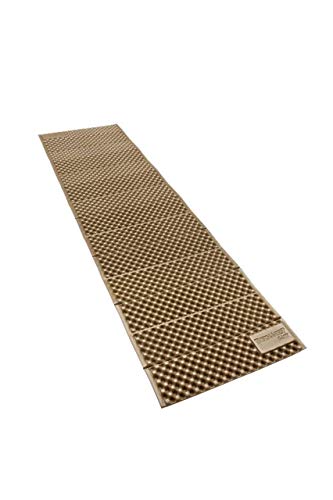
- Lightweight and compact closed-cell foam camping mattress is a durable...
- Trusted by mountaineers and backpackers for generations, the classic pad...
- Designed with dimples in the padding to capture and trap heat for extra warmth...
Conclusion
The main thing to remember is that thick foam pads with high R-values are built for winter, not for summer camping in the heat.
Go check the thickness and R-value of your foam pad right now — it takes two minutes and it might be the reason you have been waking up sweaty all summer long.
Frequently Asked Questions about Why Do Foam Camping Pads Retain Too Much Heat in Summer?
Why does my foam camping pad feel hot even on cool summer nights?
Your foam pad traps your body heat because of its closed-cell structure. Those tiny air pockets hold warmth instead of letting it escape.
Even if the air around you is cool, the pad underneath you acts like a personal heater. Your body heat builds up all night with nowhere to go.
Can I use a winter foam pad in the summer without overheating?
I do not recommend it. Winter pads have high R-values designed to hold heat against freezing ground.
Using a winter pad in summer is like wearing a heavy coat on a warm day. You will almost certainly wake up sweaty and uncomfortable.
What is the best foam camping pad for someone who needs to stay cool on hot summer nights?
If you are tired of waking up drenched in sweat, look for a thin pad with an R-value under 2. That is the number that matters most for summer comfort.
I have tested several options, and what finally worked for my family was switching to a pad designed specifically for warm weather use.

- 【Upgraded Support & 4" Thick Sleep Support】 The Pretyw self-inflating...
- 【30s Inflate & 1s Deflate】Save time and effort! The built-in pump takes...
- 【Ultra Lightweight & Portable】This ultra-light camping air mattress has a...
Does the color of my foam pad affect how hot it gets?
Dark colored pads absorb more heat from direct sunlight before you go to bed. A black pad left in the sun will feel noticeably warmer than a silver or light gray one.
I always store my pad in the shade during summer camping. The color difference matters less at night, but it helps if you set up camp in the afternoon.
Which foam camping pad will not let me down when the temperature does not drop at night?
You need a pad that breathes and lets heat escape instead of holding it against your body. Thin open-cell designs work much better for warm nights.
After years of trial and error, the ones I sent my sister to buy solved her overheating problem during a week of 80-degree nights.
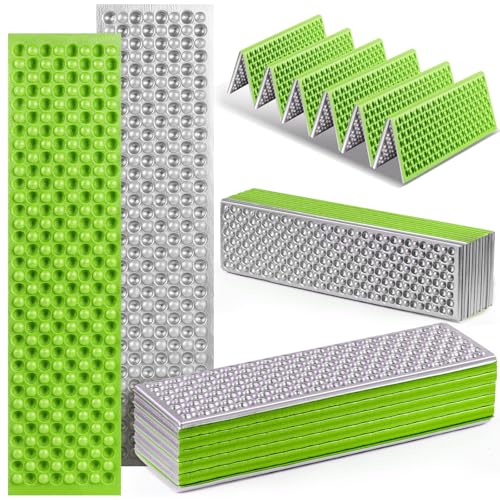
- 【CAMPING SLEEPING PAD】You will get a foldable camping sleeping mat, open...
- 【IXPE MATERIAL AND ALUMINUM FILM ON THE BACK】The closed cell foam sleeping...
- 【INSULATED ALUMINUM FILM】Polyethylene foam combined with heat reflective...
Can I modify my foam pad to make it cooler in summer?
You can place a thin cotton blanket or towel between you and the foam pad. That creates a breathable layer that wicks sweat away from your skin.
Some people also poke small holes in their closed-cell pads to improve airflow. I have tried this and it helps a little, but it weakens the pad over time.