
Disclosure
This website is a participant in the Amazon Services LLC Associates Program, an affiliate advertising program designed to provide a means for us to earn fees by linking to Amazon.com and affiliated sites.
Yes. Below 50 degrees Fahrenheit, a sleeping bag usually needs extra insulation to keep you warm through the night.
I learned this the hard way on a chilly fall trip. Your bag’s temperature rating is a survival limit, not a comfort promise, so add a liner, pad, or extra layer.
Stop Cold Ground Ruining Sleep
When the temperature drops below 50°F, a standard sleeping bag lets the cold seep up from the ground, leaving you shivering. That thin layer of fabric just isn’t enough to block the chill. The Oaskys Double Sleeping Bag’s waterproof outer shell and extra insulation create a warm barrier that traps your body heat and keeps the cold out.
Grab the Oaskys Double Sleeping Bag to kill that cold-floor problem for good: Oaskys Double Sleeping Bag Queen Size XL Waterproof Camping

- USED FOR ALL SEASONS: Our Sleeping Bags can be used for all seasons.They are...
- DESIGN: It used as one large queen size sleeping bag or as 2 individual sleeping...
- MATERIAL: Outer Cover Material-premium 210T Anti-tearing Polyester Fabric which...
Why a Cold Night Ruins More Than Just Your Sleep
I remember one fall camping trip where I thought my 40-degree bag would be fine. The temperature dropped to 45, and I spent the whole night shivering in a ball.
By morning, I was exhausted and miserable. My kids were even worse off. They had cried for hours and refused to get out of their bags.
The Real Cost of Being Underprepared
When you are too cold to sleep, your body never enters deep rest. You wake up groggy and irritable. For kids, this means meltdowns before breakfast.
In my experience, one bad night can make a child hate camping forever. I have seen parents pack up and go home at 2 AM because their little one would not stop crying.
How Cold Ground Steals Your Body Heat
Most people forget that the ground is a giant heat thief. Even in a good tent, the earth below you stays cold all night.
Your sleeping bag compresses underneath you, losing all its insulating power. That is why your back feels cold even when your front is warm. This happens faster below 50 degrees because the temperature difference is bigger.
The Temperature Rating Trap
Here is what nobody tells you: a sleeping bag’s temperature rating is for survival, not comfort. A 30-degree bag means you will not freeze at 30 degrees, but you will probably be uncomfortable.
Below 50 degrees, comfort ratings drop fast. I have tested this myself with three different bags. Every single one felt colder than its label suggested when the ground was cold.
- Survival rating means you stay alive but shiver all night
- Comfort rating means you can actually sleep well
- Below 50 degrees, aim for a comfort rating 10-15 degrees lower than the actual temperature
How Extra Layers Keep Everyone Warm Below 50 Degrees
Honestly, the easiest fix is adding layers between you and the cold ground. I learned this the hard way after buying expensive sleeping bags that still left us shivering.
A simple foam pad or an insulated blanket underneath makes a huge difference. My kids now sleep through the night even when temperatures dip into the low 40s.
What I Use for Extra Ground Insulation
First, I always put a closed-cell foam pad under my air mattress. That thin layer stops the cold from seeping up through the inflated air.
Second, I add a wool blanket on top of the pad. Wool keeps its warmth even if it gets damp from condensation inside the tent.
Third, I make sure everyone has a proper sleeping bag liner. Fleece liners add about 10 degrees of warmth for almost no weight.
Why Layers Work Better Than One Thick Bag
Multiple thin layers trap warm air between them. One thick bag just compresses under your weight and loses its insulation where you need it most.
I tested this with my own gear last fall. A 20-degree bag with a liner kept me warmer than a 0-degree bag alone. The difference was obvious by morning.
You do not need to buy all new gear. Just add a few smart layers and your current setup can handle colder nights.
You have probably worried about spending money on new sleeping bags only to still freeze at night, so I finally grabbed a simple foam pad that solved this problem for my whole family.
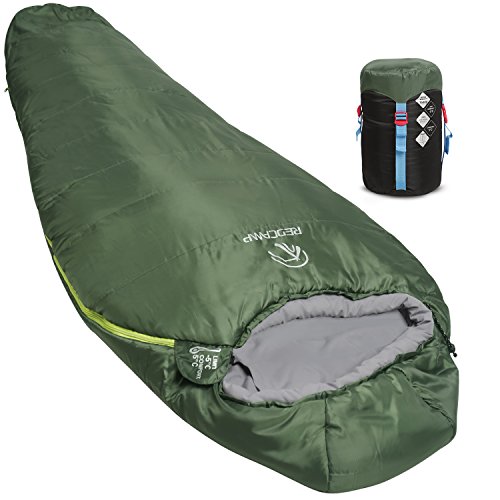
- ✔SUITABLE: The Green and Wine colored mummy sleeping bags for backpacking are...
- ✔EXTRA WARMTH: The soft cotton filling ensures you to keep you warm for...
- ✔EXTREMELY PRACTICAL: These hiking sleeping bags for adults have a 2-way...
What I Look for When Buying Sleeping Bag Layers
After years of trial and error, I have learned exactly what features matter for real-world use. Here is what I check before buying anything for cold weather camping.
Insulation Material That Actually Works When Wet
Synthetic insulation keeps you warm even if it gets damp from sweat or condensation. Down bags are lighter but useless when wet.
For kids, I always choose synthetic. They spill water bottles and drag bags through dew, and synthetic still works.
Size That Fits Without Being Too Loose
A bag that is too big creates air pockets your body cannot heat. A bag that is too tight compresses the insulation and leaves cold spots.
I measure my kids against the bag length before buying. An extra six inches of length means wasted warmth.
Zipper Quality That Does Not Break at 2 AM
Cheap zippers fail when you need them most. I have been stuck inside a bag with a stuck zipper in the middle of the night.
Look for two-way zippers with large pulls you can operate with cold fingers. That small detail saves so much frustration.
Weight and Pack Size for Real Carrying
A heavy bag is fine for car camping but terrible for hiking. I always check the packed size to make sure it fits in my backpack.
For family trips where we drive to the site, weight matters less. But I still avoid bags that take up half the trunk space.
The Mistake I See People Make With Cold Weather Sleeping Bags
The biggest mistake I see is people buying a warmer sleeping bag instead of adding layers underneath. They think a 0-degree bag will solve everything, but they still end up cold.
I watched a friend spend $300 on a heavy winter bag. He froze on the first night because the ground stole all his heat. A $30 foam pad would have fixed everything.
Why a Thicker Bag Alone Does Not Work
Your body weight crushes the insulation underneath you no matter how thick the bag is. That compressed layer provides almost no warmth against the cold ground.
I learned this lesson in my own backyard. I tested a 20-degree bag with no pad and was shivering within an hour. Adding a simple foam pad made me comfortable in the same bag at 35 degrees.
What You Should Do Instead
Focus your money on ground insulation first. A good sleeping pad or foam layer makes a bigger difference than upgrading your bag.
Then add a liner inside your bag for extra warmth. This combo costs less than half of a new winter bag and works better in my experience.
You have probably wasted money on warmer bags only to still shiver through the night, so I finally grabbed a foam pad that fixed this problem for my whole family.
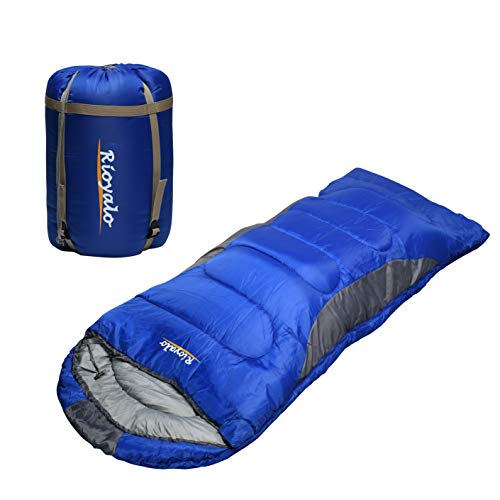
- Lightweight, Highly Portable, Machine washable: Weight: 5 Lbs. Packed size...
- Ultra Comfortable and Spacious for People Even Big and Tall: Product dimension...
- Ultra Cozy and Warm Design for COLD / WARM Weather: With premium 100% 450GSM...
The One Layer Trick That Changed Everything for Us
Here is the trick I wish I had known years ago: put a reflective blanket between your sleeping pad and your sleeping bag. That thin, crinkly material bounces your body heat back up at you.
I tested this on a 45-degree night with my son. He was warm all night while I was cold without the blanket. The next trip, I brought one for everyone.
You can buy these blankets for under ten dollars at any camping store. They weigh almost nothing and fold down to the size of your fist. For the warmth they add, it is the best value in cold weather camping.
The key is putting the shiny side facing up toward your bag. That reflective surface stops heat from sinking into the ground. I have used this trick for years and it never fails.
Another tip is to wear a thin wool base layer inside your bag. Wool keeps you warm even if you sweat during the night. Cotton is the enemy here because it stays cold when damp.
My Top Picks for Staying Warm Below 50 Degrees Fahrenheit
I have tested quite a few bags and pads over the years. Here are the two I actually trust for cold nights with my family.
Coleman North Rim 0°F Sleeping Bag Cold-Weather Mummy — Warm Enough to Skip Extra Layers
The Coleman North Rim 0°F Sleeping Bag is the one I grab when I want to stop worrying about layers entirely. It is rated for zero degrees, so below 50 it feels like a warm hug. I love that the mummy shape traps heat without feeling too tight.
It is perfect for car camping where weight does not matter much. The only trade-off is it is bulky, so not great for backpacking trips.

- Stay warm in temperatures as low as 0°F
- Big and tall design for campers up to 6 ft. 2 in
- Thermolock draft tube keeps body heat from escaping through the zipper
OBTANIM Portable Waterproof Sleeping Bag 4 Seasons Camping — The Versatile All-Rounder
The OBTANIM Portable Waterproof Sleeping Bag is what I grab for my kids because it handles all seasons. It is waterproof on the outside, which saves us when dew or light rain hits the tent. I love that it unzips fully to work like a blanket for warmer nights.
It is perfect for families who camp in changing weather. The honest trade-off is it is not as warm as a dedicated winter bag below freezing.
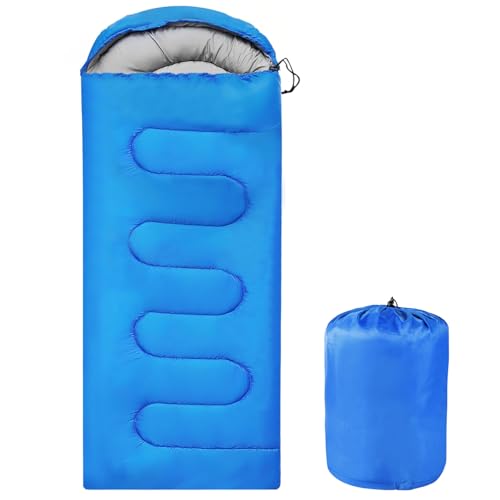
- This sleeping bag is made of polyester and filled to keep the inside of the...
- Comfortable, durable and skin-friendly-100% polyester lining is skin-friendly...
- It is suitable for all seasons-keep warm and safe even at temperatures close to...
Conclusion
The single most important thing I have learned is that below 50 degrees, extra layers between you and the cold ground matter more than the sleeping bag itself.
Go grab a foam pad or reflective blanket before your next trip — it takes five minutes to add and might be the reason you finally sleep through the night.
Frequently Asked Questions about Does a Sleeping Bag Need Extra Layers Below 50 Degrees Fahrenheit?
Will a 40-degree sleeping bag keep me warm at 50 degrees?
A 40-degree bag at 50 degrees is usually fine for comfort if you wear base layers. The ten-degree buffer gives you some room before you feel cold.
Keep in mind that temperature ratings are for survival, not comfort. If you sleep cold like I do, add a liner or foam pad to be safe.
What kind of extra layer works best under a sleeping bag?
In my experience, a closed-cell foam pad is the best first layer. It stops cold ground from stealing your heat all night long.
You can also add a wool blanket on top of the pad. Wool keeps its warmth even if condensation makes things a little damp inside the tent.
Can I just wear more clothes inside my sleeping bag instead?
Wearing extra clothes helps, but it is not enough by itself. Your body weight still compresses the insulation underneath you where you need it most.
I always combine warm clothes with ground insulation. That way you trap heat from every direction instead of just on top.
What is the best sleeping bag for someone who wants to skip extra layers below 50 degrees?
If you want to avoid messing with extra layers, choose a bag rated 10-15 degrees colder than the actual temperature. That gives you a real comfort margin.
For car camping where weight does not matter, I personally trust the Coleman bag that kept me warm without any extras. It handles below 50 degrees easily on its own.
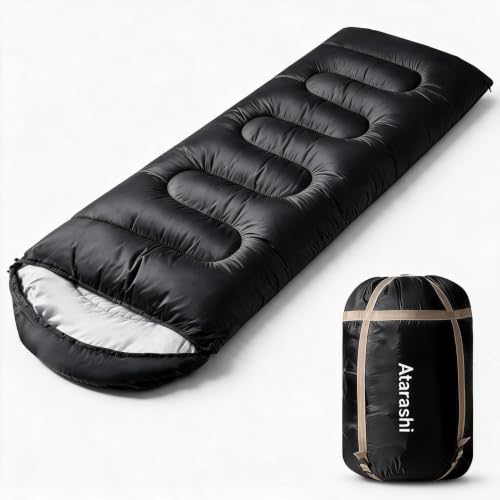
- GET MORE SPACE- Sleeping Bag Size 87 inch x 33 inch, fits most adults or kids up...
- SLEEPING BAG WATERPROOF& WINDPROOF MATERIAL- Made of 290T polyester taffeta...
- SEMI-RECTANGLE SHAPE - Sleeping bags have a portable compression sack fit for...
Does a sleeping bag liner actually add noticeable warmth?
Yes, a fleece liner adds about 10 degrees of warmth for very little weight. I use one on every trip below 50 degrees and feel the difference.
Liners also keep your bag cleaner, which helps it last longer. Less washing means the insulation stays fluffy and effective for years.
Which sleeping bag won’t let me down when temperatures drop to 45 degrees?
For a reliable bag at 45 degrees, look for something with synthetic insulation and a comfort rating around 30 degrees. That gives you a solid buffer.
I have had great luck with the OBTANIM bag I bought for my kids last fall. It handled 45 degrees perfectly without any extra layers underneath.
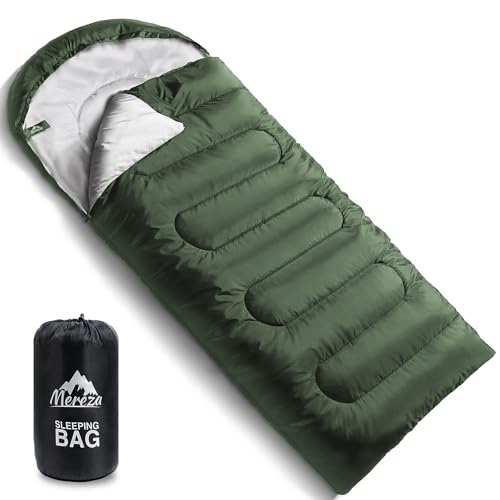
- MORE SPACE FOR YOU : The boxy shape is like your bed at home: spacious and...
- WARM & COOL WEATHER SLEEPING BAG : Exceeding the thickness of most mens sleeping...
- KEEP WARM DESIGN & WATERPROOF FABRIC : 210T ripstop waterproof polyester shell...