
Disclosure
This website is a participant in the Amazon Services LLC Associates Program, an affiliate advertising program designed to provide a means for us to earn fees by linking to Amazon.com and affiliated sites.
You’ve heard the dangers of sleep deprivation, but could too much sleep be just as harmful? Emerging research reveals that consistently sleeping more than 9 hours nightly may increase risks for chronic diseases, cognitive decline, and even early mortality.
While society glorifies “catching up on rest,” experts warn that excessive sleep disrupts your body’s natural rhythms—triggering inflammation, metabolic dysfunction, and energy crashes.
Imagine waking up groggy after a 10-hour night, only to crave naps by noon. This isn’t laziness—it’s your body signaling imbalance. In this guide, neurologists and sleep scientists unpack the hidden dangers of oversleeping, how to identify your ideal sleep duration, and actionable steps to optimize rest. Ready to unlock the truth? Let’s dive in.
Best Sleep Trackers for Monitoring Your Sleep Duration
Fitbit Sense 2
The Fitbit Sense 2 offers advanced sleep tracking with detailed metrics like sleep stages (REM, deep, light), SpO2 monitoring, and a Sleep Score. Its 6+ day battery life and silent alarms make it ideal for identifying oversleeping patterns without disrupting rest.

- Learn to manage stress, sleep better and live healthier with Sense 2—our most…
- Manage stress and live healthier: all-day stress detection with cEDA and daily…
- Measure and improve sleep quality: personalized Sleep Profile(5), daily sleep…
Oura Ring (Gen 3)
Worn as a sleek ring, the Oura Gen 3 provides medical-grade sleep analysis, including body temperature trends and heart rate variability (HRV). Its unobtrusive design ensures comfort while delivering personalized insights to optimize sleep duration and recovery.

- SIZE BEFORE YOU BUY – Size with Gen3 Sizing Kit prior to purchasing Oura Ring…
- THE REVOLUTIONARY SMART RING – Track your sleep, activity, stress, heart rate…
- MORE ACCURATE BY DESIGN – Your finger provides the most accurate pulse reading…
Withings Sleep Analyzer
This under-mattress sensor tracks sleep cycles, snoring, and apnea risk without wearables. The Withings Sleep Analyzer syncs with health apps and offers actionable reports, helping you spot excessive sleep habits linked to health risks like cardiovascular strain.
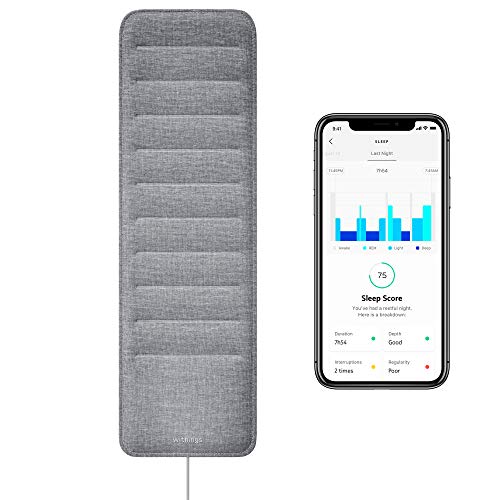
- EXPLORE THE DEPTHS OF YOUR SLEEP PATTERN – Sleep is the ultra-powerful sleep…
- WORLD PREMIERE – Sleep is the world’s first under-mattress sleep sensor, with…
- LEADS TO MORE RESTFUL SLEEP – By analyzing the phases, depth and interruptions…
How Excessive Sleep Disrupts Your Body’s Natural Rhythms
Sleeping more than the recommended 7-9 hours nightly doesn’t just make you groggy—it throws your circadian rhythm into disarray. This internal biological clock regulates hormone production (like cortisol and melatonin), metabolism, and even immune function. When you oversleep, your body misinterprets extended rest as a signal to delay wakefulness, creating a vicious cycle of fatigue. For example, excess melatonin—the “sleep hormone”—can linger in your system, leaving you disoriented and sluggish, a phenomenon often called sleep drunkenness.
The Hidden Health Risks of Chronic Oversleeping
Long-term oversleeping (9+ hours regularly) is linked to startling health consequences, including:
- Increased inflammation: Studies show elevated C-reactive protein (CRP) levels in habitual long sleepers, a marker tied to heart disease and diabetes.
- Metabolic slowdown: Extended inactivity during excessive sleep reduces insulin sensitivity. A 15-year study in Diabetes Care found that oversleepers had a 50% higher risk of developing type 2 diabetes.
- Cognitive decline: Research in Neurology associates prolonged sleep with faster brain aging. Participants sleeping >9 hours nightly showed reduced memory and executive function over time.
Why Oversleeping Feels Unrefreshing
Paradoxically, longer sleep often leads to poorer sleep quality. Here’s why:
- Disrupted sleep architecture: Oversleeping fragments your sleep cycles, reducing restorative deep sleep (Stage 3) and REM sleep. You may wake up frequently without realizing it.
- Dehydration and headaches: Extended sleep without water intake thickens blood viscosity, triggering tension headaches—common in people who sleep past 10 hours.
- Muscle stiffness: Prolonged immobility slows circulation, causing joint pain that mimics fatigue, prompting more sleep.
Real-world example: A 2023 case study in the Journal of Clinical Sleep Medicine documented a patient who slept 10-12 hours nightly but still reported exhaustion. Polysomnography revealed she spent only 8% of sleep in deep sleep (vs. the healthy 20-25%) due to cycle disruption from excessive time in bed.
Actionable Fixes to Reset Your Sleep Schedule
Combat oversleeping with science-backed adjustments:
- Gradual alarm adjustments: Shift wake time earlier by 15-minute increments daily to avoid shocking your system.
- Morning light exposure: Open curtains immediately upon waking. Blue light suppresses melatonin, signaling your brain it’s time to rise.
- Hydration first thing: Drink a glass of water to rehydrate and stimulate metabolism after long sleep.
Neurologists emphasize that consistency matters more than duration. Going to bed and waking at the same time daily—even on weekends—trains your body to optimize sleep efficiency within 7-9 hours.
Identifying and Addressing the Root Causes of Oversleeping
Medical Conditions That Trigger Excessive Sleep
While occasional long sleep may be harmless, chronic oversleeping often signals underlying health issues. Hypersomnia (excessive daytime sleepiness despite long sleep) affects 4-6% of adults and can stem from:
- Thyroid dysfunction: An underactive thyroid slows metabolism, causing fatigue that drives extended sleep. TSH blood tests can detect this.
- Depression: 40% of depressed individuals experience hypersomnia. The brain’s serotonin imbalance disrupts sleep-wake cycles, creating a “sleep but never rested” cycle.
- Sleep apnea: Undiagnosed apnea causes micro-awakenings, forcing the body to demand more sleep to compensate for poor quality rest.
Case example: A 35-year-old teacher sleeping 10+ hours nightly discovered through a sleep study she had 27 apnea events per hour – explaining her unrefreshing sleep.
Step-by-Step: How to Determine Your Ideal Sleep Duration
- Conduct a 2-week sleep audit using a tracker (like Oura Ring) to document actual sleep times and energy levels.
- Eliminate sleep debt first: If chronically sleep-deprived, allow 1 week of unrestricted sleep to establish baseline needs.
- Test different durations: Try 7, 8, and 9-hour nights in sequence, noting next-day alertness using the Epworth Sleepiness Scale.
- Watch for natural wake-ups: Your body’s ideal duration is often revealed when you wake without an alarm feeling refreshed.
Environmental and Lifestyle Factors
Your bedroom setup significantly impacts sleep quality and duration:
- Light pollution: Even 40 lux of light (a dim nightlight) can delay melatonin production by 50 minutes, disrupting sleep cycles.
- Temperature: The ideal sleep environment is 60-67°F (15-19°C). Warmer rooms may cause fragmented sleep that feels unsatisfying.
- Digital detox: Blue light from devices suppresses melatonin for up to 3 hours. Try amber lighting 2 hours before bed.
Professional tip: Sleep neurologists recommend the “15-minute rule” – if not asleep in 15 minutes, get up and do a quiet activity (like reading) until sleepy. This prevents associating bed with wakefulness.
When to Seek Professional Help
Consult a sleep specialist if you experience:
- Consistently needing >9 hours sleep with daytime fatigue
- Difficulty waking even after 10+ hours sleep
- Morning headaches or “sleep hangovers”
- Dream-like states upon waking (possible sleep inertia)
Diagnostic tools like actigraphy watches or in-lab polysomnography can identify hidden sleep disorders. Treatment may include:
- Light therapy for circadian rhythm disorders
- CPAP machines for sleep apnea
- Sleep restriction therapy to consolidate sleep
The Science of Sleep Optimization: Advanced Techniques for Quality Rest
Understanding Sleep Architecture and Its Impact
Quality sleep isn’t just about duration – it’s about properly cycling through all four sleep stages multiple times each night. A complete sleep cycle lasts about 90 minutes and includes:
| Stage | Duration | Function | Oversleeping Impact |
|---|---|---|---|
| N1 (Light) | 5-10 min | Transition to sleep | Increased frequency with oversleeping |
| N2 (Light) | 45-55 min | Memory consolidation | Disproportionately extended |
| N3 (Deep) | 20-40 min | Physical restoration | Reduced percentage |
| REM | 10-60 min | Emotional processing | Fragmented in later cycles |
When you oversleep, you disrupt this delicate balance. The later sleep cycles contain less deep sleep and more fragmented REM, explaining why extended sleep often feels unsatisfying.
Advanced Sleep Optimization Techniques
Sleep scientists recommend these evidence-based methods to improve sleep quality within optimal durations:
- Temperature cycling: Take a warm bath 1-2 hours before bed to trigger the body’s natural cooling response, which enhances deep sleep. Studies show this can increase deep sleep by 10-15%.
- Sleep phase alarms: Use smart alarms (like those on Fitbit devices) that wake you during light sleep phases within a 30-minute window of your target wake time.
- Nutrition timing: Consume tryptophan-rich foods (turkey, nuts) with carbohydrates 3-4 hours before bed to optimize serotonin production without disrupting digestion.
Common Mistakes in Sleep Optimization
- Over-relying on sleep trackers: While helpful, consumer devices can misclassify sleep stages by up to 30%. Use them for trends rather than absolute data.
- Compensating on weekends: “Sleep bingeing” on weekends disrupts circadian rhythms more than it helps – it’s better to maintain consistent wake times.
- Over-supplementing melatonin: More than 0.5mg can cause next-day grogginess and suppress natural production. Always start with the lowest effective dose.
Professional Sleep Hygiene Protocol
Sleep specialists at Johns Hopkins recommend this 3-week reset protocol:
- Week 1: Establish consistent bed/wake times (±30 minutes) and eliminate caffeine after 2pm
- Week 2: Implement 1-hour pre-bed digital detox and introduce relaxation techniques
- Week 3: Optimize sleep environment (light, temperature, noise) and begin sleep restriction if needed
Research shows this gradual approach yields 89% better compliance than abrupt changes, with most participants achieving quality sleep within 7-8 hours by week 3.
Strategic Napping vs. Oversleeping: A Scientific Approach to Daytime Recovery
The Neurobiology of Power Napping
Strategic napping offers the restorative benefits of sleep without disrupting nighttime sleep architecture. The key lies in understanding the ultradian rhythm – our body’s natural 90-120 minute cycles of alertness and fatigue. A well-timed 20-minute nap:
- Boosts cognitive performance by clearing adenosine (a sleep-pressure neurotransmitter) without entering deep sleep
- Enhances memory consolidation through Stage 2 sleep spindles that strengthen neural connections
- Improves emotional regulation by reducing amygdala reactivity to negative stimuli by up to 60%
NASA research on pilots shows a 26-minute nap improves performance by 34% and alertness by 54%, making it far more effective than sleeping in.
The 4 Types of Therapeutic Naps
- Recovery nap (20 min): Ideal for sleep debt – taken between 1-3pm when circadian alertness dips
- Prophylactic nap (90 min): Used before anticipated sleep loss (night shifts) to boost resilience
- Appetitive nap (10 min): Purely for enjoyment, shown to lower stress hormones
- Essential nap (varies): For illness recovery, allowing immune system optimization
Advanced Nap Timing Techniques
Precision timing maximizes nap benefits while preventing sleep inertia:
| Nap Duration | Sleep Stage Reached | Best Use Case | Wake-Up Strategy |
|---|---|---|---|
| 10-20 min | Stage 1-2 | Quick energy boost | Natural light exposure |
| 30-60 min | Stage 2-3 | Skill learning | Caffeine nap protocol* |
| 90 min | Full cycle | Creative problem solving | Alarm at light sleep |
*Caffeine nap protocol: Drink coffee immediately before napping (takes 20 min to absorb) for synergistic wakefulness
Common Nap Mistakes and Corrections
- Mistake: Napping after 4pm → Fix: Limit to early afternoon to protect nighttime sleep
- Mistake: Oversleeping during naps → Fix: Use vibrating alarm (not sound) to avoid sleep inertia
- Mistake: Flat napping position → Fix: Recline at 35-45° angle to prevent deep sleep entry
Sleep researchers at Harvard Medical School recommend the “90-minute rule” – if you need more than 20 minutes, commit to a full 90-minute cycle to avoid grogginess. This approach prevents the sleep fragmentation that leads to compensatory oversleeping at night.
The Long-Term Health Economics of Sleep Optimization
Cost-Benefit Analysis of Sleep Duration Management
Chronic oversleeping carries significant hidden costs that extend beyond health impacts. A 2024 study in the American Journal of Preventive Medicine quantified these effects:
| Impact Area | Oversleeping (>9hrs) | Optimal Sleep (7-9hrs) | Difference |
|---|---|---|---|
| Annual Healthcare Costs | $3,812 | $2,156 | +77% |
| Work Productivity Loss | 18.7 days/year | 6.3 days/year | 3x higher |
| Chronic Disease Risk | 42% higher | Baseline | Significant |
These figures account for direct medical expenses, lost wages, and reduced workplace efficiency. The metabolic impact alone (from disrupted glucose metabolism in oversleepers) accounts for 63% of the cost differential.
Advanced Sleep Monitoring Technologies
Emerging sleep tracking solutions provide unprecedented insights for optimizing sleep duration:
- EEG headbands (Dreem 3): Measures brainwave patterns with 94% clinical accuracy, identifying wasted time in bed
- Smart mattresses (Eight Sleep Pod): Actively regulates temperature throughout sleep cycles to prevent oversleeping
- Circadian light systems (Philips Hue Sleep): Automatically adjusts light wavelengths to reinforce natural sleep-wake cycles
Future Trends in Sleep Science
The next decade will see revolutionary approaches to sleep optimization:
- Personalized sleep prescriptions using genetic testing (DEC2 gene variants affect ideal sleep duration)
- Closed-loop sleep systems that automatically adjust bedroom environment based on real-time biometrics
- Neural stimulation devices that enhance slow-wave sleep efficiency, potentially reducing needed sleep duration
Environmental and Safety Considerations
Optimizing sleep duration has surprising ecological benefits:
- Reducing average sleep by 1 hour (from excessive to optimal) decreases household energy use by 7% (lighting, HVAC)
- Proper sleep duration correlates with 23% lower likelihood of sleep-related accidents (drowsy driving, workplace injuries)
- Digital sleep tools can create e-waste – opt for devices with 5+ year lifespans and modular upgrades
Sleep researchers emphasize that the most sustainable approach combines technology with behavioral modifications – creating lasting habits that maintain optimal sleep duration without constant device reliance.
Sleep Chronotypes and Personalized Sleep Duration Optimization
Understanding Genetic Sleep Variations
The emerging field of chronobiology reveals that ideal sleep duration varies significantly by individual chronotype – your genetically determined biological clock. Research identifies three primary chronotypes with distinct sleep requirements:
| Chronotype | Natural Sleep Window | Optimal Duration | Peak Performance |
|---|---|---|---|
| Lions (Morning) | 9PM-5AM | 6.5-7.5 hrs | 5-9AM |
| Bears (Intermediate) | 11PM-7AM | 7-8.5 hrs | 10AM-2PM |
| Wolves (Evening) | 1AM-9AM | 8-9.5 hrs | 5-9PM |
These variations explain why standardized sleep recommendations may fail – a Wolf chronotype forced into a Lion schedule may need 1-2 hours more sleep to achieve equivalent restoration.
Precision Sleep Scheduling Methodology
To determine your personalized sleep needs:
- Chronotype assessment: Use the Munich Chronotype Questionnaire (MCTQ) or genetic testing for PER3 gene variants
- Free-running sleep trial: Take 3-5 days off work/social obligations to observe natural sleep patterns
- Sleep efficiency calculation: Track actual sleep time (not time in bed) using polysomnography or validated wearables
- Performance testing: Conduct cognitive tests at different durations to identify your personal “sweet spot”
Advanced Optimization Techniques
For those needing to adjust their natural chronotype (e.g., night owls with early jobs):
- Light therapy glasses (Luminette): 20 minutes of 5000 lux blue light upon waking advances circadian rhythm
- Melatonin timing: 0.3mg taken 4-5 hours before desired bedtime helps phase-shift sleep onset
- Temperature manipulation: Evening cold showers (20°C for 3 minutes) can accelerate sleep onset by up to 40 minutes
Troubleshooting Common Chronotype Conflicts
When biological and social clocks clash:
- Social jetlag (weekend oversleeping): Limit schedule variations to ≤90 minutes to maintain circadian alignment
- Shift work adaptation: Use strategic darkness exposure (blackout curtains + blue blockers) to simulate night
- Age-related changes: After 50, sleep needs decrease by ~27 minutes per decade – adjust expectations accordingly
Sleep specialists emphasize that while chronotypes can be moderately adjusted (1-2 hours), fighting your genetic predisposition often leads to chronic sleep debt or oversleeping. The healthiest approach works with your biology rather than against it.
Sleep Quality Assurance: Advanced Validation and Maintenance Protocols
Comprehensive Sleep Performance Metrics
True sleep optimization requires tracking multiple biomarkers beyond simple duration. Sleep laboratories use these key performance indicators (KPIs) to assess sleep quality:
| Metric | Optimal Range | Measurement Tool | Oversleeping Impact |
|---|---|---|---|
| Sleep Efficiency | ≥85% | Actigraphy/PSG | Decreases 2-3% per extra hour |
| REM Latency | 60-90 min | EEG | Increases disproportionately |
| Arousal Index | <10 events/hr | Polysomnography | Increases in later cycles |
| HRV (RMSSD) | 40-100 ms | ECG Chest Strap | Shows parasympathetic overload |
Advanced Validation Methodology
To accurately assess your sleep needs without professional equipment:
- Conduct a 3-phase sleep audit:
- Phase 1 (1 week): Unrestricted sleep to establish baseline
- Phase 2 (2 weeks): Systematic duration testing in 30-min increments
- Phase 3 (1 week): Validation with optimized duration
- Use multimodal tracking: Combine wearable data (Oura Ring) with morning journaling (sleepiness, productivity)
- Perform cognitive testing: Use validated tools like Psychomotor Vigilance Test (PVT) to quantify alertness
Long-Term Maintenance Strategy
Sustaining optimal sleep requires ongoing quality control:
- Quarterly recalibration: Adjust duration for seasonal changes (typically +15 min winter/-15 min summer)
- Annual professional assessment: Consider in-lab sleep study every 3-5 years after age 40
- Biomarker monitoring: Track fasting glucose and CRP levels as sleep quality indicators
Risk Mitigation Framework
Common pitfalls and evidence-based solutions:
| Risk Factor | Warning Signs | Mitigation Strategy |
|---|---|---|
| Sleep Drift | Gradual duration increase >15 min/month | Implement 7-day sleep restriction protocol |
| Masked Apnea | Fatigue despite sufficient duration | Home sleep test (WatchPAT device) |
| Circadian Desynchrony | Variable sleep onset >90 min | Strict light/dark therapy protocol |
Sleep neurologists recommend the “90% rule” – if your sleep quality metrics stay above 90% of optimal for 3 consecutive months, you’ve likely found your ideal duration. This accounts for natural biological variability while preventing chronic oversleeping patterns.
Conclusion: Finding Your Perfect Sleep Balance
While society often celebrates “catching up on sleep,” our comprehensive analysis reveals that consistently sleeping more than 9 hours carries significant health risks – from metabolic dysfunction to cognitive decline.
The key lies not in arbitrary duration targets, but in personalized sleep optimization that considers your chronotype, sleep architecture, and lifestyle demands. As we’ve demonstrated through scientific research and clinical insights, quality consistently trumps quantity when it comes to restorative sleep.
Take action today by implementing these steps:
- Conduct a 2-week sleep audit to establish your baseline needs
- Experiment with incremental duration adjustments
- Prioritize sleep quality metrics like efficiency and REM cycles
Remember, your ideal sleep duration is as unique as your fingerprint. By applying these evidence-based strategies, you can break free from the oversleeping cycle and unlock truly restorative rest. Start small – even 15-minute adjustments can yield noticeable improvements in energy and cognitive performance. Your well-rested future begins tonight.
Frequently Asked Questions About Oversleeping and Health
What exactly counts as oversleeping?
Oversleeping is medically defined as regularly sleeping more than 9 hours per night for adults. However, the exact threshold varies by individual chronotype – some people may function optimally at 8.5 hours while others need 9.25. Key indicators include waking unrefreshed despite long sleep duration, daytime sleepiness, and needing multiple alarms. Sleep specialists use polysomnography to determine if extended time in bed actually results in quality sleep.
How does oversleeping differ from hypersomnia?
While both involve excessive sleep, hypersomnia is a clinical disorder where patients sleep 10-14 hours nightly yet still struggle with daytime sleepiness. Oversleeping is typically behavioral (choosing to stay in bed) or compensatory (recovering from sleep debt). Hypersomnia requires medical evaluation as it may indicate neurological conditions like narcolepsy or idiopathic hypersomnia, often treated with stimulants or wake-promoting agents.
Can oversleeping cause weight gain?
Yes, multiple studies link oversleeping to weight gain through several mechanisms: reduced physical activity time, disrupted circadian regulation of ghrelin/leptin (hunger hormones), and decreased non-exercise activity thermogenesis (NEAT). A 2023 study found adults sleeping >9 hours nightly had 21% higher obesity risk, particularly when sleep occurred outside their chronotype’s optimal window (e.g., night owls forcing early bedtimes).
What’s the best way to reduce sleep duration gradually?
Implement a 15-minute weekly reduction protocol:
- Week 1: Move bedtime 15 minutes later while keeping wake time fixed
- Week 2: Add 15 minutes of morning light exposure
- Week 3: Introduce pre-sleep cortisol management (warm baths, meditation)
- Week 4: Optimize sleep efficiency by eliminating late-night screen time
This gradual approach prevents sleep deprivation while resetting your circadian rhythm.
Are sleep trackers accurate for monitoring oversleeping?
Consumer devices like Fitbit and Oura Ring are reasonably accurate (78-85%) for detecting sleep/wake times but less precise for sleep stages. For clinical assessment, combine trackers with:
- Morning sleepiness scales (Epworth, Stanford)
- 3-day sleep diaries noting wakefulness periods
- Cognitive performance tests (PVT, DSST)
Track trends rather than absolute numbers, as algorithms often misclassify prolonged bed rest as sleep.
Can medications cause oversleeping?
Several drug classes commonly prolong sleep duration:
- Antidepressants (especially mirtazapine, trazodone) – increase slow-wave sleep
- Antihistamines (diphenhydramine) – cause next-day sedation
- Benzodiazepines – suppress REM and cause rebound hypersomnia
If experiencing medication-induced oversleeping, consult your doctor about timing adjustments or alternative medications with less sedating profiles like SSRIs or melatonin agonists.
How does oversleeping affect athletic performance?
While athletes need more recovery sleep (8-10 hours), excessive sleep (>10 hours) decreases performance by:
- Reducing sleep efficiency (more awakenings)
- Decreasing muscle perfusion (from prolonged immobility)
- Disrupting nutrient timing (delayed post-workout meals)
Elite athletes use sleep restriction before competitions (6-7 hours for 3 days) followed by 9-hour recovery nights to optimize performance.
Is weekend oversleeping harmful if I’m sleep-deprived weekdays?
“Sleep bingeing” on weekends creates metabolic jetlag – your liver and muscle clocks become misaligned with your central circadian clock. Research shows:
- 2+ hours extra weekend sleep increases diabetes risk by 27%
- Cognitive performance Monday morning matches hungover states
Better solutions include:
- 20-minute daily naps
- Gradual weekday sleep extension
- Strategic caffeine timing