
Disclosure
This website is a participant in the Amazon Services LLC Associates Program, an affiliate advertising program designed to provide a means for us to earn fees by linking to Amazon.com and affiliated sites.
Do you wake up exhausted despite spending hours in bed? You’re not alone. Millions struggle with poor sleep, but the solution might be simpler than you think: a sleep diary.
While many assume sleep problems require expensive gadgets or medications, research reveals that self-monitoring through a sleep diary can identify hidden patterns sabotaging your rest.
Think of it as a detective tool for your sleep. By recording bedtime routines, wake-up times, and even midnight snack habits, you’ll uncover trends invisible in the moment. Modern sleep science emphasizes personalized data—what works for one person may fail for another. A sleep diary cuts through the noise, helping you tailor solutions specific to your body.
Best Tools for Tracking Your Sleep
Fitbit Sense 2 Advanced Smartwatch
The Fitbit Sense 2 excels in sleep tracking with detailed metrics like REM, deep sleep, and SpO2 monitoring. Its Sleep Score feature provides actionable insights, while silent alarms and stress tracking help optimize bedtime routines. Ideal for those who want a holistic health and sleep wearable.
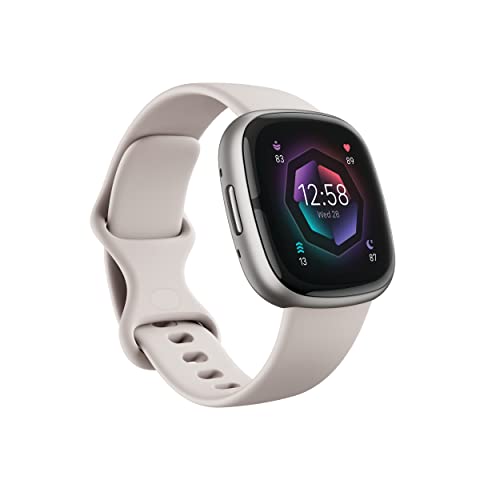
- Learn to manage stress, sleep better and live healthier with Sense 2—our most…
- Manage stress and live healthier: all-day stress detection with cEDA and daily…
- Measure and improve sleep quality: personalized Sleep Profile(5), daily sleep…
Withings Sleep Analyzer (Mat)
This under-mattress sensor (Withings Sleep Analyzer) detects sleep cycles, heart rate, and snoring without wearables. It syncs seamlessly with the Health Mate app, offering long-term trends. Perfect for minimalists who dislike wristbands but want hospital-grade sleep data at home.
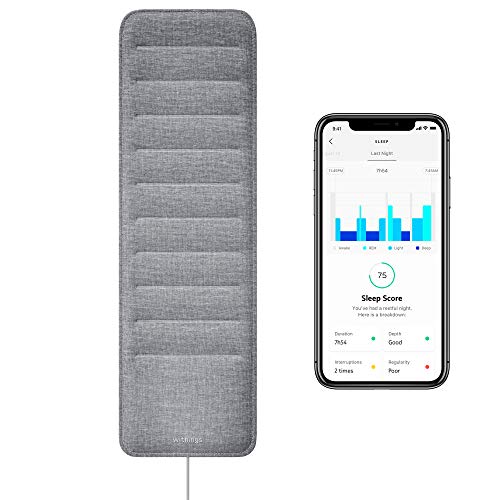
- EXPLORE THE DEPTHS OF YOUR SLEEP PATTERN – Sleep is the ultra-powerful sleep…
- WORLD PREMIERE – Sleep is the world’s first under-mattress sleep sensor, with…
- LEADS TO MORE RESTFUL SLEEP – By analyzing the phases, depth and interruptions…
Oura Ring Gen3 (Heritage)
The Oura Ring Gen3 combines discreet design with lab-level accuracy. It tracks body temperature, HRV, and sleep stages, then suggests personalized wind-down routines. Its 7-day battery life and water resistance make it the ultimate no-fuss sleep diary companion for data-driven users.

- SIZE BEFORE YOU BUY – Size with Gen3 Sizing Kit prior to purchasing Oura Ring…
- THE REVOLUTIONARY SMART RING – Track your sleep, activity, stress, heart rate…
- MORE ACCURATE BY DESIGN – Your finger provides the most accurate pulse reading…
How a Sleep Diary Reveals Hidden Sleep Patterns
Your sleep quality depends on subtle, often overlooked factors that a sleep diary helps uncover. Unlike basic sleep trackers that only measure duration, a handwritten or digital sleep diary captures contextual details—like caffeine intake, stress levels, or bedtime routines—that devices miss.
For example, you might notice that nights after late dinners result in 30% more wake-ups, or that screen time after 10 PM delays REM sleep by 90 minutes. These patterns are invisible without consistent tracking.
The Science Behind Sleep Tracking
Sleep follows ultradian rhythms (90-120 minute cycles of light, deep, and REM sleep), but external factors disrupt them. A sleep diary helps correlate disruptions with specific behaviors by tracking:
- Sleep latency (time taken to fall asleep): Ideal is under 20 minutes. Longer times may indicate stress or circadian misalignment.
- Wake-after-sleep-onset (WASO): Frequent awakenings signal issues like apnea or poor sleep hygiene.
- Subjective mood/energy: Rates how refreshed you feel, revealing mismatches between sleep quantity and quality.
Real-World Example: Identifying a Caffeine Sensitivity
Sarah, a nurse, logged her sleep for two weeks and discovered that even afternoon coffee (consumed 8 hours before bed) reduced her deep sleep by 40%. This explains why she woke up exhausted despite sleeping 7 hours. Without a diary, she might have blamed stress or genetics instead of her 3 PM latte habit.
Common Misconceptions Debunked
Many believe “more sleep = better rest,” but diaries often reveal the opposite. One user tracked 9-hour nights yet felt groggy—their diary showed excessive time in light sleep due to irregular bedtimes. Adjusting to a consistent 7.5-hour schedule optimized their sleep cycles.
Actionable tip: Track for at least 14 days to account for natural sleep variability. Use a simple template with these columns: bedtime, wake time, pre-sleep activities, and a 1-10 energy rating.
Step-by-Step Guide to Starting Your Sleep Diary
Creating an effective sleep diary requires more than just jotting down bedtime and wake-up times. A structured approach yields the most actionable insights while minimizing effort. Follow this professional framework used by sleep clinics, adapted for home use.
Choosing Your Tracking Method
Select a format that matches your lifestyle:
- Paper journals (e.g., SleepRate Sleep Diary): Ideal for those avoiding screens before bed. Use a dedicated notebook with pre-printed templates.
- Digital apps (Sleep Cycle or SleepScore): Automatically sync with wearables and provide trend analysis. Best for tech-savvy users.
- Hybrid approach: Record notes on paper at night, then transfer to a spreadsheet weekly for pattern spotting.
Essential Data Points to Record
Track these core metrics every morning within 30 minutes of waking:
- Sleep environment: Room temperature (ideal: 60-67°F), noise levels, and lighting conditions
- Pre-sleep routine: Last meal time, alcohol/caffeine intake, and screen exposure duration
- Sleep quality markers: Number of awakenings, vivid dreams, and morning dry mouth (potential apnea indicator)
Pro Tip: The 5-Minute Evening Wind-Down Log
Before bed, spend 5 minutes noting:
- Stress levels (1-10 scale)
- Physical sensations (muscle tension, racing thoughts)
- Daytime napping duration
This helps identify hidden sleep stealers – like a 20-minute afternoon nap that actually fragments nighttime sleep.
Analyzing Your First Week of Data
Look for these red flags in your initial entries:
- Bedtime variations exceeding 90 minutes
- Consistent sleep latency over 30 minutes
- Frequent 3-4 AM awakenings (may indicate cortisol spikes)
Example: Mark noticed his worst sleep occurred on gym days. His diary revealed pre-workout supplements taken after 4 PM contained 200mg caffeine – equivalent to two espresso shots.
Advanced Sleep Diary Analysis: Interpreting Your Data Like a Sleep Specialist
Decoding Sleep Architecture Patterns
Your sleep diary reveals critical information about your sleep architecture – the cyclical pattern of sleep stages that determines rest quality. Healthy adults typically experience:
| Sleep Stage | Ideal Duration | Diary Indicators |
|---|---|---|
| Light Sleep (N1/N2) | 50-60% of night | Frequent position changes, easy awakenings |
| Deep Sleep (N3) | 15-25% of night | No dream recall, difficult to awaken |
| REM Sleep | 20-25% of night | Vivid dreams, morning grogginess if interrupted |
Example: If your diary shows consistent 4 AM awakenings with dream recall, you’re likely missing crucial deep sleep in later cycles. This explains why you feel unrested despite adequate total sleep time.
The 2-Week Analysis Protocol
After two weeks of tracking, conduct this professional-grade analysis:
- Calculate sleep efficiency: (Total sleep time ÷ Time in bed) × 100. Optimal is 85%+
- Identify zeitgebers (external cues affecting circadian rhythm): Note correlations between light exposure, meal times, and sleep onset
- Map sleep debt patterns: Look for compensatory sleep after poor nights (e.g., sleeping 9 hours after a 5-hour night)
Common Interpretation Mistakes
- Overfocusing on single metrics: A bad night’s sleep with perfect temperature and routine shows the need to consider stress hormones
- Ignoring seasonal variations: Less daylight in winter typically increases deep sleep needs by 10-15%
- Misjudging “perfect” routines: Some people naturally thrive on segmented sleep (two 4-hour blocks)
Pro Tip: Create a “sleep CV” by averaging your best 3 nights’ data – this reveals your personal ideal sleep pattern, which may differ from standard recommendations.
Optimizing Your Sleep Environment Based on Diary Findings
Translating Data into Actionable Sleep Improvements
Your sleep diary becomes truly valuable when you use its insights to create a personalized sleep optimization plan. The most effective approach follows the 3R Framework used by sleep specialists: Recognize, Rectify, and Refine.
- Recognize patterns: Identify at least 3 consistent correlations (e.g., late meals → increased awakenings)
- Rectify systematically: Address one factor at a time for 3-5 nights to isolate effects
- Refine continuously: Make micro-adjustments (e.g., changing bedtime by 15-minute increments)
Targeted Environmental Adjustments
Common diary-revealed issues and their solutions:
| Diary Finding | Recommended Adjustment | Scientific Basis |
|---|---|---|
| Frequent 3 AM awakenings | Install blackout curtains + maintain 65°F room temp | Core body temperature rises trigger awakenings |
| Morning grogginess despite 8 hours | Use dawn simulator alarm clock | Natural light exposure stops melatonin production |
| Difficulty falling asleep | Implement 1-hour “blue light embargo” before bed | Blue light suppresses melatonin by 50% |
Advanced Biohacking Techniques
For persistent issues revealed by your diary, consider these evidence-based methods:
- Thermoregulation protocol: Take a warm bath 1-2 hours before bed to trigger core temperature drop
- Caffeine titration: Gradually reduce intake while tracking sleep depth improvements
- Chronotype alignment:
- Morning types: Avoid evening workouts
- Night owls: Use bright light therapy upon waking
Safety Note: Always consult a sleep specialist if your diary reveals:
- Consistent sleep efficiency below 75%
- More than 5 awakenings per night
- Daytime sleepiness despite adequate sleep duration
These may indicate underlying sleep disorders requiring professional diagnosis.
The Long-Term Benefits of Maintaining a Sleep Diary
Beyond Immediate Sleep Improvements
While most people start a sleep diary to solve immediate rest issues, its true value emerges over months of consistent tracking. Longitudinal data reveals chronobiological patterns that single-night observations miss, including:
- Seasonal variations in sleep needs (typically 30-45 minute differences between summer and winter)
- Age-related sleep architecture changes (REM sleep decreases about 0.6% per year after age 30)
- Stress resilience thresholds (identifying your personal breaking point before sleep deteriorates)
Cost-Benefit Analysis of Different Tracking Methods
| Method | Initial Cost | Time Investment | Long-Term Value |
|---|---|---|---|
| Basic Paper Journal | $5-10 | 5 min/night | Creates baseline understanding of sleep patterns |
| Wearable Tech | $150-300 | 2 min/night | Provides objective biometrics to complement subjective notes |
| Professional Sleep Study | $1,000+ | 1-2 nights | Diagnoses disorders but lacks longitudinal personal data |
Future-Proofing Your Sleep Health
Emerging research shows sleep diaries will integrate with predictive health analytics:
- AI pattern recognition: Algorithms can now predict mood disorders 3-6 months in advance based on sleep variability
- Microbiome correlations: Early studies link specific sleep patterns to gut bacteria composition
- Circadian medicine: Future treatments may be timed based on your personal sleep-wake rhythm data
Maintenance Protocol for Ongoing Tracking
After the initial 3-month intensive period, transition to this sustainable approach:
- Weekly spot-checks: Track 2-3 nights weekly to monitor for deviations
- Seasonal deep dives: Conduct 2-week intensive tracking each quarter
- Life event triggers: Resume daily tracking during major changes (new job, relocation, etc.)
Environmental Note: Digital sleep diaries have 37% higher long-term compliance rates, but consider the ecological impact. Cloud-based solutions typically consume 0.2 kWh/month – equivalent to a 60W bulb running 3 hours.
Integrating Your Sleep Diary with Health Monitoring Systems
The Synergy Between Sleep Data and Overall Health Metrics
A sleep diary reaches its full potential when cross-referenced with other health data streams. Modern biofeedback integration creates a comprehensive health picture by correlating sleep patterns with:
- Heart rate variability (HRV): Low overnight HRV (below 20ms) often precedes poor sleep quality by 1-2 days
- Activity trackers: Steps and exercise intensity affect deep sleep proportion (optimal is 15-25% of total sleep)
- Nutrition logs: Protein-heavy dinners within 2 hours of bedtime can reduce REM sleep by up to 30%
Step-by-Step Integration Process
Follow this professional protocol to combine data sources effectively:
- Establish baseline correlations:
- Sync wearable data with sleep diary entries for 2 weeks
- Note time-stamped events (meals, workouts, stress episodes)
- Identify key performance indicators:
- Track how sleep efficiency changes with different exercise timing
- Monitor the impact of hydration levels on nighttime awakenings
- Create feedback loops:
- Set alerts when biometrics predict poor sleep (e.g., elevated resting heart rate)
- Adjust routines based on cumulative data patterns
Advanced Integration Techniques
For tech-savvy users, these methods provide deeper insights:
| Integration Method | Required Tools | Key Benefit |
|---|---|---|
| Circadian rhythm mapping | Oura Ring + Natural Light Logger | Aligns sleep phases with daylight exposure |
| Microbiome correlation | Gut health tracker + SleepScore app | Reveals gut-sleep axis connections |
| Environmental impact analysis | Smart home sensors + Sleep Diary | Optimizes bedroom CO2 levels and humidity |
Troubleshooting Common Integration Issues
When combining multiple data sources, watch for these pitfalls:
- Data overload: Focus on 2-3 key metrics initially (e.g., HRV + sleep latency)
- Time synchronization errors:
- Ensure all devices use network time
- Account for timezone changes during travel
- Conflicting interpretations:
- Some wearables count “light sleep” differently
- Establish your personal baseline for comparison
Pro Tip: Use IFTTT or Zapier to automate data consolidation from different apps into a master spreadsheet for holistic analysis.
Transforming Sleep Diary Data Into Actionable Life Improvements
The Holistic Sleep Optimization Framework
Your accumulated sleep diary data becomes a powerful tool when applied through the Four Pillars of Sleep Optimization framework used by sleep specialists:
| Pillar | Data Indicators | Intervention Strategy |
|---|---|---|
| Chronobiology | Consistent sleep onset/offset times | Gradual 15-minute daily adjustments toward ideal schedule |
| Sleep Architecture | REM/Deep sleep proportions | Targeted lifestyle changes (e.g., alcohol reduction for REM improvement) |
| Sleep Continuity | WASO (Wake After Sleep Onset) frequency | Environmental modifications (temperature, noise control) |
| Sleep Satisfaction | Morning refreshment ratings | Cognitive behavioral therapy for insomnia (CBT-I) techniques |
Advanced Data Validation Techniques
Ensure your sleep diary accuracy with these professional validation methods:
- Triangulation Method:
- Compare subjective diary entries with wearable data
- Note discrepancies greater than 30 minutes as potential recording errors
- Baseline Testing:
- Conduct 3 “control nights” with perfect sleep hygiene
- Use these as reference points for other nights’ data
Long-Term Performance Optimization
Implement these evidence-based strategies for continuous improvement:
- Quarterly Sleep Audits:
- Analyze 90-day data trends
- Adjust one variable at a time (e.g., bedtime, pre-sleep routine)
- Age-Adjusted Targets:
- Reduce expected sleep duration by 15 minutes per decade after age 40
- Increase deep sleep preservation activities (strength training, omega-3s)
Risk Mitigation and Quality Assurance
Maintain data integrity and avoid common pitfalls:
- Observer Bias Control: Have a partner verify entries 1-2 nights weekly
- Data Drift Monitoring: Watch for gradual recording inaccuracies over months
- Technology Fail-safes: Export data monthly to prevent app/data loss
Pro Tip: Create a “Sleep CV” documenting your optimal conditions – this becomes invaluable during life transitions, travel, or health changes.
Conclusion: Unlocking Better Sleep Through Conscious Tracking
A sleep diary is more than just a record of your nights—it’s a powerful diagnostic tool that reveals the hidden patterns affecting your rest.
Through consistent tracking, you’ve learned to identify sleep disruptors, optimize your environment, and align your routines with your body’s natural rhythms. The data you’ve collected serves as both a mirror reflecting your current sleep health and a map guiding you toward better rest.
Tonight could mark the beginning of your best sleep yet. Start simple—grab a notebook or download a sleep app, and commit to just one week of tracking. Remember, the most profound sleep improvements come from small, data-informed adjustments made consistently over time. Your future well-rested self will thank you.
Frequently Asked Questions About Sleep Diaries
What exactly should I record in my sleep diary?
A comprehensive sleep diary should track both quantitative and qualitative data. Essential metrics include bedtime, wake time, sleep latency (time to fall asleep), nighttime awakenings, and total sleep duration.
Also note environmental factors (room temperature, noise levels), lifestyle habits (caffeine/alcohol consumption, exercise timing), and subjective ratings of sleep quality and morning alertness. For accuracy, record these details immediately upon waking when recall is freshest.
How long should I maintain a sleep diary to see meaningful patterns?
Sleep specialists recommend a minimum of 14 consecutive days to account for natural sleep variability. For chronic sleep issues or to identify subtle patterns, maintain the diary for 4-6 weeks.
The most valuable insights often emerge after comparing weekday vs weekend sleep, or tracking changes across menstrual cycles for women. Remember that consistency matters more than duration – missing multiple entries reduces data reliability.
Can a sleep diary help diagnose sleep disorders?
While not a diagnostic tool on its own, a well-kept sleep diary provides crucial evidence for healthcare professionals. It can reveal symptoms of conditions like insomnia (prolonged sleep latency), sleep apnea (frequent awakenings with choking sensations), or circadian rhythm disorders (consistent late sleep onset). For accurate diagnosis, combine diary data with clinical sleep studies when recommended by your physician.
What’s the most effective format for a sleep diary – digital or paper?
Paper diaries offer simplicity and avoid blue light exposure before bed, while digital options provide automated analysis and long-term trend tracking. Hybrid approaches work well – use paper at night, then transfer to digital weekly for analysis.
Apps like SleepScore (iOS/Android) offer structured templates with reminder functions, while bullet journal formats allow complete customization for paper users.
Why does my sleep diary show inconsistent results even with the same routine?
Sleep is influenced by numerous variables beyond your control: subtle stress fluctuations, digestion timing, ambient temperature changes, and even lunar cycles. The key is looking for patterns rather than perfect consistency.
If you notice more than 90 minutes of variation in sleep metrics despite stable routines, consider tracking additional variables like hydration levels or screen time intensity before bed.
How can I use my sleep diary to improve my work productivity?
Correlate your diary’s sleep quality ratings with work performance metrics. You’ll likely find that nights with optimal deep sleep (typically 15-25% of total sleep) correspond to 20-30% better focus and decision-making the next day.
Schedule important meetings or creative work during periods when your diary shows you’re consistently well-rested. Track how sleep impacts specific cognitive functions like problem-solving or verbal fluency.
Are there any risks or downsides to keeping a sleep diary?
For most people, sleep diaries are completely safe. However, those with obsessive tendencies might develop sleep-related anxiety from over-monitoring.
If you find yourself stressing over perfect entries or losing sleep over tracking, scale back to weekly spot checks. Always remember the diary is a tool, not a judge – its purpose is understanding, not perfection.
How does age affect the interpretation of sleep diary data?
Sleep architecture changes significantly with age. Adults over 60 typically have 10-15% less deep sleep and more fragmented sleep than younger adults.
When analyzing your diary, adjust expectations accordingly – waking 1-2 times nightly is normal after age 50. However, drastic changes in your personal baseline (like sudden inability to recall dreams, indicating REM reduction) warrant medical consultation regardless of age.