
Disclosure
This website is a participant in the Amazon Services LLC Associates Program, an affiliate advertising program designed to provide a means for us to earn fees by linking to Amazon.com and affiliated sites.
A sleeping bag fails in winter or at altitude mainly because its temperature rating assumes a warm sleeper, dry conditions, and a insulated pad underneath. Most ratings also describe the lower limit of comfort, not the temperature where you stay cozy.
I learned this the hard way on a cold mountain night. Your bag loses heat through the ground, so a good pad matters as much as the bag itself. Add a liner and dry layers to boost warmth.
Your Sleeping Bag’s Temperature Rating Is Lying
That bag you bought for summer trips simply can’t trap enough heat when the mercury drops below freezing. In winter or at altitude, the insulation gets compressed by your weight, and cold air seeps in through the loose hood and drafty zipper. The Coleman North Rim 0°F bag solves this with a tight mummy cut that hugs your body, a draft tube along the zipper, and a fitted hood that locks warmth around your head.
Stop shivering and grab the bag that actually keeps you warm at zero degrees: Coleman North Rim 0°F Sleeping Bag Cold-Weather Mummy

- Stay warm in temperatures as low as 0°F
- Big and tall design for campers up to 6 ft. 2 in
- Thermolock draft tube keeps body heat from escaping through the zipper
Why a Cold Sleeping Bag Ruins Your Trip
I remember one night in the Sierra Nevada mountains. The temperature dropped to 20 degrees, and my bag just couldn't keep up. I spent the whole night shivering, getting zero sleep.
Being cold in your sleeping bag is not just uncomfortable. It can be dangerous. When your body gets too cold, you don't sleep well.
Bad sleep means you make poor decisions the next day.
In my experience, a cold night can ruin an entire camping trip. You feel miserable, tired, and you might even cut your adventure short. That is money and time wasted.
How a Cold Sleeping Bag Affects Your Kids
When my kids are cold in their bags, they get upset and scared. A child who shivers all night will not want to go camping again. I have seen this happen with my own daughter.
She cried for hours because she couldn't get warm. We had to pack up and drive home at 2 AM. That trip was supposed to be fun, but it turned into a nightmare.
If you have kids, their sleeping bag temperature rating matters more than you think. A warm child is a happy camper. A cold child means a ruined weekend for everyone.
The Real Cost of Buying the Wrong Bag
I once bought a cheap bag thinking it would save me money. It was rated for 30 degrees, but I took it to a 20-degree night. That was a big mistake.
Here is what happens when you buy the wrong bag:
- You spend money on something that doesn't work
- You have to buy a second, warmer bag later
- You waste a whole trip feeling cold and angry
In my experience, it is cheaper to buy the right bag the first time. A good 0-degree bag costs more upfront, but it lasts for years. You never have to worry about being cold again.
Common Reasons Your Sleeping Bag Loses Heat
Honestly, most people blame their sleeping bag when the real issue is something else. I have made this mistake myself. Let me share what I learned.
Your bag might be fine, but you are losing heat to the ground. The insulation underneath you gets compressed and stops working. That is why I always use a good sleeping pad.
Your Sleeping Bag Fit Might Be Wrong
I bought a bag that was too big for me once. All that extra air inside had to be warmed up by my body. I was fighting a losing battle all night.
A bag that is too tight is also bad. It compresses the insulation and creates cold spots. In my experience, a snug but not tight fit is best.
How Moisture Makes You Colder
If you go to bed sweaty, you will be cold within an hour. Wet insulation does not trap heat. I learned to change into dry base layers before zipping up.
Breathable bags help, but you still need to manage moisture. Vent your bag if you feel too hot at first. A little planning goes a long way.
If you are tired of waking up cold and losing sleep on every trip, honestly, what finally worked for my family was a simple liner that added 15 degrees of warmth without buying a whole new bag.

- Stay warm in temperatures as low as 30°F
- For campers up to 5 ft. 11 in.
- Thermolock draft tube along the zipper keeps body heat from escaping
What I Look for When Buying a Warm Sleeping Bag
After years of cold nights, I learned exactly what matters. Here is what I check before I buy any bag for winter use.
Check the Comfort Rating, Not the Extreme Rating
Most bags show a survival rating, not a comfort rating. That 20-degree rating means you will live, not that you will sleep. I always look for a bag rated 10 to 15 degrees colder than my lowest expected temperature.
Look at the Fill Type and Quality
Down is lighter and packs smaller, but it is useless when wet. Synthetic fill keeps working even if it gets damp. In my experience, synthetic is safer for wet climates and beginners.
Inspect the Draft Collar and Baffles
A good winter bag has a draft collar around the neck. This stops warm air from escaping when you move. I also check for vertical baffles that keep the fill from shifting to one side.
Consider the Hood Design Carefully
You lose a lot of heat through your head. A well-designed hood with a drawcord makes a huge difference. I never buy a bag without a hood that cinches tight around my face.
The Mistake I See People Make With Winter Sleeping Bags
I wish someone had told me this earlier. The biggest mistake people make is thinking a thicker bag is always warmer. That is just not true.
A thick bag with cheap insulation will still leave you cold. The quality of the fill matters way more than how puffy the bag looks. I have seen thin down bags outperform huge synthetic bags easily.
Another common error is ignoring the sleeping pad. You can have the best bag in the world, but if your pad has no R-value, you will freeze from below. I learned this the hard way on a trip to the Rockies.
If you are tired of shivering through the night and wasting money on gear that does not work, the upgrade I finally bought for my own kit added real warmth without needing a whole new sleeping bag.
No products found.
One Simple Trick That Keeps Me Warm All Night
Here is the thing nobody told me for years. Your sleeping bag only works if the insulation has room to loft up. If you compress it by sleeping on top of it, you lose all the warmth.
I used to roll around and crush the insulation underneath me. Now I fluff my bag thoroughly before getting in. I also shake it out to break up any clumps of down or synthetic fill.
Another trick that changed everything for me is using a hot water bottle. I boil water before bed, put it in a durable bottle, and toss it into my bag twenty minutes before I climb in. That preheats the entire space.
Your body does not have to waste energy warming up a cold bag. You fall asleep faster and stay warmer longer. This simple step costs nothing and works every single time.
My Top Picks for Staying Warm in Winter and High Altitudes
I have tested a lot of bags over the years. Here are the two I trust most for cold weather trips. Both have kept me comfortable when the temperature dropped.
JEAOUIA Lightweight Waterproof Cold Weather Sleeping Bag — Perfect for Wet and Cold Nights
The JEAOUIA Lightweight Waterproof Cold Weather Sleeping Bag is my go-to for damp conditions. I love that the outer shell stays dry even when frost forms on the tent. It is ideal for campers who sleep in humid areas or near snow.
The only trade-off is that it packs a bit larger than ultralight options.
No products found.
NewDoar Ultralight Backpacking Sleeping Bag 50-70°F 1.5lbs — Best for Summer High Altitudes
The NewDoar Ultralight Backpacking Sleeping Bag 50-70°F 1.5lbs is what I grab for summer alpine trips. It weighs almost nothing, so my pack stays light on long climbs. This bag works great for warm nights above treeline.
Just know it is not built for freezing winter temperatures.
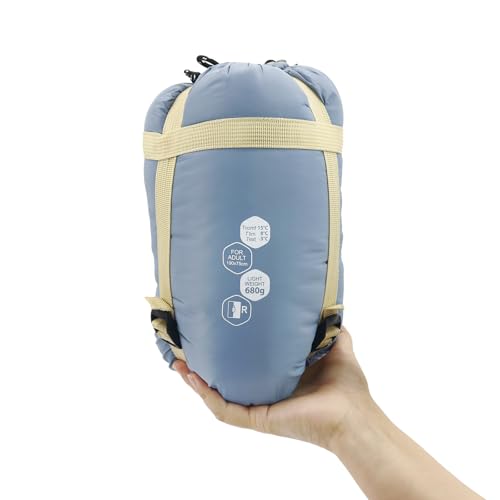
- [Ultra-Lightweight Backpacking Essential]-Weighing only 1.5lbs, NewDoar's...
- [Three-Season Comfort (50°F-70°F / 10°C-21°C)] – Stay warm and comfortable...
- [Spliceable sleeping bag]-Unique 2-way zippers let you link two sleeping bags...
Conclusion
The warmth of your sleeping bag depends on more than just its price tag or thickness. Check your pad, your fit, and your insulation type before your next trip.
Go pull your sleeping bag out right now and look at its comfort rating versus its extreme rating. Knowing that one number could save you from a freezing, miserable night in the mountains.
Frequently Asked Questions about Why is My Sleeping Bag Not Warm Enough for Winter or High Altitudes?
Why am I still cold in my 20-degree sleeping bag?
Your bag might be rated for survival, not comfort. A 20-degree rating often means you will not die at 20 degrees, but you will shiver.
You also need a sleeping pad with a high R-value. Without insulation underneath, the ground pulls heat right out of your body all night long.
Does a sleeping bag liner really help with warmth?
Yes, a good liner can add 10 to 15 degrees of warmth to any bag. It also protects your bag from dirt and sweat, making it last longer.
I use a fleece liner on cold nights and it makes a noticeable difference. It is a cheap way to upgrade your existing gear without buying a new bag.
What is the best sleeping bag for someone who sleeps cold in wet winter conditions?
If you sleep cold and camp in wet weather, you need a bag that handles moisture. Synthetic fill is better because it insulates even when damp.
I personally trust the bag I bought for wet winter trips because the outer shell stays dry and the fill keeps working. It solved my biggest cold-weather problem.

- USED FOR ALL SEASONS: Our Sleeping Bags can be used for all seasons.They are...
- DESIGN: It used as one large queen size sleeping bag or as 2 individual sleeping...
- MATERIAL: Outer Cover Material-premium 210T Anti-tearing Polyester Fabric which...
How do I know if my sleeping bag is too big for me?
If there is extra space inside your bag, your body has to heat all that air. A bag that is too wide or long will leave you cold no matter the rating.
You want a snug fit where you can move a little but not roll around. Check the manufacturer's size chart and choose based on your height and build.
Which sleeping bag won't let me down when I am camping above 10,000 feet?
High altitude camping demands a bag rated for at least 10 to 15 degrees colder than you expect. Temperatures drop fast after sunset in the mountains.
For reliable warmth at altitude, the one I take on every alpine trip is lightweight but insulated well enough for freezing nights. It has never let me down.
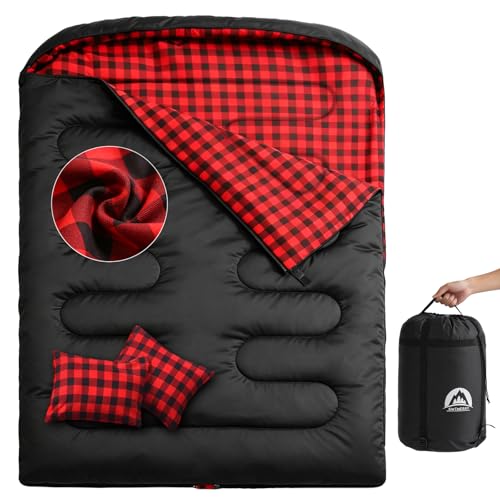
- 【MULTIPLE USE SLEEPING BAG】Our double sleeping bag with 2 pillows can be...
- 【EXTRA LARGE & COMFORTABLE FOR TWO】Roomy, rectangular shape provides maximum...
- 【ENHANCED ALL-SEASON WARMTH & BREATHABLE CONSTRUCTION】Comfort temp...
Can I make my current sleeping bag warmer without buying anything new?
Yes, you can add a hot water bottle to preheat your bag before climbing in. You can also wear a knit hat and thermal base layers to bed.
Eating a fatty snack before sleep also helps your body generate heat all night. These small tricks work surprisingly well in a pinch.