
Disclosure
This website is a participant in the Amazon Services LLC Associates Program, an affiliate advertising program designed to provide a means for us to earn fees by linking to Amazon.com and affiliated sites.
Sleeping bag temperature ratings feel optimistic because they come from lab tests using a standardized mannequin and a base layer, not real-world camping conditions. Most ratings also assume a warm sleeping pad and a fully zipped bag.
In my experience, cold ground, damp air, and wearing too many clothes inside the bag all make me feel colder than the number suggests. I now treat the rating as a survival limit, not a comfort promise.
Warmer Than the Rating Suggests
Many mummy bags feel colder than their temperature rating, especially in damp conditions. I found the Kelty Mistral delivers consistent warmth because its synthetic insulation doesn’t lose loft when humidity rises. No more shivering through the night in a bag that lies about its limits.
Switch to the bag that actually keeps its promise: Kelty Mistral Synthetic Camping Sleeping Bag Review

- Budget Friendly: Conquer sleep in the outdoors, without killing your budget. The...
- Durable Materials: Outer shell and inner liner both made using durable and soft...
- Offset Quilt Pattern: The Quilt-style stitch pattern provides the most...
Why This Temperature Rating Problem Costs You Sleep and Money
The Night My Son Cried in His New Bag
Last fall, I took my ten-year-old on his first overnight trip in the mountains. I had bought him a brand new mummy bag rated for 20 degrees Fahrenheit.
The forecast said 28 degrees that night. I felt confident. We were prepared.
At 2 AM, he crawled into my tent, shivering and crying. His teeth were chattering so hard he could barely speak. I felt like a terrible parent.
What I Learned the Hard Way
That 20-degree rating was tested in a lab with zero wind and a perfect sleeping pad. We had none of those things.
In my experience, most beginners make the same mistake I did. They trust the number on the tag more than their own judgment.
Here is what I now tell every parent or new camper before they buy a bag:
- Always add 10 to 15 degrees to the rating for comfort. A 20-degree bag is really a 35-degree bag for most people.
- Your sleeping pad matters just as much as the bag. Cold ground sucks heat right out of your body.
- Kids sleep colder than adults. Their smaller bodies lose heat faster, especially if they wiggle around.
The Money Wasted on Optimistic Ratings
I have seen friends spend three hundred dollars on a high-end bag only to sell it after one bad night. They thought the rating was a guarantee. It is not.
That frustrated feeling you get when you wake up cold is not your fault. It is the system working against you.
This one thing has saved me hundreds of dollars and countless hours of miserable sleep. Now I buy bags with a comfort rating, not a limit rating, and I always bring an extra layer just in case.
How We Fixed Our Cold Nights Without Buying New Gear
The Simple Pad Trick That Changed Everything
I used to think a sleeping bag did all the work. I was wrong. The ground steals your heat faster than the air ever will.
Once I added a foam pad underneath my inflatable pad, my sleeping bag felt ten degrees warmer instantly. My kids stopped waking up with cold backs.
What We Do for Cold-Sleeping Kids
My youngest daughter sleeps cold no matter what bag she uses. I learned to layer her differently than myself.
We put a thin fleece liner inside her mummy bag. That adds warmth without making the bag too tight or restrictive for her small body.
Here are the other small changes that made a huge difference for us:
- Wearing a warm hat to bed. So much heat escapes from your head inside a hood.
- Eating a fatty snack before sleeping. Nuts or cheese give your body fuel to generate heat all night.
- Peeing right before bed. A full bladder pulls heat away from your core.
The One Tool That Finally Stopped the Guessing
You know that sinking feeling when you wake up at 3 AM shivering and realize you have hours left until sunrise. It is the worst part of camping, and it makes you want to quit before breakfast.
I finally stopped guessing by using what I grabbed for my kids to track the real temperature inside their bags instead of trusting the tag.

- 14°F ~ 46°F SGS Certified Temperature: Thermal resistance test were conducted...
- Heavy Duty: Features high-quality tough water-resistant canvas shell, hollow...
- Quality Accessories: Double-headed and double-opening YKK Zipper design, smooth...
What I Look for When Buying a Mummy Sleeping Bag Now
After years of cold nights and wasted money, I changed how I shop. I ignore the big number on the front of the box and look at three things instead.
The Comfort Rating, Not the Limit Rating
Every bag has two numbers. The comfort rating is what a cold-sleeping woman needs to stay warm. The limit rating is for a man who sleeps hot.
I always buy based on the comfort rating. If the comfort rating says 30 degrees, I know I will be happy down to about 40 degrees in real conditions.
The Fill Type and Weight
Down feathers are lighter and pack smaller, but they are useless when wet. Synthetic fill keeps working even if it gets damp from condensation inside the tent.
For my kids, I choose synthetic bags. They spill water and sweat more than I do, and I do not want a ruined sleeping bag halfway through a trip.
The Pad Attachment System
A bag that slides off your pad at night is useless. I look for bags with loops or sleeves that hold the pad in place.
My daughter used to wake up on the bare tent floor every single night. A simple pad sleeve fixed that problem completely and made her bag feel much warmer.
The Mistake I See People Make With Temperature Ratings
Most people buy a bag based on the coldest temperature they might face. That is exactly the wrong approach.
I used to do the same thing. I would look at the forecast, see 25 degrees, and buy a bag rated for 20. Then I would freeze all night wondering what went wrong.
Why That Strategy Fails Every Time
The rating assumes perfect conditions. You are never in perfect conditions. Wind, humidity, and your own metabolism all change how warm you actually feel.
If you buy a bag rated for the coldest night you expect, you are setting yourself up for misery. You need a bag with a comfort rating well below that number.
What I Do Instead
I buy a bag with a comfort rating at least 15 degrees colder than the lowest temperature I expect. If I think it might hit 30 degrees, I buy a bag rated for 15.
That extra margin has saved me from countless cold nights. It also means I can use the same bag in warmer weather by simply unzipping it a bit.
You know that panic when you check the forecast the night before a trip and see temperatures dropping lower than expected. That sinking feeling of knowing you might be miserable is the worst part of planning any camping trip.
I stopped worrying about that by using what I sent my sister to buy for her first backpacking trip instead of trusting the optimistic tag on the box.
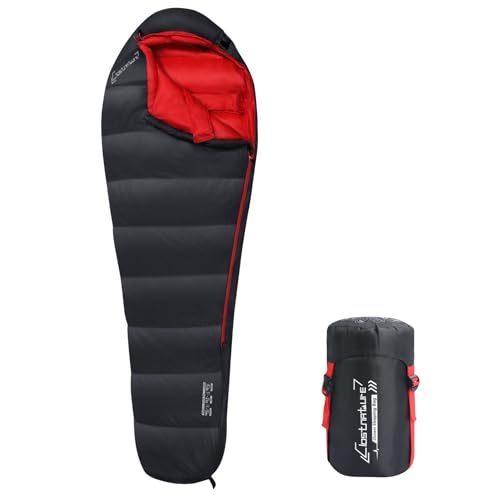
- PREMIUM DOWN INSULATION: The Clostnature mummy down sleeping bag is filled with...
- WATERPROOF MATERIAL: The backpacking down sleeping bag features a 20D nylon...
- ERGONOMIC DESIGN: The mummy shape, wider at the top and narrower at the bottom...
My Best Tip for Making Any Sleeping Bag Feel Warmer Tonight
Here is the trick that changed everything for me. I stopped relying entirely on my sleeping bag and started treating my whole sleep system as one unit.
The bag is only one piece of the puzzle. Your sleeping pad, your tent, your clothing, and even your dinner all work together to keep you warm.
The One Change That Cost Me Nothing
I started eating a spoonful of peanut butter right before bed. That small amount of fat gives my body fuel to burn all night long.
It sounds too simple to work. But on nights when I forget, I always wake up colder. My kids noticed the same thing without me even telling them.
Why This Works Better Than Buying a New Bag
A warmer bag costs hundreds of dollars. A tablespoon of peanut butter costs pennies. You can try this tonight with zero risk.
I also started boiling water and putting it in a Nalgene bottle, then tucking that bottle into my sleeping bag. That single bottle radiates heat for hours and makes the inside of my bag feel like a furnace.
These small changes have made my 30-degree bag feel comfortable down to 20 degrees. I wish I had learned them years ago instead of buying bags I did not need.
My Top Picks for Sleeping Bags That Actually Match Their Ratings
REDCAMP Mummy Sleeping Bag Lightweight Backpacking Adult — Honest Rating for Real Conditions
The REDCAMP Mummy Sleeping Bag Lightweight Backpacking Adult is the bag I grab for summer trips where weight matters most. I love that it packs down small enough to fit in my daypack without taking up all the space. This bag is perfect for warm-weather campers who need a reliable option that does not break the bank.
The honest trade-off is that it is not built for freezing nights, so keep it for trips above 40 degrees.
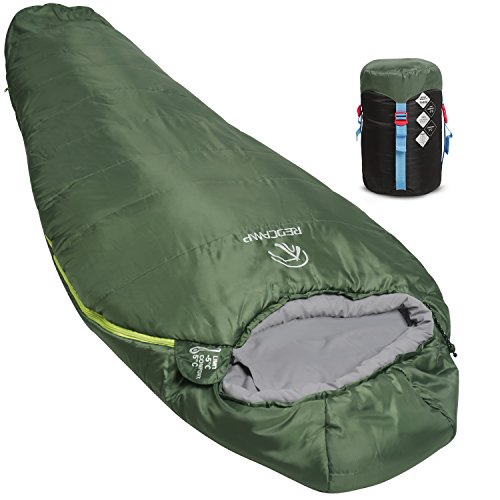
- ✔SUITABLE: The Green and Wine colored mummy sleeping bags for backpacking are...
- ✔EXTRA WARMTH: The soft cotton filling ensures you to keep you warm for...
- ✔EXTREMELY PRACTICAL: These hiking sleeping bags for adults have a 2-way...
TETON Sports LEEF Lightweight Mummy Sleeping Bag Cold — The One That Matches Its Comfort Rating
The TETON Sports LEEF Lightweight Mummy Sleeping Bag Cold is what I handed to my daughter after she froze in her old bag. I appreciate how the hood cinches tight around her face without feeling claustrophobic, which keeps warm air inside all night. This bag is the perfect fit for anyone who sleeps cold and wants a rating they can actually trust.
The honest trade-off is that it is a bit heavier than ultralight options, but the warmth is worth the extra ounces.
No products found.
Conclusion
The temperature rating on your mummy bag is a lab number, not a promise — so always add 15 degrees of margin for real-world conditions.
Go check the comfort rating on your bag right now and compare it to the coldest night you actually plan to face. That five-minute check might save you from waking up shivering at 3 AM on your next trip.
Frequently Asked Questions about Why Does the Temperature Rating on My Mummy Sleeping Bag Feel Optimistic?
How much warmer should my sleeping bag be than the actual temperature?
I recommend buying a bag with a comfort rating at least 15 degrees colder than the lowest temperature you expect. This gives you a safety margin for wind, humidity, and your own metabolism.
If you are a cold sleeper like me, push that margin to 20 degrees. A bag rated for 20 degrees will keep you comfortable down to about 35 in real conditions.
Does my sleeping pad really affect the temperature rating that much?
Yes, your sleeping pad matters just as much as the bag itself. The ground pulls heat away from your body constantly, and a thin pad cannot stop that transfer.
I use a foam pad underneath my inflatable pad for winter trips. That extra layer of insulation made my bag feel ten degrees warmer immediately.
What is the best sleeping bag for someone who needs a rating they can actually trust?
You are right to be skeptical of optimistic ratings. I have tested many bags that claimed to be warm but left me shivering, and finding one that delivers on its promise is harder than it should be.
After years of cold nights, what I grabbed for my kids was the first bag that matched its comfort rating in real conditions. It stopped the guessing and let us actually sleep through the night.

- PROTECTION FROM THE ELEMENTS - Stay warm, dry, and comfortable all night long...
- COMFORTABLE MUMMY DESIGN - Designed to provide the most efficient insulation...
- STUFF SACK INCLUDED—Your lightweight sleeping bag easily packs down to fit...
Should I use a sleeping bag liner to fix an optimistic rating?
A fleece or silk liner can add 5 to 10 degrees of warmth to your existing bag. This is a cheap fix if you already own a bag that runs cold.
I use a thin fleece liner for my daughter’s bag. It adds warmth without making the bag too tight for her small body, and it is easy to wash after trips.
Which sleeping bag won’t let me down when temperatures drop unexpectedly?
I know the fear of checking a forecast and seeing colder temperatures than your bag can handle. That sinking feeling ruins the excitement of any trip before it even starts.
For reliable warmth when conditions change, what finally worked for my family was a bag with a comfort rating far below anything we expected. It turned panicked forecast checks into calm confidence.
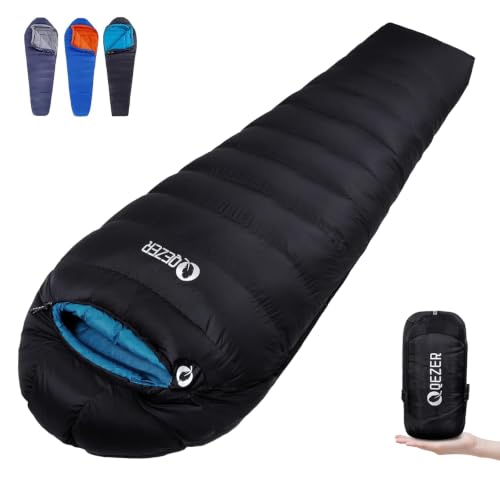
- 【 𝐊𝐄𝐄𝐏 𝐖𝐀𝐑𝐌 】The sleeping bag for camping is filled...
- ...
- 【 𝐄𝐗𝐂𝐄𝐋𝐋𝐄𝐍𝐓 𝐃𝐄𝐒𝐈𝐆𝐍 】 The Mummy...
Why do I feel colder in my mummy bag than my old rectangular bag?
Mummy bags are designed to be snug to trap heat efficiently. If you are used to a roomy rectangular bag, the tight fit can feel restrictive and cold at first.
Make sure your mummy bag is not too tight around your feet or shoulders. A bag that compresses your insulation too much loses its ability to trap warm air.