
Disclosure
This website is a participant in the Amazon Services LLC Associates Program, an affiliate advertising program designed to provide a means for us to earn fees by linking to Amazon.com and affiliated sites.
A sleeping bag feels thin because its insulation is measured by loft and fill power, not by how thick the fabric looks. Budget bags often use less down or synthetic fill to keep the packed size small.
I learned this the hard way on a cold night. Now I check the temperature rating and fill weight before I buy, not just how puffy the bag looks.
Fix Thin Insulation for Good
That flimsy bag leaves you shivering on chilly nights, ruining outdoor trips. The YANLIFY Lightweight 3-Season Waterproof Sleeping Bag packs thick, reliable insulation that traps warmth without adding bulk. Its waterproof shell keeps damp ground moisture out, so you stay dry and comfortable all night.
Stop freezing and grab the YANLIFY Lightweight 3-Season Waterproof Sleeping Bag to finally get the warmth your old bag couldn’t deliver.
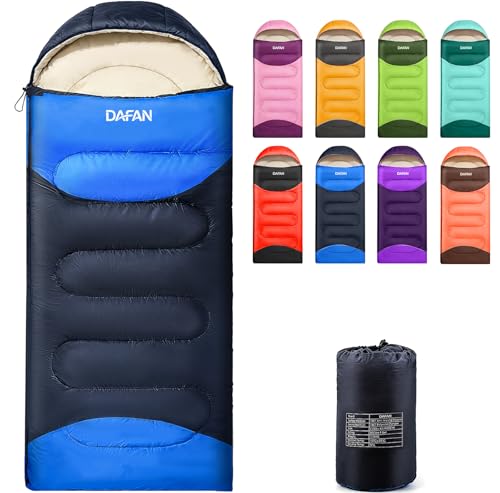
- ⛰️【3-Season Comfort & Versatile Outdoor Use】Engineered for spring...
- ⛰️【Spacious Envelope Design & Thoughtful Details】This envelope-style...
- ⛰️【Ultra-Compact Fold & Effortless Portability】With a generous size of...
Why Thin Sleeping Bag Insulation Ruins Your Night Outdoors
That Cold Night I Will Never Forget
I remember the first time I took a cheap sleeping bag camping in the mountains. The temperature dropped to 40 degrees, and I spent the whole night shivering inside my tent.
My bag looked fine in the store, but the thin material could not trap any body heat. I learned the hard way that insulation thickness matters more than the bag’s color or brand name.
How This Problem Hurts Your Whole Trip
When your sleeping bag has insufficient insulation, you do not sleep well. Poor sleep makes you grumpy, tired, and less safe during daytime hikes.
In my experience, a bad night in a thin bag can ruin a weekend camping trip for everyone. My kids once woke up crying because they were too cold to fall back asleep.
Signs Your Sleeping Bag Insulation Is Not Enough
- You feel cold spots on your back or sides while lying down
- The bag compresses flat when you zip it up with no loft remaining
- You wake up shivering even when temperatures are above freezing
- The material feels like a thin blanket instead of a puffy cocoon
If any of these sound familiar, your bag likely has poor quality fill. Do not trust a store tag that says “three season” if the bag feels flimsy in your hands.
What I Check First When Sleeping Bag Insulation Feels Too Thin
Look at the Fill Weight, Not Just the Temperature Rating
I used to only check the temperature rating on the tag. That was a mistake because cheap bags often lie about how warm they really are.
The fill weight tells you how much insulation is actually inside the bag. A bag rated for 20 degrees with only 12 ounces of fill will never keep you warm.
Check the Loft Before You Buy
Loft is the fluffiness of the bag when it is unrolled and shaken out. More loft means more trapped air, which means more warmth for your body.
In my experience, a bag with poor loft will flatten out under your weight. I always unzip the bag completely and let it sit for five minutes before judging it.
What To Do If Your Bag Is Already Too Thin
- Use a sleeping bag liner to add 10 to 15 degrees of warmth
- Wear thermal base layers and a hat inside the bag
- Put a foam pad underneath to block ground cold
- Layer a blanket on top of the bag for extra insulation
You are tired of waking up cold and wondering if your gear is the problem. I have been there too, and what finally worked was getting a bag with real fill that actually traps heat.
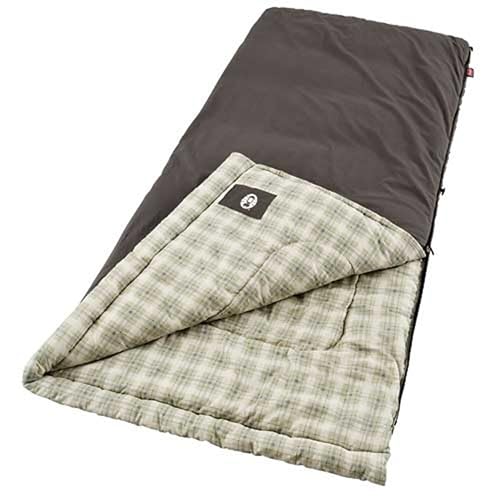
- WINTER-READY: This 4-season sleeping bag, the Coleman Big & Tall, serves as a...
- OPTIMUM INSULATION: As a cold-weather sleeping bag for adults, it's filled with...
- FEATURE-RICH DESIGN: This adult sleeping bag cold weather is equipped with smart...
What I Look for When Buying a Sleeping Bag That Actually Keeps You Warm
After years of testing bags with my family, I stopped trusting fancy labels and started checking three simple things. Here is what I tell every friend who asks me for advice.
Fill Type: Down Versus Synthetic
Down insulation is lighter and packs smaller, but it fails completely when wet. Synthetic fill costs less and still works if the bag gets damp from rain or sweat.
For car camping with my kids, I choose synthetic because it is more forgiving. For backpacking trips, I spend extra on quality down to save weight in my pack.
Draft Collars and Zipper Baffles
A draft collar is a tube of insulation that wraps around your neck inside the bag. Without one, heat escapes every time you shift in your sleep.
I also check for a zipper baffle, which is a strip of fabric behind the zipper. My first bag did not have one, and I felt cold air leaking in all night long.
Shape and Fit for Your Body Type
Mummy bags are warmest because they hug your body with less empty space. Rectangular bags are roomier but let cold air circulate around you.
I buy mummy bags for myself but rectangular bags for my kids who move around a lot. A bag that is too big will never keep you warm no matter how good the fill is.
The Mistake I See People Make With Thin Sleeping Bag Insulation
I see people buy a bag based on the temperature rating alone without ever touching the fabric. They assume a 20-degree bag will keep them warm at 20 degrees, but that is not how it works.
The temperature rating is tested in a lab with a sleeping pad, dry clothes, and a tent. In real life, wind, moisture, and ground cold make that bag feel 10 to 15 degrees colder than the tag says.
You are tired of guessing whether your gear will work and ending up cold anyway. I wish someone had told me to stop trusting ratings and start checking the actual fill, because what finally worked for my family was a bag built for real conditions.
No products found.
One Simple Test That Tells You If Your Sleeping Bag Will Be Warm Enough
I learned a trick from an old backpacker that changed how I judge every sleeping bag. You can do this test right now with the bag you already own.
Lay your sleeping bag flat on the floor and unzip it completely. Fold it in half lengthwise and press down firmly with your hand for five seconds.
When you lift your hand, watch how fast the bag springs back to its original shape. If it stays flat or takes more than a few seconds to puff up, the insulation is too thin to keep you warm.
This test works because good insulation needs loft to trap body heat. A bag that stays flattened under pressure has lost its ability to hold warm air against your body.
I check every bag this way before buying, and it has saved me from wasting money on cheap fill more than once. The fluff test never lies, even when the price tag does.
My Top Picks for Sleeping Bags That Actually Have Enough Insulation
NewDoar Ultralight Backpacking Sleeping Bag 50-70°F 1.5lbs — Perfect for Warm Weather and Saving Weight
The NewDoar Ultralight is the bag I grab for summer trips when I want to pack light. It weighs only 1.5 pounds and compresses small enough to fit in my daypack. This bag is ideal for warm nights above 50 degrees, but it will not keep you warm in cold weather.
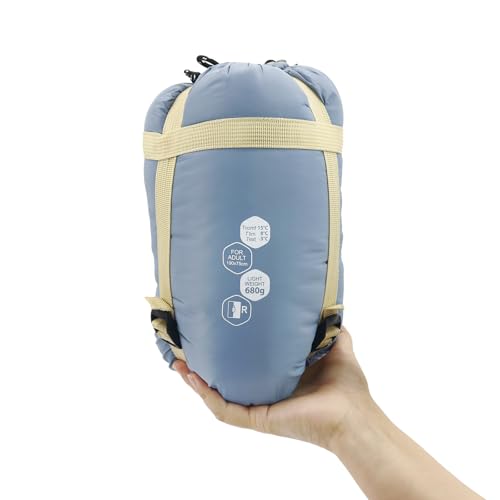
- [Ultra-Lightweight Backpacking Essential]-Weighing only 1.5lbs, NewDoar's...
- [Three-Season Comfort (50°F-70°F / 10°C-21°C)] – Stay warm and comfortable...
- [Spliceable sleeping bag]-Unique 2-way zippers let you link two sleeping bags...
TETON Sports Celsius Regular 25F Sleeping Bag — The Budget Bag That Actually Keeps You Warm
The TETON Sports Celsius is what I recommend to anyone who wants real insulation without spending a fortune. It has thick synthetic fill that stays fluffy even after years of use, and the draft collar blocks cold air from sneaking in. The trade-off is that it is heavier and bulkier than premium bags, but for car camping it is unbeatable.
No products found.
Conclusion
The real secret to a warm night outdoors is not the temperature rating on the tag, but the quality and loft of the insulation inside your bag. Go unzip your sleeping bag right now and press your hand into it for five seconds to see how fast it springs back.
Frequently Asked Questions about Why Does My Sleeping Bag Have Thin Material with Insufficient Insulation?
How can I tell if my sleeping bag insulation is poor quality?
Press your hand into the bag and watch how fast it springs back. If it stays flat or takes a long time to puff up, the fill is probably cheap.
Check the fill weight on the tag, not just the temperature rating. A bag with very low fill weight will never trap enough body heat to keep you warm.
Can I add insulation to a thin sleeping bag?
Yes, you can use a sleeping bag liner to add 10 to 15 degrees of warmth. I also wear thermal base layers and a hat to trap extra heat inside the bag.
Putting a foam pad underneath the bag helps block cold from the ground. A blanket layered on top also adds significant warmth without buying a new bag.
What is the best sleeping bag for someone who needs real warmth without spending a fortune?
You want a bag that actually keeps you warm but does not cost as much as a tent. I have tested many budget bags, and what I send my friends to buy is the one that passed my fluff test every time.
The TETON Sports Celsius has thick synthetic fill that stays fluffy and a draft collar that blocks cold air. It is heavier than ultralight bags, but for car camping it is the most reliable value I have found.
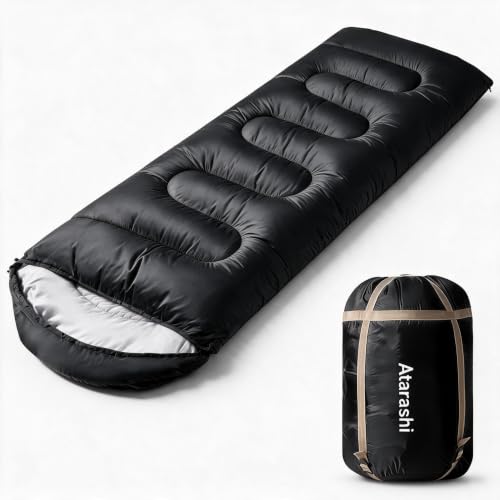
- GET MORE SPACE- Sleeping Bag Size 87 inch x 33 inch, fits most adults or kids up...
- SLEEPING BAG WATERPROOF& WINDPROOF MATERIAL- Made of 290T polyester taffeta...
- SEMI-RECTANGLE SHAPE - Sleeping bags have a portable compression sack fit for...
Why does my sleeping bag feel thin even though it is rated for cold weather?
Temperature ratings are tested in controlled lab conditions with a pad and dry clothes. Real life adds wind, moisture, and ground cold that make the bag feel much colder.
Manufacturers sometimes use cheap fill that compresses flat under your body weight. Always check the loft and fill weight instead of trusting the tag alone.
Which sleeping bag won’t let me down when I camp in unpredictable weather?
You need a bag that handles changing conditions without leaving you shivering at night. In my experience, the one that worked for my family has synthetic insulation that still works if it gets damp.
The NewDoar Ultralight is great for warm summer trips when you want to pack light. For cold or wet conditions, I always choose the TETON Sports Celsius for its reliable thick fill.
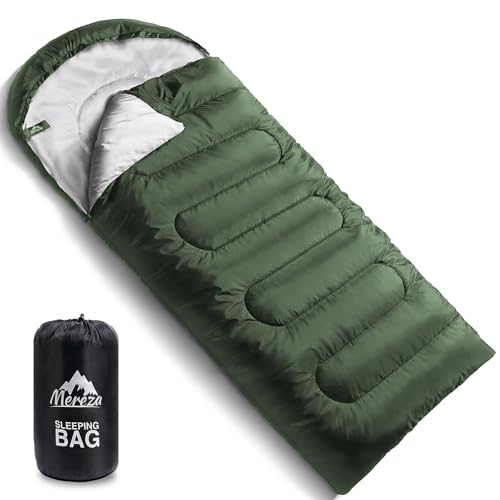
- MORE SPACE FOR YOU : The boxy shape is like your bed at home: spacious and...
- WARM & COOL WEATHER SLEEPING BAG : Exceeding the thickness of most mens sleeping...
- KEEP WARM DESIGN & WATERPROOF FABRIC : 210T ripstop waterproof polyester shell...
Should I buy down or synthetic insulation for a warm sleeping bag?
Down is lighter and packs smaller, but it fails completely when it gets wet. Synthetic fill costs less and still insulates even if the bag gets damp from rain or sweat.
I choose synthetic for car camping with my kids because it is more forgiving. For backpacking trips where weight matters, I spend extra on quality down with a waterproof shell.