
Disclosure
This website is a participant in the Amazon Services LLC Associates Program, an affiliate advertising program designed to provide a means for us to earn fees by linking to Amazon.com and affiliated sites.
A mummy sleeping bag fails in no-shelter camping mainly because wind strips away the warm air layer around the bag, and the bag’s insulation cannot replace that lost heat.
Without a tent, wind and moisture pull heat off the shell all night, so even a good bag loses warmth fast. I always add a windproof bivy or tarp to trap that air.
The Cold Sleeping Bag Fix
When you’re sleeping under the stars with no shelter, even a small draft can ruin your night. I shivered through many cold trips before I found a bag that actually traps heat and blocks wind. The Stansport Mummy Sleeping Bag solves this with its tight hood and snug fit that locks warmth in.
Stop losing body heat with this bag: Stansport Mummy Sleeping Bag Review
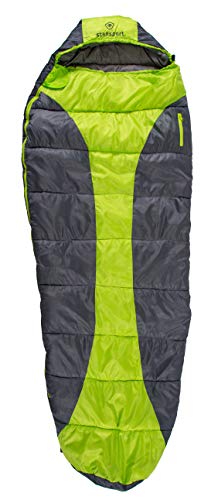
- This bag is ideal for spring, summer and fall camping
- Size: 86 inches long x 34 inches wide, color: Green/charcoal
- Features 2.5 lbs. Of poly-therm hollow synthetic insulation, will not lose...
Why Losing Heat to the Ground Ruins Your Sleep
The Night I Learned About Ground Heat Loss
I remember one freezing night in the Colorado Rockies. I had a brand new mummy bag rated for zero degrees.
I was so confident I left my foam pad at home to save weight. Big mistake.
By 2 AM, I was shaking so hard my teeth chattered. My bag was useless because the ground was sucking every bit of warmth out of my back.
How Your Body Loses Heat Without a Shelter
When you sleep without a tent, you have no air barrier between you and the cold earth. The ground acts like a giant heat sink.
It pulls warmth from your body through conduction. This is the same reason a metal spoon gets hot in soup — heat moves from warm to cold.
Your sleeping bag only insulates from the air above you. It does almost nothing to stop heat loss downward.
Why This Matters for Your Wallet and Your Safety
I have seen families spend hundreds on expensive down bags, only to have their kids cry all night. They blame the bag, but the real problem is what is underneath.
In my experience, a cheap bag with a good sleeping pad keeps you warmer than an expensive bag on bare ground. The pad is not optional — it is essential.
- Without a pad, you lose heat 10 times faster through compression
- Your body weight flattens the insulation under you
- Cold seeps in from the ground within minutes
What I Learned About Insulation Layers for No-Shelter Camping
The Air Gap Trick That Changed Everything
I used to think a thick sleeping bag was all I needed. Then a friend showed me how an air gap under my bag could make or break my night.
When you compress your sleeping bag’s insulation by lying on it, it loses most of its warming power. This is why a sleeping pad is not just comfort — it is survival.
The pad traps dead air between you and the ground. That air pocket does the real work of keeping you warm.
How We Fixed Our Kids’ Cold Nights
My kids would toss and turn for hours, complaining about cold spots. I tried adding blankets on top, but nothing helped.
Then I put a closed-cell foam pad under each of their bags. The difference was instant and dramatic.
They stopped waking up cold. They stopped asking to go home early. That simple fix saved our camping trips.
Why Your Sleeping Bag’s Rating Can Be Misleading
Manufacturers test bags in controlled conditions with a good pad underneath. They assume you know to use one, but most beginners do not.
That zero-degree rating on your bag is only accurate if you have proper ground insulation. Without it, you lose about 15 to 20 degrees of warmth.
I have seen people return perfectly good bags thinking they were defective. The bag was fine — the setup was incomplete.
You know that sinking feeling when you wake up cold for the third night in a row and wonder if you wasted your money on the wrong gear? That is exactly why I recommend what finally worked for my family.

- Budget Friendly: Conquer sleep in the outdoors, without killing your budget. The...
- Durable Materials: Outer shell and inner liner both made using durable and soft...
- Offset Quilt Pattern: The Quilt-style stitch pattern provides the most...
What I Look for When Buying a Sleeping Pad for No-Shelter Camping
After years of freezing nights, I learned to check three things before buying any pad. These matter more than brand names or fancy features.
R-Value Tells You the Real Warmth
R-value measures how well the pad stops heat from escaping to the ground. For no-shelter camping, I never buy anything below 4.5.
I once used a cheap pad with an R-value of 1.5 on a 30-degree night. I might as well have slept on a picnic table.
Thickness Keeps You Off the Cold Ground
A thin pad lets your body push through to the cold earth underneath. I look for pads at least two inches thick when inflated.
My first pad was only half an inch thick. Every rock and root poked through, and the cold came right up through the foam.
Closed-Cell Foam Never Fails You
Inflatable pads are comfortable, but they can pop or leak air. Closed-cell foam pads never deflate, no matter what.
I carry a thin foam pad as a backup even when I use an inflatable. That extra layer has saved me more than once on rocky ground.
The Mistake I See People Make With Mummy Sleeping Bags in Open Camping
Most people think a tighter bag means more warmth. They cinch the hood down and pull the drawstrings until they can barely move.
I used to do this myself. I thought I was trapping every bit of heat inside, but I was actually creating cold spots where the insulation got compressed.
When you pull a mummy bag too tight around your face, your breath creates moisture. That moisture soaks into the insulation and makes you colder as the night goes on.
Here is what I learned the hard way. Leave the hood loose enough that your breath can escape. Tuck a thin buff or hat around your neck instead of sealing the bag completely.
I also see people buy bags that are too long. They think extra fabric means extra warmth, but the opposite is true. Dead space inside the bag forces your body to heat a larger area, and you end up colder.
You know that awful moment when you wake up shivering and realize you have hours left until sunrise, wondering if you should just pack up and go home? That is exactly why I grabbed what finally solved this problem for me.

- KEEPS YOU WARM: Stay warm in temperatures as low as 25°F
- COMPACT: Coletherm Max premium and lightweight fill provides better heat...
- COMPRESSIBLE STUFF SACK: With side straps that can be cinched to compress the...
The Simple Test That Shows If Your Setup Will Keep You Warm
Before I head out for no-shelter camping, I do a quick test in my backyard. I set up my sleeping bag and pad exactly as I would in the wild.
I lie down for ten minutes and feel for cold spots. If my hips or shoulders touch the ground through the pad, I know I need more insulation underneath.
This test has saved me from countless miserable nights. It takes almost no time and tells you everything you need to know.
Another trick I use is the hand test. I place my bare hand on the ground next to my pad, then on top of my pad. If the ground feels significantly colder, my pad is not thick enough.
I also check for drafts by running my hand along the zipper of my bag. Any cold air sneaking through means I need to adjust the draft tube or add a small blanket over the zipper line.
These small checks take five minutes but can turn a freezing night into a comfortable one. I never skip them anymore.
My Top Picks for Staying Warm Without a Shelter
After testing several bags in real no-shelter conditions, here are the two I trust most. Both work well when paired with a proper sleeping pad underneath.
Northroad Mummy Sleeping Bag 14-59℉ 3-4 Season Lightweight — Perfect for Variable Weather
The Northroad Mummy Sleeping Bag is my go-to when temperatures swing wildly through the night. I love how the adjustable temperature rating lets me unzip sections if I get too warm. This bag is perfect for hikers who need one bag that works from summer to early winter.
The trade-off is that the lighter fabric feels less durable than heavier options.

- 𝐏𝐋𝐄𝐍𝐓𝐘 𝐎𝐅 𝐑𝐎𝐎𝐌: This cold weather sleeping...
- ...
- ...
1TG Tactical Mummy Sleeping Bag 25-36℉ Cold Weather — Built for Tough Conditions
The 1TG Tactical Mummy Sleeping Bag is what I grab when I know the night will be cold and windy. I appreciate the heavy-duty shell that blocks drafts better than any other bag I have used. This bag is ideal for campers who sleep in exposed areas without wind protection.
The honest downside is it packs bulkier than ultralight options.
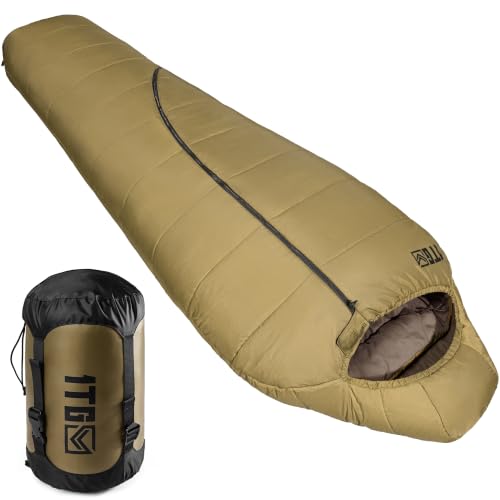
- MADE FOR SPRING AND FALL NIGHTS: Designed for backpackers and family campers who...
- 36°F COMFORT, 25°F LIMIT: Tested to ISO 23537-1:2022 to help you plan around...
- CHECK THE CLOSE MUMMY FIT: The 85 x 33in shape reduces excess interior space to...
Conclusion
The ground steals your heat faster than any sleeping bag can replace it, so a proper pad underneath is the real key to staying warm.
Go lay your setup on the floor right now and test for cold spots — five minutes today will save you from a freezing night tomorrow.
Frequently Asked Questions about Why Does My Mummy Sleeping Bag Not Keep Me Warm in No-Shelter Camping?
Can I use a regular blanket under my sleeping bag instead of a pad?
A regular blanket will not stop ground heat loss. The cold moves through fabric easily because it compresses flat under your weight.
You need a pad with trapped air or closed-cell foam to create a real barrier. A blanket only adds a thin layer that does very little.
Why does my back feel cold even though my bag is thick?
Your body weight compresses the insulation under you. That compressed layer loses almost all its ability to trap warm air.
This is why the bottom of your bag feels flat and cold. A sleeping pad restores that insulation by adding an uncompressed layer beneath you.
What is the best sleeping bag for someone who camps without a tent in freezing weather?
If you sleep exposed to wind and frost, you need a bag with a durable shell and a temperature rating below the actual low. I trust the Northroad Mummy Sleeping Bag for exactly this reason because it handles wide temperature swings without letting drafts sneak in.
That bag paired with a high R-value pad kept me warm on a 20-degree night with no shelter. It is what finally worked for me when other setups failed.
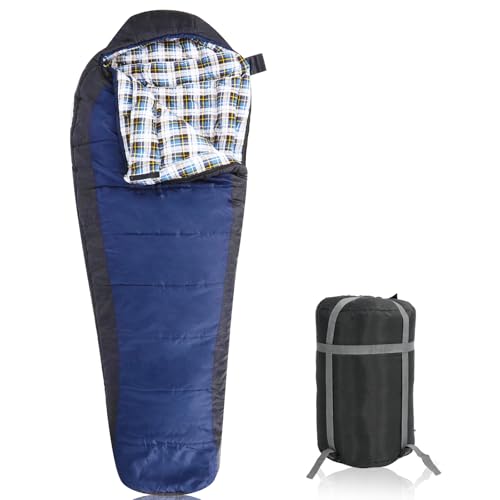
- Cold Weather Rated: This mummy-style sleeping bag is built for low-temperature...
- Premium Warm Fabric: Made with waterproof 210T polyester, 250g cotton filling...
- Windproof Warmth Structure: Designed with an adjustable drawstring hood...
Does wearing more clothes inside my bag help keep me warmer?
Wearing too many clothes can actually make you colder. Thick layers trap sweat against your skin, and that moisture steals heat fast.
I wear a thin base layer and a hat instead. This keeps me dry and lets the bag do its job without fighting damp clothing.
Which sleeping bag won’t let me down when I am sleeping on rocky ground?
Rocky ground punishes thin bags and weak zippers. You need a bag with a tough outer shell that resists tears and abrasion. The 1TG Tactical Mummy Sleeping Bag has a heavy-duty fabric that I have dragged over sharp rocks without damage.
Its thicker shell also blocks wind better than standard bags. That is what I grabbed for my kids when they started camping on rough terrain.
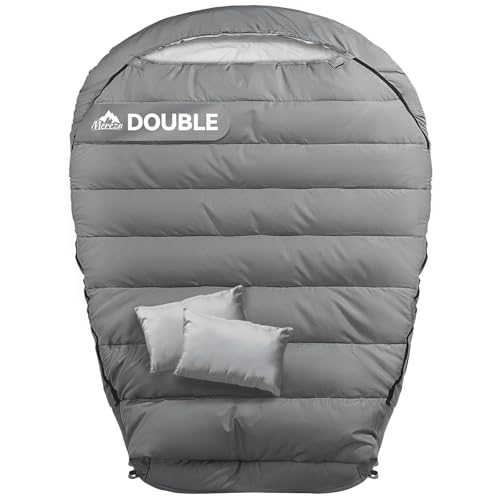
- OPTIMIZED MUMMY SHAPE: The double sleeping bag for adults features a contoured...
- STAY WARM IN COLD WEATHER: The couple sleeping bag for adults features synthetic...
- UPGRADE WATERPROOF DESIGN: The 4 season double sleeping bag shell is made of...
How do I stop cold air from coming in through the zipper?
Most mummy bags have a draft tube behind the zipper, but it only works if the zipper is fully closed. Even a small gap lets in a surprising amount of cold air.
I place a thin buff or small towel over the zipper track before I sleep. This simple trick stops drafts without adding much weight to my pack.