
Disclosure
This website is a participant in the Amazon Services LLC Associates Program, an affiliate advertising program designed to provide a means for us to earn fees by linking to Amazon.com and affiliated sites.
Ever wondered why your dog sleeps in such odd positions? Dogs don’t just sleep—they perform acrobatics in their slumber, from tight curls to full belly-up sprawls. While many assume it’s just random behavior, the truth is far more fascinating.
Your dog’s sleep posture reveals hidden clues about their health, instincts, and even emotions. But why do they prefer certain positions, and what do they mean? In this guide, you’ll uncover the science behind canine sleep habits, debunk myths, and learn how to interpret your pup’s nighttime quirks—so you can finally understand what’s really going on when they doze off.
From evolutionary instincts to temperature regulation, every twitch and sprawl tells a story. Whether your dog burrows under blankets or sleeps paws-up like a flipped turtle, we’ll decode the secrets behind their snoozing styles.
Best Dog Beds for Comfortable Sleep
Furhaven Orthopedic Dog Bed – Plush & Suede
Ideal for dogs with joint pain, the Furhaven Orthopedic Dog Bed features high-density foam for superior support. The plush suede cover is removable and machine-washable, making it perfect for pets who love to burrow. Available in multiple sizes, it’s a vet-recommended choice for senior dogs.
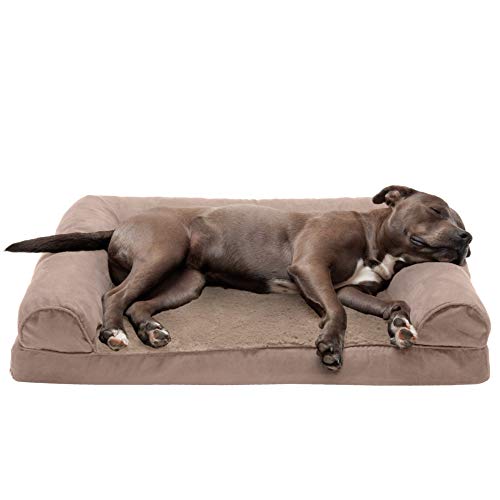
- COMFORT AS PRIORITY: The sofa-style design creates a cozy and inviting space…
- SLEEP SURFACE: Featuring a cuddly soft plush faux fur main sleep surface and…
- EASY ON JOINTS: The egg crate orthopedic foam base helps cushion pressure points…
Orthopedic Sofa Dog Bed
The Orthopedic Sofa Bed combines comfort and durability with a 4-inch thick memory foam base. The water-resistant liner and soft polyester cover ensure easy cleaning, while the raised edges provide a sense of security. Great for medium to large breeds who love curling up.

- ORTHOPEDIC DOG BED: Crafted of firm eggcrate foam, this dog bed evenly…
- COZY COMFORT: The plush pet bed has a soft velvet exterior with a cushioned…
- WATERPROOF PROTECTION: A TPU liner protects the foam from accidents and…
PetFusion Ultimate Dog Bed
Designed for ultimate support, the PetFusion Ultimate Dog Bed features a solid memory foam core and a bolstered design for head and neck support. The water-resistant cover is chew-resistant and easy to clean, making it a long-lasting choice for active or anxious dogs.
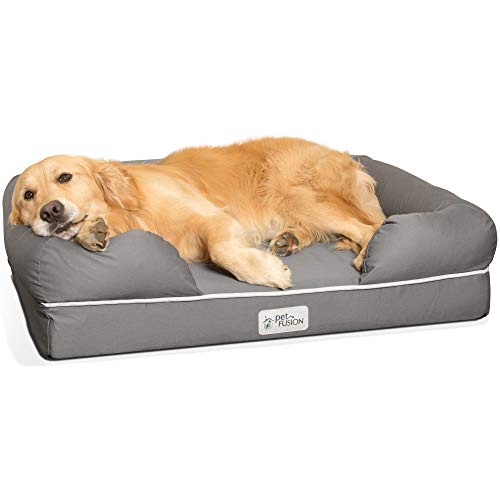
- Superior Comfort & Joint Relief: 4″ solid orthopedic memory foam offers plush…
- Security & Easy Cleaning: Large size with bolsters provides optimal support…
- Safe for Your Pet: CertiPUR-US certified memory foam is free of harmful…
The Science Behind Canine Sleep Positions
Dogs don’t just sleep randomly—their positions are deeply rooted in biology, instinct, and environmental factors. Understanding these behaviors reveals fascinating insights into your dog’s health, comfort, and even emotional state. Let’s break down the most common sleep postures and what they truly mean.
The Curled-Up Position: Instinctual Protection
When your dog sleeps in a tight ball with their tail covering their nose, they’re replicating a primal survival tactic. This position conserves body heat and protects vital organs—a behavior inherited from wild ancestors who needed to stay warm and alert to predators.
Breeds like Huskies and Shiba Inus often default to this posture, especially in colder environments. However, if your dog always curls up tightly, it might signal anxiety or discomfort, as they’re not fully relaxing their muscles.
The “Superman” Sprawl: Trust and Temperature Regulation
Dogs lying flat on their bellies with legs stretched out (like a flying superhero) are usually cooling down or feeling secure. This posture exposes their less insulated belly to cooler surfaces, making it common in hot weather or breeds with thick coats like Golden Retrievers.
It also indicates confidence—your pup feels safe enough to fully stretch out without guarding their underside. Puppies often sleep this way after play sessions when they suddenly crash from exhaustion.
Side Sleeping: Deep Rest and Vulnerability
A dog sleeping on their side with legs extended is in a state of deep, restorative sleep. This position leaves their abdomen exposed, showing they trust their environment completely. You might notice twitching or paw movements during this phase—a sign they’re dreaming.
Larger breeds like Great Danes frequently sleep this way because it relieves pressure on their joints. However, sudden changes to side-sleeping in older dogs could indicate pain avoidance (e.g., arthritis).
Back Sleeping: The Ultimate Sign of Trust
When a dog sleeps belly-up with legs in the air, it’s more than just adorable—it’s a behavioral milestone. This posture leaves them completely vulnerable, meaning they feel zero threat in their surroundings.
It also helps regulate body temperature by exposing sweat glands in their paws and belly. Brachycephalic breeds (like Bulldogs) often sleep this way to ease breathing, but monitor for excessive panting, which could signal overheating.
- Key Takeaway: A dog’s dominant sleep position reflects their physical needs and emotional state. Track changes over time—sudden shifts may indicate health issues or environmental stress.
- Pro Tip: Pair posture observations with other cues. For example, a curled-up dog with rapid eye movement (REM) is likely dreaming, while one that’s tense and awake may be guarding.
By decoding these sleep behaviors, you can better meet your dog’s needs—whether that’s adjusting room temperature, providing orthopedic support, or simply giving them a safer space to unwind.
How Environment and Health Influence Canine Sleep Habits
A dog’s sleeping patterns and positions don’t exist in isolation – they’re profoundly affected by both external factors and internal health conditions.
The Impact of Temperature on Sleep Behavior
Dogs are remarkably sensitive to temperature changes, and their sleeping positions serve as natural thermostats. In colder environments (below 68°F/20°C), you’ll typically see dogs curl into tight balls to conserve body heat – a behavior particularly noticeable in short-haired breeds like Greyhounds.
Conversely, in warmer conditions, dogs will sprawl out on cool surfaces like tile floors, maximizing skin exposure for heat dissipation. The ideal sleeping temperature for most dogs ranges between 68-72°F (20-22°C). Breeds with double coats (like Malamutes) may prefer slightly cooler temperatures, while hairless breeds (like Chinese Cresteds) often need warmer environments.
Sleep Surface and Its Effects on Joint Health
The surface your dog sleeps on significantly impacts their posture and long-term joint health. Memory foam beds are ideal for senior dogs or large breeds prone to hip dysplasia, as they evenly distribute weight and reduce pressure points.
For example, a 7-year-old Labrador with early arthritis will naturally shift from side-sleeping to more upright positions if their bed lacks proper support. Key considerations for sleep surfaces include:
- Thickness: Minimum 4 inches for dogs over 50 lbs
- Material: Orthopedic foam for pressure relief
- Shape: Bolstered edges for head/neck support
Health Conditions That Alter Sleep Patterns
Changes in sleep behavior can be early indicators of health issues. A dog with respiratory problems (common in brachycephalic breeds like Pugs) may suddenly start sleeping with their head elevated on pillows.
Digestive discomfort often leads to the “prayer position” (front legs down, rear end up), while neurological conditions might cause excessive twitching during sleep. Pay particular attention to:
- Frequent position changes (potential pain)
- Excessive circling before lying down (possible neurological issue)
- Difficulty settling (arthritis or cognitive dysfunction)
Decoding Canine Sleep Cycles and Dream Patterns
Understanding your dog’s sleep architecture reveals fascinating insights into their cognitive processes and overall wellbeing. Dogs experience sleep cycles remarkably similar to humans, but with key differences that explain their unique behaviors.
The 4 Stages of Canine Sleep
| Stage | Duration | Characteristics | Physical Indicators |
|---|---|---|---|
| 1. Drowsiness | 5-10 minutes | Transition from wakefulness | Half-closed eyes, relaxed muscles |
| 2. Light Sleep | 10-20 minutes | Body temperature drops | Twitching ears, occasional leg movements |
| 3. Deep Sleep | 20-30 minutes | Physical restoration occurs | Stillness, slow regular breathing |
| 4. REM Sleep | 5-10 minutes | Dreaming and memory processing | Rapid eye movement, vocalizations |
Interpreting Canine Dreams
During REM sleep (which comprises about 10-12% of a dog’s sleep cycle), you’ll notice distinct behaviors indicating dream activity. Small breeds like Chihuahuas experience more frequent but shorter REM cycles (every 10 minutes), while large breeds like Mastiffs have longer but less frequent REM periods (every 45-60 minutes). Common dream indicators include:
- Paw Movements: Running motions suggest chase dreams
- Whining/Barking: Indicates vocal dream content
- Tail Wagging: Positive emotional response
- Jaw Movements: Possible eating-related dreams
Optimizing Sleep Quality
To enhance your dog’s sleep quality, consider these evidence-based strategies:
- Maintain consistent sleep/wake cycles – Dogs thrive on routine, with most adults needing 12-14 hours of sleep distributed throughout day and night
- Create pre-sleep rituals – Gentle massage or quiet time helps transition to sleep
- Limit evening excitement – Avoid vigorous play within 2 hours of bedtime
- Consider pheromone therapy – Adaptil diffusers can reduce nighttime anxiety
Common mistakes owners make include interrupting REM sleep (which is crucial for memory consolidation) and assuming all nighttime restlessness indicates health problems.
Some movement during sleep is completely normal. However, consult your vet if you observe seizure-like movements or excessive nighttime waking that disrupts their sleep architecture.
Age-Specific Sleep Patterns and Special Considerations
Canine sleep needs and behaviors evolve dramatically throughout their lifespan, requiring tailored approaches to ensure optimal rest. Understanding these developmental changes helps owners provide age-appropriate sleep support.
Puppy Sleep: The Foundation of Healthy Development
Newborn puppies spend approximately 90% of their time sleeping (18-20 hours daily), with sleep cycles lasting only 15-20 minutes. This polyphasic sleep pattern supports rapid brain development and growth hormone release. Key considerations for puppy sleep include:
- Sleep Surface: Provide slightly warmed bedding (approximately 85°F/29°C) for puppies under 8 weeks to mimic littermate warmth
- Sleep Interruptions: Expect nighttime waking every 2-3 hours for bathroom needs until 16 weeks old
- Dream Frequency: Puppies experience REM sleep 50% more than adult dogs, crucial for neural pathway formation
Adult Dog Sleep: Maintaining Optimal Patterns
Between 1-7 years, dogs typically settle into 12-14 hours of daily sleep, with distinct circadian rhythms. Working breeds (like Border Collies) often develop lighter sleep patterns, while companion dogs may sleep more deeply. Implement these professional recommendations:
- Environmental Enrichment: Provide 30 minutes of mental stimulation before bedtime to promote deeper sleep
- Sleep Location Consistency: Maintain the same sleeping area to reinforce circadian rhythms
- Temperature Modulation: Adjust bedding seasonally – cooler surfaces in summer, insulated options in winter
Senior Sleep: Addressing Age-Related Changes
Dogs over 7 years experience fragmented sleep patterns similar to human seniors, with 30-50% more nighttime awakenings. Common age-related sleep challenges include:
| Issue | Solution | Professional Tip |
|---|---|---|
| Canine Cognitive Dysfunction | Night lights and pheromone therapy | Melatonin supplements (0.1mg/kg) may help reset sleep cycles |
| Arthritis Pain | Orthopedic heated beds | Keep room temperature above 65°F/18°C to prevent stiffness |
| Increased REM Behavior Disorder | Softer bedding to prevent injury | Video record episodes for veterinary assessment |
For all life stages, gradual transitions in sleep routines are crucial. When changing sleep arrangements, implement adjustments over 7-10 days to minimize stress. Always consult your veterinarian before implementing sleep aids or supplements, particularly for brachycephalic breeds or dogs with pre-existing conditions.
Sleep Behavior Differences Across Breeds and Their Evolutionary Roots
Canine sleep patterns vary dramatically between breeds, reflecting centuries of specialized breeding and adaptation to different environments and working roles. These differences go far beyond simple preferences, representing deep-seated biological adaptations.
Working vs. Companion Breed Sleep Architectures
| Breed Type | Average Daily Sleep | REM Sleep Percentage | Alertness Threshold | Evolutionary Adaptation |
|---|---|---|---|---|
| Herding Breeds (Border Collies) | 10-12 hours | 8-10% | Very low (awaken easily) | Maintained vigilance for livestock |
| Guardian Breeds (Mastiffs) | 14-16 hours | 12-15% | Moderate (deep sleep but quick to alert) | Energy conservation for protection |
| Companion Breeds (Pugs) | 16-18 hours | 15-20% | High (difficult to rouse) | Domestication relaxation response |
Specialized Sleep Adaptations in Arctic and Aquatic Breeds
Northern breeds like Siberian Huskies exhibit unique thermoregulatory sleep behaviors developed for Arctic conditions:
- Snow Nesting: Will instinctively dig sleeping pits in snow for insulation (replicated by providing cave-style beds)
- Tail Coverage: Sleep with tails covering noses to pre-warm inhaled air
- Group Sleeping: Maintain pack sleeping positions even as pets for shared warmth
Water breeds like Labrador Retrievers show distinct sleep patterns including:
- Webbed Paw Positioning: Often sleep with feet extended to maintain muscle memory for swimming
- Moisture Detection: More frequent light sleep phases to monitor environmental humidity changes
The Future of Breed-Specific Sleep Solutions
Emerging trends in canine sleep science include:
- DNA-Based Sleep Profiles: Genetic testing to predict individual sleep needs beyond breed averages
- Smart Bedding Systems: Pressure-sensitive beds that adjust firmness based on sleep phase detection
- Circadian Lighting: LED systems that mimic natural light cycles for kennel environments
When selecting sleep solutions for your dog, consider both their breed heritage and individual variations. A working-line German Shepherd may need different sleep accommodations than a show-line counterpart, despite being the same breed. Always observe your dog’s natural sleep behaviors before investing in specialized bedding or environmental modifications.
Sleep Disorders in Dogs: Identification, Management and Treatment
While occasional restlessness is normal, chronic sleep disturbances in dogs can indicate serious health issues requiring professional intervention. Understanding these disorders helps owners distinguish between benign quirks and medical concerns.
Common Canine Sleep Disorders and Their Symptoms
| Disorder | Primary Symptoms | At-Risk Breeds | Diagnostic Methods |
|---|---|---|---|
| REM Behavior Disorder | Violent limb movements, vocalizations during sleep | Spaniels, Bulldogs | Video recording, neurological exam |
| Sleep Apnea | Gasping, snoring, daytime lethargy | Brachycephalic breeds | Polysomnography, X-rays |
| Narcolepsy/Cataplexy | Sudden collapse into sleep, muscle weakness | Dobermans, Labradors | Genetic testing, EEG monitoring |
Step-by-Step Home Assessment Protocol
Before consulting a veterinarian, conduct this comprehensive 7-day observation:
- Sleep Journal: Record sleep positions, duration, and disturbances hourly
- Environmental Audit: Note temperature fluctuations, noise pollution, and lighting changes
- Video Documentation: Set up night vision recording for at least 4 continuous hours
- Behavioral Correlation: Track daytime energy levels and appetite changes
Advanced Treatment Modalities
Veterinary sleep medicine now offers specialized interventions:
- CPAP Therapy: For severe brachycephalic obstructive airway syndrome (BOAS), requiring custom-fitted canine masks
- Melatonin Implants: 6-month sustained release for circadian rhythm disorders
- Sleep Restriction Therapy: Carefully controlled wake-time scheduling for insomnia cases
Integrative Management Approaches
Combine medical treatment with these evidence-based environmental modifications:
- Acoustic Panels: Reduce sleep-disrupting echo in large rooms
- Weighted Blankets: 10-15% of body weight for anxiety-related disorders
- Pheromone Diffusers: Dog-appeasing pheromones (DAP) for stress-induced wakefulness
For persistent sleep issues, request a referral to a veterinary neurologist or sleep specialist. Many teaching hospitals now offer canine polysomnography studies, providing data comparable to human sleep labs. Early intervention typically yields better outcomes, particularly for neurological conditions.
Optimizing Your Dog’s Sleep Environment: A Scientific Approach
Creating the ideal sleep sanctuary for your dog requires understanding the complex interplay between environmental factors and canine physiology. This comprehensive guide examines evidence-based strategies to enhance sleep quality through environmental modifications.
The Canine Sleep Sanctuary Blueprint
| Environmental Factor | Optimal Range | Measurement Tools | Adjustment Strategies |
|---|---|---|---|
| Temperature | 65-72°F (18-22°C) | Digital hygrometer | Heated/cooled mats, room dividers |
| Humidity | 30-50% RH | Psychrometer | Humidifiers/dehumidifiers |
| Light Exposure | <1 lux at sleep surface | Light meter app | Blackout curtains, red night lights |
| Sound Levels | <30 dB background noise | Decibel meter | White noise machines, acoustic panels |
Advanced Sleep Surface Engineering
Modern canine sleep science recommends these layered approaches to bedding:
- Base Layer: High-density orthopedic foam (minimum 4″ for large breeds)
- Thermal Layer: Phase-change material for temperature regulation
- Top Layer: Antimicrobial, moisture-wicking fabric
- Security Layer: Bolstered edges (12-15″ height for anxiety-prone dogs)
Long-Term Sleep Quality Monitoring
Implement these professional assessment protocols every 6 months:
- Sleep Efficiency Scoring: (Total sleep time/Time in bed) x 100 – aim for >85%
- Positional Analysis: Track percentage distribution of sleep postures
- Latency Testing: Time to fall asleep should be <15 minutes in optimal conditions
Risk Mitigation Strategies
Address these common environmental hazards:
- Electromagnetic Fields: Keep beds at least 3 feet from electronics
- Off-Gassing: Air out new beds for 72 hours before use
- Allergen Accumulation: Use HEPA filters near sleeping areas
- Light Pollution: Install blackout window treatments
For validation, conduct 2-week trial periods with environmental modifications, tracking sleep quality indicators like nighttime awakenings and morning alertness levels.
Remember that optimal conditions vary by individual – some dogs may prefer slightly warmer or cooler environments than breed standards suggest.
Conclusion: Understanding Your Dog’s Sleep for Their Wellbeing
From evolutionary instincts to breed-specific patterns, your dog’s sleep behaviors reveal a fascinating world of biological adaptations and emotional needs. We’ve explored how sleep positions reflect comfort levels, temperature regulation needs, and even trust in their environment.
The science behind canine sleep cycles shows why puppies dream more than adults and how senior dogs experience sleep differently. By optimizing sleep surfaces, environmental conditions, and daily routines, you can significantly improve your dog’s rest quality.
Take action today: Observe your dog’s sleep patterns for three nights, note any irregularities, and consider small adjustments to their sleep environment. Remember that sudden changes in sleep behavior warrant veterinary consultation. When you understand and respect your dog’s sleep needs, you’re not just helping them rest – you’re supporting their overall health and happiness for years to come.
Frequently Asked Questions About Canine Sleep Behavior
Why does my dog twitch and move their paws while sleeping?
These movements occur during REM (rapid eye movement) sleep when dogs experience vivid dreams. The twitching represents neurological activity as their brain processes daily experiences.
Larger muscle movements often indicate active dreams (like running or playing). While normal, excessive violent thrashing could signal REM Behavior Disorder, especially in older dogs. Puppies twitch more frequently as their nervous systems develop.
How can I tell if my dog is getting quality sleep?
Signs of restorative sleep include regular breathing patterns, occasional position changes (every 20-30 minutes), and easy arousal when gently called.
Poor sleep quality shows as frequent startling awake, excessive daytime sleepiness, or difficulty settling. Track their sleep patterns for 3 nights – healthy adult dogs should achieve 6-8 hours of uninterrupted sleep with 2-3 REM cycles per night.
Should I wake my dog if they’re having a bad dream?
Generally no – interrupting REM sleep can cause sleep inertia (grogginess). Instead, softly say their name without touching them. Only intervene if they’re harming themselves (like hitting walls). For chronic nightmare-like episodes, consult your vet about anti-anxiety solutions. Record episodes to help with diagnosis.
Why does my older dog pace at night instead of sleeping?
Canine cognitive dysfunction (dog dementia) affects 60% of dogs over 11 years old. Other causes include pain (arthritis), needing to urinate (kidney issues), or disrupted circadian rhythms.
Try: increasing daytime exercise, using night lights, and consulting your vet for melatonin supplements or pain management. Bloodwork can rule out metabolic causes.
Is it safe to let my dog sleep in my bed?
While generally safe for healthy dogs, consider these factors: allergies, sleep disruptions (60% of co-sleeping owners report poorer sleep), and behavioral impacts (potential dominance issues).
Small breeds are higher fall risks. If sharing your bed, establish clear rules and use a separate dog blanket to maintain hygiene and boundaries.
How does spaying/neutering affect a dog’s sleep patterns?
Sterilization reduces testosterone/estrogen, which can increase total sleep time by 10-15% and deepen sleep quality. However, some dogs experience temporary sleep disturbances post-surgery due to hormonal adjustments (2-4 weeks duration). Monitor for excessive lethargy (may indicate complications) or insomnia (may need behavioral intervention).
Why does my dog circle repeatedly before lying down?
This instinctual behavior stems from wild ancestors who would trample grass to create nests. Circling helps dogs: check for threats, regulate temperature by disturbing surface air, and find optimal body alignment. Excessive circling (10+ rotations) may indicate orthopedic pain or neurological issues requiring veterinary assessment.
Can I use human sleep aids for my dog’s insomnia?
Never administer human medications without veterinary guidance. Many human sleep aids (especially those containing diphenhydramine) can be toxic to dogs.
Safe alternatives include: veterinary-prescribed melatonin (0.1mg/kg), L-theanine supplements, or Adaptil pheromone diffusers. Behavioral modification and environmental changes should always be tried first.