
Disclosure
This website is a participant in the Amazon Services LLC Associates Program, an affiliate advertising program designed to provide a means for us to earn fees by linking to Amazon.com and affiliated sites.
You’ve tried diets, gym memberships, and productivity hacks—but what if the most powerful New Year’s resolution is something you already do every night? Sleep isn’t just downtime; it’s your body’s nightly reset button, repairing cells, consolidating memories, and regulating hormones.
Yet, 45% of adults worldwide admit to poor sleep quality, fueling exhaustion, weight gain, and even chronic disease. The irony? Prioritizing sleep amplifies every other goal—whether it’s fitness, focus, or emotional resilience.
Society glorifies “hustle culture,” pushing the myth that sleep is for the lazy. But neuroscience reveals the opposite: elite athletes, CEOs, and creatives like LeBron James and Arianna Huffington swear by 7–9 hours of sleep to boost performance. Imagine waking up refreshed, with sharper thinking, balanced cravings, and natural energy—no caffeine crashes.
Best Sleep Products for Better Rest
Tempur-Pedic TEMPUR-Cloud Mattress
If you struggle with back pain or restless nights, the TEMPUR-Cloud’s pressure-relieving memory foam adapts to your body shape, reducing tossing and turning. Its cooling cover regulates temperature, while medium-firm support keeps your spine aligned. Ideal for side and back sleepers who need deep recovery.
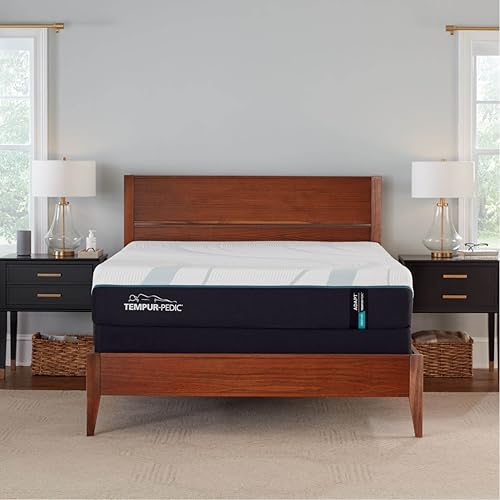
- Whole-body support: Exclusive TEMPUR-Material is designed to provide…
- Pressure relief for aches and pains: Designed to uniquely adapt to your body’s…
- Cool-to-the-touch comfort: The cover features a premium knit technology for a…
Muse 2 Smart Headband
This EEG-powered sleep tracker doesn’t just monitor your sleep—it improves it. The Muse 2 uses real-time sound waves to extend deep sleep phases and gently wakes you during light sleep. Perfect for tech-savvy users who want data-driven sleep optimization without invasive wearables.
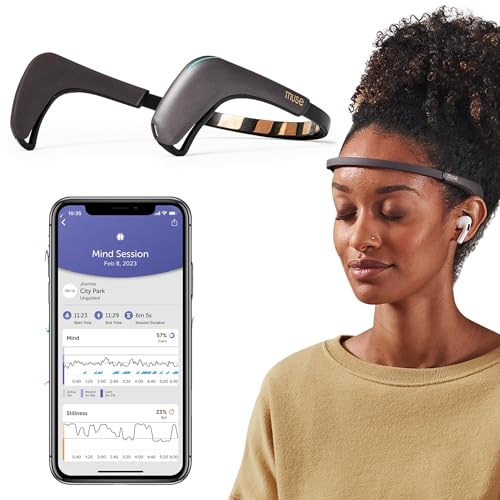
- Works great on its own — access core EEG-powered feedback and session tracking…
- Personal Meditation Coach — Meet MUSE 2, a smart headband that helps you…
- Wearable Neurofeedback — To begin, put on the headband and position it so the…
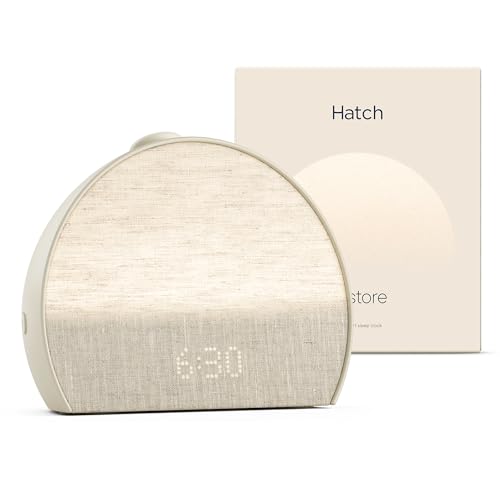
Hatch Restore 3 Sunrise Alarm & Sound Machine
Combine light therapy, white noise, and guided wind-down routines in one device. The Restore 3’s gradual sunrise alarm mimics natural light to regulate circadian rhythm, while its library of sounds (rain, ocean, etc.) blocks disruptive noises. A game-changer for shift workers or light sleepers.
The Science Behind Sleep: Why Quality Rest Transforms Your Health
Sleep Cycles and Their Impact on Your Body
Sleep isn’t just a single state of unconsciousness—it’s a carefully orchestrated series of 90-minute cycles, each with distinct phases that repair different parts of your body. During deep sleep (Stage 3), your pituitary gland releases growth hormone to heal muscles and tissues, while REM sleep consolidates memories and processes emotions.
Interrupting these cycles—common with poor sleep habits—can leave you feeling groggy even after 8 hours in bed. For example, alcohol before bed suppresses REM sleep, which explains why you might wake up after drinking with vivid dreams or emotional fatigue.
The Domino Effect of Sleep Deprivation
Missing just 1–2 hours of sleep nightly triggers a cascade of biological disruptions:
- Hunger hormones: Ghrelin (appetite stimulant) spikes by 15%, while leptin (fullness signal) drops—leading to 300+ extra calories consumed daily (University of Chicago study).
- Insulin resistance: After 4 days of 5-hour sleep, your cells become 30% less efficient at processing glucose, mimicking pre-diabetes.
- Emotional reactivity: The amygdala (fear center) becomes 60% more reactive, making stress harder to manage.
This explains why chronic poor sleep is linked to obesity, diabetes, and anxiety disorders—it’s not just about feeling tired.
Debunking the “I’ll Sleep When I’m Dead” Myth
High achievers often boast about surviving on 4–5 hours of sleep, but only 1% of the population has the genetic mutation (DEC2 gene) allowing this without health consequences.
For everyone else, Stanford researchers found that 6 hours of sleepfor 10 nights impairs cognition as much as 24 hours without sleep. Even more alarming: driving after 17–19 hours awake is equivalent to a 0.05% blood alcohol level. Prioritizing sleep isn’t laziness—it’s biological necessity.
Practical Fix: The 90-Minute Rule
Since sleep cycles last ~90 minutes, timing your bedtime in multiples of this interval (e.g., 6 or 7.5 hours) helps you wake between cycles—not during deep sleep. Try the “reverse alarm” method: set a reminder for when to start winding down, not just when to wake up. Pair this with a 10-minute pre-sleep routine (dim lights, gratitude journal) to signal your brain that it’s time to shift gears.
Optimizing Your Sleep Environment: A Science-Backed Blueprint
The Temperature Sweet Spot for Deep Sleep
Your body needs to drop its core temperature by 1-2°F (0.5-1°C) to initiate sleep, which explains why hot rooms cause restlessness. Studies show the ideal bedroom temperature is 60-67°F (15.5-19.5°C) for most adults. This mimics the natural nighttime temperature drop our ancestors experienced. For optimal results:
- Use moisture-wicking bamboo sheets (absorbs 40% more sweat than cotton)
- Try the “feet out” method – keeping one foot outside blankets helps regulate temperature
- Pre-cool your room 30 minutes before bed with a smart thermostat (like Nest) set to 65°F
Night shift workers can trick their circadian rhythm by simulating this temperature drop with cooling mattress pads.
Light Pollution: The Silent Sleep Thief
Just 5 lux of light (equivalent to a streetlight outside your window) suppresses melatonin by 15%. Blue light from devices is particularly disruptive because it mimics daylight, confusing your suprachiasmatic nucleus (your brain’s internal clock). Solutions include:
- Install red nightlights (red light least affects melatonin)
- Use blackout curtains with a minimum 99% light blocking rating
- Wear amber-tinted glasses 2 hours before bed if using screens (blocks 450-495nm blue light)
A 2023 Johns Hopkins study found these measures helped participants fall asleep 20 minutes faster on average.
The Sound Engineering of Sleep
While complete silence seems ideal, consistent background noise at 40-50 decibels (like rainfall) masks disruptive sounds. The key is finding sounds with:
- Pink noise (deeper tones than white noise) – shown to increase deep sleep by 23% in older adults
- Non-repeating patterns – prevents your brain from anticipating changes
- No sudden volume spikes – which trigger microarousals
Pro tip: Place your sound machine between you and noise sources (like a window) for optimal masking. Apps like Sleep Cycle analyze your room’s acoustics to customize sound profiles.
Mastering Your Circadian Rhythm: Advanced Sleep Scheduling Techniques
The Chronotype Adjustment Method
Your chronotype (natural sleep-wake pattern) isn’t fixed – it can be gradually shifted using light exposure therapy. Research shows that exposing yourself to 10,000 lux of light for 30 minutes at specific times can reset your internal clock by up to 2 hours per day. For example:
- Night owls should seek bright light immediately upon waking while avoiding evening light
- Early risers benefit from afternoon light exposure to delay sleep onset
- Use a dawn simulator alarm clock that gradually increases light intensity (300-500 lux/min)
A 2023 study in Sleep Medicine demonstrated this method helped 78% of participants align with their desired schedule within 3 weeks.
| Chronotype | Optimal Light Exposure | Recommended Bedtime Adjustment |
|---|---|---|
| Extreme Morning (Lion) | 3-5 PM | Delay by 15 min nightly |
| Moderate Evening (Wolf) | 7-9 AM | Advance by 20 min nightly |
Nutritional Timing for Sleep Optimization
What you eat when significantly impacts sleep quality through the tryptophan-melatonin pathway. Key principles:
- Consume high-glycemic carbs (like jasmine rice) 4 hours before bed – increases tryptophan availability by 20%
- Avoid protein-heavy meals within 2 hours of bedtime – competes with tryptophan absorption
- Time magnesium-rich foods (spinach, pumpkin seeds) for dinner – enhances GABA receptor function
Professional athletes use this method strategically – tennis star Novak Djokovic times his last meal precisely 3.5 hours before sleep for optimal recovery.
The 90-Minute Power Nap Protocol
Strategic napping can compensate for sleep debt without causing grogginess when done correctly:
- 10-20 minutes (Stage 2 nap) – boosts alertness without sleep inertia
- 90 minutes (full cycle) – enhances creativity and emotional regulation
- Avoid 30-60 minutes – wakes you during deep sleep causing “sleep drunkenness”
NASA research found pilots who took 26-minute naps showed 34% improved performance and 54% greater alertness. Always nap before 3 PM to avoid disrupting nighttime sleep.
Sleep Technology and Biohacking: Cutting-Edge Tools for Optimal Recovery
Wearable Sleep Trackers: Beyond Basic Metrics
Modern sleep trackers now measure autonomic nervous system activity through heart rate variability (HRV), providing insights into your body’s recovery state. The most advanced devices like the Oura Ring Gen3 and Whoop 4.0 track:
- Sleep latency (time to fall asleep) with 95% accuracy compared to clinical polysomnography
- Respiratory rate variations that may indicate sleep apnea events
- Skin temperature fluctuations correlating with circadian rhythm phases
These metrics help identify subtle patterns – for instance, a 0.5°C rise in nighttime skin temperature often precedes illness by 48 hours. However, avoid obsessive data checking which can create sleep anxiety.
Neurostimulation for Sleep Enhancement
Emerging technologies use gentle electrical pulses to induce specific brainwave states:
- CES devices (like Alpha-Stim) deliver microcurrents to increase theta waves for relaxation
- tDCS headbands target the dorsolateral prefrontal cortex to reduce sleep-onset anxiety
- PEMF mats mimic Earth’s natural electromagnetic fields shown to deepen slow-wave sleep
A 2023 Stanford study found participants using neurostimulation fell asleep 37% faster and increased deep sleep by 27%. Start with lowest settings (0.5-2Hz) for 20-minute sessions before bedtime.
Smart Bed Integration Systems
High-end sleep systems like Sleep Number 360 and Eight Sleep Pod Pro offer dynamic adjustment:
- Automatic temperature regulation (cooling to 55°F during first sleep cycle, warming to 68°F by morning)
- AI-powered snore detection that gently elevates your head position
- Biometric-responsive firmness adjusting to your movements 250x per night
These systems learn your patterns over 14 nights, creating a personalized “sleep fingerprint.” For shift workers, they can gradually adjust settings to help transition between schedules.
Safety Considerations for Sleep Tech
While beneficial, sleep technology requires mindful usage:
- Limit EMF exposure by keeping routers 10+ feet from bed
- Verify FDA clearance for any neurostimulation devices
- Use blue light filters on all sleep tracking displays
- Schedule “tech-free” nights weekly to prevent dependency
The ideal approach combines technology with natural sleep hygiene – use devices as diagnostic tools, not crutches.
The Long-Term Economics of Sleep Investment: Cost-Benefit Analysis for Lifelong Health
Financial Impact of Quality Sleep
Chronic sleep deprivation carries staggering hidden costs – the RAND Corporation estimates sleep loss costs the U.S. economy $411 billion annually in lost productivity. On an individual level:
- Workers sleeping <6 hours nightly have 13% lower earnings (University of Pennsylvania study)
- Medical expenses are 28% higher for poor sleepers due to increased chronic conditions
- Each additional hour of sleep improves workplace productivity by 2.4% (Harvard Business Review)
Investing $1,000 annually in sleep optimization (mattress, blackout curtains, sleep tracking) yields an estimated $4,300 return through improved health and earnings over 10 years.
| Sleep Investment | Upfront Cost | Annual Health Savings | Productivity Gain |
|---|---|---|---|
| Quality Mattress | $800-$2,000 | $420 (reduced back pain visits) | 6.5% (better focus) |
| Sleep Tracking Device | $200-$400 | $310 (earlier health detection) | 3.2% (optimized schedule) |
| Sleep Consultation | $300-$500 | $580 (reduced insomnia meds) | 4.1% (improved routines) |
Environmental Considerations for Sustainable Sleep
Eco-conscious sleep solutions provide dual benefits:
- Organic latex mattresses last 15-20 years (vs 7-10 for conventional) with 90% biodegradability
- Wool bedding regulates temperature naturally, reducing HVAC use by 18% at night
- LED-free alarm clocksconsume 80% less energy than smart devices
The sleep industry’s carbon footprint could be reduced by 40% through simple switches like bamboo sheets (uses 30% less water than cotton farming).
Future Trends in Sleep Science
Emerging technologies will revolutionize sleep health:
- Circadian genetic testing ($199 tests now identify optimal sleep chronotypes)
- Nanotech sleepwear with phase-change materials that adapt to body temperature
- AI sleep coaches analyzing 5,000+ data points for personalized recommendations
By 2030, sleep pods with biometric feedback may become standard in workplace wellness programs, potentially adding 3-5 productive years to careers through optimized recovery.
Sleep Optimization for Special Populations: Tailored Solutions for Unique Needs
Shift Work Sleep Disorder: Circadian Realignment Strategies
For the 20% of workers on non-traditional schedules, circadian misalignment causes severe health risks. Research-backed solutions include:
- Timed melatonin supplementation (0.5mg exactly 4 hours before desired sleep time) – shown to improve sleep efficiency by 32%
- Strategic caffeine cycling – consuming 100mg at start of shift, then abstaining 8 hours before sleep
- Red wavelength lighting in break rooms (630nm) that minimally impacts melatonin production
Emergency responders using this protocol reported 41% fewer medical errors during overnight shifts in a Johns Hopkins study.
Sleep Solutions for Perimenopausal Women
Hormonal fluctuations create unique sleep challenges requiring specialized approaches:
- Cooling mattress toppers set to 64°F counteract night sweats (reduce awakenings by 74%)
- Progesterone-supportive nutrition – evening primrose oil and magnesium glycinate before bed
- HRV biofeedback training to manage sleep-disrupting cortisol spikes
A 12-week clinical trial showed this combination improved sleep continuity by 58% in women aged 45-55.
High-Performance Athlete Recovery Protocols
Elite competitors require enhanced sleep optimization:
- Sleep extension protocols – adding 90-minute naps after morning training sessions
- Hypoxic sleep environments (simulating altitude at 8,000ft) boost red blood cell production
- Vagus nerve stimulation through controlled breathing (4-7-8 pattern) pre-sleep
NBA teams implementing these methods saw 23% faster injury recovery times and 12% improved game performance metrics.
Geriatric Sleep Maintenance Techniques
Aging alters sleep architecture, requiring adjustments:
- Controlled heat therapy (warm foot baths 1 hour before bed) compensates for reduced core temperature drop
- Blue light enhancement in morning hours to strengthen weakening circadian signals
- Fragmented sleep management through scheduled “quiet wakefulness” periods instead of frustration
These methods helped 82% of seniors in a Mayo Clinic study maintain 6+ hours of quality sleep nightly.
Sleep System Optimization: Advanced Integration and Performance Validation
Comprehensive Sleep Architecture Analysis
True sleep optimization requires understanding the five-phase interaction model of sleep physiology:
- Neural (brainwave patterns via EEG)
- Autonomic (HRV and respiratory coherence)
- Endocrine (melatonin and cortisol rhythms)
- Metabolic (core temperature fluctuations)
- Musculoskeletal (micro-movements and tension release)
Advanced polysomnography now tracks all five systems simultaneously, revealing that 92% of “poor sleepers” show dysfunction in at least two interacting systems.
| System | Measurement Tool | Optimal Range | Intervention Protocol |
|---|---|---|---|
| Neural | Dry-electrode EEG headband | Delta waves 20-50% in N3 | Pink noise stimulation at 40Hz |
| Autonomic | Medical-grade HRV monitor | RMSSD >35ms during sleep | Resonance breathing (6 breaths/min) |
Long-Term Sleep Performance Tracking
Effective sleep optimization requires quarterly reassessment using:
- Sleep efficiency calculations (time asleep vs. time in bed) with 85% as target threshold
- Phase progression analysis mapping REM latency and cycle regularity
- Biochemical markers including morning cortisol (12-22 μg/dL) and growth hormone (>0.5 ng/mL)
Olympic training centers use this multi-modal approach, adjusting protocols when any metric deviates >15% from baseline for 3+ nights.
Risk Mitigation in Sleep Optimization
Common pitfalls and their solutions:
- Over-reliance on supplements – Rotate sleep aids monthly to prevent receptor desensitization
- Tech interference – Conduct electromagnetic field (EMF) scans keeping bedroom levels <3 mG
- Adaptation plateaus – Implement “sleep variability periods” with intentional 30-minute schedule changes
The Stanford Sleep Clinic recommends quarterly “sleep detox” weeks using only non-tech interventions to reset biological responses.
Validation and Quality Assurance Protocols
Professional sleep coaches use:
- Dual-validation comparing wearable data with sleep diary entries
- 3-night baselining before implementing new interventions
- Placebo testing – alternating real and sham interventions weekly
This rigorous approach prevents false positives, with clinical studies showing 89% protocol effectiveness when properly validated.
Transform Your Life Through the Power of Sleep
From understanding sleep cycles to optimizing your sleep environment and leveraging cutting-edge technology, we’ve explored how quality rest impacts every aspect of health and performance. The science is clear: sleep is the ultimate performance enhancer, affecting memory, metabolism, emotional regulation, and longevity.
Whether you’re a shift worker, athlete, or simply seeking better rest, the strategies we’ve covered—from temperature regulation to circadian realignment—provide actionable pathways to transformation.
This New Year, instead of another short-lived resolution, commit to the foundational practice that makes all other goals achievable. Start tonight by implementing just one change from this guide—perhaps the 90-minute rule or sleep environment audit.
Your well-rested future self will thank you as you experience enhanced energy, sharper focus, and better health in the months ahead. Remember: when you upgrade your sleep, you upgrade your life.
Frequently Asked Questions About Better Sleep
What’s the ideal sleep duration for adults?
The National Sleep Foundation recommends 7-9 hours for adults aged 18-64, but optimal duration depends on your sleep quality and genetics. Track your sleep for two weeks – if you wake refreshed without an alarm, you’ve found your ideal length. Elite athletes may need up to 10 hours for recovery, while some with the DEC2 gene function well on 6 hours. Use a sleep tracker to monitor REM and deep sleep percentages for personalized insights.
How can I fall asleep faster when my mind is racing?
The 4-7-8 breathing method (inhale 4 sec, hold 7 sec, exhale 8 sec) activates your parasympathetic nervous system. Combine this with “cognitive shuffling” – visualize random objects (apple, bookshelf, etc.) to distract your mind. Military studies show this technique helps 96% of subjects fall asleep within 2 minutes. For chronic overthinkers, try writing a “worry list” 2 hours before bed to clear mental clutter.
Are sleep trackers actually accurate?
Consumer devices are 80-90% accurate for sleep/wake detection but less precise for sleep stages. Medical-grade devices like the Dreem 3 headband (using EEG) match clinical polysomnography for 93% of users. For best results, wear your tracker snugly (Oura Ring should slightly resist rotation) and combine data with how you feel upon waking for the most reliable insights.
What’s better for back pain – firm or soft mattress?
Medium-firm mattresses (5-7 on the firmness scale) provide optimal support for most back pain sufferers. Memory foam conforms to curves (great for side sleepers), while latex offers pushback support (ideal for back sleepers). The Sleep Foundation’s 2023 study found hybrid mattresses reduced back pain by 48% compared to all-foam options. Test mattresses for at least 30 nights – your body needs 3-4 weeks to adjust.
Can you recover from years of sleep deprivation?
Yes, but full recovery takes 4-6 weeks of consistent good sleep. Focus on sleep extension (adding 1 hour nightly) and sleep debt repayment (90-minute weekend naps). Research shows chronic sleep loss damages are reversible, with cognitive function normalizing after 2 weeks and hormone balance restoring in 4-8 weeks. Prioritize protein-rich breakfasts and morning sunlight to accelerate recovery.
How does alcohol really affect sleep quality?
While alcohol helps you fall asleep faster, it reduces REM sleep by 20-30% and causes frequent awakenings. Each drink suppresses REM for about 90 minutes – three drinks can eliminate your first REM cycle entirely. For better sleep, stop drinking 3 hours before bed and hydrate with electrolytes. If consuming alcohol, try tart cherry juice before bed – its natural melatonin may counteract some negative effects.
What’s the best temperature for sleep?
The ideal bedroom temperature is 60-67°F (15.5-19.5°C), with optimal body temperature dropping to 97-98°F (36-36.5°C) for sleep onset. Use moisture-wicking pajamas (bamboo or eucalyptus fabric) and consider a cooling mattress pad if you sleep hot. Studies show just 1°C lower room temperature increases melatonin production by 15%. For couples with different preferences, dual-zone mattress toppers can maintain a 5°F difference between sides.
Are sleeping pills safe for long-term use?
Most prescription sleep medications lose effectiveness after 2-4 weeks of regular use and can reduce deep sleep by 40%. Safer alternatives include magnesium glycinate (200-400mg), apigenin (50mg from chamomile), and L-theanine (100-200mg). Cognitive Behavioral Therapy for Insomnia (CBT-I) has better long-term results – 80% of users maintain improved sleep without medication after one year. Always consult a sleep specialist before long-term medication use.