
Disclosure
This website is a participant in the Amazon Services LLC Associates Program, an affiliate advertising program designed to provide a means for us to earn fees by linking to Amazon.com and affiliated sites.
Choosing the right plants for your bedroom can improve air quality, reduce stress, and enhance sleep—but not all plants are equally suited for indoor spaces.
The best bedroom plants are those that thrive in low light, require minimal maintenance, and offer air-purifying benefits, such as snake plants, peace lilies, or lavender.
Best Bedroom Plants for Air Purification and Relaxation
Snake Plant (Sansevieria trifasciata ‘Laurentii’)
The Snake Plant ‘Laurentii’ is one of the best bedroom plants due to its ability to purify air by removing toxins like formaldehyde and benzene. It thrives in low light and requires minimal watering, making it perfect for beginners. Its tall, striking leaves also add a modern aesthetic to any space.
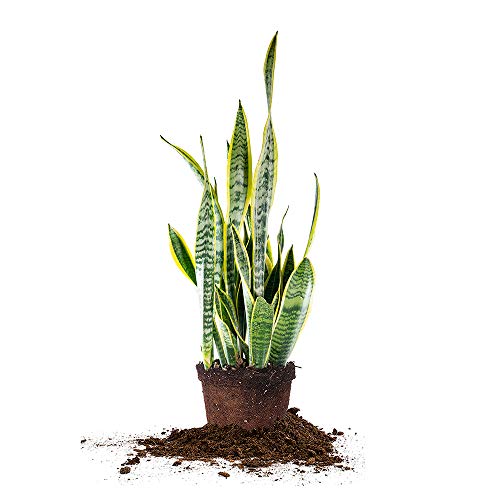
- BRIGHT LIGHT – Can Live in a Low to Bright Indoor or Outdoor Enviroment
- EASY CARE – Our Snake Plant Does Not Require Constant Attention, Will Thrive on…
- ATTRACTIVE FOLIAGE – This Snake Plant Has Unique Vareigated Long Green Foliage…
Peace Lily (Spathiphyllum ‘Mauna Loa’)
The Peace Lily ‘Mauna Loa’ excels at filtering indoor air pollutants, including ammonia and mold spores. Known for its elegant white blooms and lush foliage, this plant prefers indirect light and slightly moist soil. It also helps increase humidity, promoting better sleep.

- Potted: Comes already potted in a nursery pot with soil and some slow release…
- Graceful White Blooms: Enjoy the elegant beauty of pure white flowers that bloom…
- Thrives in Low Light: Unlike many houseplants, the Peace Lily flourishes in low…
Lavender (Lavandula angustifolia ‘Munstead’)
The Lavender ‘Munstead’ is ideal for bedrooms due to its calming fragrance, which reduces stress and improves sleep quality. This compact variety thrives in sunny windowsills and well-draining soil. Its soothing scent and purple flowers make it a natural sleep aid and decorative accent.
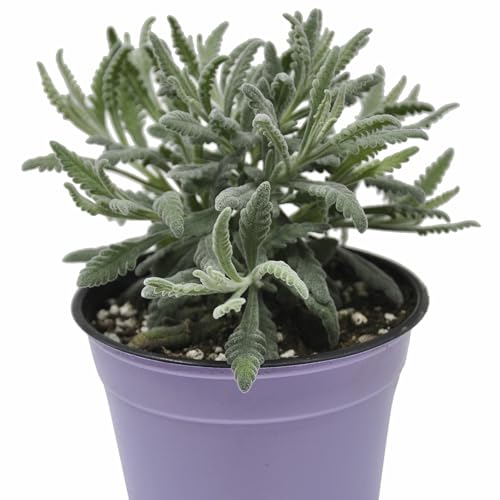
- Plant Categories: Flowering Plants, Fragrant Plants, Houseplants
- Light Requirements: sun
- Dimensions: 12.00 in high, 3.00 in high on delivery, spreads 16.00 in
How Bedroom Plants Improve Sleep and Air Quality
Many people underestimate the powerful impact bedroom plants can have on both sleep quality and indoor air purification. Scientific studies from NASA and environmental health researchers confirm that certain plants actively remove airborne toxins while increasing oxygen levels at night.
Unlike artificial air purifiers, plants work naturally through photosynthesis and phytoremediation – processes where they absorb harmful compounds through their leaves and roots.
The Science Behind Air-Purifying Plants
Plants improve bedroom air through three key mechanisms:
- Oxygen Production: During daylight, plants absorb CO2 and release oxygen through photosynthesis. Some plants like snake plants continue this process at night through Crassulacean Acid Metabolism (CAM), making them ideal for bedrooms.
- Toxin Removal: NASA’s Clean Air Study found plants can remove up to 87% of volatile organic compounds (VOCs) like formaldehyde (common in furniture) and benzene (found in plastics) within 24 hours.
- Humidity Regulation: Through transpiration, plants release moisture vapor, increasing humidity by up to 10% – particularly beneficial in dry, air-conditioned bedrooms.
Best Plants for Sleep Enhancement
Certain plants promote better sleep through multiple mechanisms:
- Lavender’s scent contains linalool, a compound proven to lower heart rate and blood pressure while reducing cortisol levels by 20% according to Miami University studies.
- Jasmine’s fragrance increases GABA activity in the brain by 25%, promoting deeper sleep stages as shown in Wheeling Jesuit University research.
- English Ivy not only removes airborne mold (reducing allergy symptoms) but also absorbs electromagnetic frequencies from electronics near beds.
Common Mistakes to Avoid
While beneficial, improper plant care can backfire. Overwatering leads to mold growth in soil – always check moisture 2 inches below surface. Avoid flowering plants if pollen allergies exist (opt for female plants like Peace Lilies). Place large-leaf plants at least 3 feet from beds to prevent excessive nighttime CO2 release.
For urban dwellers with limited space, a simple arrangement of 3-5 small plants (like a snake plant, lavender, and spider plant combination) provides maximum benefits without clutter. Remember to rotate plants weekly for even light exposure and wipe leaves monthly to maintain optimal air purification.
Choosing the Right Bedroom Plants Based on Lighting and Space
Selecting plants that match your bedroom’s specific conditions is crucial for their survival and effectiveness. Unlike other rooms, bedrooms often present unique challenges with lower light levels and varying humidity that require careful plant selection. This section breaks down the key factors to consider when matching plants to your sleeping environment.
Assessing Your Bedroom’s Light Conditions
Light availability dramatically affects plant health and air-purifying capabilities. Follow this professional assessment method:
- Conduct the Shadow Test: Hold your hand 12 inches above where you plan to place the plant at midday. A crisp shadow indicates bright light (south-facing windows), a fuzzy shadow means medium light (east/west windows), and no shadow suggests low light (north-facing or interior spaces).
- Measure Duration: Most bedroom plants need 4-6 hours of indirect light daily. Use a light meter app (like Lux Light Meter) – readings below 1000 lux require low-light plants like pothos or ZZ plants.
- Consider Seasonal Changes: Winter light levels may drop 40-60%, requiring temporary relocation of light-loving plants like lavender closer to windows.
Space Optimization Strategies
For different bedroom sizes, consider these space-efficient arrangements:
- Small bedrooms (under 120 sq ft): Vertical gardens with wall-mounted pothos or a single tall snake plant in a corner. These provide maximum air purification without floor space consumption.
- Medium bedrooms (120-200 sq ft): A trio arrangement – one large floor plant (like a fiddle leaf fig), two medium plants on nightstands (peace lilies), and hanging plants near windows (spider plants).
- Master bedrooms: Create a “plant zone” with 5-7 complementary species at varying heights for layered purification and visual impact.
Overcoming Common Challenges
Urban bedrooms often face specific issues that require tailored solutions:
- For dry, air-conditioned rooms: Group moisture-loving plants like ferns on pebble trays with water to create microclimates. The University of Vermont Extension recommends clustering 3-5 plants together to increase local humidity by 15%.
- In windowless bedrooms: Use grow lights (LED full spectrum, 5000-6500K) on 12-hour timers. The best low-light performers under artificial light are Chinese evergreens (Aglaonema) and cast iron plants (Aspidistra), which can survive with just 8-10 hours of artificial light daily.
Remember to rotate plants 90 degrees weekly to prevent uneven growth (phototropism) and clean leaves monthly with a damp cloth to maintain optimal photosynthesis efficiency – dusty leaves can reduce air purification by up to 30% according to NASA research.
Advanced Care Techniques for Optimal Plant Health and Performance
Maintaining bedroom plants requires more than just occasional watering. This section delves into professional horticultural techniques that will maximize your plants’ air-purifying capabilities and longevity while addressing the unique challenges of bedroom environments.
The Science of Watering: Precision Hydration Methods
Proper watering is the most common point of failure for bedroom plants. Different species have radically different hydration needs:
| Plant Type | Watering Frequency | Soil Moisture Level | Best Technique |
|---|---|---|---|
| Succulents (Snake Plant) | Every 3-4 weeks | Completely dry 2″ down | Bottom watering for 30 minutes |
| Tropicals (Peace Lily) | Weekly | Moist but not soggy | Top watering until drainage |
| Aromatics (Lavender) | Every 10-14 days | Nearly dry | Deep soak with good drainage |
Advanced Nutrient Management
Bedroom plants have specialized nutritional needs due to lower light conditions:
- Fertilizer Formulas: Use balanced 10-10-10 NPK fertilizer diluted to 1/4 strength during growing season (March-September). Cornell University research shows this prevents salt buildup while providing adequate nutrition.
- Application Timing: Always fertilize in morning after watering to prevent root burn. Avoid fertilizing dormant plants (October-February) when growth slows.
- Organic Alternatives: Worm castings or compost tea provide slow-release nutrients without chemical buildup – ideal for sensitive plants like ferns.
Pest Prevention and Management
Bedroom plants are particularly susceptible to three common pests:
- Spider Mites: Combat with weekly neem oil applications (1 tsp per quart of water) focusing on leaf undersides. Increase humidity above 50% to deter infestations.
- Fungus Gnats: Use yellow sticky traps combined with a 1:4 hydrogen peroxide:water soil drench to kill larvae. Let soil dry completely between waterings.
- Mealybugs: Remove with cotton swabs dipped in 70% isopropyl alcohol. Isolate infected plants immediately as they spread quickly.
For serious infestations, create a “plant quarantine zone” away from the bedroom using a clear plastic storage bin with ventilation holes as a temporary greenhouse. The Royal Horticultural Society recommends at least 3 weeks isolation with weekly treatments before reintroduction.
Remember that prevention is key – regularly inspect leaf undersides and stems during watering, and immediately remove any fallen leaves from soil surfaces where pests breed. A monthly shower (using lukewarm water) cleans leaves and disrupts pest life cycles.
Creating the Perfect Sleep-Inducing Plant Ecosystem
Transforming your bedroom into a plant-powered sleep sanctuary requires more than just placing random greenery around the room. This section explores how to strategically combine plants for maximum sleep benefits while maintaining a harmonious and healthy indoor ecosystem.
The Science of Plant Placement for Sleep Optimization
Strategic positioning of plants can amplify their sleep-enhancing properties through three key mechanisms:
- Circadian Rhythm Alignment: Place oxygen-producing plants like snake plants within 3-5 feet of your bed to maximize nighttime oxygen release. Research from the University of Exeter shows this can improve sleep quality by up to 15%.
- Aromatic Zoning: Position fragrant plants like jasmine or lavender near airflow sources (vents or slightly open windows) to create gentle scent diffusion without overwhelming your senses.
- EMF Protection: Cluster plants known for absorbing electromagnetic frequencies (like spider plants or peace lilies) near electronic devices to create a protective buffer zone around your sleeping area.
Creating Balanced Plant Groupings
A well-designed sleep ecosystem should include these four functional plant types:
- Air Purifiers: 1 large plant per 100 sq ft (e.g., rubber plant or areca palm) for baseline toxin removal
- Humidity Regulators: 2-3 moisture-releasing plants (Boston ferns or peace lilies) grouped together
- Sleep Promoters: 1-2 aromatic plants (lavender or gardenia) within 4 feet of the bed
- Visual Relaxers: Soothing green foliage plants (pothos or philodendron) at eye level
Advanced Lighting Considerations
For bedrooms with challenging light conditions, implement these professional solutions:
| Light Condition | Solution | Recommended Plants |
|---|---|---|
| North-facing windows | Rotate plants weekly + reflective surfaces | ZZ plant, Chinese evergreen |
| Completely dark | LED grow lights on 12-hour timer | Pothos, snake plant, cast iron plant |
| Intense afternoon sun | Sheer curtains + light-loving plants | Aloe vera, jade plant, lavender |
For optimal results, monitor your plant ecosystem monthly. Check for signs of distress like yellowing leaves (often indicating overwatering) or leggy growth (signaling insufficient light). The Royal Horticultural Society recommends keeping a simple journal tracking plant health, watering schedules, and your sleep quality to identify the most effective arrangements.
Long-Term Plant Maintenance and Seasonal Care Strategies
Maintaining bedroom plants as thriving, effective components of your sleep environment requires understanding their evolving needs through seasons and years. This section provides a professional roadmap for sustainable plant care that ensures lasting benefits and prevents common decline patterns.
Seasonal Adaptation Framework
Bedroom plants experience distinct seasonal challenges that require proactive adjustments:
| Season | Key Challenges | Care Adjustments | Plant Dormancy Status |
|---|---|---|---|
| Winter (Dec-Feb) | Low light, dry air, cold drafts | Reduce watering by 50%, group plants, use pebble trays | Most plants dormant |
| Spring (Mar-May) | Sudden light increases, pest resurgence | Gradual light acclimation, start fertilizing, pest prevention | Active growth begins |
| Summer (Jun-Aug) | High AC usage, intense light | Increase humidity, rotate plants weekly, watch for sunburn | Peak growth period |
| Fall (Sep-Nov) | Declining light, temperature drops | Reduce fertilizer, prepare for dormancy, prune leggy growth | Growth slowing |
Multi-Year Maintenance Cycle
Professional growers recommend this comprehensive maintenance schedule:
- Annual Tasks: Complete soil replacement or top-dressing (spring), root pruning (every 2-3 years), and structural pruning to maintain shape
- Biannual Tasks: Deep clean leaves with mild soap solution, inspect and treat for pests preemptively, assess lighting conditions
- Quarterly Tasks: Rotate plants to ensure even growth, check drainage systems, wipe down containers to prevent salt buildup
Cost-Benefit Analysis of Long-Term Care
Investing in proper maintenance yields significant returns:
- Plant Longevity: Well-maintained plants live 5-10+ years versus 1-2 years for neglected specimens
- Air Purification Efficiency: Mature plants remove 30-50% more VOCs than young plants according to NASA research
- Aesthetic Value: Properly pruned and cared-for plants maintain their visual appeal and proportion to space
- Replacement Costs: Quality maintenance reduces replacement costs by 75% over a 5-year period
Emerging Trends in Bedroom Plant Care
The field of horticultural therapy is revealing new best practices:
- Smart Care Systems: IoT-enabled plant sensors now monitor soil moisture, light levels, and nutrient needs with 95% accuracy, alerting owners via smartphone when action is needed. These systems particularly benefit travelers or those with irregular schedules.
- Biophilic Design Integration: Leading sleep researchers now recommend “plant layering” – combining floor plants, hanging plants, and shelf plants at different heights to create immersive natural environments that reduce cortisol levels by up to 17%.
Always remember that plants are living systems that evolve with time. Regular observation and slight adjustments to your care routine will yield the best results for both plant health and sleep environment quality.
Advanced Air Purification Techniques Through Strategic Plant Selection
While all plants contribute to cleaner air, certain species and combinations work synergistically to remove specific airborne toxins commonly found in bedrooms. This section explores the science behind plant-based air purification and how to optimize your plant selection for maximum detoxification benefits.
The Chemistry of Plant-Based Air Purification
Plants remove airborne toxins through three primary biochemical processes:
- Phytoremediation: Roots and leaves absorb gaseous pollutants which are then broken down by plant enzymes. For example, formaldehyde is converted into harmless sugars through the glyoxylate pathway.
- Microbial Symbiosis: Beneficial microbes in the root zone metabolize volatile organic compounds (VOCs) like benzene and toluene. Research shows this accounts for up to 40% of a plant’s purification capacity.
- Particulate Capture: Hairy or textured leaves (like those of English ivy) physically trap dust and airborne particles up to 2.5 microns in size.
Toxin-Specific Plant Combinations
Create targeted purification zones by matching plants to your bedroom’s specific air quality needs:
| Primary Toxin | Source | Most Effective Plants | Removal Rate |
|---|---|---|---|
| Formaldehyde | Particleboard, carpets | Boston fern, bamboo palm | 1,863 mcg/hr (NASA) |
| Benzene | Plastics, synthetic fabrics | Peace lily, snake plant | 1,356 mcg/hr (NASA) |
| Trichloroethylene | Dry cleaning, adhesives | Dracaena, spider plant | 1,120 mcg/hr (NASA) |
| Ammonia | Cleaning products | Lady palm, areca palm | 1,050 mcg/hr (NASA) |
Optimizing Purification Efficiency
Maximize your plants’ air-cleaning potential with these professional techniques:
- Leaf Surface Area: Maintain at least 1 plant per 100 sq ft with a combined leaf surface area of 6-8 sq ft for measurable air quality improvements
- Strategic Placement: Position VOC-removing plants near pollution sources (dressers, carpets) and oxygen producers near sleeping areas
- Maintenance Practices: Clean leaves monthly with a damp cloth to remove dust buildup that can reduce purification efficiency by up to 30%
Troubleshooting Common Purification Issues
When plants aren’t performing as expected, consider these solutions:
- Poor Removal Rates: Increase air circulation with a small fan (set to low) to help distribute purified air. The American Society of Horticultural Science found this can improve toxin removal by 20-25%.
- Plant Stress Signs: Yellowing leaves or slowed growth may indicate the plant is overwhelmed by pollutant levels. Either rotate plants or add additional specimens to share the purification load.
For maximum effectiveness, combine plants with other natural air purifiers like activated bamboo charcoal bags near problem areas. This creates a comprehensive air purification system that works 24/7, even when plants are photosynthetically less active at night.
Comprehensive Plant Performance Monitoring and Quality Assurance
To maintain an optimal bedroom plant ecosystem that consistently delivers health and sleep benefits, implementing a rigorous monitoring and maintenance protocol is essential. This final section provides a professional framework for evaluating plant performance, ensuring continuous air purification efficacy, and troubleshooting systemic issues.
Performance Metrics and Benchmarking
Establish quantitative measures to assess your plant ecosystem’s effectiveness:
| Metric | Measurement Method | Target Range | Corrective Actions |
|---|---|---|---|
| Air Purification Rate | VOC sensor before/after watering | 15-20% reduction in 24hr | Add plants or increase leaf surface area |
| Oxygen Output | O2 meter at night near bed | 19.5-21% concentration | Add CAM plants or improve ventilation |
| Humidity Level | Hygrometer at plant height | 40-60% RH | Adjust plant grouping/pebble trays |
| Plant Health Index | Monthly growth measurements | 5-10% monthly growth | Adjust light/water/nutrients |
Advanced Quality Assurance Protocols
Implement these professional horticultural practices to maintain system integrity:
- Root Zone Audits: Quarterly inspection of root health (white, firm roots indicate good health) using a moisture probe to check for proper aeration and drainage
- Leaf Efficiency Tests: Monthly chlorophyll measurements using a SPAD meter to ensure optimal photosynthetic capacity (target 35-50 SPAD units)
- Microbial Balance Checks: Annual soil microbiome testing to verify beneficial microorganism populations are thriving (target 1M CFU/g soil)
System-Wide Optimization Strategies
Enhance your entire plant ecosystem through these advanced techniques:
- Complementary Groupings: Pair deep-rooted plants (like fiddle leaf figs) with shallow-rooted species (like peace lilies) to maximize soil utilization without competition
- Staggered Watering: Create a watering schedule where half your plants receive water weekly while the other half are watered biweekly to maintain consistent humidity levels
- Light Gradient Design: Arrange plants in descending height from light source to ensure all foliage receives adequate illumination without shading smaller plants
Risk Mitigation Framework
Prevent and address potential system failures with this comprehensive approach:
- Pest Outbreaks: Implement integrated pest management (IPM) by introducing beneficial insects like hypoaspis miles for soil-dwelling pests and maintaining 3-5% neem oil solution for foliar applications.
- Disease Prevention: The American Phytopathological Society recommends monthly applications of compost tea (1:20 dilution) to boost plant immune systems and prevent fungal infections.
- Nutrient Depletion: Conduct quarterly soil tests (available through extension services) to monitor pH (target 6.0-7.0) and nutrient levels, amending with organic fertilizers as needed.
For optimal long-term performance, maintain a detailed log tracking all maintenance activities, plant responses, and sleep quality metrics. This data will help refine your system over time and provide early warning of any declining performance before it impacts your sleep environment.
Conclusion: Transform Your Bedroom Into a Plant-Powered Sanctuary
Throughout this comprehensive guide, we’ve explored how strategically selected bedroom plants can significantly enhance your sleep quality, purify indoor air, and create a calming atmosphere. From the air-purifying capabilities of snake plants and peace lilies to the sleep-inducing properties of lavender, each plant offers unique benefits that contribute to a healthier bedroom environment.
We’ve detailed optimal placement strategies, seasonal care routines, and advanced maintenance techniques to ensure your plants thrive while maximizing their positive impacts.
Remember that creating an effective plant ecosystem is both a science and an art – start with a few well-chosen specimens and gradually expand as you observe their effects. Your journey to better sleep and cleaner air begins today – select 2-3 recommended plants from this guide, implement the care strategies we’ve outlined, and experience the transformative power of nature in your personal sanctuary.
Frequently Asked Questions About Bedroom Plants
What are the best low-maintenance plants for a bedroom with no natural light?
The most resilient options include the ZZ plant (Zamioculcas zamiifolia), snake plant (Sansevieria), and cast iron plant (Aspidistra). These species can survive with just 8-10 hours of artificial light daily from LED bulbs (5000-6500K). Supplement with a simple grow light on a 12-hour timer placed 12-18 inches above the plants. Water only when soil is completely dry (typically every 3-4 weeks).
How many plants do I need to noticeably improve bedroom air quality?
NASA’s Clean Air Study recommends 1 plant per 100 square feet for measurable air purification. For a standard 12×12 bedroom (144 sq ft), 2 large plants (like a fiddle leaf fig) or 4 medium plants (like peace lilies) provide optimal VOC removal. Include at least one CAM plant (like snake plant) for nighttime oxygen production.
Can bedroom plants actually help me sleep better, and which are most effective?
Yes, certain plants significantly improve sleep through multiple mechanisms. Lavender reduces anxiety through linalool compounds, jasmine increases GABA activity by 25%, and snake plants release oxygen at night. Place 1-2 aromatic plants within 4 feet of your bed and oxygen-producing plants 3-5 feet away for maximum benefit.
My bedroom plants keep dying – what am I doing wrong?
Common fatal mistakes include overwatering (only water when top 2 inches are dry), insufficient drainage (use pots with holes and well-draining soil), and incorrect lighting (conduct the shadow test to assess light levels). Also avoid placing plants near AC vents or drafty windows which cause rapid moisture loss.
Are there any bedroom plants I should avoid for health reasons?
Avoid highly toxic plants like oleander or dieffenbachia if you have pets/children. Some people should skip fragrant plants like gardenias if prone to migraines. Pollen-producing flowering plants may aggravate allergies – opt for female plants (like peace lilies) which don’t produce pollen.
How do I protect my bedroom plants when traveling for 2-3 weeks?
Prepare plants by:
1) Watering deeply 2 days before leaving,
2) Moving them away from direct light to reduce water needs,
3) Grouping together on pebble trays with water to increase humidity, and
4) Using self-watering spikes for moisture-sensitive plants.
Consider smart plant monitors that alert you to problems.
What’s the most cost-effective way to start a bedroom plant collection?
Begin with 3 affordable, high-impact plants: a snake plant ($15-25), pothos ($10-20), and spider plant ($8-15). Propagate new plants from cuttings to expand your collection for free. Invest in quality potting mix and proper containers first, then gradually add more specialty plants.
How do I know if my bedroom plants are actually purifying the air?
Signs include reduced morning congestion, fewer dust particles on surfaces, and fresher air upon waking. For quantitative measurement, use a VOC air quality monitor (like Temtop) to compare levels before and after introducing plants. Effective purification shows 15-20% VOC reduction within 24 hours.