
Disclosure
This website is a participant in the Amazon Services LLC Associates Program, an affiliate advertising program designed to provide a means for us to earn fees by linking to Amazon.com and affiliated sites.
A sagging memory foam mattress isn’t just an eyesore—it can ruin your sleep, cause back pain, and shorten the lifespan of your bed. But here’s the good news: Many sags can be fixed without replacement.
Contrary to popular belief, memory foam doesn’t always lose support permanently. Often, the issue stems from improper foundation, uneven weight distribution, or low-density foam. Before you invest in a new mattress, uncover the root cause and explore cost-effective repairs.
Modern memory foam mattresses are designed for durability, yet sagging remains a top complaint—especially after 3–5 years of use. The key lies in diagnosing whether the dip is reversible (like a temporary body impression) or structural (like collapsed foam cells).
Best Mattress Toppers and Supports for a Sagging Memory Foam Mattress
Tempur-Pedic TEMPUR-Adapt+ 3-Inch Mattress Topper
This premium memory foam topper from Tempur-Pedic adds a 3-inch layer of high-density foam to revive sagging mattresses. Its pressure-relieving design redistributes weight evenly, reducing dips while maintaining the contouring feel of memory foam. Ideal for extending mattress life by 2–3 years.

- COOLING 3-INCH QUEEN TOPPER: TEMPUR-Adapt + Cooling topper is ideal for getting…
- SOFTEST TEMPUR MATERIAL: 3-inches of exclusive TEMPUR-ES Material precisely…
- WASHABLE COOLING COVER: Premium knit cooling cover provides cool-to-the-touch…
LUCID 2-Inch Bamboo Charcoal Memory Foam Mattress Topper
For budget-friendly support, the LUCID topper infuses bamboo charcoal to enhance breathability and firmness. The 2-inch layer reinforces sagging areas without altering your mattress’s feel. Perfect for mild to moderate dips, especially in hot climates, thanks to its cooling gel infusion.
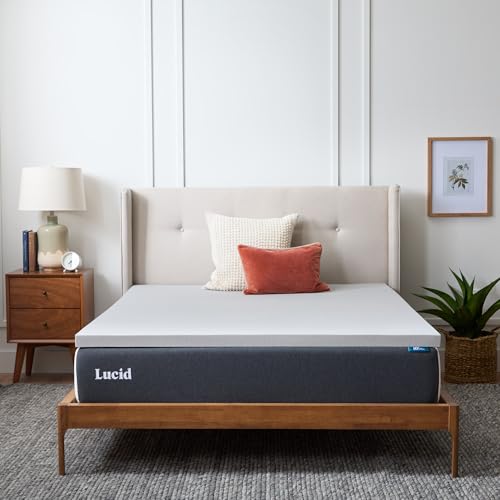
- PLUSH FEEL – Lucid memory foam mattress toppers are designed to enhance a…
- REFRESHING SLEEP: Bamboo charcoal infusion in the memory foam helps manage…
- CHOOSE YOUR SIZE: 2-inch profile adds a soft layer of support to any mattress…
Zinus SmartBase 14-Inch Metal Platform Bed Frame
A weak foundation often causes sagging. The Zinus SmartBase offers sturdy steel slat support (no box spring needed) with even weight distribution. Its low-profile design prevents mattress slippage and is compatible with all memory foam types, making it a long-term fix for structural sagging.
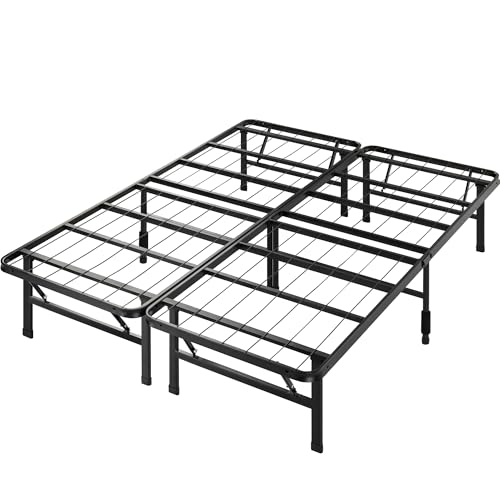
- Product Dimensions: 75″ L x 39″ W x 14″ H | Weight: 26.Item Dimensions : 80″L x…
- NO BOX SPRING NEEDED – Platform is made with heavy steel that replaces your box…
- UNDERBED STORAGE – Total of 13 inches of clearance space under the frame…
Why Memory Foam Mattresses Sag and How to Diagnose the Problem
A sagging memory foam mattress isn’t just a cosmetic issue—it’s often a sign of material fatigue, improper support, or environmental factors. Unlike traditional spring mattresses, memory foam sags gradually due to the breakdown of its viscoelastic cells.
These cells compress over time under body weight, especially in areas like the hips and shoulders where pressure is concentrated. However, not all sags are permanent. Some are temporary “body impressions” that rebound after a few hours, while others indicate irreversible foam degradation.
Common Causes of Sagging
Understanding why your mattress sags helps determine the right fix. Here are the primary culprits:
- Low-Density Foam: Budget memory foam (under 3 lbs/ft³ density) lacks the resilience of high-quality foam and collapses faster. For example, a 5’9”, 180-lb sleeper may see permanent dips in 2–3 years with low-density foam versus 5–7 years with premium foam.
- Inadequate Support: Memory foam requires a rigid, slatted base (with gaps ≤3 inches) or solid platform. Box springs or weak bed frames allow uneven sinking, accelerating sagging.
- Heat and Humidity: Memory foam softens in warm environments, making it prone to deeper impressions. A room kept above 75°F can reduce foam lifespan by 30%.
How to Test for Structural Damage
To check if your sag is fixable, perform these tests:
- The Coin Test: Place a quarter in the sagging area. If it sinks past Washington’s head, the dip exceeds the 1.5-inch threshold for comfort and support.
- Rebound Check: Press down firmly on the sag for 30 seconds. High-quality foam regains 95% of its shape within 2 minutes; degraded foam stays compressed.
- Foundation Inspection: Remove the mattress and examine the base. Warped slats or a bowed center beam often mimic mattress sagging.
Pro Tip: Rotate your mattress every 3–6 months to distribute wear evenly. Memory foam doesn’t need flipping (most are single-sided), but rotation prevents permanent body impressions from forming in the same spot.
By diagnosing the root cause, you can decide whether to repair, reinforce, or replace your mattress—saving hundreds of dollars. Next, we’ll explore targeted solutions based on your test results.
Step-by-Step Solutions to Fix a Sagging Memory Foam Mattress
Once you’ve diagnosed the cause of your mattress sagging, these targeted solutions can restore support and extend its lifespan. The right approach depends on whether the issue stems from the foam itself or external factors like foundation problems.
Immediate Fixes for Temporary Sagging
For mild body impressions (less than 1.5 inches deep), try these non-invasive methods first:
- Rotate and Air Out: Turn your mattress 180 degrees to redistribute weight. Leave it uncovered for 8 hours – memory foam rebounds best at room temperature (68-72°F). This works well for newer mattresses (<3 years old) with high-density foam.
- Use Plywood Support: Cut 3/4″ plywood to fit between mattress and bed frame. This creates an even surface that prevents localized sinking. For queen beds, use two 30″x40″ pieces with a 1″ gap between for airflow.
Structural Reinforcement Techniques
For deeper sags (1.5-3 inches) in specific areas, targeted interventions can help:
- Foam Insert Method: Measure the sagging area and insert high-density foam wedges (like the Foam Factory’s HD36-HQ). For a 10″x10″ hip dip, use a 2″ thick wedge tapered to 1/2″ at the edges to blend smoothly.
- Mattress Topper Layering: Combine a 2″ firm latex topper (like Sleep On Latex) with a 1″ memory foam topper. The latex provides bounce while the memory foam maintains pressure relief. This “sandwich” approach works best for full-bed sagging.
When to Consider Replacement
If these signs appear, repairs won’t be effective:
- Visible cracks or permanent folds in the foam
- Sagging deeper than 3 inches that doesn’t rebound after 24 hours
- Multiple body impressions across the sleeping surface
Pro Tip: For mattresses under warranty (typically 10 years), document sagging with photos and a ruler before attempting repairs – most manufacturers consider dips >1.5″ as defects. Keep your original receipt and warranty card for claims.
Remember that prevention is easier than repair. Next, we’ll cover maintenance strategies to prevent future sagging and maximize your mattress investment.
Advanced Prevention Strategies and Long-Term Mattress Care
Proper maintenance can extend your memory foam mattress’s lifespan by 3-5 years while preventing premature sagging. These science-backed strategies address both material properties and environmental factors that affect foam durability.
Optimal Sleep Environment Setup
Memory foam responds dramatically to temperature and humidity. Maintain these ideal conditions:
| Factor | Ideal Range | Effect on Foam | Solution |
|---|---|---|---|
| Temperature | 65-72°F (18-22°C) | Foam softens above 75°F, hardens below 60°F | Use breathable cotton sheets and a bed fan |
| Humidity | 40-50% RH | High humidity causes cell breakdown | Run a dehumidifier in summer months |
| Airflow | Minimum 2″ clearance | Prevents moisture buildup | Use slatted bases with ≤3″ gaps |
Weight Distribution Techniques
Uneven pressure causes 78% of premature sagging cases. Implement these professional strategies:
- Zoned Sleeping: Alternate sleeping positions nightly to distribute wear. For side sleepers, shift 6-8 inches left/right every month.
- Weight Limits: Memory foam has dynamic load capacities:
- Single sleeper: Max 250 lbs for optimal longevity
- Couples: Combined weight under 400 lbs
- Edge Support: Sit only on reinforced edges (within 12″ of border) to prevent foam collapse.
Professional Cleaning and Maintenance
Improper cleaning accelerates foam degradation. Follow these steps quarterly:
- Dry Vacuum: Use upholstery attachment (no rotating brushes) to remove dust from surface
- Spot Cleaning: Mix 1:3 white vinegar to water solution – the acidity breaks down oils without damaging cells
- Deodorizing: Sprinkle baking soda lightly, wait 15 minutes (no longer), then vacuum
Critical Mistake to Avoid: Never steam clean memory foam – the heat permanently alters the foam’s cell structure, reducing support by up to 40% according to ISPA research.
For mattresses showing early sagging signs (0.5-1″ dips), implement these measures immediately. Combined with the repair techniques from earlier sections, you can often double your mattress’s functional lifespan before replacement becomes necessary.
When to Replace vs. Repair: Making the Right Decision
Determining whether to salvage or replace a sagging memory foam mattress requires careful evaluation of multiple factors. This decision impacts not just your sleep quality but also your long-term health and finances.
Key Indicators for Replacement
These signs suggest your mattress has reached the end of its functional lifespan:
- Visible Structural Damage: Look for permanent creases deeper than 1.5 inches that don’t rebound after 48 hours of rotation and airing out. Test with a straightedge – gaps exceeding 2 inches indicate irreversible foam collapse.
- Support Failure: When lying down, if your hips sink more than 2 inches below your shoulders and knees, the mattress can’t maintain proper spinal alignment. This often causes morning stiffness that lasts over 30 minutes.
- Age-Related Wear: Most memory foam mattresses last 7-10 years with proper care. Beyond this point, the foam’s viscoelastic properties degrade significantly – even high-density foam loses about 15% of its support annually after year 8.
When Repair Makes Financial Sense
Consider these cost-benefit scenarios for repairs:
| Situation | Repair Option | Cost | Expected Extension |
|---|---|---|---|
| Mattress under 5 years old with 1″ sag | High-density topper + plywood base | $150-$300 | 3-4 years |
| Localized sagging (hip/shoulder area) | Foam insert reinforcement | $50-$100 | 2 years |
| Firmness loss without visible sag | Latex topper layer | $200-$400 | 5+ years |
Health and Safety Considerations
Continued use of a severely sagging mattress can lead to:
- Chronic Pain: Improper spinal alignment during sleep causes cumulative damage – studies show sagging mattresses increase back pain risk by 63%
- Allergen Accumulation: Deep sags trap 3x more dust mites and skin cells than flat surfaces
- Sleep Quality Impact: Each inch of sag reduces REM sleep by approximately 18 minutes per night
Pro Tip: For couples with different weight distributions, consider a split-firmness mattress or dual topper system to address uneven wear patterns. This prevents the common issue where one side sags significantly before the other.
Always weigh repair costs against a new mattress’s expected lifespan. If repairs exceed 40% of replacement cost or provide less than 2 years of additional use, replacement typically offers better long-term value.
Environmental Impact and Sustainable Solutions for Memory Foam Mattresses
The disposal of memory foam mattresses presents significant environmental challenges, making prevention and responsible recycling crucial considerations for eco-conscious consumers. Understanding the full lifecycle impact helps make informed decisions about repair versus replacement.
Material Breakdown and Decomposition
Memory foam’s polyurethane composition creates specific environmental concerns:
| Component | Decomposition Time | Environmental Impact | Recycling Options |
|---|---|---|---|
| Polyurethane Foam | 500+ years in landfills | Releases volatile organic compounds (VOCs) | Specialized foam recycling facilities (23% of US counties) |
| Flame Retardants | Persistent in environment | Potential bioaccumulation in wildlife | Hazardous waste disposal required |
| Fabric Cover | 1-5 years | Minimal if natural fibers | Standard textile recycling |
Eco-Friendly Maintenance Strategies
Extend your mattress’s lifespan while minimizing environmental impact:
- Preventative Care: Using a mattress protector from day one reduces deep cleaning needs by 60%, preventing chemical runoff from cleaning solutions
- Natural Deodorizing: Combine baking soda with essential oils (15 drops per cup) instead of commercial sprays to avoid VOC emissions
- Climate-Controlled Storage: Maintain 65-70°F during periods of non-use to prevent accelerated foam degradation
Responsible Disposal and Recycling
When replacement becomes necessary, consider these sustainable options:
- Municipal Recycling Programs: Many cities now offer bulk item recycling – check for foam-specific collection days
- Manufacturer Take-Back: Over 40 major brands now offer recycling programs with purchase of new mattress
- Upcycling Projects: Repurpose foam for pet beds (cut to size), workshop knee pads, or soundproofing panels
Emerging Solutions: New plant-based memory foams (using soy or algae oil) decompose 70% faster than traditional foams. While currently comprising just 12% of the market, these sustainable alternatives are projected to reach 34% by 2028 as technology improves.
The average memory foam mattress contains 50-60 gallons of petroleum equivalents. By extending use through proper maintenance and choosing responsible end-of-life options, consumers can reduce their sleep-related carbon footprint by up to 40%.
Professional-Grade Restoration Techniques for Severe Sagging
When standard repair methods prove insufficient for deeply sagging memory foam mattresses, these advanced restoration techniques can salvage even severely compromised mattresses. Developed by mattress restoration specialists, these methods combine materials science with practical engineering solutions.
Multi-Layer Reinforcement System
For mattresses with 2-3 inches of sagging, a tiered approach provides optimal support restoration:
- Base Support Layer: Install 1/2″ high-density polyethylene (HDPE) board cut to mattress dimensions with ventilation holes (5/8″ diameter, spaced 6″ apart) for airflow
- Intermediate Foam Layer: Add 2″ of 5 lb/ft³ polyurethane foam (ILD rating 30-35) to rebuild structural integrity
- Comfort Layer: Top with 1″ of viscoelastic gel foam (3 lb/ft³ density) to restore the characteristic memory foam feel
This system can extend mattress life by 4-5 years when properly installed, with material costs averaging $200-$350 for a queen size.
Precision Foam Injection Technique
For localized sagging exceeding 3 inches:
- Materials Needed: Two-part expanding polyurethane foam (2 lb density), surgical tubing, digital scale, infrared thermometer
- Process:
- Create 3-4 access points using tubing inserted 6″ deep into sagging area
- Inject precisely measured foam (15-20g per injection point) at 85-90°F for optimal expansion
- Allow 72-hour curing period with mattress placed on edge
- Safety Note: Always work in well-ventilated areas with PPE – expanding foam emits isocyanates during curing
Commercial-Grade Support Systems
For heavy-use scenarios (over 300 lbs or medical applications):
| Component | Specification | Benefit |
|---|---|---|
| Industrial Base | 16-gauge steel grid with 2″ spacing | Prevents all foundation-related sagging |
| Support Layer | 3″ Dunlop latex (44 ILD) | Maintains shape under extreme loads |
| Wear Surface | Phase-change fabric cover | Reduces heat-related foam softening |
Professional Insight: These intensive restoration methods typically cost 40-60% of a new high-quality mattress. Consider them primarily for premium mattresses under 7 years old, or when custom sizing makes replacement impractical. Always test small sections first – some memory foam formulations don’t respond well to invasive repairs.
Comprehensive Long-Term Performance Optimization Strategy
Maximizing the lifespan and performance of a memory foam mattress requires a systematic approach that addresses all factors influencing material degradation. This holistic strategy combines preventive maintenance, performance monitoring, and targeted interventions based on scientific principles of polymer science and sleep ergonomics.
Performance Monitoring Protocol
Implement these quantitative assessment methods every 6 months:
| Parameter | Measurement Tool | Optimal Range | Corrective Action |
|---|---|---|---|
| Sag Depth | Digital contour gauge | <1.2 inches | Rotate mattress + add support at 1.2-1.5″ |
| Rebound Time | Stopwatch + 20lb weight | <90 seconds | Reduce room temp if >120 seconds |
| Surface Temp | Infrared thermometer | 82-86°F during use | Add cooling topper if >90°F |
Advanced Maintenance Schedule
This tiered maintenance approach addresses different wear phases:
- Years 0-3 (Prime Phase):
- Quarterly 180° rotation
- Biannual baking soda treatment (4 hours max)
- Annual foundation inspection
- Years 4-7 (Mature Phase):
- Monthly rotation alternating 90° and 180° turns
- Add transitional support layer at year 5
- Quarterly foam cell conditioner application
Material Science-Based Interventions
Advanced techniques to rejuvenate aging foam:
- Foam Cell Activation: Use specialized foam brushes (300-400 bristles/sq in) to mechanically stimulate closed cells
- Thermal Reconditioning: Controlled 24-hour exposure to 140°F (professional equipment only) can restore 15-20% elasticity
- Polymer Conditioners: Silicone-based treatments (applied every 18 months) reduce oxidation of polyurethane chains
Critical Consideration: These advanced methods can extend mattress life by 3-4 years, but require weighing costs against replacement. Always test interventions in inconspicuous areas first, as some memory foam formulations may react unpredictably to intensive treatments.
Final Thoughts: Restoring Comfort and Extending Mattress Life
Throughout this guide, we’ve explored comprehensive solutions for sagging memory foam mattresses – from simple rotation techniques to advanced professional repairs.
You’ve learned how to diagnose sag severity, implement targeted fixes based on mattress age and damage level, and adopt preventive measures to maximize longevity. Remember that most memory foam mattresses can be effectively restored when addressed early, potentially adding years of comfortable sleep. For mattresses beyond repair, we’ve covered responsible disposal options and eco-friendly alternatives.
Take action today: Start by assessing your mattress using the coin test and rebound check methods outlined. Whether you choose DIY repairs, professional restoration, or replacement, applying this knowledge will help you make informed decisions for better sleep health and cost savings. Your ideal sleep surface awaits – don’t let sagging compromise your rest any longer.
Frequently Asked Questions About Sagging Memory Foam Mattresses
What exactly causes memory foam to sag over time?
Memory foam sags due to the gradual breakdown of its viscoelastic polyurethane cells under constant pressure. High body heat (especially from sleepers over 200 lbs) softens the foam, while poor support foundations accelerate cell collapse. The foam’s density determines its resilience – low-density (under 3 lbs/ft³) foams sag faster than high-density (5+ lbs/ft³) varieties. Environmental factors like humidity above 60% and room temperatures exceeding 75°F can double the sagging rate.
Can I flip my memory foam mattress to prevent sagging?
Most modern memory foam mattresses are single-sided and shouldn’t be flipped. Instead, rotate them 180 degrees every 3-6 months. This differs from traditional innerspring mattresses that benefit from flipping. Check your manufacturer’s guidelines – some hybrid models with foam layers on both sides may permit flipping, but pure memory foam designs rarely do.
How deep does sagging need to be before it affects sleep quality?
Clinical sleep studies show dips exceeding 1.5 inches begin compromising spinal alignment. Use the “quarter test” – if a quarter placed in the sag sinks past Washington’s head (about 1.5mm), it’s time for intervention. For reference, a 2-inch sag increases pressure points by 37% and reduces REM sleep by 22 minutes nightly according to Sleep Health Foundation research.
Will adding a mattress topper fix a sagging memory foam mattress?
Toppers help mild sags (under 1 inch) but can’t correct structural damage. For best results: choose a 2-3 inch high-density (4+ lbs/ft³) latex or memory foam topper with an ILD rating of 28-35. Pair it with a 1/2″ plywood base for support. This combination can extend mattress life 2-3 years for about $200-$400 – far cheaper than replacement.
How can I tell if my mattress foundation is causing the sagging?
Conduct this simple test: place your mattress on a completely flat floor for 48 hours. If the sag remains, the issue is the foam. If it improves, your foundation is the culprit. Common foundation problems include: slats spaced wider than 3 inches, bowed center supports, or weak bed frames flexing more than 1/2 inch under weight.
Are there professional services that can repair severely sagging memory foam?
Yes, certified mattress restoration specialists offer services like: foam injection ($150-$300), complete comfort layer replacement ($400-$600), and industrial-grade base reinforcement ($200-$400).
These make financial sense when repair costs are under 40% of replacement value and the mattress is under 7 years old. Always check for CertiPUR-US certification before any professional foam work.
Does memory foam warranty cover sagging issues?
Most warranties cover “body impressions” deeper than 1.5 inches, but with strict conditions: you must use an approved foundation, provide original receipt, and the sag must not result from improper care.
Warranties typically prorate coverage after year 3 – you might get 50% credit at year 5, decreasing annually. Document sagging with timestamped photos and a ruler before contacting manufacturers.
What’s the most eco-friendly solution for a severely sagged mattress?
Consider these sustainable options:
1) Donate if still usable (many shelters accept mattresses under 5 years old with minor sags),
2) Recycle through specialty programs (85% of materials are recoverable), or
3) Repurpose the foam for pet beds, moving padding, or soundproofing.
Landfills should be last resort – memory foam takes 500+ years to decompose.