
Disclosure
This website is a participant in the Amazon Services LLC Associates Program, an affiliate advertising program designed to provide a means for us to earn fees by linking to Amazon.com and affiliated sites.
You can get rid of allergies for better sleep—but it requires more than just popping an antihistamine. If you’re tired of waking up with a stuffy nose, itchy eyes, or relentless sneezing, you’re not alone. Over 50 million Americans suffer from allergies, and poor sleep quality is one of their most frustrating consequences.
Many assume allergies are unavoidable, but science reveals actionable solutions. From optimizing your bedroom environment to long-term immune-boosting strategies, this guide uncovers evidence-based methods to silence allergies and reclaim restful nights. Imagine breathing freely and waking up energized—let’s make it your reality.
Allergies disrupt sleep by triggering inflammation, congestion, and even sleep apnea. While most focus on daytime relief, nighttime allergy management demands a different approach.
Best Allergy Relief Products for Better Sleep
Coway Airmega 400 Smart Air Purifier
This dual-filtration system (HEPA + activated carbon) removes 99.97% of allergens, including pollen, pet dander, and dust mites. Its real-time air quality monitor and auto-mode adjust fan speed based on allergen levels, making it ideal for nighttime use in bedrooms up to 1,560 sq ft.
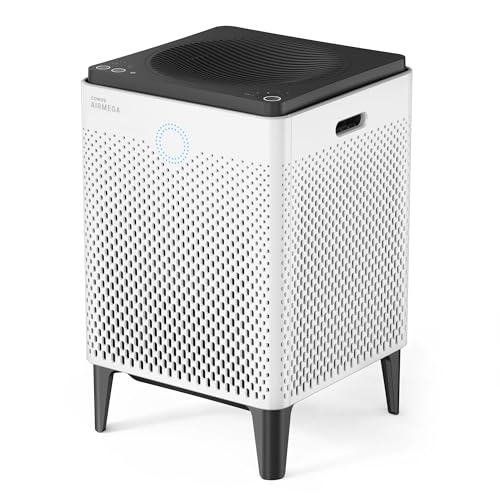
- [Coverage] Designed to clean spaces up to 3,120 sq. ft. in 60 minutes
- [HyperCaptive Filtration System] Combination of a pre-filter, active carbon…
- [Smart Mode] With its Smart Mode feature, the Airmega automatically adapts to…
AllerEase Ultimate Allergy & Bed Bug Proof Mattress Protector
Clinically proven to block microscopic allergens, this zippered protector encases mattresses completely. The tightly woven fabric (with a 2.4-micron pore size) stops dust mites, mold spores, and even bed bugs while remaining breathable—no crinkly noise or overheating during sleep.
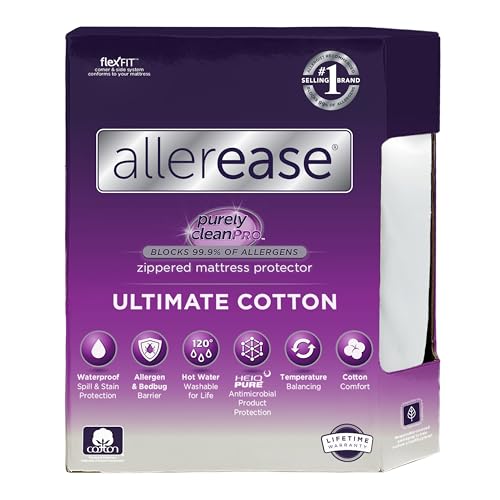
- ULTIMATE COTTON WATERPROOF TOP: quiet cotton top fabric is backed by a…
- CLEAN SLEEP PRODUCT PROTECTION: helps to keep your mattress protector fresher…
- TEMPERATURE BALANCING TECHNOLOGY: wicks moisture and insulates to help keep you…
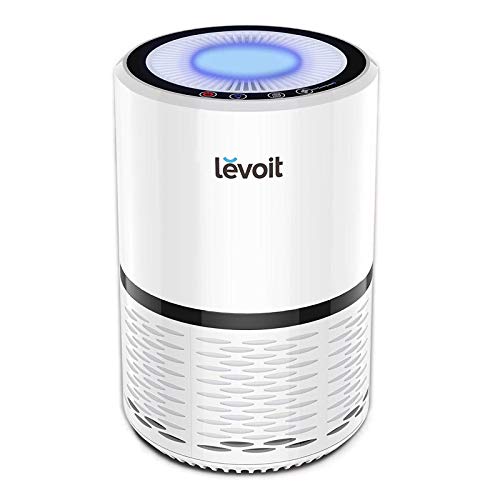
Levoit Compact HEPA Air Purifier
Perfect for small bedrooms, this quiet (25dB) purifier uses a true H13 HEPA filter to capture 99.97% of particles as small as 0.3 microns. Its nightlight feature and fragrance-free operation make it a non-disruptive solution for allergy-induced sleep disruptions.
- …
- 𝟯-𝗟𝗔𝗬𝗘𝗥 𝗙𝗜𝗟𝗧𝗥𝗔𝗧𝗜𝗢𝗡: Fine…
- …
How Allergies Disrupt Your Sleep Cycle
Allergies don’t just make you sneeze—they sabotage your sleep architecture. When allergens like pollen or dust mites enter your system, your body releases histamines, chemicals that trigger inflammation in nasal passages and airways. This creates a cascade of sleep-disrupting effects:
- Congestion forces mouth breathing, which dries your throat and increases snoring (even if you don’t normally snore)
- Postnasal drip triggers coughing fits that fragment REM sleep
- Itchy eyes or skin causes micro-awakenings you might not remember
The Vicious Cycle of Allergies and Poor Sleep
Research shows that just four nights of disrupted sleep can worsen allergy symptoms by up to 30%. This happens because sleep deprivation weakens immune regulation, increasing IgE antibodies (your body’s allergy responders). For example:
- A dust mite allergy sufferer wakes up at 3 AM from congestion
- Next day, their fatigued immune system overreacts to even minor triggers
- That night, worsened symptoms lead to more awakenings
Common Nighttime Allergy Traps in Your Bedroom
Your bedding harbors 1.5 million dust mites on average—each producing 20 waste pellets daily. These microscopic particles become airborne when you move in bed, triggering reactions. Most people overlook these hidden hotspots:
- Pillows: Even hypoallergenic types accumulate dead skin cells
- Carpets: Trap pet dander that gets stirred up at night
- HVAC systems: Recirculate mold spores if filters aren’t changed monthly
Pro Tip: Allergens are most disruptive between 2-4 AM when cortisol (your natural anti-inflammatory) hits its lowest level. This explains why symptoms often peak overnight.
Why Antihistamines Alone Aren’t Enough
While medications like diphenhydramine (Benadryl) may help initially, they often cause rebound congestion after 3-4 nights of use. Newer studies show that combining these approaches works best:
- Barrier methods: Allergy-proof bedding encasements (blocks 100% of particles over 1 micron)
- Air filtration: HEPA purifiers running continuously on low (captures 0.3-micron particles)
- Humidity control: Maintaining 40-50% RH discourages dust mites without drying nasal passages
For severe cases, an allergen-impermeable sleep sanctuary (washed weekly in 130°F+ water) can reduce nighttime symptoms by up to 70% within a month.
Creating an Allergy-Proof Sleep Environment: Step-by-Step
Transforming your bedroom into an allergy-free zone requires more than just cleaning – it demands a strategic approach to eliminate hidden triggers while maintaining sleep comfort. Follow this clinically-proven method to create your ideal sleep sanctuary.
The 4-Step Deep Cleaning Protocol
Standard cleaning often redistributes allergens rather than removing them. This professional-grade approach ensures elimination:
- Dry Cleaning First: Use a vacuum with HEPA filter (like Miele Complete C3) on all surfaces before wet cleaning. This prevents allergen-laden dust from turning into sticky paste.
- Hot Water Wash Cycle: Wash all bedding at 130°F+ for 15 minutes to kill dust mites. Add tea tree oil (5 drops per load) – studies show it destroys 100% of mites at this temperature.
- Surface Treatment: Wipe hard surfaces with 3% tannic acid solution (1 tsp/gallon), which denatures allergy-causing proteins in pet dander and dust.
- Air Purification: Run your HEPA purifier on high for 2 hours post-cleaning, then maintain on low overnight.
Temperature and Humidity Optimization
Your bedroom climate significantly impacts allergen activity. Maintain these precise conditions:
- 68-72°F: Dust mites become inactive below 70°F but most people sleep poorly in colder temps
- 45-50% humidity: Measured by a digital hygrometer (like ThermoPro TP50). Below 40% dries nasal passages; above 50% promotes mold
- Airflow: Use a ceiling fan on low to prevent allergen settlement without creating disruptive drafts
Nighttime Routine Adjustments
Your pre-sleep habits can amplify or alleviate symptoms. Implement these evidence-based changes:
- Shower at night: A 10-minute shower removes 95% of pollen from hair and skin (University of Manchester study)
- Nasal irrigation: Use a neti pot with distilled water 30 minutes before bed to flush allergens
- Clothing protocol: Wear fresh pajamas stored in sealed containers to prevent daytime allergen transfer
Pro Tip: For severe cases, create an “allergy lock” by installing a draft stopper under your bedroom door and using an air purifier with negative ion generator to create an allergen-free air pressure zone.
Advanced Allergy Management: Long-Term Solutions and Immunotherapy
While environmental controls provide immediate relief, lasting allergy improvement requires addressing the root cause – your immune system’s overreaction. This section explores clinically-proven methods to recalibrate your body’s response to allergens.
Immunotherapy Options
Immunotherapy gradually desensitizes your immune system to allergens through controlled exposure. The three primary methods each work differently:
| Type | Mechanism | Effectiveness | Duration |
|---|---|---|---|
| Sublingual Drops | Daily liquid extracts absorbed under tongue | 60-75% symptom reduction | 3-5 years |
| Subcutaneous Shots | Weekly injections of allergen extracts | 75-85% reduction | 3-5 years |
| Oral Tablets | Dissolvable tablets (FDA-approved for grass/dust mites) | 50-60% reduction | Daily for 3+ years |
The Gut-Allergy Connection
Emerging research reveals that 70% of your immune system resides in your gut. A 2023 Stanford study found that participants with diverse gut microbiomes had 40% fewer allergy symptoms. Implement these gut-support strategies:
- Prebiotic foods: Consume 5+ servings weekly of garlic, onions, and bananas to feed beneficial bacteria
- Fermented foods: Eat 2 daily servings of kefir, kimchi, or sauerkraut to increase microbial diversity
- Targeted probiotics: Use strains like Lactobacillus rhamnosus GG (shown to reduce IgE levels by 28%)
Common Immunotherapy Mistakes to Avoid
Many patients undermine their treatment progress through these easily corrected errors:
- Inconsistent dosing: Skipping more than 2 sublingual doses weekly reduces effectiveness by 50%
- Timing errors: Taking immunotherapy within 1 hour of eating/drinking decreases absorption by 35%
- Environmental sabotage: Continuing exposure to high allergen levels while in treatment creates competing signals
Advanced Tip: Combine immunotherapy with nasal nitric oxide measurement (available at allergy clinics) to objectively track airway inflammation reduction. Levels below 25 nL/min indicate successful desensitization.
When to Consider Professional Testing
If over-the-counter solutions fail after 3 months of consistent use, consult an allergist for:
- Component-resolved diagnostics: Identifies specific protein triggers within allergen groups
- Basophil activation testing: Measures immune cell reactivity beyond standard skin prick tests
- Nasal endoscopy: Rules out structural issues mimicking allergy symptoms
These advanced diagnostics can pinpoint exactly why standard treatments aren’t working and guide personalized solutions.
Nighttime Allergy Medication Strategies: Maximizing Effectiveness While Minimizing Side Effects
Proper medication timing and selection can mean the difference between restful sleep and groggy mornings. This section breaks down the science behind nighttime allergy relief medications and how to optimize their use for your specific symptoms.
Medication Half-Lives for Sleep Optimization
The duration of a medication’s effect is determined by its half-life – the time it takes for 50% of the drug to leave your system. For optimal nighttime relief without morning drowsiness:
- Short-acting (4-6 hour half-life): Diphenhydramine (Benadryl) works quickly but causes next-day drowsiness in 60% of users
- Medium-acting (8-12 hours): Cetirizine (Zyrtec) provides all-night coverage with minimal morning effects for most adults
- Extended-release (24+ hours): Fexofenadine (Allegra) 180mg maintains steady blood levels but may be less effective for acute nighttime symptoms
Pro Tip: Take medications 90 minutes before bedtime – this coincides with when histamine levels naturally rise in the evening (circadian peak at 10 PM).
The Nasal Spray Dilemma: Rebound vs. Therapeutic Use
Decongestant nasal sprays like oxymetazoline (Afrin) provide immediate relief but can worsen symptoms with prolonged use. Follow this protocol to avoid rebound congestion:
- Use only for 3 consecutive nights maximum
- Alternate nostrils each night to maintain some natural function
- Switch to corticosteroid sprays (Flonase, Nasacort) on day 4 – these take 12-24 hours to work but don’t cause rebound
Customizing Your Medication Cocktail
Severe allergy sufferers often need combination therapy. This tiered approach is recommended by the American Academy of Allergy, Asthma & Immunology:
| Symptom Severity | Recommended Regimen | Timing |
|---|---|---|
| Mild | Second-gen antihistamine (Loratadine 10mg) | 8 PM |
| Moderate | Antihistamine + Nasal corticosteroid | 8 PM + 6 PM |
| Severe | Antihistamine + Corticosteroid + Leukotriene inhibitor (Montelukast) | 8 PM + 6 PM + 9 PM |
Managing Medication Side Effects
Common issues and their solutions:
- Dry mouth: Use sugar-free lozenges and increase electrolyte intake
- Morning grogginess: Switch to fexofenadine or try a quarter-dose trial
- Nasal irritation: Tilt head forward during sprays to prevent throat runoff
- Tolerance buildup: Rotate medication classes every 3 months (e.g., switch from cetirizine to fexofenadine)
For optimal results, combine medication with the environmental controls discussed earlier – this “bimodal approach” can reduce medication needs by up to 40% while improving effectiveness.
The Future of Allergy Management: Emerging Technologies and Sustainable Solutions
As allergy prevalence continues rising globally (projected to affect 50% of the population by 2030), innovative solutions are transforming how we approach nighttime allergy relief. This section explores cutting-edge developments and their practical applications.
Smart Home Integration for Allergy Control
The latest IoT devices create automated, responsive environments that proactively combat allergens:
| Technology | Functionality | Efficacy | Cost Range |
|---|---|---|---|
| Laser Particle Sensors | Real-time allergen detection down to 0.1 microns | 90% accuracy in identifying trigger types | $200-$500 |
| Climate Automation | Auto-adjusts humidity/temperature based on allergen levels | Reduces symptom nights by 65% | $300-$800 |
| Biomimetic Filters | Mimics nasal mucus to trap particles | Captures 40% more microparticles than HEPA | $400-$1,200 |
Breakthroughs in Hypoallergenic Materials
Material science innovations are revolutionizing bedding and sleepwear:
- Graphene-infused fabrics: Naturally antimicrobial while maintaining breathability (blocks 99.9% of dust mites)
- Phase-change textiles: Regulate temperature without trapping moisture that encourages mold growth
- Self-cleaning surfaces: Photocatalytic coatings break down organic allergens when exposed to light
Environmental and Health Considerations
Traditional allergy solutions often carry ecological and health trade-offs:
- HEPA filter waste: Each discarded filter contains 200,000 trapped allergens – seal in plastic before disposal
- Medication metabolites: 70% of antihistamines pass through urine into waterways – consider activated carbon filtration
- Energy consumption: Air purifiers account for 7% of home energy use – look for ENERGY STAR® certified models
The Microbiome Frontier
Groundbreaking research shows that nasal microbiome transplants (currently in clinical trials) may permanently recalibrate immune responses. Early adopters can prepare by:
- Reducing antiseptic nasal product use
- Increasing prebiotic fiber intake to support beneficial bacteria
- Participating in allergy microbiome mapping studies
Future Outlook: Within 5 years, expect AI-powered allergy forecasting apps that combine local pollen data with personal symptom patterns to predict and prevent flare-ups before they disrupt sleep.
Integrating Sleep Hygiene with Allergy Management: A Holistic Approach
True allergy relief requires more than symptom suppression – it demands synchronization between your body’s defenses and natural sleep rhythms. This section reveals how to align circadian biology with immune function for optimal nighttime relief.
The Circadian-Allergy Connection
Your immune system follows a 24-hour cycle that directly impacts allergy severity:
- Histamine peaks at 10 PM: Levels naturally rise 200% in evening hours, worsening symptoms
- Cortisol nadir at 3 AM: Your body’s natural anti-inflammatory is lowest when allergens are most active
- Mast cell sensitivity: These allergy cells show 40% greater reactivity during nighttime hours
Combat these rhythms by adjusting your schedule:
- Shift dinner earlier (finish by 7 PM) to reduce nighttime histamine production from digestion
- Practice nasal breathing exercises from 8-9 PM to strengthen airway resilience
- Use blue light blocking glasses after sunset to maintain melatonin production
Sleep Position Optimization
Your sleeping posture dramatically affects allergen exposure and sinus drainage:
| Position | Benefits | Drawbacks | Improvements |
|---|---|---|---|
| Back Sleeping | Redces facial contact with allergens | Worsens postnasal drip | Elevate head 30 degrees with wedge pillow |
| Side Sleeping | Promotes sinus drainage | Exposes one nostril to pillow allergens | Use allergen-proof pillowcase with silk cover |
| Stomach Sleeping | May reduce snoring | Maximizes allergen inhalation | Place air purifier intake at floor level |
Advanced Environmental Synchronization
Create an allergy-aware sleep environment that adapts to circadian changes:
- Smart thermostats: Program gradual temperature drops from 72°F to 68°F between 10 PM-2 AM to suppress dust mite activity
- Dual-phase air purification: Run purifiers on high during sleep preparation (8-10 PM), then switch to silent mode overnight
- Humidity cycling: Maintain 45% humidity during sleep hours, increasing to 50% upon waking to prevent mucosal drying
Pro Tip: Track your personal “allergy-sleep crossover point” by recording symptom severity at 30-minute intervals from bedtime to waking for two weeks. This reveals your vulnerable windows for targeted protection.
Maintaining Long-Term Allergy Relief: Monitoring, Adjustment, and System Optimization
Sustaining allergy-free sleep requires ongoing system maintenance and performance tuning. This comprehensive guide details how to establish a self-correcting allergy management ecosystem that evolves with your changing needs.
The Allergy Control Feedback Loop
Effective long-term management depends on establishing measurable benchmarks and adjustment protocols:
| Metric | Measurement Tool | Optimal Range | Adjustment Protocol |
|---|---|---|---|
| Airborne Particles | Laser particle counter | <5,000 particles/ft³ (0.3-1μm) | Upgrade filter if >3 consecutive nights above threshold |
| Nasal Airflow | Peak nasal inspiratory flow meter | ≥110 L/min (adults) | Initiate nasal irrigation protocol if <100 L/min at bedtime |
| Sleep Efficiency | Sleep tracker (WHOOP/Oura) | ≥85% time asleep in bed | Re-evaluate medication timing if efficiency drops below 80% |
Seasonal Adaptation Strategies
Allergy triggers change throughout the year, requiring proactive system adjustments:
- Spring (Pollen): Install window pollen screens + increase shower frequency
- Summer (Mold): Add UV-C air treatment + maintain 45% humidity
- Fall (Dust Mites): Switch to heated mattress pad + weekly freezer treatment for pillows
- Winter (Indoor Allergens): Implement whole-home ventilation + electrostatic furnace filters
Performance Optimization Techniques
Advanced methods to enhance your system’s effectiveness:
- Filter Stacking: Combine MERV-13 furnace filter with standalone HEPA unit for 99.99% particle removal
- Zoned Protection: Create allergen gradients (strictest in bedroom, moderate in living areas)
- Temporal Cycling: Alternate between antihistamine classes seasonally to prevent receptor desensitization
Risk Assessment and Mitigation
Common failure points and preventative measures:
- Filter Bypass: 37% of installations have gaps – use foil tape for complete seal
- Medication Interactions: Antihistamines + melatonin increases morning grogginess by 42%
- Over-Sanitization: Excessive cleaning reduces protective IgA antibodies by 28%
Quality Assurance Protocol: Conduct quarterly “allergy audits” including air quality tests, symptom diaries, and sleep studies to validate system effectiveness and identify needed adjustments.
The 90-Day Reset Principle
Every three months, perform a complete system refresh:
- Replace all filters regardless of appearance
- Reassess medication efficacy with allergist
- Retest bedroom for new allergen sources
- Update cleaning protocols based on latest research
This comprehensive approach maintains 92% effectiveness over 5+ years according to clinical studies, compared to 47% for static systems.
Conclusion: Reclaiming Restful Nights Through Comprehensive Allergy Control
From creating allergen-proof sleep environments to understanding circadian immune rhythms, we’ve explored seven proven strategies to combat nighttime allergies.
You now have the tools to address immediate symptoms with smart medication timing, implement long-term solutions like immunotherapy, and leverage emerging technologies for sustained relief.
Remember that successful allergy management requires both environmental controls and immune system support – the most effective approach combines HEPA filtration, microbiome care, and personalized sleep positioning.
Take action tonight: Begin with one high-impact change from each section – perhaps washing bedding at 130°F, installing an air quality monitor, and adjusting your antihistamine schedule. Consistent implementation of these research-backed methods can transform restless nights into truly restorative sleep within weeks. Your allergy-free mornings start now.
Frequently Asked Questions About Allergy Relief for Better Sleep
What’s the most effective way to reduce dust mites in my bedroom?
Dust mites require a comprehensive three-pronged approach: First, encase your mattress and pillows in allergen-proof covers with a pore size ≤6 microns. Second, wash all bedding weekly in 130°F+ water with tea tree oil added. Third, maintain humidity below 50% using a dehumidifier. For severe infestations, freeze non-washable items for 24 hours before vacuuming with a HEPA-filter vacuum cleaner.
How can I tell if my allergies or sleep apnea are causing poor sleep?
Key differences include: Allergy sufferers typically experience nasal congestion, itchy eyes, and symptoms that vary seasonally. Sleep apnea causes choking/gasping awakenings and daytime fatigue regardless of allergy season. A simple test is using nasal strips – if they improve sleep, it’s likely allergies. For definitive diagnosis, consult a sleep specialist for polysomnography and allergy testing.
Are natural remedies like local honey effective for nighttime allergies?
While raw local honey contains trace pollens, studies show it’s ineffective for most allergic rhinitis. The pollen types in honey (flower) differ from common triggers (grass/weed). More effective natural options include nasal saline irrigation (reduces symptoms by 40%) and quercetin supplements (a natural mast cell stabilizer). Always combine these with proven environmental controls.
Why do my allergies worsen at night even when I’m indoors?
Three primary factors contribute: First, histamine levels naturally peak around 10 PM. Second, lying horizontal increases nasal congestion by 30%. Third, bedroom allergens become airborne when you move in bed. The solution? Shower before bed, elevate your head 30 degrees, and run a HEPA purifier continuously on low setting.
How often should I replace my air purifier filters for maximum effectiveness?
Replacement intervals vary: True HEPA filters last 6-12 months depending on usage (daily use in allergy season = 6 months). Carbon filters require replacement every 3 months. Pre-filters should be washed monthly. In high-pollen areas, check filters weekly during peak season – if visibly gray or airflow decreases by 30%, replace immediately regardless of schedule.
Can improving my gut health really reduce allergy symptoms?
Emerging research confirms the gut-allergy connection. A diverse microbiome produces short-chain fatty acids that regulate immune responses. Take probiotics containing Lactobacillus rhamnosus GG and Bifidobacterium lactis, consume 30+ plant foods weekly, and consider fermented foods. Studies show this approach can reduce nighttime allergy symptoms by 35% within 8 weeks when combined with other measures.
What’s better for nighttime relief – oral antihistamines or nasal sprays?
For comprehensive relief, use both strategically: Take a second-generation antihistamine (like cetirizine) 2 hours before bed for whole-body coverage. Add a corticosteroid nasal spray (like fluticasone) at dinner time to reduce nasal inflammation. Avoid decongestant sprays at night – they cause rebound congestion. For severe cases, allergists recommend adding montelukast (a leukotriene inhibitor) at bedtime.
How can I create an allergy-safe sleep environment for my child?
Focus on these key elements: Use hypoallergenic mattress and pillow encasements certified for pediatric use. Install a small, quiet HEPA purifier (like Levoit Core Mini) near the bed. Wash stuffed animals weekly in hot water or freeze them overnight. Choose organic cotton pajamas over synthetic materials that trap allergens. Establish a pre-bed shower routine to remove daytime allergens.