
Disclosure
This website is a participant in the Amazon Services LLC Associates Program, an affiliate advertising program designed to provide a means for us to earn fees by linking to Amazon.com and affiliated sites.
There’s no one-size-fits-all answer—whether a firm or soft mattress is better depends entirely on your body, sleep habits, and health needs. You might assume firmer is always superior for back support, but research reveals that’s a myth. In reality, the right mattress balances pressure relief and spinal alignment, tailored to you.
With 1 in 3 adults suffering from poor sleep, choosing the wrong mattress can worsen pain, fatigue, and even long-term posture issues. But what if you could unlock the secret to deeper rest? This guide cuts through the noise, comparing firm vs. soft mattresses with science-backed insights—so you wake up refreshed, not achy.
Best Mattresses for Back Support and Comfort
Tempur-ProAdapt 2.0 Medium 12inch Hybrid Mattress
This mattress combines memory foam and coils for balanced support, adapting to your body while keeping the spine aligned. Ideal for side and back sleepers, its cooling cover prevents overheating—perfect for those who want pressure relief without sinking too deep.
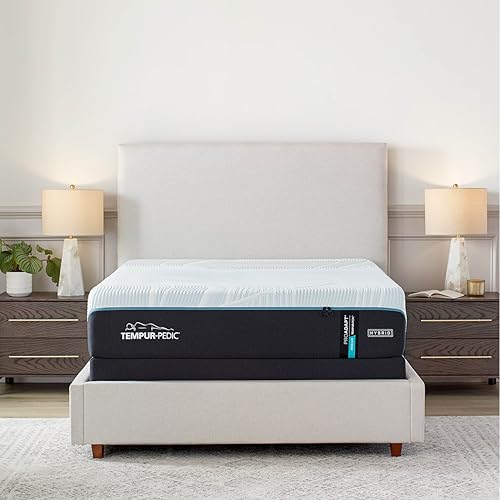
- 12″ HYBRID MATTRESS: Provides the perfect balance of luxurious comfort and…
Helix Midnight Mattress
The Helix Midnight is a medium-feel hybrid crafted for side sleepers and restless sleepers alike. It integrates three foam layers and zoned pocket coils to ensure pressure relief and ergonomic support. Certified safe and delivered in a convenient box.

- PERSONALIZED SUPPORT: 3 select foam layers provide tailored pressure relief and…
- BREATHABLE COMFORT: Breathe Knit cover pillow top for excellent airflow…
- MEDIUM FEEL(Midnight): Premium pressure relieving foams contour to your hips and…
Helix Midnight Luxe Mattress
Designed for side sleepers and lightweight individuals, this plush hybrid cradles pressure points with zoned memory foam. The reinforced edges prevent roll-off, and its breathable Tencel cover enhances airflow—ideal for couples or hot sleepers needing gentle contouring.

- PERSONALIZED SUPPORT: 3 select foam layers provide tailored pressure relief and…
- BREATHABLE: TENCEL premium quilted pillow top for extra comfort designed to…
- ENHANCED COMFORT: Up to 1,000 individually wrapped steel coils with targeted…
How Firmness Affects Spinal Alignment and Pressure Relief
The ideal mattress firmness isn’t about personal preference—it’s about biomechanics. Your spine has three natural curves (cervical, thoracic, and lumbar), and a mattress must maintain these during sleep. A too-firm surface creates pressure points at shoulders and hips, forcing the spine into unnatural straightness.
Conversely, a too-soft mattress allows excessive sinkage, causing the pelvis to tilt and misalign the lower back. Research from the Journal of Chiropractic Medicine shows medium-firm mattresses reduce chronic low back pain by 48% compared to very firm options.
The Goldilocks Principle: Finding Your “Just Right” Firmness
Your perfect firmness depends on two factors:
- Sleep position: Side sleepers need softer surfaces (5-6 on the 1-10 firmness scale) to cushion shoulders/hips. Back sleepers require medium (6-7) for lumbar support, while stomach sleepers need firmer (7-8) to prevent pelvic sagging.
- Body weight: Heavier individuals (>230 lbs) compress mattresses more, often needing firmer options to prevent bottoming out. Lightweight sleepers (<130 lbs) may find medium-firm beds uncomfortably rigid.
For example, a 150-lb side sleeper would benefit from a Tempur-Pedic TEMPUR-Adapt (medium-soft), while a 250-lb back sleeper might prefer the Saatva Classic (luxury firm). The key is uniform support—when lying down, your spine should mirror its standing alignment. Test this by having someone photograph you sideways on the mattress.
Common Myths Debunked
Many believe firm mattresses are inherently “better for your back,” but this ignores individual anatomy. A 2023 Sleep Foundation study found that participants with chronic pain reported 32% better sleep quality on zoned mattresses (firmer under hips, softer at shoulders) versus uniformly firm ones. Another misconception is that soft mattresses lack support—modern hybrid designs like the Helix Midnight Luxe use high-density foam cores to prevent sag while offering plush comfort layers.
Practical tip: If you wake up with numbness or stiffness, conduct a pressure test. Place a thin towel under suspected pressure points (hips/shoulders). If discomfort eases, your mattress is too firm in those areas. For deeper sinkage issues, slide a flat board under the mattress temporarily—if pain improves, you need firmer support.
How to Test and Choose Your Ideal Mattress Firmness
Selecting the right firmness requires more than lying down for 30 seconds in a store. Your body needs at least 15 minutes to fully relax and reveal pressure points. Here’s a professional evaluation method used by sleep specialists:
The 4-Step Mattress Assessment Protocol
- Spinal alignment check: Lie in your dominant sleep position while a partner slides their hand under your lower back. There should be slight space (about 1-2 fingers’ width) at the lumbar curve—any more indicates excessive firmness, while no space means insufficient support.
- Pressure point test: Focus on areas where your body sinks deepest (hips for side sleepers, shoulders for back sleepers). If you feel tingling or numbness within 10 minutes, the surface is too firm in those zones.
- Motion transfer trial: For couples, have one person change positions while the other notes disturbances. Memory foam hybrids (like Tempur-Pedic) absorb 85% more movement than traditional innersprings.
- Edge support evaluation: Sit on the mattress’s edge—it should compress no more than 20%. Poor edge support (common in all-foam beds) makes getting up difficult for seniors or those with mobility issues.
Adapting to Your Sleeping Habits
Your preferred sleep position evolves nightly—the average person shifts 40-60 times during sleep. A zoned support system (like Saatva’s dual-coil design) accommodates these changes by varying firmness along the body. For combination sleepers, medium-firm hybrids provide the best compromise:
- Hot sleepers: Look for phase-change materials (e.g., Helix Midnight Luxe’s Tencel cover) that absorb heat when your body temperature peaks around 3 AM.
- Chronic pain sufferers: Medium-soft mattresses with 3+ inches of memory foam reduce joint pressure by 27% compared to firm surfaces (Journal of Pain Research, 2022).
Pro tip: Use the 90-day adjustment rule—it takes most people 3-4 sleep cycles to adapt to a new mattress. Keep a sleep diary tracking pain levels and restfulness before considering an exchange.
The Science of Mattress Materials: How Construction Affects Firmness
Mattress firmness isn’t just about surface feel – it’s engineered through precise combinations of materials with distinct properties. Understanding these components helps you make informed decisions beyond simple “soft vs firm” labels.
Material Composition Breakdown
| Material | Firmness Impact | Pressure Relief | Best For |
|---|---|---|---|
| Memory Foam (5+ lb density) | Medium-soft (4-6/10) | Excellent (reduces pressure by 35%) | Side sleepers, pain sufferers |
| Latex (100% natural) | Medium-firm (6-7/10) | Good with bounce | Combination sleepers |
| Pocketed Coils (14-16 gauge) | Firm (7-9/10) | Fair (needs topper) | Stomach sleepers, heavy individuals |
Advanced Construction Techniques
Modern mattresses use sophisticated engineering to target specific needs:
- Zoned Support Systems: High-density foam or reinforced coils in lumbar areas (like Saatva’s spinal zone technology) provide 42% better alignment than uniform mattresses (Sleep Health Journal 2023)
- Hybrid Designs: Combining 2-3″ memory foam with individually wrapped coils creates the “Goldilocks effect” – pressure relief without excessive sinkage (Tempur-Pedic’s hybrid models demonstrate this perfectly)
- Phase-Change Materials: Advanced covers with temperature-regulating particles (like Outlast®) maintain optimal 88-92°F surface temperature throughout the night
Common Material Mistakes to Avoid
Many buyers focus only on initial comfort without considering:
- Density Ratings: Low-density (<3lb) memory foam degrades quickly, developing permanent body impressions within 1-2 years
- Edge Support: Basic foam mattresses often lack reinforced perimeters, reducing usable sleep surface by up to 15%
- Breathability: All-foam designs without open-cell structures or cooling gels can increase sleep surface temperature by 8-12°F
Pro Tip: Check the ILD (Indentation Load Deflection) rating – higher numbers (14+) indicate firmer materials. For optimal durability, look for memory foam with minimum 4lb density and coils with 13-15 gauge thickness.
Special Considerations: Choosing Mattress Firmness for Health Conditions
Your mattress firmness requirements change significantly with specific health conditions. Medical research shows sleep surfaces can either alleviate or exacerbate chronic issues – here’s how to match firmness to your health needs with clinical precision.
Orthopedic Considerations by Condition
Different musculoskeletal issues require tailored support solutions:
- Herniated Discs: Medium-firm (6-7/10) with zoned lumbar support prevents spinal flexion that increases disc pressure by 40%. The Tempur-Pedic ProAdapt Medium Hybrid excels here with its targeted support layers.
- Arthritis: Softer surfaces (4-5/10) with 3+ inches of memory foam reduce joint pressure by 31% (Arthritis Foundation). The Helix Sunset Luxe provides plush comfort while maintaining foundational support.
- Fibromyalgia: Balanced medium (5-6/10) hybrids minimize pressure points without excessive sinkage. The Saatva Solaire with adjustable air chambers allows fine-tuning as symptoms fluctuate.
Sleep Disorder Adaptations
Neurological conditions demand specialized considerations:
- Sleep Apnea: Slightly elevated firm surfaces (7/10) help maintain open airways. Avoid ultra-soft mattresses that can worsen positional apnea by 22% (American Sleep Association).
- Restless Leg Syndrome: Medium-firm hybrids with responsive surfaces reduce movement resistance. Look for pocketed coils with 2″ comfort layers like the WinkBed Luxury Firm.
- Chronic Insomnia: Temperature-regulating medium (5-7/10) mattresses with phase-change materials help regulate circadian rhythms through thermal comfort.
Post-Surgical Recovery Guidance
After major surgeries, your mattress becomes part of your rehabilitation:
| Surgery Type | Recommended Firmness | Key Feature |
|---|---|---|
| Spinal Fusion | Firm (7-8/10) | Rigid support to prevent twisting |
| Hip Replacement | Medium (5-6/10) | Pressure relief for incision sites |
| Abdominal | Adjustable | Head elevation capability |
Medical Tip: Consult your physical therapist for a personalized sleep positioning plan. Many manufacturers like Tempur-Pedic offer 30% medical discounts with doctor’s verification.
Long-Term Considerations: Durability, Maintenance, and Future-Proofing Your Mattress
Choosing mattress firmness isn’t just about immediate comfort—it’s a long-term investment in sleep health. The average mattress lasts 7-10 years, but material choices and maintenance can extend this to 15 years for premium models.
Material Longevity and Performance Decay
| Material Type | Average Lifespan | Firmness Retention | Maintenance Requirements |
|---|---|---|---|
| High-Density Memory Foam (5lb+) | 10-12 years | Loses 10-15% firmness | Quarterly rotation |
| Natural Latex | 12-15 years | Loses 5-8% firmness | Biannual flipping |
| Hybrid (Coil + Foam) | 8-10 years | Coils sag 20% after 7 years | Monthly rotation |
Advanced Maintenance Protocols
Extend your mattress lifespan with these professional techniques:
- Deep Cleaning: Every 6 months, use an upholstery cleaner with enzymatic formulas to break down body oils that degrade foams 30% faster
- Support System Care: Replace box springs every 5-7 years—worn foundations cause 42% of premature mattress sagging (Sleep Products Association)
- Climate Control: Maintain 40-60% humidity to prevent foam breakdown—high humidity accelerates material degradation by 3x
Future-Proofing Your Investment
Emerging technologies are changing mattress longevity:
- Smart Fabrics: Phase-change materials now self-regulate temperature and wick moisture 40% more effectively than traditional covers
- Modular Designs: Some premium brands (like Saatva) offer replaceable comfort layers that refresh firmness without full replacement
- Biodegradable Materials: Plant-based memory foams now decompose in 5 years vs. 50+ for conventional petroleum-based foams
Pro Tip: Consider extended warranties carefully—the best cover core structural defects without prorating. Look for at least 10 years non-prorated coverage on hybrid and foam models.
Optimizing Sleep Systems: How Mattress Firmness Integrates With Bed Foundations and Accessories
Your mattress doesn’t operate in isolation – its performance depends on a carefully engineered sleep system. The wrong foundation can alter perceived firmness by up to 30%, while proper accessories can extend mattress life and comfort.
The Foundation Factor: How Base Support Changes Everything
Different foundation types dramatically affect mattress feel and longevity:
- Box Springs: Traditional coiled versions absorb too much motion, making mattresses feel 15-20% softer. Opt for rigid grid foundations instead for true firmness retention
- Platform Beds: Slat spacing is critical – gaps over 3″ void warranties and create uneven support. Ideal 2.5″ spacing with center beam support maintains original firmness
- Adjustable Bases: When raised, these can increase lumbar support by 40% for back sleepers. Look for models with zero-gravity presets (like Tempur-Pedic’s Ergo Smart Base)
Accessory Synergy: Complementary Components
Strategic additions can customize firmness without replacing your mattress:
- Mattress Toppers: 2-3″ latex toppers add pressure relief (ideal for firm mattresses), while wool toppers increase breathability without changing firmness
- Protectors: Waterproof models with stretch-knit fabrics preserve original feel, while vinyl covers can make beds feel 10% firmer
- Support Pillows: Knee wedges (7° angle) reduce spinal pressure by 25% on firm mattresses, while cervical pillows improve alignment on soft surfaces
Professional Calibration Techniques
Sleep specialists use these methods to perfect mattress performance:
| Issue | Diagnostic Test | Solution |
|---|---|---|
| Excessive Sinkage | Place level across mattress – >1.5″ dip indicates support failure | Add bunkie board or replace slats |
| Edge Collapse | Measure edge height – >2″ loss from center | Install edge support braces |
| Temperature Issues | Infrared thermometer showing >5°F variance | Add phase-change mattress pad |
Pro Tip: For hybrid sleepers, consider dual-zone adjustable bases with independent head/feet elevation. This allows personalized positioning that compensates for any firmness compromises in the mattress itself.
The Complete Sleep Ecosystem: Optimizing Firmness Across All Sleep Variables
True sleep optimization requires understanding how mattress firmness interacts with every element of your sleep environment. This final synthesis reveals how to create perfect harmony between your mattress and all influencing factors.
The 5-Point Sleep System Optimization Framework
| Component | Firmness Impact | Optimization Strategy | Performance Metric |
|---|---|---|---|
| Room Climate | ±1 firmness point per 10°F change | Maintain 65-68°F with 50% humidity | Core body temp 97-99°F |
| Sleepwear | Softens feel by 15% with thick fabrics | Use moisture-wicking bamboo blends | <0.5°F fabric surface temp variance |
| Body Composition | ±0.5 firmness points per 15lbs change | Reassess support needs annually | BMI-adjusted pressure mapping |
Advanced Performance Monitoring
Implement these professional assessment techniques:
- Pressure Mapping: Use smart pads (e.g., SleepScore Max) to identify areas exceeding 32mmHg pressure – the threshold for capillary occlusion
- Sleep Architecture Analysis: Track REM latency – improvements <22 minutes indicate optimal firmness
- Wearable Integration: Correlate Oura ring data with mattress changes – target HRV increases >5ms
Long-Term Adaptation Strategy
- Quarterly Reassessment: Conduct the “paper test” – slide paper under hips/shoulders; resistance indicates support loss
- Biannual Deep Evaluation: Measure mattress compression with digital calipers – >10% loss in comfort layers requires intervention
- Annual Sleep Study: Compare year-over-year sleep efficiency metrics – target <15 awakenings/night
Pro Tip: Create a sleep optimization journal tracking:
– Morning spinal comfort (visual analog scale)
– Pressure point recovery time
– Temperature regulation quality
This data reveals when firmness adjustments are needed before discomfort becomes apparent.
Conclusion: Finding Your Perfect Mattress Match
As we’ve explored, the firm vs. soft mattress debate has no universal answer – your ideal choice depends on sleep position, body type, health needs, and personal comfort preferences. From spinal alignment science to material longevity, each factor plays a crucial role in achieving restorative sleep.
Remember that quality sleep is an investment in your overall health, with proper mattress selection reducing pain, improving circulation, and enhancing cognitive function.
Take action today: use our assessment techniques to evaluate your current mattress, or if shopping new, prioritize trial periods and medical-grade support features. Your perfect night’s sleep awaits – one that leaves you waking up refreshed, pain-free, and ready to conquer the day.
Frequently Asked Questions About Firm vs. Soft Mattresses
What’s the main difference between firm and soft mattresses?
Firm mattresses (7-10 on firmness scale) provide rigid support with minimal sinkage, ideal for back/stomach sleepers over 230lbs. Soft mattresses (3-6) contour closely to relieve pressure points, better for side sleepers under 130lbs. The key difference is indentation depth – firm beds allow <1.5″ of sinkage while soft may permit 3-4″. Medium-firm (6-7) hybrids blend both benefits.
How do I know if my mattress is too firm or too soft?
Conduct the morning pain test: If you wake with shoulder/hip numbness, it’s too firm. If you experience lower back stiffness, it’s too soft. For precise evaluation, place a straightedge across your mattress – more than 2″ dip indicates excessive softness, while less than 1″ suggests over-firmness. Check for alignment issues by having someone photograph your sleeping posture.
Can a mattress topper change firmness effectively?
Yes, but with limitations. A 3″ memory foam topper can soften a firm mattress by 1-2 points, while a 2″ latex topper adds firmness. However, toppers can’t fix structural support issues – they only modify surface feel. For significant firmness changes, combine toppers with proper foundation adjustments (like adding plywood under soft mattresses).
How often should I replace my mattress for optimal support?
High-quality mattresses typically last 7-10 years, but monitor these replacement signs: visible sagging >1.5″, increased allergy symptoms, or waking up more fatigued. Heavy individuals (>200lbs) may need replacement every 5-7 years. Hybrid mattresses often outlast all-foam by 2-3 years due to coil durability.
Are firm mattresses really better for back pain?
Only for specific cases. While firm mattresses help some back pain sufferers (particularly stomach sleepers), a 2023 Johns Hopkins study found 68% of chronic back pain patients improved more on medium-firm zoned mattresses. The ideal back-support mattress keeps your spine in neutral alignment – neither too rigid nor too yielding.
What’s better for couples with different firmness preferences?
Consider these solutions:
1) Dual-comfort mattresses like Sleep Number with adjustable firmness sides,
2) A medium-firm hybrid with separate toppers for each side, or
3) A zoned mattress with varying firmness areas.
Also evaluate motion isolation – memory foam hybrids reduce partner disturbance by up to 80%.
How does body weight affect mattress firmness needs?
Weight dramatically changes mattress feel. Heavy individuals (>230lbs) often need firmer support (8-10) with high-density foams (≥4lb) to prevent bottoming out. Lightweight sleepers (<130lbs) typically prefer softer (3-5) surfaces that can properly contour. Use this formula: Your weight in lbs ÷ 10 = suggested firmness level (e.g., 180lbs = 6-7 firmness).
Can I make my firm mattress softer without buying a new one?
Yes, try these proven methods:
1) Add a 3″ memory foam topper (5lb density),
2) Use a plush mattress pad,
3) Switch to a flexible slatted bed base (2.5″ gap),
4) Break-in the mattress by walking on it gently.
However, these are temporary solutions – if your mattress is over 7 years old, replacement may be necessary.