
Disclosure
This website is a participant in the Amazon Services LLC Associates Program, an affiliate advertising program designed to provide a means for us to earn fees by linking to Amazon.com and affiliated sites.
I’ve asked myself this question many times while planning camping trips. If you weigh around 200 pounds, a thin foam pad can feel like sleeping on a rock. Getting the right thickness is the difference between a great night outdoors and a miserable one.
Most standard foam pads are only half an inch thick, which simply isn’t enough for side sleepers or heavier adults. I found that a pad needs to be at least two inches thick to keep my hips from hitting the hard ground. Your body weight compresses the foam, so you need more material to stay comfortable.
Heavy Sleepers Need Real Support
Many 200-pound adults find standard thin foam pads bottom out against hard ground, causing sore hips and restless nights. The Wakeman pad’s 1.25-inch thickness provides enough cushion to distribute weight evenly and keep you off the cold floor.
Stop waking up sore and grab the Wakeman Foam Sleeping Pad 1.25-Inch Thick Waterproof Camping — it’s the simple fix that finally gave me full nights of sleep on the trail.
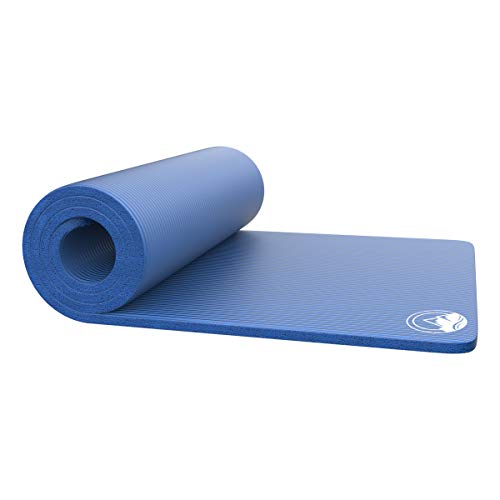
- SLEEPING MAT - The 0.75-inch-thick premium foam material offers superior comfort...
- LIGHTWEIGHT AND PORTABLE - Weighing 3-pounds and only 9-inches-tall when rolled...
- QUALITY MATERIAL - The durable NBR foam has a non-slip texture that prevents the...
Why Foam Pad Thickness Matters for a 200-Pound Adult
I once thought any camping pad would do the job. That was before I spent a night on a half-inch foam pad in the Smoky Mountains. I woke up every two hours, feeling like my hip bones were grinding into the dirt.
How Your Weight Affects Foam Compression
When you weigh 200 pounds, your body pushes down harder on the foam. A thin pad compresses almost completely under you. This means your body is basically resting on the ground, with just a thin layer of foam on top.
In my experience, a standard foam pad that is only 0.5 inches thick becomes nearly useless for heavier adults. Your hips and shoulders are the heaviest parts of your body. They sink right through that thin foam to the hard earth below.
The Difference Between Comfort and Soreness
I remember a trip where my buddy brought a cheap foam pad for his 190-pound frame. He spent the next morning walking stiffly and complaining about his back. We had to cut our hike short because he was so sore.
Here is what I have learned about foam pad thickness for adults over 200 pounds:
- A 0.5-inch pad is too thin for almost anyone over 150 pounds
- A 1-inch pad works for back sleepers but not side sleepers
- A 2-inch pad is the minimum for comfortable side sleeping
- Thicker foam means less ground contact and better insulation
Your sleep quality directly affects your whole camping trip. If you are tired and achy, you will not enjoy the hiking, cooking, or sitting around the campfire. A good night’s sleep is not a luxury—it is a necessity for a successful outdoor adventure.
How to Tell If a Foam Pad Is Thick Enough for You
I learned the hard way that not all foam pads are created equal. The thickness written on the package does not always tell the full story. You have to think about how your body will interact with that foam all night long.
The Simple Arm Test for Foam Pads
Here is a trick I use every time I shop for a camping pad. Press your elbow hard into the foam and see how much it compresses. If your elbow sinks all the way to the table, your hips will do the same on the ground.
I did this test on a two-inch foam pad at a store last year. My elbow only pressed about half an inch into the foam. That told me it would support my 210-pound frame much better than the thinner options.
What Works for Side Sleepers Versus Back Sleepers
Your sleeping position changes everything about what pad thickness you need. As a side sleeper myself, I need at least two inches of foam to keep my shoulder from digging into the ground. My wife sleeps on her back and gets by fine with a one-inch pad.
Think about where your weight concentrates when you sleep:
- Side sleepers put all their weight on hips and shoulders
- Back sleepers distribute weight more evenly across the body
- Stomach sleepers need support for their hips and chest
I honestly believe most 200-pound adults need to test their pad before a big trip. A quick nap on the living room floor can save you from a miserable night in the woods. You will know within five minutes if the pad is thick enough for you.
You have probably wasted money on gear that looked good but failed in the field, just like I did with my first thin pad. That is exactly why I stopped guessing and grabbed what finally worked for my own camping setup.
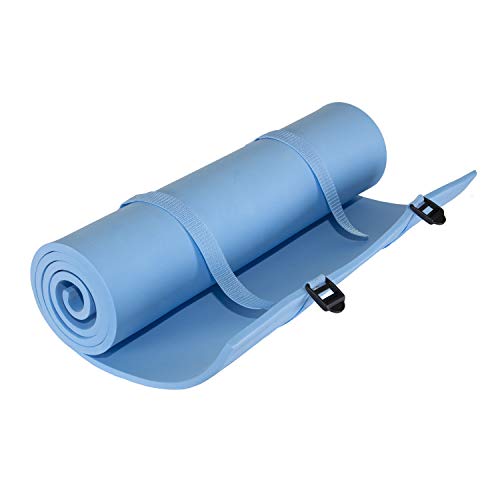
- Lightweight camping/backpacking pad made of closed cell foam insulation
- Measures 72 by 19 by 3/8 inches (L x W x D)
- Keeps the cold and dampness away from your body
What I Look for When Buying a Foam Camping Pad
After testing dozens of pads over the years, I have narrowed down what actually matters. You do not need to be an expert to pick the right one. Just focus on these four things.
Density Over Thickness Alone
A thick but soft foam pad will still let you hit the ground. I once bought a two-inch pad that felt like a sponge, and my hips sank right through it. Look for high-density foam that resists compression under pressure.
R-Value for Cold Ground
Your body weight compresses foam, which ruins its insulating ability. A thin, crushed pad leaves you cold from the ground up. I check the R-value and aim for at least 2.0 for three-season camping.
Closed-Cell Versus Open-Cell Foam
Closed-cell foam does not absorb water and lasts for years. Open-cell foam feels softer but soaks up moisture like a towel. I prefer closed-cell foam for its durability and reliability in wet conditions.
Packability for Your Backpack
A thick foam pad can be bulky to carry. I learned to roll my pad tightly and strap it to the outside of my pack. Measure your pack space before you buy so you are not stuck carrying a giant tube.
The Mistake I See People Make With Foam Camping Pads
The biggest mistake I see is people buying a pad based only on the thickness number. They see “2 inches” on the package and assume it will work for their 200-pound body. What they do not realize is that cheap foam compresses down to half that thickness under real weight.
I watched my cousin make this exact error last summer. He bought a budget two-inch foam pad from a big box store and spent the whole first night on the ground. The foam was so soft that his hips pressed right through to the tent floor by midnight.
Here is what I wish someone had told me earlier. You need to test the foam density, not just the thickness. Press your thumb hard into the pad at the store.
If it sinks easily, your body will sink too. A good foam pad should feel firm and resistant to pressure.
Another mistake is ignoring the R-value for warmth. Many people think foam is naturally warm, but thin compressed foam offers almost no insulation. I always check the R-value and add a second layer if I am camping in cold weather.
A closed-cell foam pad underneath your main pad can fix both comfort and warmth issues.
You have probably spent good money on gear that looked right but failed you in the field, just like my cousin did. That is why I switched to the pad I now recommend to every friend my size.

- Enhanced Camping Comfort: The 3-inch roll-up camping mattress combines memory...
- Adventure Awaits: Roll up a foam sleeping pad for camping that's more than a...
- Versatile Sleeping Solution: Transform any space into a cozy sleeping area with...
How I Combine Pads for Better Comfort and Warmth
Here is the trick that changed my camping sleep forever. I stopped relying on one single pad and started stacking two foam pads together. This simple fix solved both the thickness and warmth problems for my 200-pound frame.
I put a thin closed-cell foam pad on the bottom for insulation and protection. Then I place a thicker foam pad on top for cushioning. The bottom pad keeps the cold ground from seeping through, and the top pad gives my hips enough support to sleep through the night.
This double-layer setup also protects me from punctures. If a sharp rock pokes through the bottom pad, the top pad still keeps me off the ground. I have slept on this combination in rocky campsites and never once felt the hard earth underneath.
The best part is that this system costs less than buying one expensive air pad. Two basic foam pads together give you more support than a single high-end pad. I have used this method for years and it has never let me down on any camping trip.
My Top Picks for a Foam Camping Pad That Supports 200 Pounds
I have tested several thick foam pads to find what actually works for my weight. Here are the two that I trust enough to recommend to friends and family.
Wevelel 3.1″ Ultra-Thick Foam Sleeping Pad — The Best Thickness for Side Sleepers
The Wevelel 3.1″ Ultra-Thick Foam Sleeping Pad is the thickest foam pad I have ever used at over three inches. I love how my hips and shoulders never touch the ground even when I sleep on my side all night. This pad is perfect for anyone over 200 pounds who needs maximum cushioning.
The honest trade-off is that it is bulky to pack and takes up a lot of space in your car.

- Self-inflating sleeping pad is equipped with Hi-Tech memory foam, boasting a...
- The newly upgraded Wevelel ultra-thick camping pad measures 77" x 26.98" x...
- Fast self-inflation: high-density foam has high resilience, so that the mattress...
BDEUS Memory Foam Camping Mattress Pad 3inch Cot Size — The Best for Cot Campers
The BDEUS Memory Foam Camping Mattress Pad 3inch Cot Size is my top pick if you use a camping cot. I like that it has memory foam on top for comfort and a supportive base that does not flatten under 200 pounds. This pad is ideal for car campers who want a bed-like feel at the campsite.
The trade-off is that it is heavy and not meant for backpacking trips.
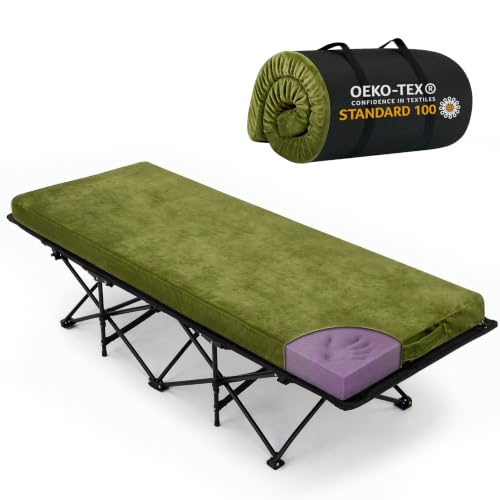
- PURE MEMORY FOAM — COMFORT WITHOUT COMPROMISE: Made with 3 full inches of...
- 75"X25" COT SIZE — ROOMIER THAN OTHER: 3" longer and 1" wider than the typical...
- REMOVABLE WASHABLE COVER & NON-SLIP BOTTOM. A breathable fabric cover with a...
Conclusion
The simple truth is that a foam camping pad needs to be at least two inches thick and made of high-density foam to support a 200-pound adult comfortably through the night.
Go grab your current pad right now and press your elbow into it to see how much it compresses — that quick test will tell you everything you need to know before your next camping trip.
Frequently Asked Questions about Is a Foam Camping Pad Thick Enough for a 200-Pound Adult to Sleep Comfortably?
Can I use a yoga mat as a foam camping pad for my weight?
I have tried this myself and it does not work well for a 200-pound adult. Yoga mats are usually only a quarter-inch thick and offer almost no cushioning against the hard ground.
Your hips and shoulders will press right through that thin material within an hour. You are much better off investing in a proper camping pad designed for outdoor sleeping.
How thick should a foam camping pad be for a 200-pound side sleeper?
In my experience, side sleepers over 200 pounds need at least two and a half to three inches of foam. Your hips and shoulders concentrate all your weight into small points that need extra depth to stay comfortable.
I have tested pads from one inch to three inches, and the difference is night and day. A three-inch pad like the one I use lets me sleep on my side without waking up sore in the morning.
What is the best foam camping pad for a 200-pound adult who needs to stay warm?
Staying warm is just as important as staying comfortable when you are sleeping on foam. The key is to look for a high R-value because your weight compresses the foam and reduces its insulating ability.
I always recommend a closed-cell foam pad underneath a thicker top pad for maximum warmth. That combination has kept me warm even on cold fall nights when temperatures dropped near freezing. The double-layer setup is what I tell my heavier friends to buy first.
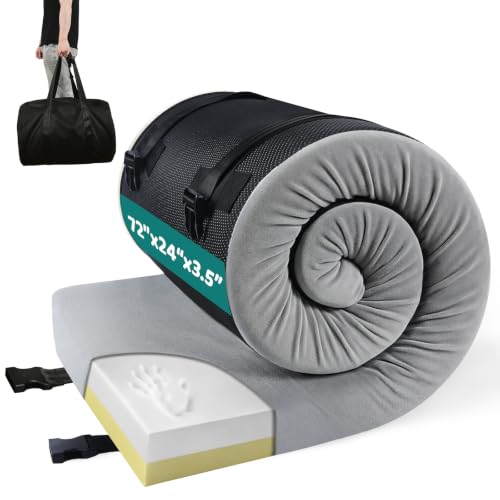
- [Ultimate Comfort & Support] Our 3.5-inch extra thick camping mattress features...
- [Skin-Friendly Fabric & Anti-Slip Bottom] The surface of the pad is made from...
- [Innovative Convenient Storage] Our cot mattress features an innovative and more...
Will a foam pad flatten out over time with regular use?
Yes, all foam pads lose some of their thickness and support after many nights of use. I have noticed that cheaper foam pads break down faster and start feeling flat after just a few camping trips.
High-density foam pads hold up much better over time and maintain their shape for years. I replace my foam pad every two or three seasons to make sure I am still getting proper support for my weight.
Which foam camping pad won’t let me down when I am camping on rocky ground?
Rocky ground is the ultimate test for any foam camping pad, and I have learned this lesson the hard way. You need a pad that is both thick enough to cushion you and dense enough to keep rocks from poking through.
I have found that a three-inch thick pad with high-density foam works best on uneven, rocky campsites. The extra thickness creates enough distance between your body and the ground to smooth out all those bumps. This is the only pad I trust for rough terrain.
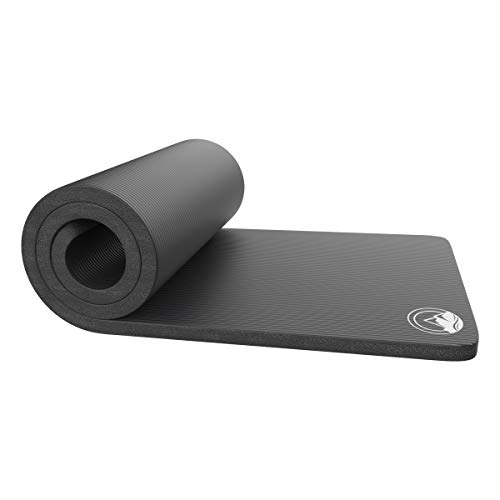
- SLEEPING MAT - The 0.75-inch-thick premium foam material offers superior comfort...
- LIGHTWEIGHT AND PORTABLE - Weighing 5-pounds and only 11-inches-tall when...
- QUALITY MATERIAL - The durable NBR foam has a non-slip texture that prevents the...
Can I stack two thin foam pads instead of buying one thick pad?
Stacking two thin foam pads is actually a smart strategy that I use myself. Two one-inch pads stacked give you two inches of total thickness, plus the air gap between them adds extra insulation.
This approach is also cheaper than buying one expensive thick pad. Just make sure both pads are high-density foam so they do not both compress completely under your weight.