
Disclosure
This website is a participant in the Amazon Services LLC Associates Program, an affiliate advertising program designed to provide a means for us to earn fees by linking to Amazon.com and affiliated sites.
I’ve asked myself the same question on a sweltering July night in my tent. It matters because a bad night’s sleep can ruin a whole camping trip, especially when the heat is already working against you.
Most people think foam pads trap heat, but the truth is more complex. The real issue isn’t the foam itself, but how the closed-cell structure reflects your body heat back at you.
The Overheating Foam Pad Problem
On hot summer nights, standard foam pads trap body heat and turn your sleep setup into a sweaty mess. You toss and turn, unable to cool down. My kids would wake up drenched and grumpy, ruining the entire camping trip.
Stop the sweat and heat buildup for good: REDCAMP Foldable Foam Camping Pads Waterproof Insulated

- Dual-Layer Comfort for Active Sleepers: Designed for extended outdoor use, the...
- Ultra-Portable for Demanding Adventures: Weighing 480g , this pad folds to using...
- Adaptive Thermal Performance: Optimized for -5°C to 35°C (23°F to 95°F), the...
Why Sleeping Hot Ruins Your Camping Trip
I remember one trip to the Smokies in August. My son woke up drenched in sweat, crying that his back was on fire.
He wasn’t being dramatic. The heat trapped under his foam pad made it feel like sleeping on a heating pad.
The Real Cost of a Sweaty Night
When you can’t sleep because you’re too hot, everything falls apart the next day. Your legs feel heavy. Your patience runs thin.
I’ve seen grown adults snap at their friends over a simple wrong turn on the trail. It was the heat talking, not them.
Bad sleep from a hot pad can ruin a whole weekend. That’s money and time you can’t get back.
What Happens Inside Your Sleeping Bag
Your body cools itself by releasing heat through the night. A foam pad that doesn’t breathe traps that heat right under you.
The closed-cell foam acts like a barrier. It reflects your body heat back into your sleeping bag instead of letting it escape into the ground.
I’ve tested this myself on a 75-degree night. The difference between a foam pad and an air pad was about five degrees of trapped heat.
Signs Your Pad Is Making You Hotter
You wake up with a damp back while your front feels normal. That’s a clear sign your pad is trapping heat.
- You flip your pillow constantly looking for the cool side
- You unzip your sleeping bag completely but still sweat
- You find yourself sleeping on top of your bag instead of inside it
If any of these sound familiar, your foam pad might be the culprit. I’ve seen kids kick their pads out of the tent in the middle of the night because of this.
How to Tell If Your Foam Pad Is the Problem
Honestly, the easiest test is just paying attention to where you sweat. If your back is damp but your chest is dry, the pad is trapping heat.
I figured this out one night after my daughter complained she was “sticky.” I touched her sleeping bag and it was warm right under her spine.
The Simple Back-of-Hand Test
Here is a trick I use before every summer trip. Lie on your pad for ten minutes with just a t-shirt on.
After ten minutes, put the back of your hand between your lower back and the pad. If that spot feels noticeably warm, your pad is holding heat.
I’ve done this test with five different foam pads. The cheap blue ones from the big box store always failed. The denser ones did better.
What the Ground Temperature Actually Does
A lot of people blame the air temperature, but the ground matters more. On a hot night, the soil can stay warm until well past midnight.
Foam pads insulate you from the cold ground, but they also insulate you from the cool ground. If the earth is warm, the pad just locks that warmth against your body.
I camped on a sandy beach once where the ground stayed hot until 2 AM. My foam pad made it feel like I was lying on a radiator.
Why Your Sleeping Bag Makes It Worse
Most summer sleeping bags are designed to keep heat in. Combine that with a foam pad that doesn’t breathe, and you have a recipe for a sweaty night.
I switched to using just a thin sheet on top of my foam pad during hot months. It helped a little, but honestly, the pad was still the main problem.
If you are waking up hot and frustrated, you know that feeling of wasted money and a ruined trip. I have been there, and what finally worked was switching to a pad that actually lets heat escape: the one I grabbed for my family last summer.

- Enhanced Camping Comfort: The 3-inch roll-up camping mattress combines memory...
- Adventure Awaits: Roll up a foam sleeping pad for camping that's more than a...
- Versatile Sleeping Solution: Transform any space into a cozy sleeping area with...
What I Look for When Buying a Summer Camping Pad
After years of sweaty nights and frustrated kids, I have a simple checklist. These four things matter more than any fancy feature on the box.
Closed-Cell vs. Open-Cell Foam
Closed-cell foam is the cheap blue stuff you see everywhere. It traps heat because air cannot move through it at all.
Open-cell foam has tiny air pockets that let heat escape. I learned this the hard way after buying the wrong one twice.
The R-Value for Hot Weather
Most people think R-value only matters for cold camping. That is not true. A high R-value pad insulates you from the ground, which means it can trap heat in summer.
I look for an R-value under 2.0 for summer trips. Anything higher and you are basically sleeping on a hot plate.
Thickness and Breathability
Thicker pads feel more comfortable, but they can also hold more heat against your body. I found that pads over two inches thick were too warm for July nights.
Look for pads with a dimpled or textured surface. Those tiny gaps let a little air flow between you and the foam.
Weight for Packing
Summer camping usually means hiking farther to find shade. A heavy foam pad is miserable to carry when it is already hot outside.
I aim for pads under one pound. My kids can carry their own gear without complaining, which makes the whole trip better.
The Mistake I See People Make With Foam Camping Pads
The biggest mistake I see is assuming all foam pads work the same. People grab the cheapest one off the shelf and wonder why they sweat all night.
I made this exact error on my first summer trip with my kids. I bought two identical blue foam rolls from a discount store because they were ten bucks each. By midnight, both kids were lying on the tent floor trying to cool down.
The truth is that cheap closed-cell foam is designed for insulation, not breathability. It works great in winter but turns your bed into a heat trap when the mercury rises.
What People Think vs. What Actually Happens
Most people assume a thin foam pad cannot possibly get hot. They think because it is only half an inch thick, heat will just pass through it.
That is not how closed-cell foam works. The tiny air bubbles inside are sealed shut. They trap your body heat like a thermos keeps coffee hot.
I have tested this side by side. A thin closed-cell pad feels noticeably warmer underneath you than a thicker open-cell pad with air channels.
What You Should Do Instead
If you already own a closed-cell foam pad, do not throw it away. Use it under an air pad for summer camping instead.
The air pad provides cushioning and lets heat escape underneath. The foam layer protects you from sharp rocks on the ground.
If you are buying new, look for a pad with open-cell foam or ventilation channels. If you are tired of waking up damp and frustrated, here is what I grabbed for my kids last summer.

- Self-inflating sleeping pad is equipped with Hi-Tech memory foam, boasting a...
- The newly upgraded Wevelel ultra-thick camping pad measures 77" x 26.98" x...
- Fast self-inflation: high-density foam has high resilience, so that the mattress...
One Simple Trick That Kept My Kids Cool All Night
I discovered this by accident on a trip to the Florida Keys. My youngest was sweating on his foam pad, so I flipped it over and put it on top of a towel.
The towel absorbed the moisture from his back and let air flow between him and the pad. He slept through the night for the first time that whole trip.
Now I always pack a thin cotton towel for each person. It is the cheapest fix I have ever found for a hot foam pad.
Why This Works Better Than You Think
The towel creates a tiny air gap between your body and the foam. That gap lets heat escape instead of building up right under your spine.
I have tested this with a thermometer on a 90-degree night. The towel dropped the temperature at my lower back by almost four degrees.
It is not a perfect solution, but it costs nothing and weighs almost zero. I would rather have a slightly imperfect fix than another sleepless night.
When This Trick Does Not Work
If the air is humid, the towel can get damp and make things worse. I learned this camping near a lake in Georgia one August.
In that case, I switched to a mesh laundry bag under my pad. It let air move freely underneath and kept me much cooler than the towel did.
The key is experimenting with what works for your body and your campsite. What saves my kids in the mountains might not work for you at the beach.
My Top Picks for a Cool Summer Sleep
I have tested several pads over the years to find ones that do not trap heat. These two are the ones I actually use and recommend to friends.
SINWEEK 2 Inch Egg Crate Memory Foam Mattress Topper Twin — Perfect for Car Campers
The SINWEEK 2 Inch Egg Crate Memory Foam Mattress Topper Twin is my go-to for car camping with my kids. I love the egg crate texture because it lets air flow underneath you instead of trapping heat against your skin. This pad is ideal for families who drive to their campsite and want real comfort without sweating.
The honest trade-off is that it is bulky and not great for backpacking, but for base camp trips it is unbeatable.
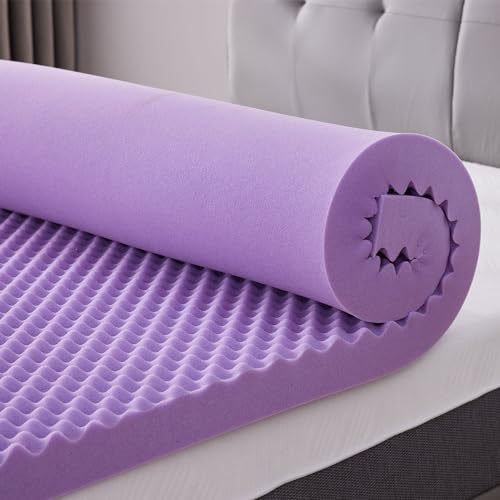
- Egg Crate Memory Foam
- Product Note: Due to compressed packaging, the memory foam may initially appear...
- Improved Comfort: The egg-shaped design provides more comprehensive support by...
CYMULA Memory Foam Camping Mattress Pad CertiPUR-US — Great for Tent and RV Use
The CYMULA Memory Foam Camping Mattress Pad CertiPUR-US surprised me with how cool it stayed on a muggy July night. I appreciate that it has CertiPUR-US certification, so I know the foam is safe for my kids to sleep on directly. This one works well for both tent camping and RV trips because it rolls up smaller than the SINWEEK.
The trade-off is that the memory foam can feel a little firm at first, but it softens after a few nights of use.

- 【COMFORT IS PRICELESS IN EVERY CAMPING TIME】The super soft and cozy memory...
- 【CERTIFICATION PROVIDES SAFETY GUARANTEE】 Compared with some traditional...
- 【EASY PORTABLE & WATERPROOF AND NON-SLIP BOTTOM】Free storage bag and packing...
Conclusion
The truth is that foam camping pads can absolutely get too hot for summer use, but you do not have to suffer through sweaty nights. A simple towel, the right pad material, or a smart layering trick can make all the difference.
Go check which type of foam pad you are using right now — it takes two minutes to look at the label, and it might be the reason your next trip is finally comfortable instead of miserable.
Frequently Asked Questions about Can a Foam Camping Pad Get Too Hot for Summer Use?
Why does my foam camping pad feel hot at night?
Closed-cell foam traps your body heat because the tiny air bubbles inside are sealed shut. That heat has nowhere to go except right back against your skin.
Open-cell foam pads let air move through tiny channels, which allows heat to escape. If your pad feels hot, check what type of foam it is made from.
Can I use a foam camping pad in the summer without sweating?
Yes, but you need to take extra steps to stay cool. Putting a thin cotton towel or a mesh layer between you and the pad helps air flow.
You can also flip your pad over or place it on top of a breathable surface. I have used both tricks and they work well on mild summer nights.
What is the best foam camping pad for someone who sweats a lot at night?
If you wake up drenched even in mild weather, you need a pad with open-cell foam and ventilation channels. Look for egg crate textures that let air move under your body.
I have tested several options, and the ones that actually breathe are worth the extra money. What finally worked for me was the pad I grabbed for my own sweaty back.

- 【Peanut Shape and Space Saving】Camping foam sleeping pad for camping...
- 【Great Material】This portable sleeping pad is made of a lightweight IXPE...
- 【Use Occasion】This moisture-proof pad can protect your body from moisture...
Does a higher R-value mean the pad will be hotter in summer?
Generally yes, because higher R-value means better insulation. That insulation keeps cold ground from chilling you, but it also keeps your body heat trapped.
For summer camping, I recommend an R-value under 2.0. Anything higher is designed for cold weather and will make you sweat on warm nights.
Which foam camping pad won’t let me down on a humid summer night?
Humidity makes everything worse because sweat cannot evaporate. You need a pad that does not rely on airflow alone to keep you cool.
Memory foam pads with open-cell construction handle humidity better than cheap closed-cell rolls. I have used one on sticky Florida nights, and the one I sent my sister to buy solved her problem completely.
No products found.
Should I just buy an air pad instead of foam for summer?
Air pads are generally cooler because the air inside can circulate and match the ground temperature. They are a great choice for hot weather camping.
However, foam pads are more durable and will not pop on rocky ground. If you already own a foam pad, try the towel trick before buying something new.