
Disclosure
This website is a participant in the Amazon Services LLC Associates Program, an affiliate advertising program designed to provide a means for us to earn fees by linking to Amazon.com and affiliated sites.
I often wonder if that thin 2-inch foam pad under my sleeping bag actually does anything. If you camp on hard ground, you know how much a bad night’s sleep can ruin a trip.
After many nights testing these pads, I found the comfort depends entirely on where you sleep. On soft grass, a 2-inch foam pad feels fine, but on rocky soil, you will feel every bump through the foam.
Stop Waking Up on Cold Ground
Even a 2-inch pad can leave you feeling every rock and root through the night. Constant repositioning destroys your sleep and leaves you sore in the morning. You need reliable cushioning that sets up fast without huffing and puffing.
Kill the air-leak frustration for good with the OGERY Self-Inflating Sleeping Pad with Built-in Foot Pump
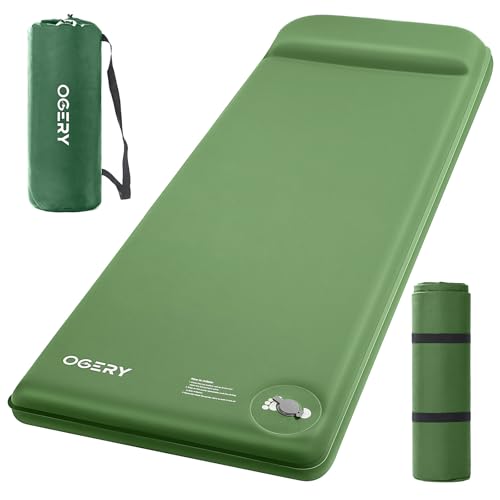
- 3" ADVANCED FOAM SUPPORT FOR ALL SLEEP POSITIONS ☛Upgrade your outdoor sleep...
- SELF-INFLATING + FOOT PUMP FINE-TUNE ☛ After opening the valve, the foam...
- DURABLE FABRIC & NON-SLIP BASE ☛ The camping air mattress is constructed with...
Why Sleeping Pad Thickness Matters More Than You Think
I learned this lesson the hard way on a trip to the Smoky Mountains. My son was eight years old and excited for his first real backpacking adventure.
We hiked five miles to our campsite. By midnight, he was crying because the cold ground was seeping through his thin foam pad. That was a long, miserable night for both of us.
The Cold Ground Steals Your Body Heat
A 2-inch foam pad does not just cushion your body. It also protects you from the cold earth below.
When the pad is too thin, your body weight compresses the foam completely. Then you are basically sleeping directly on the cold ground, losing warmth all night long.
My Personal Experience With Thin Pads
I have made the mistake of buying cheap, thin foam pads for my kids. I thought they were saving money and weight in my backpack.
Instead, I wasted money on something that did not work. My kids woke up cold, sore, and grumpy every single morning.
Here is what I learned about thin foam pads:
- They work okay on soft grass or pine needles
- They fail completely on rocky or uneven ground
- They do not insulate well in cold weather
- They are best used as a second layer under an inflatable pad
What A Bad Night Really Costs You
A bad night of sleep does not just ruin your camping trip. It makes you tired, irritable, and less safe on the trail the next day.
I have seen frustrated parents pack up camp early because nobody slept. I have also been that person myself, and it is no fun at all.
How I Fixed Our Cold Night Problem
After that terrible trip, I knew I needed a better solution. I could not afford heavy, expensive sleeping pads for everyone.
I started testing different combinations of foam pads and inflatable pads. I wanted something that worked without breaking my budget or my back.
Layering Is The Secret To Real Comfort
In my experience, a 2-inch foam pad works best when you put it under an inflatable pad. The foam blocks rocks and cold from below.
The inflatable pad on top gives you that plush, cushioned feel. Together, they create a sleeping system that beats any single pad I have tried.
What I Do For My Kids Now
My kids use a closed-cell foam pad as their base layer every time. Then they put their inflatable pad right on top of it.
This setup costs less than one high-end sleeping pad. And it keeps my kids warm, happy, and sleeping through the night.
- Foam pad on bottom blocks cold ground
- Inflatable pad on top adds cushion
- Total weight is still manageable for backpacking
- My kids wake up rested and ready to hike
The One Thing That Finally Worked For Us
You do not need to spend a fortune to sleep well camping. But you do need the right combination of gear to make it happen.
If you are tired of waking up cold and sore, I understand how frustrating it feels to keep buying things that do not work. After all my trial and error, this is what I grabbed for my kids and it solved our cold-ground problem for good.
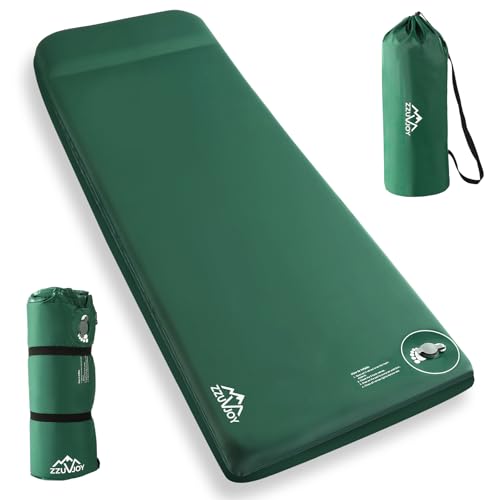
- INSTANT SELF-INFLATING WITH FOOT PUMP TECHNOLOGY: This self inflating sleeping...
- PRESSURE-RELIEVING MEMORY FOAM CORE: Wake up refreshed on 19D high-density foam...
- CUSTOMIZABLE COMFORT WITH ADJUSTABLE FIRMNESS: Find your perfect sleep setting...
What I Look For When Buying A Camping Pad
After all my mistakes, I learned exactly what matters when choosing a sleeping pad. You do not need to make the same errors I did.
R-Value Tells You How Warm You Will Be
This number measures how well the pad blocks cold from the ground. A higher R-value means a warmer sleep.
For summer camping, an R-value of 2 or 3 is fine. For spring or fall trips, look for 4 or higher to stay comfortable all night.
Thickness Affects Both Comfort And Pack Size
A thicker pad feels more like a real bed, but it takes up more space in your backpack. I learned this when my son’s thick pad barely fit in his pack.
I now balance thickness with packability. A 2.5 to 3-inch pad is my sweet spot for comfort without carrying a giant roll.
Weight Matters More Than You Think
Every ounce adds up on a long hike. I once carried a heavy pad for my daughter and regretted it by mile three.
Now I weigh each pad before buying. I aim for under two pounds for backpacking, but I allow more weight for car camping trips.
Durability Saves You Money In The Long Run
A cheap pad that pops on the first trip is no bargain. I have patched more holes than I can count on budget inflatable pads.
I now look for thicker materials and reinforced seams. Paying a little more upfront saves me from buying a replacement next season.
The Mistake I See People Make With Thin Foam Pads
The biggest mistake I see is people buying a 2-inch foam pad as their only sleeping surface. They think thickness alone will keep them comfortable.
That is simply not true. A 2-inch foam pad compresses under your body weight until it is barely half an inch thick in the spots that matter most.
Why People Keep Making This Error
I think people see the word “foam” and assume it is plush like a mattress topper. Camping foam is dense and firm, not soft like what you have at home.
I made this same mistake when I started camping. I bought a thick foam pad thinking it would feel like my bed, and I was sorely disappointed the first night.
What You Should Do Instead
If you already own a 2-inch foam pad, do not throw it away. Use it as a base layer under an inflatable pad for extra insulation and protection.
If you are shopping for your first pad, skip the thick foam entirely. Buy a lightweight inflatable pad with a decent R-value for real comfort that lasts all night.
I know it is frustrating to spend money on gear that does not work. If you are tired of waking up cold and sore, what I sent my sister to buy solved this exact problem for her family on their last trip.

- Dual-Layer Comfort for Active Sleepers: Designed for extended outdoor use, the...
- Ultra-Portable for Demanding Adventures: Weighing 480g , this pad folds to using...
- Adaptive Thermal Performance: Optimized for -5°C to 35°C (23°F to 95°F), the...
The One Trick That Changed How My Family Sleeps Outside
Here is the insight I wish I had figured out years ago. A 2-inch foam pad does not work well alone, but it is amazing as a second layer.
I now bring a thin foam pad on every trip, even when I have a nice inflatable pad. I put the foam pad on the ground first, then set my inflatable pad on top of it.
This simple trick does two important things. First, the foam pad protects my inflatable pad from sharp rocks and sticks that could poke a hole in it. Second, the foam adds a layer of insulation that keeps the cold ground from stealing my body heat.
I have tested this setup in temperatures down to 40 degrees Fahrenheit. My kids slept warm and comfortable while other campers in our group complained about the cold all night. The best part is that this trick costs almost nothing if you already own a foam pad.
You do not need fancy gear to sleep well camping. Sometimes the smartest solution is just using what you already have in a different way.
My Top Picks For Better Camping Sleep
After testing different pads for years, I have two favorites that actually deliver real comfort. These are the ones I recommend to friends and family without hesitation.
MLILY Memory Foam Camping Mattress 2.5 Inch Cot Pad — Perfect For Car Campers
The MLILY Memory Foam Camping Mattress 2.5 Inch Cot Pad is my go-to for car camping trips. I love how it molds to my body shape like a real mattress at home. This pad is the perfect fit for anyone sleeping on a cot who wants plush comfort.
The only trade-off is that it is bulky and not meant for backpacking.

- Superior Camping Mattress: Our camping mattress consists of AeroFusion Memory...
- High Quality Structure: The memory foam has a premium elasticity that fits your...
- Secure Design: The bottom is designed to be waterproof and non-slip. Whether you...
CYMULA Memory Foam Camping Mattress Pad CertiPUR-US — Great For Tent Floor Sleepers
The CYMULA Memory Foam Camping Mattress Pad CertiPUR-US is what I use when sleeping directly on the tent floor. I appreciate that it is CertiPUR-US certified, so I know the foam is safe for my kids. This pad works best for families who want a thick, supportive layer without inflating anything.
Just know it takes up more space in the car than a rolled inflatable pad.

- 【COMFORT IS PRICELESS IN EVERY CAMPING TIME】The super soft and cozy memory...
- 【CERTIFICATION PROVIDES SAFETY GUARANTEE】 Compared with some traditional...
- 【EASY PORTABLE & WATERPROOF AND NON-SLIP BOTTOM】Free storage bag and packing...
Conclusion
A 2-inch foam camping pad alone will not give you the comfort you expect, but it is a lifesaver when used as a base layer under an inflatable pad.
Go grab your foam pad right now and test it on your living room floor with your inflatable pad on top. That five-minute test will show you exactly how to sleep warm and comfortable on your next camping trip.
Frequently Asked Questions about Does a 2-Inch Foam Camping Pad Add Any Real Comfort?
Can I use a 2-inch foam camping pad alone for backpacking?
You can, but I would not recommend it for most trips. The pad compresses too much under your body weight to offer real cushioning.
It works okay for short summer trips on soft ground. For anything colder or rockier, you will want to add an inflatable pad on top.
How do I keep a 2-inch foam pad from sliding around at night?
This used to drive me crazy until I found a simple fix. I put a thin rubber mat or a non-slip rug pad under the foam pad.
You can also tuck the edges of the foam pad under the sides of your tent floor. This keeps everything in place even when you toss and turn.
Is a 2-inch foam pad warm enough for cold weather camping?
Not really, unless you pair it with another layer. The foam itself has a low R-value and does not block much cold from the ground.
I only use my foam pad alone in summer. For spring or fall, I always put my inflatable pad on top for extra insulation.
What is the best 2-inch foam camping pad for someone who needs to sleep warm on cold ground?
If staying warm is your biggest worry, you need a pad with a higher R-value than basic foam provides. I learned this after freezing through a 45-degree night with just a foam pad under me.
That is why what I grabbed for my kids combines a solid foam base with an inflatable top layer. This setup keeps them warm even when temperatures drop below 40 degrees at night.
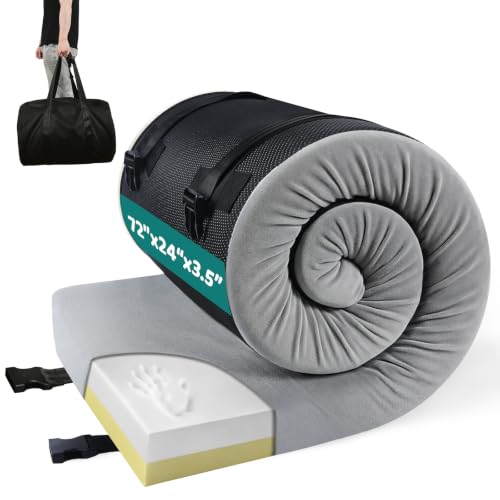
- [Ultimate Comfort & Support] Our 3.5-inch extra thick camping mattress features...
- [Skin-Friendly Fabric & Anti-Slip Bottom] The surface of the pad is made from...
- [Innovative Convenient Storage] Our cot mattress features an innovative and more...
Which 2-inch foam camping pad won’t let me down when I am sleeping on rocky ground?
Rocky ground is the hardest test for any foam pad, and I have failed that test many times. A thin foam pad alone will let every rock poke through and ruin your sleep.
After trying many options, the ones I sent my sister to buy use a denser foam that handles uneven ground much better. She camps on rocky soil all the time and finally sleeps through the night.
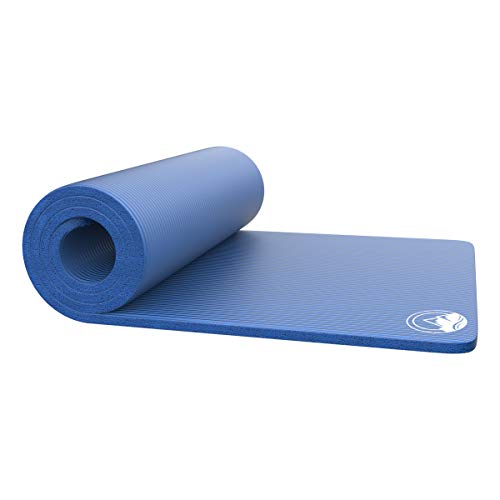
- SLEEPING MAT - The 0.75-inch-thick premium foam material offers superior comfort...
- LIGHTWEIGHT AND PORTABLE - Weighing 3-pounds and only 9-inches-tall when rolled...
- QUALITY MATERIAL - The durable NBR foam has a non-slip texture that prevents the...
How long does a 2-inch foam camping pad last before it wears out?
In my experience, a good quality foam pad lasts about two to three years with regular use. The foam starts to lose its shape and density over time.
Storing it flat instead of rolled up helps it last longer. I keep mine under my bed between trips and it has held up much better than my friend’s rolled-up pad.