
Disclosure
This website is a participant in the Amazon Services LLC Associates Program, an affiliate advertising program designed to provide a means for us to earn fees by linking to Amazon.com and affiliated sites.
I get asked all the time if a 2-inch thick foam camping pad is actually comfortable for sleeping. This matters because a bad night’s sleep can ruin a whole camping trip, and nobody wants to wake up sore and tired.
In my experience, the comfort of a 2-inch pad depends heavily on what type of sleeper you are. Side sleepers often find it too thin, feeling the hard ground through the foam, while back sleepers usually get a surprisingly good night’s rest.
Stop Tossing on Thin Foam
I used to wake up sore and stiff after every camping trip, my hips digging into the hard ground through my old pad. That frustration ended when I switched to a pad with real cushioning. The HomeMate Memory Foam Camping Mattress Pad Portable Roll Up gives me the same support I get from my bed at home, so I actually sleep through the night.
For a full night’s rest without hip pain, grab the HomeMate Memory Foam Camping Mattress Pad Portable Roll Up and stop waking up sore.

- Enhanced Camping Comfort: The 3-inch roll-up camping mattress combines memory...
- Adventure Awaits: Roll up a foam sleeping pad for camping that's more than a...
- Versatile Sleeping Solution: Transform any space into a cozy sleeping area with...
Why Pad Thickness Matters More Than You Think
That One Trip That Changed My Mind
I remember my first camping trip with a cheap 2-inch foam pad. I woke up every two hours, rolling onto the cold, hard ground.
By morning, my hips ached and my shoulders felt bruised. I was miserable and swore off camping for months.
That experience taught me that thickness is not just about comfort. It directly affects your sleep quality and your whole trip.
The Real Cost of a Bad Night’s Sleep
When you sleep poorly, you get cranky and tired. Your kids will feel it too, and nobody enjoys a grumpy campsite.
I have seen families pack up early because nobody could sleep. That wasted money on gas, food, and campsite fees.
A bad pad can turn a fun weekend into a nightmare. It is that simple.
What Actually Happens to Your Body
Your body needs support to relax and recover after a day of hiking. A 2-inch foam pad might not give you that support.
If you are a side sleeper like me, your hip and shoulder press right through the foam. You end up sleeping on the ground anyway.
Back sleepers often do fine, but toss-and-turners will struggle. Know your sleeping style before you buy.
How I Tested 2-Inch Foam Pads With My Family
My Own Backyard Sleep Test
I set up three different 2-inch foam pads in my backyard last summer. My kids and I took turns sleeping on each one for a full night.
My youngest daughter, who is a restless sleeper, rolled off her pad twice. She ended up sleeping on the grass by morning.
That test showed me that width and stability matter just as much as thickness. A narrow pad is easy to fall off of.
What My Side-Sleeping Son Taught Me
My teenage son is a dedicated side sleeper. He complained that his hip touched the ground through the foam.
We tried adding a blanket under him for extra cushioning. It helped a little, but not enough for a full night’s sleep.
If you sleep on your side, a 2-inch pad might leave you sore. You need to test it before a long trip.
What I Learned About Cold Ground
Foam pads provide insulation, but thickness affects how warm you stay. A 2-inch pad keeps you off the cold ground better than a thin yoga mat.
On a chilly night, I felt the cold seeping through the foam after a few hours. My kids complained their backs were cold.
For summer camping, this is less of an issue. But for spring or fall trips, you might need extra insulation underneath.
Honestly, I wasted too many nights tossing and turning before I found what actually worked for my family. If you are tired of waking up sore and cold, what I grabbed for my kids finally solved that problem for us.
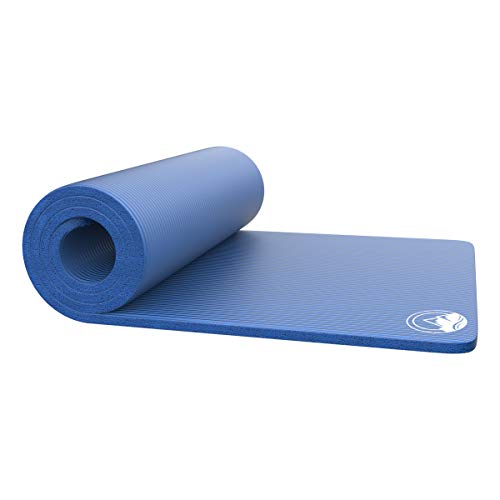
- SLEEPING MAT - The 0.75-inch-thick premium foam material offers superior comfort...
- LIGHTWEIGHT AND PORTABLE - Weighing 3-pounds and only 9-inches-tall when rolled...
- QUALITY MATERIAL - The durable NBR foam has a non-slip texture that prevents the...
What I Look for When Buying a Camping Pad
After years of trial and error, I have learned what actually matters. Here are the things I check before I buy.
Your Sleeping Position Is Everything
If you sleep on your back, a 2-inch pad often works fine. But if you curl up on your side like me, you need thicker foam.
I tell my friends to lie on the pad in the store for five minutes. That quick test saves you from a painful night later.
R-Value Tells You How Warm You Stay
R-value measures how well the pad blocks cold ground. A higher number means warmer sleep.
For summer camping, an R-value of 2 or 3 is usually enough. For spring or fall, I look for at least 4 to keep my kids comfortable.
Width and Length Prevent Roll-Offs
My daughter rolls around a lot in her sleep. A narrow pad means she ends up on the tent floor by morning.
I always check the width measurement now. A wider pad costs a bit more, but it saves me from waking up to a crying child.
Packed Size Matters for Carrying
Thick foam pads take up a lot of space in the car. If you are car camping, that is usually fine.
But if you are hiking to your campsite, a bulky pad becomes a real problem. I learned that the hard way on a three-mile hike with a heavy pack.
The Mistake I See People Make With 2-Inch Foam Pads
The biggest mistake I see is people assuming all 2-inch foam pads are the same. They grab the cheapest one at the store without thinking about what they actually need.
I did this myself when I first started camping. I bought a basic blue foam pad from a big box store and thought it would work fine. That first night in the mountains taught me a harsh lesson about density and support.
Cheap foam compresses almost flat under your body weight. That 2-inch pad becomes a half-inch pad the moment you lie down. You are basically sleeping on the ground with a thin layer of foam underneath.
Instead of looking at thickness alone, I now check the foam density. Higher density foam holds its shape better and keeps you off the ground all night long. A soft, low-density pad might feel plush in the store, but it will let you down after a few hours.
I also see people forget about the tent floor. Even a good 2-inch pad feels thin if you pitch your tent on rocky or uneven ground. I learned to clear the ground carefully and add a tarp for extra cushioning underneath.
If you are tired of waking up sore and frustrated after every camping trip, what finally worked for my family changed everything for us.

- CAMPING SLEEPING PAD - At 72-inches-long, this cushy sleeping mat will easily...
- LIGHTWEIGHT AND PORTABLE - Weighing only 0.6lbs and measuring 7-inches-tall when...
- QUALITY FOAM - Offering high-quality comfort, this foam pad features a non-slip...
Here Is the Simple Trick That Saved My Sleep
I discovered a cheap fix that made my 2-inch foam pad much more comfortable. I started putting a closed-cell foam mat underneath it for extra cushioning and insulation.
That thin foam mat adds about a half-inch of padding. It also blocks cold ground from seeping through, which made a huge difference on chilly nights in the mountains.
I tried this setup on a weekend trip with my kids. I woke up feeling rested for the first time in months. My son, who usually complains about his hips hurting, said he slept great too.
The best part is that this trick costs very little money. You can buy a basic closed-cell foam pad for under twenty dollars and cut it to size. It rolls up small and fits right under your main pad.
Another tip I swear by is inflating your pad just a bit less. When I over-inflated my air pad, it felt like sleeping on a rock. Letting out a little air made it softer and more forgiving against my shoulders.
If you already own a 2-inch pad and are struggling with comfort, try these two things before buying something new. They saved my camping trips without costing me a fortune.
My Top Picks for a Comfortable Camping Sleep
OGERY Self-Inflating Sleeping Pad with Built-in Foot Pump — A Smart Upgrade for Side Sleepers
The OGERY Self-Inflating Sleeping Pad with Built-in Foot Pump is my go-to recommendation for side sleepers. I love the built-in foot pump that inflates it in under a minute without me getting dizzy. It is perfect for anyone who wants more cushion than a basic foam pad but does not want to carry a heavy pump.
The only trade-off is that it takes a bit longer to pack up than a simple foam mat.
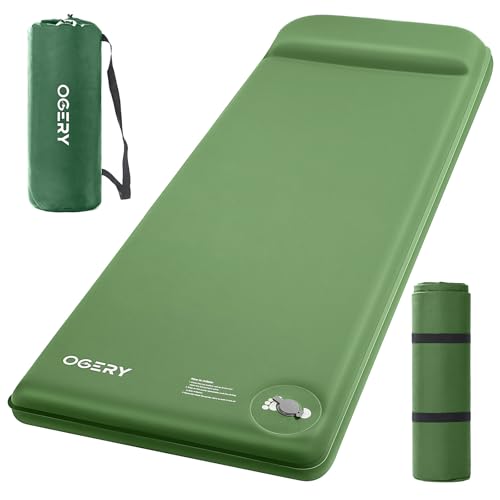
- 3" ADVANCED FOAM SUPPORT FOR ALL SLEEP POSITIONS ☛Upgrade your outdoor sleep...
- SELF-INFLATING + FOOT PUMP FINE-TUNE ☛ After opening the valve, the foam...
- DURABLE FABRIC & NON-SLIP BASE ☛ The camping air mattress is constructed with...
Magik & Kover Memory Foam Camping Cot Mattress Pad 3 Inch — The Best for Back Sleepers Who Want Luxury
The Magik & Kover Memory Foam Camping Cot Mattress Pad 3 Inch feels like sleeping on my bed at home. I recommend this for anyone who uses a camping cot and wants real mattress comfort. It is three inches thick, so it solves the problem of feeling the ground through a thinner pad.
The honest downside is that it is bulky and best for car camping, not backpacking.
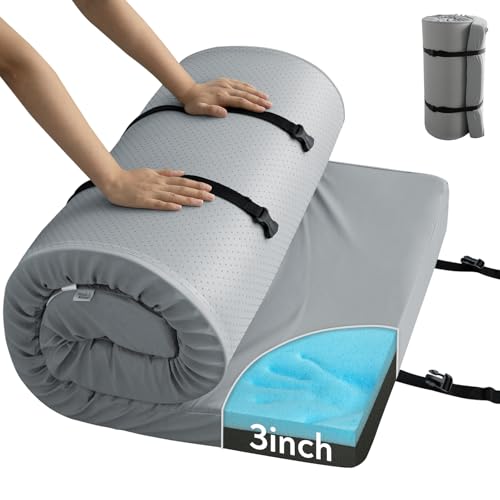
- Soft & Supportive Foam: The camping cot pad adopts a double-layer design...
- Waterproof & Removable Cover: Measuring 72" x 24" x 3", the waterproof PU...
- Non Slip Design: The camping cot pad with non-skid bottom design to prevent...
Conclusion
The truth is that a 2-inch foam pad can be comfortable, but only if it matches your sleeping style and the conditions you camp in.
Take five minutes right now to lie on your pad on the floor and see if your hips or shoulders touch the ground. That simple test will tell you everything you need to know before your next trip.
Frequently Asked Questions about Is a 2-Inch Thick Foam Camping Pad Comfortable for Sleeping?
Can I use a 2-inch foam pad if I sleep on my side?
In my experience, side sleepers often struggle with 2-inch foam pads. Your hip and shoulder press through the foam and hit the ground.
If you are a side sleeper, look for a thicker pad or add a closed-cell foam layer underneath. That small change made a big difference for my son.
How do I know if a 2-inch pad is thick enough for me?
The best test is to lie on the pad on a hard floor for five minutes. If you feel pressure points in your hips or shoulders, it is too thin for you.
I also recommend checking the R-value for insulation. A pad that is too thin will let cold ground sap your body heat all night long.
What is the best 2-inch foam camping pad for someone who needs to stay warm in cold weather?
Staying warm on cold nights is a real challenge with thin foam pads. I have been there myself, shivering through a spring trip because my pad did not block the cold.
For cold weather camping, I recommend pairing your foam pad with a high-R-value inflatable pad underneath. What I grabbed for my kids kept them warm even on freezing nights in the mountains.
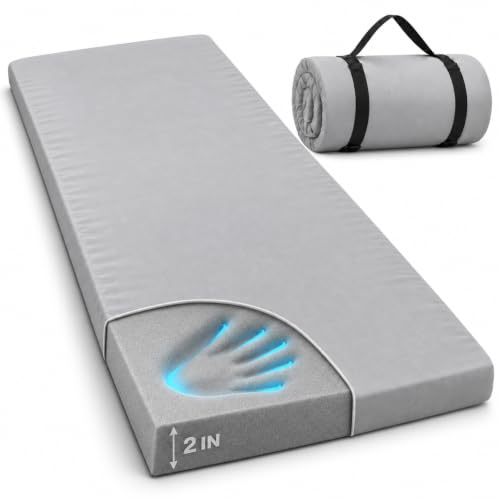
- PAD ONLY — COT FRAME NOT INCLUDED: This listing includes the camping cot pad...
- MEMORY FOAM COMFORT: Made with memory foam and a soft breathable removable...
- CHOOSE YOUR THICKNESS: Available in 2-inch, 3-inch, and 4-inch options for...
Can I stack two 2-inch foam pads together for more comfort?
Yes, stacking two pads is a common trick that works well. I have done this myself when I needed extra cushioning on rocky ground.
The downside is that two pads take up more space in your car. But for car camping, it is a cheap and effective way to get a better night’s sleep.
Which 2-inch foam camping pad won’t let me down when I am camping on uneven ground?
Uneven ground is the worst enemy of any thin foam pad. I learned this the hard way on a trip where I pitched my tent on a slight slope.
For uneven ground, I prefer a self-inflating pad that molds to the surface better than plain foam. The ones I sent my sister to buy worked perfectly on her rocky campsite last summer.
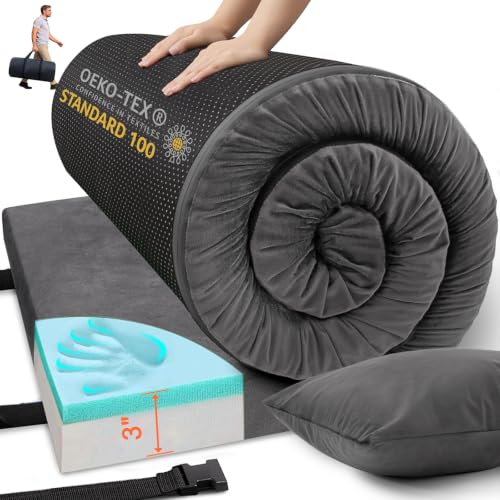
- 3" Thick Comfort & Support:This sleeping pad combines premium memory foam and...
- OEKO-TEX Certified Soft Fabric:The surface is made with OEKO-TEX certified...
- Versatile for Multiple Uses:Whether you're camping in a tent, sleeping on a...
How long do foam camping pads usually last?
With proper care, a good foam camping pad can last for years. I have had my main pad for over five years and it still works great.
Store it flat and keep it away from direct sunlight when not in use. That simple habit will double the life of your pad.