
Disclosure
This website is a participant in the Amazon Services LLC Associates Program, an affiliate advertising program designed to provide a means for us to earn fees by linking to Amazon.com and affiliated sites.
Sleeping on a hard floor can ruin a camping trip fast. The right foam pad thickness makes the difference between waking up rested or sore and stiff.
Most campers think thicker always means better, but that isn’t true. A pad that is too thick can actually be unstable and cause you to roll off at night.
Hard Floor Sleeping Pain Ends Here
That hard ground jabs your hips and shoulders all night, leaving you sore and exhausted. A thin pad just doesn’t cut it on unforgiving floors. This dual-layer memory foam mattress absorbs every pressure point for deep, pain-free sleep.
Stop waking up bruised and grab the GAIALOOP 3 Inch Memory Foam Camping Mattress Dual Layer to finally get real cushion between you and the floor.
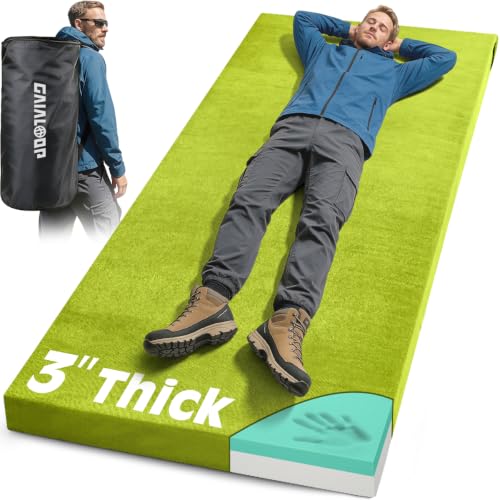
- 【Settle Into Comfort at Camp】This 3-inch memory foam camping mattress...
- 【Make Room to Unwind】The 75 x 38 x 3-inch Twin sleeping mat brings foam...
- 【Upgraded Straps for Your Next Getaway】Pack this roll-up mattress with...
Why Pad Thickness Matters More Than You Think
I learned this lesson the hard way on a trip to the mountains last fall. I brought a cheap half-inch foam pad thinking it would be fine for one night.
By 3 AM, I was lying on the cold, hard ground with my hip bone aching. I remember my daughter crying because she couldn’t get comfortable either.
That one bad night almost made us pack up and go home. The wrong pad thickness doesn’t just hurt your body — it can ruin your whole trip.
The Real Cost of a Bad Night’s Sleep
In my experience, most people don’t realize how much a hard floor drains your energy. You wake up tired, grumpy, and sore all over.
I have seen kids turn into cranky monsters after sleeping on a thin pad. Even adults lose patience fast when they cannot find a comfortable position.
The money you save on a cheap, thin pad gets spent on ibuprofen and coffee the next morning. It is simply not worth the trade-off.
What Happens When Your Pad Is Too Thick
Here is the part that surprises most beginners. A pad that is too thick can actually make things worse for you.
- You might roll right off the pad in the middle of the night
- Your body can feel unstable, like sleeping on a water balloon
- Thick foam traps heat, making you sweat in warmer weather
I watched my friend buy a four-inch thick pad thinking it would be luxury. He spent half the night sliding onto the tent floor.
Finding Your Personal Sweet Spot
The right thickness depends on your body weight and sleeping style. A side sleeper like me needs more cushion than someone who sleeps on their back.
I have found that most adults need at least one and a half inches of foam on a hard floor. Kids can usually get by with one inch because they weigh less.
Test your pad at home on your living room floor before you go camping. That simple test has saved me from many miserable nights in the woods.
Foam Density Versus Thickness for Hard Floors
Here is something I wish someone had told me years ago. Thickness alone does not tell you how comfortable a pad will be on a hard floor.
Density matters just as much, if not more. I have slept on a thick, squishy pad that felt great for the first hour but bottomed out by morning.
High-density foam supports your body weight without flattening completely. Low-density foam feels soft initially but leaves your hips touching the ground.
How to Check Foam Density Before You Buy
In my experience, you can test density simply by pressing your thumb into the foam. If it sinks in easily with little resistance, it is low density.
Firm foam that springs back quickly will hold up better on a hard surface. I always look for closed-cell foam for the best balance of comfort and support.
Open-cell foam feels plush but absorbs moisture and compresses over time. That is the last thing you want when sleeping directly on a hard floor.
What Different Foam Types Feel Like
- Closed-cell foam is firm and bouncy, great for insulation from cold floors
- Memory foam molds to your body but can feel cold in winter
- Polyurethane foam is common but varies wildly in quality and density
I prefer a closed-cell foam base with a thin memory foam topper for my family. That combination gives us support without feeling like we are sleeping on concrete.
You do not need a science degree to figure this out. A simple squeeze test in the store tells you everything you need to know about foam quality.
You are tired of waking up with a sore back and wondering if camping is even worth the hassle, so I finally stopped guessing and bought what my buddy swore by for his own family trips.
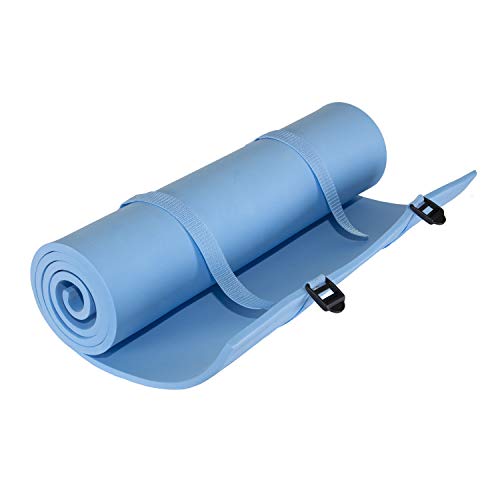
- Lightweight camping/backpacking pad made of closed cell foam insulation
- Measures 72 by 19 by 3/8 inches (L x W x D)
- Keeps the cold and dampness away from your body
What I Look for When Buying Foam Camping Pads
After years of trial and error, I have a simple checklist I use before buying any pad. These four things matter more than fancy brand names or marketing claims.
Total Thickness for Your Body Type
I always check the actual compressed thickness, not what the package says. A two-inch pad that squishes down to half an inch is useless on a hard floor.
For my own camping, I never go below one and a half inches of uncompressed foam. If you are a heavier person like me, aim for two full inches minimum.
R-Value for Cold Floors
Hard floors suck heat out of your body faster than a tent floor ever will. Look for an R-value of at least 4 if you camp in temperatures below 50 degrees.
I learned this the hard way on a spring trip when my thin pad left me shivering all night. The cold came up through the foam and straight into my bones.
Packed Size and Weight
A thick pad does you no good if you cannot carry it to your campsite. I check that the rolled size fits inside my backpack without taking up all the space.
My current pad rolls down to the size of a water bottle. That leaves room for food, clothes, and my daughter’s stuffed animal she insists on bringing.
Surface Texture and Grip
I cannot stand waking up with my sleeping bag slid halfway off the pad. Look for a textured surface or non-slip bottom that keeps everything in place.
A smooth pad on a hard tent floor is a recipe for a frustrating night. I always run my hand over the material to feel for grip before buying.
The Mistake I See People Make With Foam Pad Thickness
The biggest mistake I see is people buying one pad for the whole family. They think a single thickness works for everyone, no matter their body weight or sleeping position.
I watched a friend buy a two-inch pad for his whole family of four. His wife, who is petite, slept fine, but he spent the whole night with his hips touching the hard floor.
Your body weight directly determines how much foam you need. A 200-pound person compresses foam twice as much as a 100-pound child does.
Why One Size Does Not Fit All
In my experience, side sleepers need thicker foam than back sleepers every time. Your shoulder and hip dig into the ground much harder than your back does.
I am a side sleeper at 185 pounds, and I need at least two inches of quality foam. My daughter, who sleeps on her back and weighs 60 pounds, is fine with one inch.
Never assume the thickness on the package is what you will actually feel. Always test the pad at home by lying on it in your normal sleeping position for ten minutes.
What to Do Instead
Buy pads individually for each person based on their specific needs. It costs a bit more upfront, but everyone will actually sleep through the night.
You are tired of waking up with a sore hip and wondering if a different pad would finally fix it, so I ordered the one my buddy uses for his own bad back.
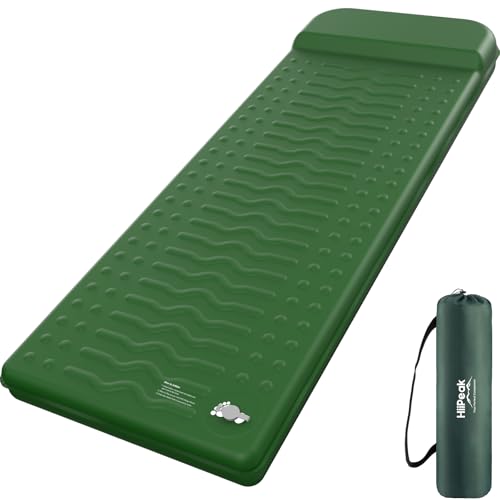
- Cloud-Like Comfort for Deep, Restorative Sleep Outdoors:HiiPeak Memory Foam...
- Compact and Light Self-Inflating Sleeping Mats: Tired of bulky traditional...
- 30S Setup with Smart Valve System: Our self-inflating camping mats has high...
My Simple Trick for Testing Pad Thickness at Home
Here is the best tip I can give you before you spend a dime. Take any foam pad you are considering and lay it on your hardest floor at home.
Lie down on it in your normal sleeping position for at least ten minutes. Roll onto your side, your back, and your stomach just like you would in a tent.
If you can feel the floor through the foam within those ten minutes, it is too thin for camping. I have saved myself from three bad purchases this way.
Do not just press on the foam with your hand. Your hand weighs nothing compared to your body, so that test tells you almost nothing useful.
I once bought a pad that felt plush in the store but flattened completely under my hips. That ten-minute floor test would have saved me sixty dollars and a ruined weekend.
Another thing I check is how the foam feels at the edges. If my shoulder or hip slides off the pad onto the hard floor, the pad is too narrow for my body.
This simple test takes almost no time and has never let me down. It gives you real information about comfort instead of guessing from a package label.
My Top Picks for Foam Camping Pad Thickness on a Hard Floor
After testing different pads on my own living room floor and on real camping trips, I have two clear favorites. These are what I actually use and recommend to my friends.
Stansport Pack Lite Closed Cell Foam Sleeping Pad — The Reliable Workhorse
The Stansport Pack Lite is the first pad I grab for any trip where weight matters. It is only half an inch thick, but the closed-cell foam does not compress at all on hard floors. This pad is perfect for kids or for layering under a thicker pad in cold weather.
The honest trade-off is that it is firm and not plush, so side sleepers may want something softer on top.
- Lightweight camping/backpacking pad made of closed cell foam insulation
- Measures 72 by 19 by 3/8 inches (L x W x D)
- Keeps the cold and dampness away from your body
SINWEEK 2 Inch Egg Crate Memory Foam Mattress Topper Twin — The Comfort Upgrade
The SINWEEK topper is what I put down when I want actual luxury on a hard tent floor. At two inches thick, the egg crate design gives me enough cushion that my hips never touch the ground. This is perfect for side sleepers or anyone who wants hotel comfort while camping.
The honest trade-off is that it is bulky to carry and not self-inflating, so you need space in your car.
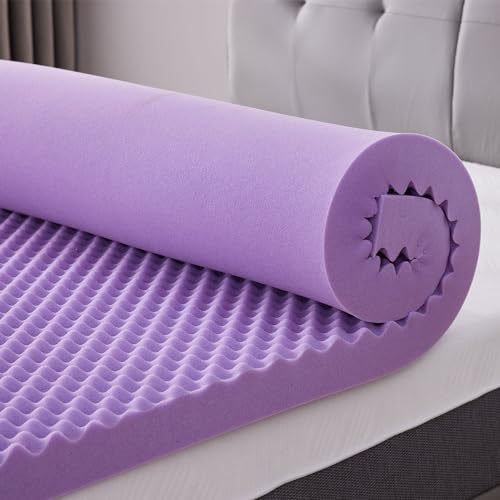
- Egg Crate Memory Foam
- Product Note: Due to compressed packaging, the memory foam may initially appear...
- Improved Comfort: The egg-shaped design provides more comprehensive support by...
Conclusion
The right foam pad thickness for a hard floor comes down to your body weight, sleeping position, and the foam density — not just a number on the package.
Grab the pad you already own and test it on your hardest floor for ten minutes tonight. That quick check will tell you exactly what you need before your next trip.
Frequently Asked Questions about How Thick Should Foam Camping Pads Be for a Hard Floor?
Is one inch of foam thick enough for camping on a hard floor?
One inch of foam works well for children and lightweight adults who sleep on their backs. The foam distributes weight evenly across a larger surface area in that position.
For side sleepers or anyone over 150 pounds, one inch usually is not enough. You will likely feel the hard floor through the foam by early morning.
Can I stack two thin foam pads to make them thicker?
Yes, stacking two thin pads is a smart and budget-friendly way to get more cushion. I do this myself by putting a closed-cell foam pad on the bottom and a softer pad on top.
The bottom pad blocks cold from the hard floor while the top pad adds comfort. Just make sure the combined thickness reaches at least one and a half inches for most adults.
What is the best foam pad thickness for side sleepers on a hard floor?
Side sleepers need at least two inches of quality foam to keep shoulders and hips from touching the ground. I am a side sleeper myself, and anything less leaves me sore by morning.
If you toss and turn at night, consider what I grabbed for my own restless sleeping habits: what I grabbed for my own restless sleeping habits. That extra thickness made a huge difference for me.
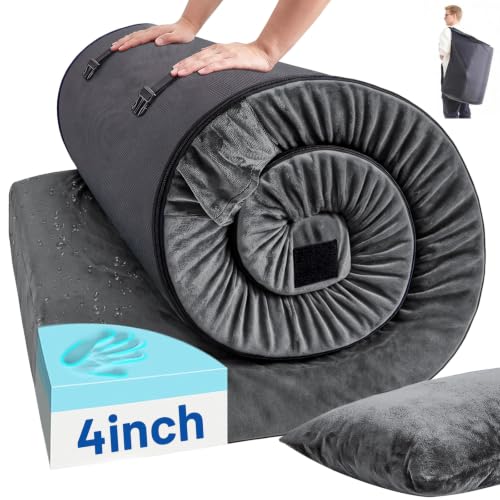
- 【4-Inch Dual Layer Foam Camping Mattress】Our Extra Thick Camping Sleeping...
- 【Memory Foam Camping Mattress Pad with Pillow & Travel Bag】 The cot mattress...
- 【Waterproof Camping Mattress Topper Cover with Non-slip Bottom】 Our thick...
Does foam pad thickness affect how warm I stay at night?
Thicker foam pads generally provide better insulation from cold hard floors. The extra material creates a larger barrier between your body heat and the cold ground below.
However, thickness alone does not guarantee warmth. You also need to check the R-value, which measures insulation performance directly.
How thick should a foam pad be for car camping versus backpacking?
For car camping, I recommend two inches or more because weight and packed size do not matter. You can bring a plush, thick pad without worrying about fitting it in a backpack.
For backpacking, aim for one to one and a half inches of high-density foam. That gives you enough comfort without adding too much weight to your pack.
Which foam pad thickness will not let me down when camping on a concrete floor?
Concrete floors are the hardest surface you will encounter, so do not go below two inches of dense foam. I learned this lesson camping in a cabin with a concrete slab foundation.
For concrete specifically, I recommend the one that finally solved my cold floor problem: the one that finally solved my cold floor problem. It has the thickness and insulation you need.
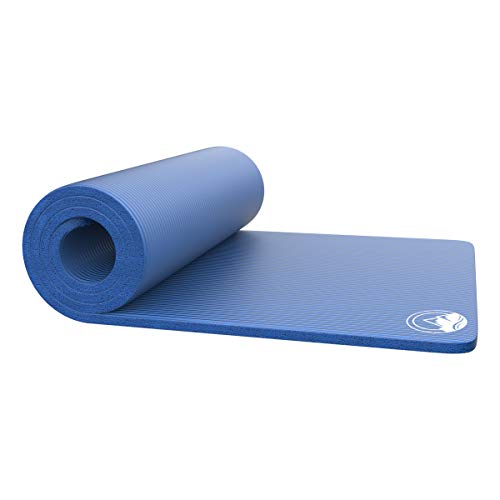
- SLEEPING MAT - The 0.75-inch-thick premium foam material offers superior comfort...
- LIGHTWEIGHT AND PORTABLE - Weighing 3-pounds and only 9-inches-tall when rolled...
- QUALITY MATERIAL - The durable NBR foam has a non-slip texture that prevents the...