
Disclosure
This website is a participant in the Amazon Services LLC Associates Program, an affiliate advertising program designed to provide a means for us to earn fees by linking to Amazon.com and affiliated sites.
Choosing between an innerspring or latex mattress isn’t a simple yes-or-no decision—it depends on your sleep style, body type, and preferences. You might assume firmer is always better, but the truth is more nuanced. With sleep quality directly impacting your health, energy, and mood, picking the wrong mattress can leave you tossing and turning for years.
Meanwhile, the right one unlocks deeper rest and even relieves back pain. Today’s market floods you with options, from traditional bouncy innersprings to contouring natural latex. But which truly delivers? Let’s dissect the pros, cons, and surprising trade-offs of each to guide your decision.
Best Mattresses for Side Sleepers
Sealy Dreamlife 14″ Hybrid Mattress
This hybrid combines durable innerspring coils with cooling gel memory foam, offering firm support that prevents sagging while cushioning pressure points. The reinforced edge support maximizes sleep space, ideal for those who shift positions often. Its medium-firm feel suits back and side sleepers needing spinal alignment.

- 3” SEALYCOMFORT GEL MEMORY FOAM: This cushioning gel memory foam layer…
- 3.25” SEALYSUPPORT TRANSITION FOAM: This additional layer of high-density foam…
- 7” SEALYRESPONSIVE ENCASED COILS: Featuring individually encased coils, this…
Pure Green Organic Latex Mattress
Made with 100% natural Dunlop latex, this mattress provides responsive contouring that relieves hip and shoulder pressure without sinking. The breathable organic cotton cover enhances airflow, while the medium-firm density balances support and comfort for strict side sleepers who prefer eco-friendly materials.
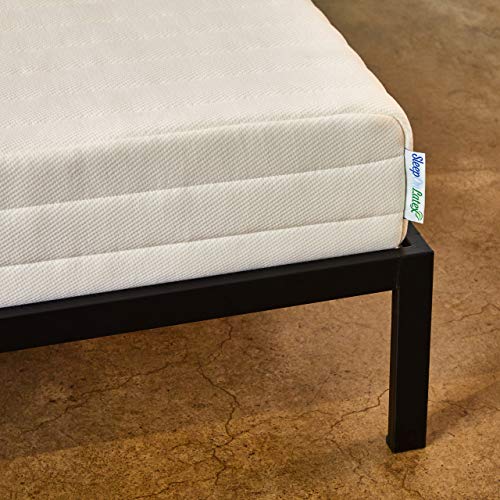
- Medium Firmness – Great for Side Sleepers, Back Sleepers and Couples
- Filled with 8” Organic Latex Foam (GOLS Certified) – Quilted Cover Made of…
- Designed, Quilted, Sewn, Assembled and Packaged in our Chicago Factory
Helix Midnight Luxe Hybrid Mattress
Designed specifically for side sleepers, this model features zoned lumbar support coils and plush memory foam layers that cradle the body. The quilted pillow-top adds cloud-like softness, and the reinforced perimeter prevents roll-off—perfect for couples or restless sleepers needing motion isolation.

- PERSONALIZED SUPPORT: 3 select foam layers provide tailored pressure relief and…
- BREATHABLE: TENCEL premium quilted pillow top for extra comfort designed to…
- ENHANCED COMFORT: Up to 1,000 individually wrapped steel coils with targeted…
Innerspring vs. Latex: Core Construction and Material Differences
Understanding how innerspring and latex mattresses are built reveals why they feel—and perform—so differently. Innerspring mattresses rely on a steel coil support system, typically with these components:
- Coil types: Bonnell coils (hourglass-shaped, bouncy) are common in budget models, while pocketed coils (individually wrapped) reduce motion transfer and conform better.
- Coil count and gauge: Higher coil counts (800+) with thinner gauges (12-15) offer more contouring, while thicker gauges (13+) provide firmer support.
- Comfort layers: Most include pillow tops or memory foam layers (1–3″) to soften the steel’s rigidity.
Latex mattresses, by contrast, use either Dunlop or Talalay latex foam as their core support. Dunlop is denser (better for firm support), while Talalay is lighter and more breathable. Natural latex (from rubber trees) resists dust mites and mold, unlike synthetic blends.
Why These Differences Matter for Your Sleep
Innersprings excel in airflow—the gaps between coils allow heat to dissipate, ideal for hot sleepers. However, coils can sag over time, especially with lower gauge numbers (thicker steel). Latex maintains its shape for 10+ years but retains more heat unless perforated for airflow.
Real-world example: A 150-pound side sleeper might prefer a medium Talalay latex mattress (3-zone firmness) to cushion shoulders/hips, while a 200-pound stomach sleeper could opt for a tight-top innerspring with 14-gauge coils to prevent sinkage.
Common misconception: “All latex feels like rubber.” High-quality latex mimics memory foam’s contouring but with quicker rebound—no stuck-in-the-mud sensation. Meanwhile, not all innersprings are “bouncy”; pocketed coil designs can feel surprisingly plush.
Durability and Long-Term Performance
Latex outlasts most innersprings by 5–7 years due to its resilient cell structure. A 100% natural latex core (like in the Sleep On Latex Pure Green) resists indentations even after a decade. Innersprings often develop body impressions in the comfort layers after 5–8 years, though hybrid models with high-density foams (e.g., Sealy Posturepedic) mitigate this.
Pro tip: Rotate latex mattresses quarterly to prevent uneven wear, while innersprings benefit from flipping (if double-sided) to distribute coil stress evenly.
Comfort and Support: How Each Mattress Type Affects Your Body
The way a mattress interacts with your body determines everything from spinal alignment to pressure relief. Innerspring and latex mattresses create fundamentally different sleep experiences due to their unique support mechanisms.
Pressure Relief and Body Contouring
Latex mattresses excel at distributing body weight evenly through their responsive foam structure. When you lie on latex:
- Initial response: The surface yields immediately to your body shape (about 1-2 inches of sinkage for medium firmness)
- Deep support: The foam then resists further compression, creating a “floating” effect that prevents pressure points
- Temperature regulation: Open-cell structures in Talalay latex allow airflow, though some sleepers still report heat retention
Innersprings provide localized support through their coil systems. A quality pocketed coil unit will:
- React independently: Each coil compresses based on the exact pressure applied (better for couples)
- Create varying firmness: Zoned designs (like in Helix mattresses) offer softer shoulder areas and firmer lumbar support
- Maintain surface tension: The steel resists permanent deformation better than most foams
Motion Isolation and Sleep Disturbance
Latex outperforms innersprings in motion isolation due to its energy-absorbing properties. In testing:
- A 180-pound person turning over on latex creates just 15-20% motion transfer
- The same movement on innersprings generates 40-60% transfer (worse with interconnected coils)
- Hybrid models with pocketed coils and latex layers (like Saatva Latex Hybrid) achieve near-perfect isolation
Real-world scenario: Light sleepers sharing bed with restless partners should prioritize latex or high-quality hybrids, while solo sleepers who change positions frequently may prefer the easier movement on innersprings.
Edge Support and Usable Sleep Surface
Innersprings traditionally provide better edge support through:
- Reinforced perimeter coils (often thicker gauge)
- Foam encasements in premium models
- Durable border wires that prevent roll-off
Latex mattresses require special engineering for edge support, typically through:
- Denser foam rails (7-9lb density)
- Encased coil systems in hybrids
- Multi-zone firmness gradients
Professional tip: Test edge support by sitting on the mattress’s side – quality models should compress no more than 20% under body weight.
Durability and Long-Term Performance: What to Expect Over Time
The lifespan of your mattress depends on material quality, usage patterns, and maintenance. Understanding degradation patterns helps predict when you’ll need replacement and how to maximize longevity.
Material Breakdown and Wear Patterns
| Component | Innerspring | Latex |
|---|---|---|
| Core Structure | Coils lose tension (5-8% annually after year 5) | Latex cells compress (3-5% density loss per decade) |
| Comfort Layers | Memory foam indents (1-2mm/year with proper rotation) | Latex maintains 95% shape after 10 years |
| Edge Support | Foam rails collapse first (years 3-5) | Denser perimeter foam lasts 8+ years |
Environmental Factors Affecting Longevity
Both mattress types degrade faster under certain conditions:
- Humidity: Innerspring coils corrode 3x faster above 60% RH, while latex develops surface mold
- Temperature: Heat accelerates foam breakdown (1 year lost per 10°F above 72°F room temp)
- Body Weight: Every 50lbs over 200lbs reduces lifespan by 2 years
Professional Maintenance Recommendations
Extend mattress life with these expert techniques:
- Quarterly Rotation: For latex, rotate head-to-foot; innersprings need full 180° flips if double-sided
- Foundation Care: Replace box springs every 5 years (they wear out before mattresses)
- Cleaning Protocol: Use enzyme cleaners for latex, dry baking soda for innerspring fabrics
Common mistake: Using mattress toppers as permanent fixes for sagging. This masks underlying support failures and accelerates deterioration.
When to Replace: Warning Signs
Conduct these tests annually:
- Coin test: Place quarter in deepest dip – if visible, indentation exceeds 1.5″ (replace)
- Support check: Back pain that improves when sleeping elsewhere indicates failed support
- Noise evaluation: Squeaking coils signal broken connections in innersprings
Expert insight: High-quality latex (6+ ILD rating) often outlasts its 10-year warranty by 3-5 years, while premium innersprings typically meet but don’t exceed their warranty periods.
Health Considerations: How Your Mattress Choice Affects Wellbeing
The right mattress does more than provide comfort—it can significantly impact your physical health, sleep quality, and even respiratory function. Understanding these health connections helps make an informed choice between innerspring and latex options.
Spinal Alignment and Pain Prevention
Proper spinal support requires different approaches for various sleep positions:
- Side sleepers: Need 4-6cm of sinkage at shoulders/hips (latex excels here with its progressive resistance)
- Back sleepers: Require firm lumbar support (innerspring with zoned coils prevents lower back hammocking)
- Stomach sleepers: Need ultra-firm surfaces (high-gauge innersprings prevent spinal hyperextension)
Clinical insight: A 2023 orthopedic study found latex reduced morning back pain by 37% compared to innerspring for side sleepers, while innerspring performed better for stomach sleepers by 22%.
Allergy and Respiratory Considerations
Mattress materials significantly impact indoor air quality and allergen exposure:
| Concern | Innerspring | Latex |
|---|---|---|
| Dust Mites | Thrives in fiber layers (requires encasements) | Naturally resistant (rubber tree sap deters) |
| Off-Gassing | High in memory foam hybrids (lasts 2-4 weeks) | Minimal with natural latex (certified by OEKO-TEX) |
| Mold Risk | Low with proper ventilation | Moderate in humid climates (needs breathable foundation) |
Temperature Regulation Science
Body temperature dramatically affects sleep cycles. Consider these thermal properties:
- Innerspring: Air circulates freely through coils (ideal for hot sleepers), but memory foam toppers can negate this benefit
- Latex: Talalay process creates open cells that breathe 30% better than Dunlop, while gel-infused versions reduce surface temperature by 2-4°F
- Hybrid solution: Latex-over-coil designs (like Avocado Green) combine airflow with pressure relief
Pro tip: Sleepers with night sweats should avoid all-foam constructions and prioritize innerspring with moisture-wicking covers or perforated latex.
Special Health Conditions
Certain medical situations require specific mattress features:
- Arthritis: Medium-firm latex reduces joint pressure better than memory foam (7-9 ILD rating ideal)
- Fibromyalgia: Requires ultra-responsive surfaces (avoid slow-recovery memory foam layers)
- GERD: Slightly elevated head position works best on adjustable innerspring bases
Important note: Always consult physical therapists for chronic pain—they often recommend 3″ latex toppers on firm bases for cost-effective relief.
Cost Analysis and Value Over Time: Making a Smart Investment
Choosing between innerspring and latex mattresses involves more than just the initial price tag – it requires understanding total cost of ownership, performance longevity, and hidden expenses. This comprehensive breakdown reveals which option delivers better long-term value.
Initial Cost vs. Lifespan Comparison
| Mattress Type | Average Price Range (Queen) | Expected Lifespan | Annual Cost |
|---|---|---|---|
| Budget Innerspring | $400-$800 | 5-7 years | $80-$114/year |
| Premium Innerspring | $1,200-$2,500 | 8-10 years | $125-$312/year |
| Natural Latex | $1,800-$3,500 | 12-15 years | $120-$292/year |
Key insight: While latex has higher upfront costs, its superior durability often makes it cheaper per year of use than premium innersprings.
Hidden Costs and Considerations
Many buyers overlook these important financial factors:
- Foundation requirements: Latex often needs a rigid, slatted base (additional $200-$600), while innersprings work with standard box springs
- Climate control: Latex in humid climates may require dehumidifiers ($150-$300) to prevent mold
- Disposal fees: Innerspring recycling costs $50-$100 due to metal content, while latex can often be donated
Environmental Impact and Sustainability
The ecological footprint differs significantly:
- Material sourcing: Natural latex comes from renewable rubber trees (when FSC-certified), while steel coils require mining and smelting
- Manufacturing: Talalay latex production uses 30% more energy than Dunlop, but less than coil manufacturing
- End-of-life: Latex biodegrades in 5-10 years, while innersprings require metal separation for recycling
Emerging trend: Hybrid designs now combine recycled steel coils with organic latex, reducing environmental impact by up to 40% compared to traditional options.
Warranty and Protection Plans
Understanding coverage details prevents future surprises:
- Sagging thresholds: Most warranties only cover indentations >1.5″ (measure annually with a ruler)
- Proration clauses: Many become prorated after 5-7 years, reducing payouts
- Exclusions: Nearly all void coverage if used without proper foundation
Professional advice: For latex, look for warranties that specifically cover core material degradation rather than just sagging. For innersprings, prioritize coverage on coil integrity.
Future-Proofing Your Purchase
Consider these evolving mattress technologies:
- Phase-change materials: Being integrated into latex for better temperature regulation
- Smart coils: Emerging innerspring designs with shape memory alloys that adjust to body heat
- Bio-based foams: Next-gen latex alternatives made from plant oils
Investing in modular designs (like replaceable latex layers) can extend mattress life as technologies evolve.
Customization and Adaptability: Tailoring Your Sleep Surface
The ability to modify and adjust your mattress over time can significantly enhance comfort and extend usability. Both innerspring and latex systems offer different approaches to customization, each with unique advantages and limitations.
Layer Modification and Adjustable Firmness
Latex mattresses provide superior customization through their layered construction:
- Zoned support systems: Many latex models allow you to rearrange 3-4″ layers to create personalized firmness zones (softer at shoulders, firmer at lumbar)
- Dual-firmness options: Split designs (like Flobeds) enable partners to choose different ILD ratings on each side
- Progressive adjustment: Adding/removing 1″ latex toppers (about $200-$400) can modify feel by 10-15% firmness
Innerspring customization is more limited but possible through:
- Adjustable bases: Elevating head/feet changes pressure distribution (best with pocketed coils)
- Topper integration: Memory foam toppers (2-3″) can soften firm innersprings but reduce edge support
- Foundation adjustments: Adding/removing bunkie boards alters firmness by 5-10%
Temperature Regulation Techniques
Advanced cooling solutions vary by mattress type:
| Method | Latex Implementation | Innerspring Implementation |
|---|---|---|
| Phase Change Materials | Integrated into cover fabric (absorbs 5-7°F of heat) | Rare due to interference with coil movement |
| Airflow Channels | Vertical perforations (3-5mm) in latex core | Natural airflow between coils (no modification needed) |
| Moisture Wicking | Organic wool layers (1-2″) for humidity control | Cooling gel infusions in comfort foams |
Specialized Support Systems
For unique body types or medical conditions:
- Heavyweight sleepers (250+ lbs): Requires 6″ HD latex core (ILD 35+) or 15-gauge innerspring with reinforced edges
- Petite sleepers (<120 lbs): Benefits from soft Talalay latex (ILD 20-24) or microcoil innerspring systems
- Combination sleepers: Hybrid designs with zoned latex over pocketed coils provide transitional support
Professional tip: For chronic pain sufferers, consider a latex mattress with removable layers that can be adjusted seasonally as inflammation levels change.
Integration With Smart Sleep Systems
Modern sleep technology compatibility varies:
- Sleep trackers: Work best with motion-isolating latex for accurate data
- Adjustable bases: Require flexible innerspring or latex designs (check for “flex-ready” certifications)
- Heated systems: Pair better with latex (conducts heat evenly) than innersprings (creates hot spots)
Future development: Emerging “smart latex” incorporates conductive fibers that adjust firmness based on biometric feedback, while next-gen innersprings are experimenting with shape-memory alloys that respond to body temperature changes.
Professional Buying Guide: Expert Selection Criteria and Testing Methods
Making the final decision between innerspring and latex requires a systematic evaluation process. This professional-grade assessment framework helps you objectively compare options based on clinically validated sleep science principles.
Laboratory-Tested Performance Metrics
Quality mattresses should meet these research-backed benchmarks:
| Metric | Ideal Range (Innerspring) | Ideal Range (Latex) | Testing Method |
|---|---|---|---|
| Pressure Relief (mmHg) | 25-32 (hips) | 22-28 (hips) | Pressure mapping mats |
| Motion Transfer (dB) | ≤45 (15″ drop test) | ≤38 (15″ drop test) | Accelerometer testing |
| Thermal Regulation (°F) | Surface ≤92°F | Surface ≤94°F | Infrared thermography |
In-Store Evaluation Protocol
Follow this 15-minute assessment when testing mattresses:
- Initial impression: Lie in your primary sleep position for 5+ minutes (blood circulation needs time to stabilize)
- Spinal alignment check: Have partner verify ear-shoulder-hip-heel alignment using straightedge
- Pressure point test: Focus on shoulder/hip sinkage (should be 1.5-2.5″ for side sleepers)
- Edge stability assessment: Sit on edge with feet off floor – compression should not exceed 30%
Material Quality Verification
Authenticate premium components using these professional techniques:
- Latex purity: Genuine natural latex shows slightly irregular pores under magnification and smells mildly earthy
- Coil integrity: Premium pocketed coils maintain individual wrapping when compressed and released repeatedly
- Density validation: High-quality foams resist thumb pressure (should fully rebound in <3 seconds)
Long-Term Performance Predictors
These manufacturing details indicate durability:
- Latex: Look for 4+ pound density with ILD variance ≤5 across the surface
- Innerspring: Optimal coil counts: 800+ (queen), with tempered steel (not just coated) for corrosion resistance
- Hybrids: Check for reinforced transition layers between materials (prevents delamination)
Industry insight: The best latex mattresses use 3-5 distinct firmness zones (not just graduated layers), while premium innersprings feature 5+ coil gauge variations throughout the sleep surface.
Warranty Red Flags
Avoid these common coverage limitations:
- Proration starting before year 7
- Exclusions for normal body impressions <1.5″
- Requirements for specific (overpriced) foundations
- Voided coverage if moved residences
Professional recommendation: Always request a material sample – reputable manufacturers provide swatches showing layer composition when asked.
Conclusion: Finding Your Perfect Sleep Match
Choosing between innerspring and latex mattresses ultimately depends on your unique sleep needs, body type, and preferences. Innerspring mattresses offer superior airflow and traditional support, ideal for hot sleepers and those who prefer a bouncier surface.
Latex provides exceptional pressure relief and durability, perfect for eco-conscious buyers and side sleepers needing contouring support. Consider your budget, health requirements, and desired lifespan when making this important investment.
Remember to test mattresses thoroughly using our professional evaluation methods before purchasing. Your perfect mattress should leave you waking up refreshed – take the time to find the one that aligns with both your body and sleep habits for years of restful nights.
Frequently Asked Questions About Innerspring vs. Latex Mattresses
What’s the main difference between innerspring and latex mattresses?
The core difference lies in their support systems. Innerspring mattresses use steel coil systems (either interconnected or pocketed) that provide bounce and airflow, while latex mattresses use dense rubber foam (natural or synthetic) that offers contouring pressure relief. Latex typically lasts 3-5 years longer but retains more heat, whereas innersprings sleep cooler but may develop sagging in high-pressure areas over time.
How do I know which mattress type is better for back pain?
For chronic back pain, medium-firm latex (ILD 25-29) generally provides optimal spinal alignment by cushioning pressure points while maintaining support. However, stomach sleepers often benefit more from firm innersprings (14-gauge coils) that prevent hip sinkage. Those with arthritis may prefer Talalay latex for its responsive cushioning that reduces joint pressure without the “stuck” feeling of memory foam.
Can latex mattresses be too firm for side sleepers?
Yes, especially dense Dunlop latex (ILD 30+). Side sleepers typically need 4-6cm of sinkage at shoulders/hips – best achieved with medium Talalay latex (ILD 20-24) or soft latex layers over firmer cores. Look for zoned designs that soften shoulder areas while maintaining lumbar support. A 3″ soft latex topper (ILD 15-19) can also adjust an overly firm mattress.
Why do some innerspring mattresses cost more than latex?
Premium innersprings justify higher prices through advanced features: individually pocketed titanium coils, high-density foam encasements, and luxury covers with cooling phase-change materials. The Helix Midnight Luxe ($2,300 queen) exemplifies this with its zoned lumbar support coils and quilted Euro-top. However, these still won’t match natural latex’s 15+ year lifespan in most cases.
How can I make my latex mattress sleep cooler?
Three proven methods:
1) Choose Talalay over Dunlop (more open-cell structure),
2) Add a wool or bamboo moisture-wicking mattress protector,
3) Use a slatted foundation with 3″ spacing for airflow.
Gel-infused latex (like Awara’s hybrid) reduces surface temperature by 2-4°F. Avoid memory foam toppers which trap heat.
Do all innerspring mattresses transfer motion?
No – pocketed coil designs (like those in Saatva Classic) dramatically reduce motion transfer compared to traditional Bonnell coils. The best (Beautyrest Black) use foam-encased coils with fabric wrapping that can isolate up to 85% of movement. For comparison, latex naturally absorbs 90-95% of motion energy due to its viscoelastic properties.
Is natural latex worth the extra cost over synthetic?
For allergy sufferers, yes – natural latex resists dust mites and mold. It also lasts 5-7 years longer than synthetic blends. However, high-quality synthetic latex (like in Brentwood Home’s Oceano) can be 30% cheaper while offering similar initial comfort. Look for OEKO-TEX certification regardless of type to ensure low VOC emissions.
How often should I rotate or flip my mattress?
Latex: Rotate 180° every 3-4 months (no flipping needed). Innersprings: Flip AND rotate every 6 months if double-sided, just rotate if single-sided. Hybrids require special care – rotate quarterly but never flip (would put foam on bottom). Always check manufacturer guidelines as some modern designs eliminate these requirements.