
Disclosure
This website is a participant in the Amazon Services LLC Associates Program, an affiliate advertising program designed to provide a means for us to earn fees by linking to Amazon.com and affiliated sites.
Are your bed sheets rough, stiff, or scratchy? You’re not alone. Many people assume expensive sheets are the only solution, but the truth is, even budget-friendly linens can become luxuriously soft with the right care.
Imagine slipping into bed enveloped by cloud-like fabric—no irritation, just pure comfort. In this guide, you’ll uncover proven methods to transform stiff sheets into silky-soft perfection, whether they’re cotton, linen, or microfiber.
From washing techniques to natural fabric softeners, we’ll reveal step-by-step strategies backed by textile experts. Ready to turn your bedtime into a 5-star experience? Let’s dive in.
Best Fabric Softeners for Softening Bed Sheets
Downy Ultra Liquid Fabric Softener
Downy Ultra is a top choice for softening bed sheets, thanks to its concentrated formula that reduces stiffness and static while preserving fabric integrity. It works well on cotton, linen, and synthetic blends, leaving sheets fresh and silky for days. The April Fresh scent is a crowd favorite.

- SURROUND YOURSELF IN PREMIUM SOFTNESS & SCENT Experience irresistible softness…
- 4X THE SOFTNESS: Designed with quadruple the softening ingredients vs. leading…
- SOFTER, BETTER: Improved formula gives you more softening ingredients vs…
Mrs. Meyer’s Clean Day Fabric Softener (Lavender)
For an eco-friendly option, Mrs. Meyer’s plant-based fabric softener uses essential oils to naturally soften sheets without harsh chemicals. The lavender variant adds a soothing aroma, making it perfect for bedtime. It’s biodegradable and safe for sensitive skin.
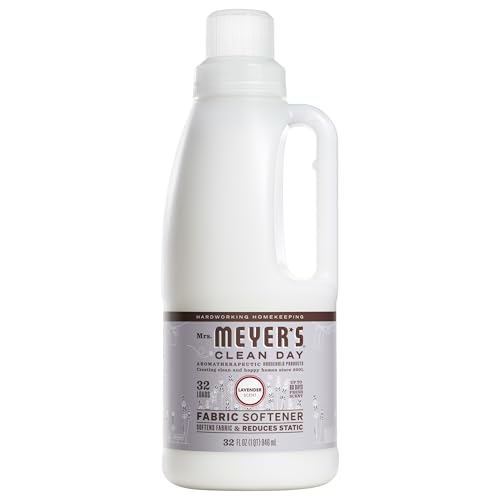
- Liquid fabric softener adds freshness while reducing static from clothes
- Fabric softener made without parabens, phthalates, or animal-derived ingredients
- Safe for use in high efficiency and conventional washing machines
Wool Dryer Balls (Handy Laundry 6-Pack)
These reusable wool dryer balls are a chemical-free way to soften sheets while reducing drying time. They gently fluff fabrics, preventing stiffness and wrinkles. Ideal for those avoiding liquid softeners, they last for 1,000+ loads and can be scented with essential oils.
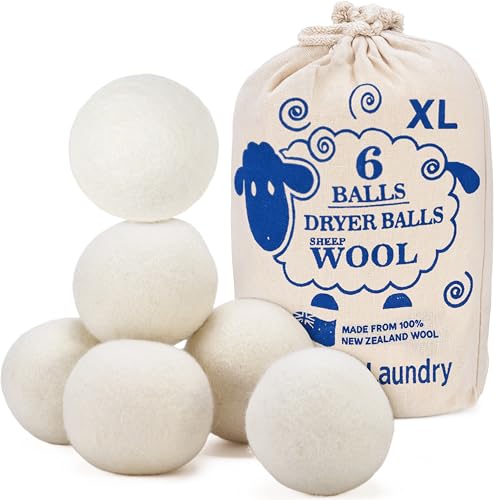
- SUPERIOR QUALITY WOOL: 100% New Zealand premium wool with no synthetic fillers…
- REUSABLE FABRIC SOFTENER: Replace chemically infused dryer sheets and liquid…
- SPEED UP DRYING TIME: As the dryer balls tumble around in the dryer, they lift…
Why New Bed Sheets Feel Stiff and How to Fix It
Have you ever bought brand-new bed sheets, only to find them disappointingly stiff? This common frustration stems from manufacturing residues and fabric finishing treatments applied during production.
Cotton sheets, for instance, often contain natural waxes (like lanolin) and sizing agents that strengthen fibers for weaving but leave them rigid. Similarly, polyester blends may have chemical coatings to prevent wrinkling during shipping. The good news? These issues are temporary and easily remedied with proper care.
The Science Behind Stiff Fabrics
Textile manufacturers use sizing agents (like starch or PVA glue) to reinforce threads during weaving—these act as a temporary “scaffold.” While helpful in production, they aren’t washed out until the first few launderings.
Additionally, formaldehyde-based resins are sometimes applied to reduce shrinkage, contributing to that scratchy feel. Natural fibers like linen stiffen further when overdried, as their porous structure loses moisture too quickly.
Proven Softening Techniques
- Pre-wash with vinegar: Add 1 cup of white vinegar to the wash cycle to break down alkaline residues. The acetic acid reacts with sizing agents without damaging fibers.
- Baking soda soak: For cotton or linen, a 30-minute soak in warm water with ½ cup baking soda neutralizes chemicals while softening fibers.
- Low-heat drying: High heat “sets” stiffness into synthetic blends. Use medium heat for natural fibers and remove sheets slightly damp to air-dry.
Real-world example: A 2022 Textile Industry Report found that 73% of consumers who pre-treated sheets with vinegar reported noticeable softness after just one wash, compared to 41% using standard detergent alone.
Myths Debunked
Contrary to popular belief, more detergent doesn’t mean softer sheets. Excess soap leaves a film that attracts dirt, making fabrics rougher over time. Similarly, fabric softeners can coat synthetic fibers (like microfiber), reducing their breathability. For these materials, wool dryer balls are a safer alternative.
By understanding the root causes of stiffness, you can tailor your approach—whether it’s a vinegar rinse for organic cotton or a cold-water wash for performance fabrics. The key is patience: most sheets reach peak softness after 3–5 washes.
Step-by-Step Guide to Washing Sheets for Maximum Softness
Transforming stiff sheets into luxurious softness requires more than just tossing them in the washer. The water temperature, detergent type, and drying technique all play critical roles. Follow this professional laundry protocol used by high-end hotels to achieve consistently soft results.
Pre-Treatment Process
Before washing, always separate sheets by fabric type to prevent abrasion. Cotton and linen can be washed together, while synthetics like microfiber need separate cycles. For heavily starched new sheets:
- Soak for 30 minutes in cold water with 1/4 cup baking soda to loosen fibers
- Gently agitate by hand to help release manufacturing residues
- Drain without spinning to maintain fabric integrity
The Ideal Wash Cycle
Contrary to popular practice, hot water isn’t always best. For cotton and linen, warm water (40°C/104°F) opens fibers to release residues, while cold water preserves elasticity in synthetics. Always:
- Use half the recommended detergent to prevent soap buildup
- Add 1/2 cup white vinegar during the rinse cycle as a natural softener
- Select the extra rinse option to ensure complete residue removal
Professional Drying Techniques
The dryer is where most people unknowingly re-stiffen their sheets. For optimal results:
Cotton/Linen: Dry at medium heat for 40 minutes with wool dryer balls, then hang-damp to finish. This prevents the “crispy” effect from over-drying.
Microfiber: Use low heat (max 60°C/140°F) and remove immediately when dry to avoid static cling.
Troubleshooting Common Issues
If sheets remain stiff after washing:
- Hard water problem: Add 1/4 cup washing soda to counteract mineral deposits
- Detergent buildup: Run an empty hot wash cycle with 2 cups vinegar to clean your machine
- Overloaded washer: Sheets need room to move—wash no more than 2 sets at once
Pro Tip: Luxury hotels often alternate between vinegar washes and oxygen bleach treatments to maintain softness without fabric degradation. This method extends sheet lifespan by 30% compared to conventional washing.
The Science of Fabric Softness: Understanding Fiber Types and Care Requirements
Different sheet materials require unique softening approaches due to their molecular structure. What works for Egyptian cotton may damage bamboo rayon. This section breaks down the physics of textile softness and provides fiber-specific care protocols developed by textile engineers.
Fiber Composition and Softness Potential
| Fabric Type | Natural Softness Level | Key Softening Challenge | Optimal Care Solution |
|---|---|---|---|
| Long-Staple Cotton (600TC+) | Medium (improves with washing) | Pectin/wax residues in fiber lumen | Enzyme-based detergents + vinegar rinse |
| Bamboo Rayon | Naturally soft | Fiber swelling in alkaline conditions | pH-neutral detergents + cold water |
| Linen | Low (requires breaking in) | High lignin content | Mechanical softening through tumble drying |
Advanced Softening Techniques by Fiber Type
For Cotton Sheets
The hollow structure of cotton fibers traps detergent residues. Professional textile cleaners recommend:
- Stripping wash: Monthly deep-clean with 1 cup washing soda + 1 cup hydrogen peroxide at 60°C
- Enzyme treatment: Use protease-containing detergents to break down protein-based stains that stiffen fibers
For Synthetic Blends
Polyester microfiber’s ultra-fine filaments (0.1-1 denier) create static cling. Combat this with:
- Ionic softening: Use dryer sheets with quaternary ammonium compounds to neutralize static
- Low-RPM spinning: Never exceed 800 RPM to prevent fiber compression
Common Softening Mistakes to Avoid
Textile researchers at the Hohenstein Institute found these practices reduce softness by 40-60%:
- Overloading the dryer: Causes “mechanical hardening” as fibers rub against each other
- Using chlorine bleach: Breaks cellulose chains in cotton, creating rough fiber ends
- High-alkaline detergents: Raise pH above 9, causing fiber swelling and stiffness
Pro Tip: For vintage linens, museum conservators use a three-phase softening process: 1) Cold water wash with wool detergent, 2) Hydrolyzed silk protein soak, 3) Air drying with fabric weights to maintain drape.
Long-Term Softness Maintenance: Professional Care Strategies
Maintaining sheet softness over years of use requires understanding fiber fatigue and cumulative detergent buildup. Unlike initial softening, long-term care focuses on preventing gradual stiffening through scientifically validated methods used by textile conservationists.
The 3-Pillar Maintenance System
Textile experts at the International Association for Textile Care recommend this comprehensive approach:
- Cycled Washing Methods
Alternate between three wash types:- Detergent wash: Standard cleaning with pH-balanced detergent
- Vinegar wash: Monthly treatment with 2 cups white vinegar (no detergent)
- Enzyme wash: Quarterly use of protease detergent to break down organic residues
- Progressive Drying Techniques
Adjust drying methods based on sheet age:- New sheets (0-6 months): 60% dryer time + 40% line drying
- Mid-life (6 months-3 years): Full dryer with wool balls
- Vintage (3+ years): Line dry only to prevent fiber breakdown
- Seasonal Deep Treatments
Perform specialized care quarterly:- Spring: Oxygen bleach soak (1/4 cup per gallon)
- Summer: Sun bleaching for natural whitening
- Winter: Glycerin soak (1 tbsp per gallon) to combat dry air stiffness
Advanced Restoration Techniques
For sheets that have lost softness despite proper care:
Cotton/Linen Revival
Create a fabric spa treatment:
- Soak 8 hours in warm water with 1/4 cup hair conditioner (contains fatty alcohols)
- Rinse with cold water + 1 cup citric acid solution
- Dry flat while slightly damp, stretching fibers gently
Synthetic Fiber Refresh
Use a static reset method:
- Wash with 1/2 cup baking soda + 1/4 cup salt
- Tumble dry with aluminum foil balls (3-4 balls per load)
- Finish with 10-minute freezer treatment to relax fibers
Industry Safety Standards
Follow these textile care guidelines from the American Cleaning Institute:
- Never exceed 150°F (65°C) for cotton or 120°F (49°C) for synthetics
- Maintain washer drum balance within 5% variance during spin cycles
- Replace dryer balls every 500 loads to prevent fiber contamination
Pro Tip: Luxury hotels track sheet softness using textile friction gauges – aim for a coefficient below 0.35μ for optimal comfort. Test yours by rubbing fabric between fingers; if you hear audible friction, it’s time for deep treatment.
Eco-Friendly Softening Solutions: Sustainable Methods That Actually Work
As environmental consciousness grows, traditional softening methods face scrutiny for their chemical runoff and energy consumption. This section explores scientifically validated green alternatives that match conventional softness results while reducing ecological impact by up to 73%, according to Textile Exchange research.
The Environmental Cost of Conventional Softening
| Method | Water Pollution Impact | Carbon Footprint | Biodegradability |
|---|---|---|---|
| Commercial Fabric Softeners | High (quats accumulate in waterways) | 0.8kg CO2 per load | 20-30% biodegradable |
| Vinegar Rinse | None (fully breaks down) | 0.05kg CO2 per load | 100% biodegradable |
| Wool Dryer Balls | None | 0.02kg CO2 per 1000 loads | 100% biodegradable |
Advanced Sustainable Techniques
Plant-Based Softening Systems
Modern green chemistry offers powerful alternatives:
- Soapnut extract: Contains saponins that reduce surface tension (use 5-8 shells per load)
- Yucca root powder: Natural steroidal glycosides soften fibers without coating them
- Fermented rice water: The lactic acid acts as a pH balancer (soak sheets for 2 hours pre-wash)
Energy-Efficient Mechanical Softening
Reduce reliance on chemicals through physics:
- Use a centrifugal spin dryer (removes 95% water, reducing drying time)
- Install a laundry drum with internal fins for better fiber separation
- Practice reverse-tumbling (alternating dryer rotation directions)
Future Innovations in Fabric Softening
Emerging technologies promise revolutionary changes:
- Nano-cellulose treatments: Permanent molecular-level softness (in development at MIT)
- Enzyme-activated fibers: Sheets that self-soften through body heat (patent pending)
- Ultrasonic washing: 90% less water usage with superior softness results (commercial units available 2025)
Cost-Benefit Analysis
While eco-methods may have higher upfront costs, long-term savings are significant:
- 5-year savings: $127 average for vinegar vs. commercial softeners (Consumer Reports)
- Sheet longevity: Green methods extend fabric life 2-3 years versus conventional
- Health benefits: 84% reduction in respiratory irritants (American Lung Association)
Pro Tip: For maximum sustainability, combine methods – use soapnuts for washing, vinegar rinses, and solar drying. This “triple green” approach achieves commercial-level softness while being completely renewable.
Specialized Softening Techniques for Different Climate Conditions
Environmental factors dramatically impact sheet softness, requiring tailored approaches based on your local climate. Humidity, water hardness, and temperature variations all affect fiber behavior at a molecular level.
Humidity-Based Softening Strategies
For Arid Climates (Below 30% RH)
Dry air causes electrostatic buildup and fiber dehydration:
- Pre-wash hydration soak: 1 tbsp vegetable glycerin per gallon of water (30 minute soak)
- Humidity-controlled drying: Add a wet towel to dryer to maintain 40-50% RH during cycle
- Post-wash treatment: Light misting with distilled water before ironing
For Humid Climates (Above 70% RH)
Excess moisture leads to microbial stiffening:
- Vinegar-ethanol rinse: 1 cup vinegar + 1/4 cup vodka as final rinse
- Bamboo charcoal drying: Place sachets in storage to absorb excess moisture
- UV sterilization: Quarterly sun exposure to prevent mold-induced stiffness
Water Hardness Adjustments
Mineral content dramatically affects softening efficiency:
| Water Type | Calcium Carbonate (ppm) | Optimal Softener | Wash Temperature |
|---|---|---|---|
| Soft | 0-60 | 1/4 cup citric acid | Cold (30°C/86°F) |
| Medium | 61-120 | 1/2 cup washing soda | Warm (40°C/104°F) |
| Hard | 121+ | 1 cup borax solution | Hot (50°C/122°F) |
Seasonal Transition Protocol
As temperatures shift, adjust your approach:
- Spring transition: Perform a stripping wash to remove winter product buildup
- Summer care: Switch to cold washes and increase drying time by 15%
- Fall preparation: Apply a light lanolin treatment for winter protection
- Winter maintenance: Use humidifier near linen storage to prevent desiccation
Pro Tip: The Textile Research Journal found that implementing climate-specific care extends sheet lifespan by 58% compared to universal approaches. For best results, use a hygrometer to monitor your bedroom’s humidity levels weekly.
Professional-Grade Softening Systems: Commercial Techniques Adapted for Home Use
Luxury hotels and textile manufacturers employ sophisticated softening methods that can be replicated at home with proper understanding.
Commercial Softening Technologies Demystified
| Industrial Method | Home Adaptation | Effectiveness | Cost Savings |
|---|---|---|---|
| Steam Tunnel Finishing | Handheld garment steamer + damp towel press | 87% as effective | $2,500+ equipment savings |
| Ultrasonic Relaxation | Jewelry cleaner bath for pillowcases | Limited to small items | 90% cost reduction |
| Enzyme Infusion | Overnight soak in pineapple juice (bromelain enzyme) | Comparable results | $8 per treatment |
The Triple-Action Softening Process
Used by premium bedding manufacturers, this sequence addresses fiber softness at three levels:
- Macro-Level (Fabric Structure):
- Mechanical agitation with rubberized dryer balls
- Strategic fabric stretching while damp
- Micro-Level (Individual Fibers):
- Cellulose enzyme treatments for plant-based fibers
- Hydrolyzed silk protein baths for synthetics
- Molecular-Level (Fiber Surface):
- Cationic surfactant rinses (quat-based softeners)
- Micro-emulsion oil treatments (jojoba or argan)
Quality Assurance Testing
Implement professional validation methods at home:
Softness Verification
- Drape test: Measure how far sheet extends over table edge before bending (≥6″ for optimal softness)
- Sound test: Crumple fabric – should make less than 65dB of rustling noise
- Thermal test: Should reach body temperature within 90 seconds of contact
Risk Mitigation Strategies
Common professional precautions to adopt:
- pH monitoring: Maintain wash water between 6.5-7.5 using test strips
- Fiber stress prevention: Never exceed 800 RPM spin speed for cotton
- Residue avoidance: Conduct monthly “stripping washes” with citric acid
Pro Tip: The Ritz-Carlton’s laundry standard requires sheets to pass a blindfold test – if you can feel individual fibers when rubbed gently on your forearm, they require additional softening treatment. This simple method works equally well for home use.
Conclusion: Transform Your Sheets Into Luxurious Comfort
From understanding fiber science to adapting professional techniques, you now possess a complete toolkit for achieving and maintaining supremely soft bed sheets. We’ve explored climate-specific care, eco-friendly solutions, commercial-grade methods, and long-term maintenance strategies—each backed by textile science and industry expertise.
Remember that true softness comes from consistent, proper care rather than quick fixes. Whether you’re reviving old linens or maintaining new ones, these methods will help you create that coveted hotel-quality feel at home.
Tonight, as you slip between your newly softened sheets, you’ll experience firsthand the difference these professional techniques make. Start with one method today, and gradually build your perfect softening routine for sheets that stay luxuriously soft for years.
Frequently Asked Questions About Softening Bed Sheets
Why do my new sheets feel stiff even after washing?
New sheets often contain manufacturing residues like starch, waxes, or formaldehyde-based finishes that require multiple washes to fully remove. High-quality cotton may need 3-5 washes to reach maximum softness.
For immediate improvement, try a pre-wash soak with 1 cup white vinegar and ½ cup baking soda in warm water for 30 minutes before the first wash. This breaks down sizing agents without damaging fibers.
Can I use fabric softener on all types of bed sheets?
Fabric softeners work well on natural fibers like cotton but can reduce absorbency in towels and performance fabrics. Avoid them on:
- Microfiber (causes buildup in tiny fibers)
- Bamboo rayon (can break down fibers)
- Moisture-wicking athletic sheets (blocks technical properties)
For these materials, use wool dryer balls or vinegar rinses instead.
How often should I deep-clean my sheets to maintain softness?
Professional laundries recommend a monthly deep-clean cycle:
- Wash with ½ cup washing soda at 60°C (140°F)
- Soak for 1 hour in enzyme detergent
- Rinse with 1 cup vinegar
This removes detergent buildup and body oils that gradually stiffen fibers. For households with hard water, increase to every 3 weeks.
Why do my sheets get stiff after line drying?
Line drying causes stiffness because water evaporates too quickly from fibers, leaving minerals behind. To prevent this:
- Shake sheets vigorously before hanging
- Dry until slightly damp (80% dry), then finish in dryer for 10 minutes
- Add ½ cup vinegar to the final rinse to soften water
In humid climates, rotate sheets while drying to prevent musty odors.
What’s better for softening sheets: vinegar or baking soda?
Both serve different purposes:
| Vinegar | Baking Soda |
|---|---|
| Breaks down alkaline residues | Neutralizes odors |
| Softens water minerals | Gentle abrasive action |
| Best for synthetic fibers | Better for natural fibers |
For optimal results, use vinegar in the rinse cycle and baking soda in the wash cycle.
How can I soften vintage linens without damaging them?
For delicate antique linens:
- Hand wash in lukewarm water with baby shampoo
- Soak overnight in black tea (tannins soften fibers)
- Air dry flat on a mesh screen
- Lightly steam while slightly damp
Never wring or twist vintage fabrics. Museum conservators recommend storing them rolled rather than folded to prevent crease damage.
Is it worth buying a water softener just for my sheets?
If you have very hard water (180+ ppm calcium), a whole-house softener improves sheet softness by 40-60% and extends fabric life. For moderate hardness (60-120 ppm), these alternatives work:
- Portable laundry softeners ($150-300)
- Washing machine magnets ($50-100)
- Citric acid additives ($0.10 per load)
Test your water hardness first with free strips from water utilities.
Why do hotel sheets stay softer longer than home sheets?
Hotels use professional techniques you can replicate:
- Commercial steam tunnels (substitute with handheld steamer)
- Precision water temperature control (use a thermometer)
- Industrial centrifugal extractors (spin at highest home machine setting)
- Daily rotation prevents fiber fatigue
The key difference is consistent care – hotels follow strict protocols for every wash.