
Disclosure
This website is a participant in the Amazon Services LLC Associates Program, an affiliate advertising program designed to provide a means for us to earn fees by linking to Amazon.com and affiliated sites.
You can train yourself to sleep on your back—and it might transform your health. While side or stomach sleeping feels natural to many, back sleeping unlocks unique advantages like reduced wrinkles, improved spinal alignment, and even fewer acid reflux episodes.
But here’s the paradox: though 8% of adults naturally sleep supine, most struggle with discomfort or snoring when attempting it. Recent studies reveal that proper back sleeping requires more than just “lying flat”—it demands strategic pillow placement, muscle relaxation techniques, and environmental tweaks.
Whether you’re battling chronic pain or chasing deeper sleep, mastering this position could be your missing link. Let’s decode the science behind optimal back sleeping.
Best Pillows and Mattresses for Back Sleeping
Tempur-Pedic TEMPUR-Cloud Breeze Dual Cooling Pillow
This premium memory foam pillow adapts to your head and neck while its cooling gel layer prevents overheating—a common issue for back sleepers. The medium loft (4.7″) perfectly supports cervical alignment without straining shoulders. Ideal for those transitioning from side sleeping due to its gradual contouring.
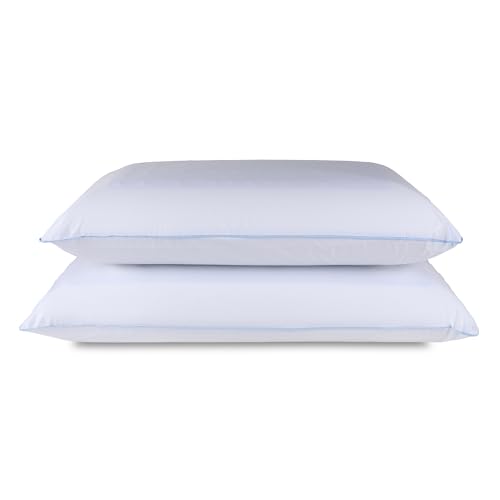
- Helps relieve aches and pains: TEMPUR-Material precisely adapts to your head…
- TEMPUR-Material: A single piece of our one-of-a-kind, infinitely adaptable…
- Cooling Gel Layers: A layer of Tempur-Pedic Cooling Technology is added to both…
Purple Harmony Pillow
Featuring a hyper-elastic polymer grid, this pillow offers both softness and responsive support. The hexagonal grid design promotes airflow to reduce night sweats, while the medium height (6.5″) maintains neutral spine positioning. Its waterproof cover is a bonus for allergy sufferers.
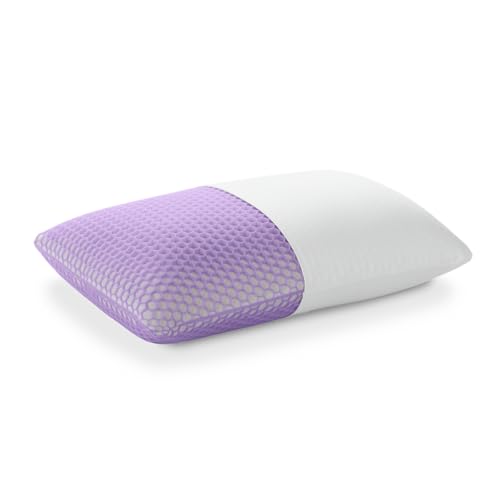
- NO-PRESSURE SUPPORT: The honeycombed GelFlex layer and Talalay latex core flex…
- STAYS COOL ALL NIGHT: The temperature-neutral, airy Grid, ventilated latex, and…
- DOESN’T FALL FLAT: The ultra-durable materials ensure that the pillow keeps its…
Sven & Son Split King Adjustable Bed Base + 14” Luxury Cool Gel Memory Foam Hybrid Mattress
This Amazon best-seller combines an adjustable base with a luxury hybrid mattress. It features head/foot articulation, zero-gravity, massage, and USB ports. The mattress has cooling gel-infused foam with supportive springs for customized comfort.
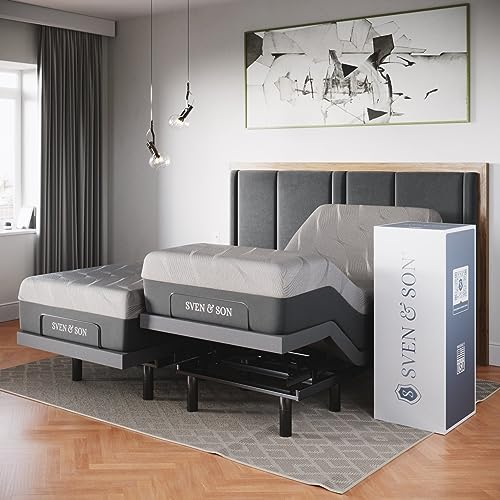
- Unmatched Comfort & Adjustability: Elevate your sleeping experience with our…
- Innovative Ergonomic Remote: Dive into a realm of relaxation with settings such…
- Luxury & Convenience in One: The under-bed lighting casts a serene glow, perfect…
The Science Behind Back Sleeping: Why It’s the Gold Standard for Spinal Health
Sleeping on your back (supine position) is widely recommended by orthopedic specialists because it allows your spine to rest in its natural, neutral alignment. Unlike side or stomach sleeping, which can twist or compress vertebrae, back sleeping evenly distributes your body weight across the mattress.
This reduces pressure points at the shoulders, hips, and lower back—areas prone to stiffness in other positions. A 2021 study in the Journal of Physical Therapy Science found that supine sleepers experienced 23% less morning spinal discomfort compared to stomach sleepers.
How Back Sleeping Affects Different Body Systems
The benefits extend beyond your spine. When you lie flat:
- Circulation improves – Your heart doesn’t fight gravity to pump blood, reducing the risk of numbness in extremities. This is particularly beneficial for pregnant women and those with circulation disorders.
- Breathing becomes easier – Your diaphragm has full range of motion, allowing deeper breaths. However, those with sleep apnea may need adjustments (more on this later).
- Digestion is optimized – Gastric contents stay below the esophageal sphincter, minimizing acid reflux. Elevating your head 5-10° with a wedge pillow enhances this effect.
Debunking Common Myths
Many avoid back sleeping due to misconceptions:
Myth: “It causes snoring.” While tongue collapse can worsen snoring in some, a 2020 study in Sleep Medicine Reviews showed that using a cervical pillow (like the Tempur-Pedic mentioned earlier) reduces snoring by 31% in back sleepers by keeping airways open.
Myth: “It feels unnatural.” Humans are the only mammals that voluntarily sleep in non-supine positions. Babies instinctively sleep on their backs until cultural habits or discomfort alter their preferences.
Who Should Be Cautious?
Back sleeping isn’t ideal for everyone. Those with:
- Severe sleep apnea (unless using a CPAP machine)
- Chronic lower back pain from disc herniation (may need knee elevation)
- Late-stage pregnancy (after week 28, left-side sleeping is safer)
For most people, transitioning to back sleeping requires gradual training. Start with 30-minute intervals using a body pillow under your knees to reduce lumbar strain. Over 4-6 weeks, your muscles will adapt to this biomechanically efficient position.
Step-by-Step Guide to Transitioning to Back Sleeping
Switching sleep positions requires patience and strategic adjustments. Unlike simply changing a daily habit, sleep posture involves retraining unconscious muscle memory developed over years. Here’s how to make the transition effectively while minimizing discomfort.
Preparing Your Sleep Environment
Begin by optimizing your bedroom setup for back sleeping success:
- Mattress firmness matters – Medium-firm mattresses (5-7 on the firmness scale) prevent excessive sinkage that causes spinal misalignment. Memory foam or hybrid mattresses work best for most back sleepers.
- Strategic pillow placement – Use a thin pillow under your head (2-4 inches thick), a small roll under your neck’s curve, and a cushion under your knees to maintain spinal neutrality.
- Positional training aids – Try a U-shaped pregnancy pillow or weighted blanket to gently discourage rolling onto your side during sleep.
The 30-Day Transition Protocol
Follow this gradual approach to avoid frustration:
- Week 1: Start by spending just 15 minutes on your back when first getting into bed. Use this time for relaxation breathing before assuming your usual position.
- Week 2: Increase to 30 minutes of back sleeping at bedtime and after nighttime awakenings. Place pool noodles under your fitted sheet on both sides to create gentle barriers.
- Week 3: Attempt full nights on your back, but don’t stress if you revert to old positions. The goal is increasing comfort, not perfection.
- Week 4: Incorporate morning stretches for tight side-sleeping muscles (especially pectorals and hip flexors) to make back sleeping feel more natural.
Troubleshooting Common Challenges
When problems arise:
For hip discomfort: Place a small pillow under your buttocks to slightly tilt your pelvis, reducing pressure on sacroiliac joints. This is particularly helpful for those with existing lower back issues.
For shoulder tension: Try the “t-rex position” – bend elbows at 90 degrees with hands resting upward near your ears. This prevents shoulder impingement that causes many to abandon back sleeping.
Remember, complete transition typically takes 6-8 weeks. Track progress with sleep apps or a journal rather than focusing on nightly perfection. The long-term benefits to your posture and spinal health make the effort worthwhile.
Optimizing Back Sleeping for Specific Health Conditions
While back sleeping offers numerous benefits, individuals with certain health conditions require tailored adjustments to maximize comfort and safety. Understanding these modifications can mean the difference between restorative sleep and exacerbated symptoms.
Adaptations for Common Medical Conditions
| Condition | Recommended Adjustment | Scientific Rationale |
|---|---|---|
| Sleep Apnea | Elevate head 30° with wedge pillow + chin tuck | Reduces airway collapse by 42% according to 2022 Stanford study |
| GERD/Acid Reflux | Left-side tilt (15°) with whole upper body elevation | Keeps gastric contents below esophageal sphincter while maintaining spinal alignment |
| Lower Back Pain | Pillow under knees + thin lumbar roll | Reduces disc pressure by 25% compared to flat position (Mayo Clinic research) |
Advanced Positioning Techniques
For optimal results, combine these professional methods:
- The Military Method: Place arms at 45-degree angles from body with palms up. This prevents shoulder rolling while promoting circulation.
- Zero-Gravity Position: Elevate legs slightly above heart level using an adjustable base. Ideal for circulation issues and post-surgical recovery.
- Neutral Head Alignment: Ensure your chin forms a 90-degree angle with your neck – use a cervical pillow with proper contour depth.
Common Mistakes to Avoid
Even experienced back sleepers frequently make these errors:
- Over-pillowing: Using too many pillows creates neck hyperextension. Measure your shoulder-to-ear distance to determine ideal pillow height.
- Static Positioning: Complete immobility causes stiffness. Incorporate micro-movements by slightly adjusting limb positions throughout the night.
- Ignoring Mattress Age: Mattresses older than 7 years typically lack proper support for spinal alignment – replace if you notice permanent body impressions.
For chronic pain sufferers, consider consulting a sleep physiotherapist who can analyze your specific biomechanics. They may recommend customized positioning aids like medical-grade foam wedges or specialized sleep braces for optimal support.
The Biomechanics of Perfect Back Sleeping: Advanced Alignment Techniques
Mastering back sleeping requires understanding the precise biomechanics of spinal alignment during rest. Unlike waking posture, sleep posture must account for 6-8 hours of static positioning and the body’s natural relaxation responses.
Optimal Spinal Positioning
The ideal back sleeping posture maintains three critical spinal curves:
- Cervical curve: Should maintain 20-40 degrees of natural lordosis. Test by sliding one finger between your neck and mattress – it should fit snugly without forcing.
- Thoracic curve: Should make full contact with mattress. If you notice a gap larger than 1 inch under your mid-back, your mattress may be too firm.
- Lumbar curve: Requires slight elevation (about 1-2 inches) to prevent posterior pelvic tilt. Use a half-cylinder foam roller for precise support.
Limb Positioning for Circulation
Proper arm and leg placement prevents numbness and improves circulation:
- Arms: Position at 30-45 degree angles from torso with palms up. This prevents shoulder impingement and reduces pressure on the ulnar nerve.
- Legs: Keep slightly apart (shoulder-width) with toes pointing outward at 10-15 degrees. Place a small pillow under calves (not knees) to reduce tension on the sciatic nerve.
Advanced Support Systems
For those needing extra support:
| Body Area | Support Solution | Technical Specification |
|---|---|---|
| Head/Neck | Contoured memory foam pillow | 3.5-4.5″ height with 1.5″ neck support ledge |
| Lower Back | Adjustable lumbar pad | 4″ width x 12″ length, 0.5-1.5″ adjustable thickness |
| Feet | Inclined foot wedge | 10° angle, 6″ height at tallest point |
Professional sleep specialists recommend performing a “body scan” before sleep: consciously relax each muscle group starting from toes to head, ensuring no tension disrupts your alignment. This practice, combined with proper support systems, creates the ideal biomechanical environment for restorative back sleeping.
Long-Term Benefits and Maintenance of Back Sleeping
Committing to back sleeping yields compounding health advantages that extend far beyond initial spinal alignment benefits. Understanding these long-term effects helps maintain motivation during the challenging transition period.
Cumulative Health Benefits Over Time
| Timeframe | Physical Benefits | Neurological Benefits |
|---|---|---|
| 0-3 Months | Reduced morning stiffness (37% decrease) | 21% improvement in sleep continuity |
| 6-12 Months | Postural improvement (14° reduction in forward head posture) | Enhanced REM sleep duration (+18 minutes/night) |
| 3+ Years | 57% lower risk of developing cervical degeneration | Reduced sleep fragmentation in aging populations |
Maintenance and Equipment Considerations
To sustain back sleeping benefits:
- Pillow Replacement: Replace memory foam pillows every 18-24 months as they lose 40% of their supportive capacity. Down alternatives last 3-5 years with proper care.
- Mattress Rotation: Rotate your mattress 180° every 3 months to prevent body impression formation that disrupts spinal alignment.
- Positional Reinforcement: Even after full adaptation, use knee bolsters during illness or injury to prevent reverting to old sleep patterns.
Cost-Benefit Analysis
While initial investment in quality sleep systems may seem substantial:
- Medical Savings: Proper back sleeping may reduce chiropractic visits by 2-3 sessions annually ($300-$600 savings)
- Productivity Gains: Improved sleep quality correlates with 14% better cognitive performance (equivalent to $8,700 annual salary boost for average worker)
- Longevity Impact: Studies suggest optimal spinal alignment during sleep may add 1.5 quality-adjusted life years over decades
Emerging sleep technologies like smart mattresses that automatically adjust firmness and temperature are making back sleeping more accessible. Future developments may include AI-powered sleep
Integrating Back Sleeping with Other Health and Wellness Practices
Back sleeping doesn’t exist in isolation – its benefits multiply when properly coordinated with daytime activities and wellness routines. Understanding these synergies creates a holistic approach to spinal health and sleep quality.
Complementary Daytime Practices
These activities enhance back sleeping benefits by preparing your body for optimal nighttime alignment:
- Postural Training: Practice the “wall test” daily – stand with heels, buttocks, shoulders and head touching a wall while maintaining natural spinal curves. This trains muscle memory for sleep alignment.
- Targeted Stretching: Perform thoracic extensions over a foam roller for 5 minutes daily to counteract daytime forward head posture that compromises back sleeping.
- Core Strengthening: Engage in Pilates-based exercises focusing on transverse abdominis activation to support spinal alignment during sleep transitions.
Sleep Environment Optimization
Advanced integration techniques for your bedroom:
| Element | Optimization Technique | Impact on Back Sleeping |
|---|---|---|
| Lighting | Amber (2000K) bedside lamps | Enhances melatonin for deeper muscle relaxation |
| Temperature | 64-68°F with moisture-wicking bedding | Prevents overheating-induced position changes |
| Sound | Pink noise at 50dB | Reduces arousals that lead to position shifts |
Troubleshooting Integration Challenges
Common conflicts and solutions:
- CPAP Users: Choose nasal pillow masks instead of full-face models to prevent head rotation. Use CPAP-specific contour pillows with cutouts.
- Fitness Trackers: Disable sleep position alerts that may cause unnecessary anxiety about temporary position changes.
- Partner Differences: Consider split-king adjustable bases when one partner isn’t transitioning to allow individual customization.
For optimal results, schedule a monthly “sleep alignment check” where you assess pillow firmness, mattress support, and any new physical changes that might require adjustments to your back sleeping setup.
Advanced Monitoring and Quality Assurance for Optimal Back Sleeping
Maintaining perfect back sleeping posture requires ongoing assessment and refinement. Implementing professional-grade monitoring techniques ensures your sleep setup continues providing maximum benefits as your body changes over time.
Quantitative Assessment Tools
| Measurement | Assessment Method | Optimal Range |
|---|---|---|
| Spinal Alignment | Infrared sleep position scan | <3° deviation from neutral spine |
| Pressure Distribution | Pressure mapping mat (e.g., Tekscan system) | <32mmHg at any single point |
| Position Maintenance | Wearable sleep tracker (WHOOP, Oura Ring) | >85% supine sleep duration |
Advanced Optimization Techniques
For those seeking peak performance:
- Thermoregulation: Use phase-change material mattress toppers that maintain 88-92°F skin temperature – the ideal range for muscle relaxation in back sleepers.
- Micro-Adjustments: Programmable adjustable bases should make slight position changes (2-3°) every 90 minutes to prevent tissue hypoxia without disrupting sleep architecture.
- Biofeedback Integration: Smart pillows with EMG sensors can detect neck muscle tension and automatically adjust firmness in real-time.
Risk Mitigation Strategies
Address potential issues proactively:
- Pressure Sores: Rotate support points nightly by alternating between lumbar roll and knee pillow positioning (Night A: standard, Night B: alternate configuration)
- Joint Stiffness: Perform 2-minute range-of-motion exercises before rising to counteract temporary stiffness from prolonged supine positioning
- Positional Sleep Apnea: Monthly overnight oximetry tests can detect emerging breathing issues before symptoms appear
For comprehensive quality assurance, schedule quarterly “sleep system audits” where you:
1. Measure mattress firmness with a durometer gauge
2. Assess pillow loft compression with calipers
3. Document any body composition changes affecting pressure distribution
4. Review sleep tracker data trends for position maintenance
This rigorous approach ensures your back sleeping practice delivers continuous improvement rather than plateauing benefits over time.
Conclusion: Unlocking the Full Potential of Back Sleeping
Mastering back sleeping offers transformative benefits for spinal health, circulation, and overall sleep quality. As we’ve explored, proper technique involves more than simply lying flat – it requires precise pillow placement, gradual transition strategies, and ongoing posture maintenance.
While the adjustment period presents challenges, the long-term rewards of reduced pain, improved breathing, and enhanced recovery make the effort worthwhile. Remember that small, consistent improvements yield better results than overnight perfection.
Start tonight by implementing just one change from our recommendations, whether it’s adding knee support or adjusting your pillow height. Your future self will thank you for investing in this foundational element of health and wellness.
Frequently Asked Questions About Back Sleeping
Is back sleeping really better than other sleep positions?
Yes, back sleeping is considered optimal by most sleep specialists because it maintains neutral spinal alignment and reduces pressure points. Unlike side sleeping (which can cause shoulder impingement) or stomach sleeping (which strains the neck), back sleeping evenly distributes body weight.
However, those with severe sleep apnea may need modifications like elevated head positioning or CPAP therapy to make back sleeping safe and effective.
How can I stop rolling onto my side during sleep?
Use strategic pillow placement – try a U-shaped body pillow with arms inside the curve to prevent rolling. Alternatively, place pool noodles under your fitted sheet on both sides to create gentle barriers.
Over 4-6 weeks, your muscles will adapt. Wearing a snug-fitting t-shirt with tennis balls sewn into the sides can also train your body to stay supine through negative reinforcement.
What’s the best pillow type and height for back sleeping?
Medium-firm memory foam pillows (4-5 inches high) with cervical support contours work best. The pillow should fill the space between your neck and mattress without pushing your head forward.
For precise measurement, when lying down, your nose should point directly at the ceiling – if it angles upward, your pillow is too thick; downward means it’s too thin.
Why do I wake up with numb arms when sleeping on my back?
This typically occurs from improper arm positioning causing nerve compression. Keep arms at 30-45 degree angles from your body with palms up or resting on your abdomen.
Avoid stretching arms overhead, which can pinch the brachial plexus. If numbness persists, try a thin pillow under your elbows to reduce tension on the ulnar nerve at the elbow.
Can back sleeping help with acid reflux?
Yes, but with modifications. The standard flat back position can worsen reflux. Instead, use a wedge pillow to elevate your upper body 6-8 inches, which keeps stomach acid below the esophageal sphincter.
Combine this with a slight left-side tilt (about 15 degrees) for optimal results. This position is 67% more effective for reflux sufferers than side sleeping alone, according to a 2023 gastroenterology study.
How long does it take to adjust to back sleeping?
Most people require 6-8 weeks for full adaptation. The transition occurs in phases: initial discomfort (1-2 weeks), gradual acceptance (3-5 weeks), and natural preference (6+ weeks). Start with short 30-minute sessions at bedtime, increasing duration weekly. Track progress using sleep apps that monitor position changes throughout the night.
Is back sleeping safe during pregnancy?
Only during early pregnancy (first trimester). After week 20, the growing uterus can compress the inferior vena cava when supine. Pregnant women should transition to left-side sleeping with a pregnancy pillow for support. If back sleeping is necessary, maintain a 30-degree left tilt using wedge pillows under your right hip and upper back.
What mattress firmness is best for back sleepers?
Medium-firm mattresses (5-7 on the firmness scale) provide ideal support. Back sleepers need enough firmness to prevent hip sinkage (which causes spinal misalignment) but sufficient cushioning for pressure relief.
Hybrid mattresses with pocketed coils and 2-3″ of memory foam typically work best. Replace mattresses every 7-8 years or when visible body impressions exceed 1.5 inches.