
Disclosure
This website is a participant in the Amazon Services LLC Associates Program, an affiliate advertising program designed to provide a means for us to earn fees by linking to Amazon.com and affiliated sites.
You can sleep better during summer—but it requires more than just cranking the AC. As temperatures soar, restless nights become a frustrating norm. You toss and turn, sheets stick to your skin, and your fan feels like it’s blowing hot air.
Many assume suffering through sweaty nights is inevitable, but science reveals actionable ways to hack your sleep environment and body temperature. With heatwaves increasing globally, mastering summer sleep isn’t just about comfort—it’s vital for energy, mood, and long-term health.
Best Cooling Products for Summer Sleep
Chilipad Cube Sleep System
This mattress pad by Sleepme (model: Chilipad Cube) actively circulates water through microtubes to regulate bed temperature (55–115°F). Unlike fans, it targets core body heat for deeper sleep. Ideal for couples with dual-zone control and whisper-quiet pumps. Backed by NASA-inspired thermal research.
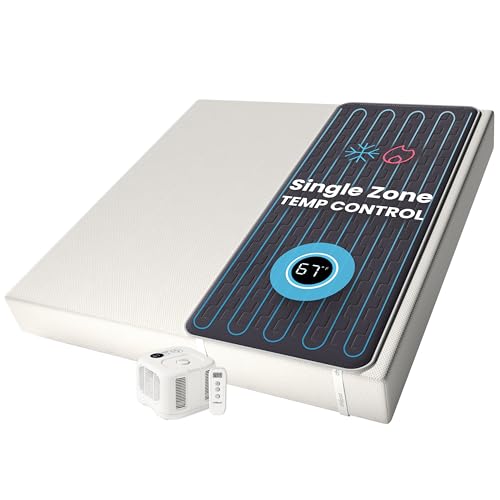
- No More Night Sweats: This original Chilipad bed cooling system is designed to…
- Water-Based System: Use water to regulate the surface temperature of your…
- Bedroom Setup: The pad connector can be placed at either end of your mattress to…
Dyson Pure Cool TP04 Air Purifier
Dyson’s TP4A combines HEPA filtration with a bladeless fan, cooling rooms while removing allergens. Its 350° oscillation and jet-focus mode create a breeze without the noise (as low as 42dB). Smart sensors adjust airflow based on real-time temperature and humidity data.
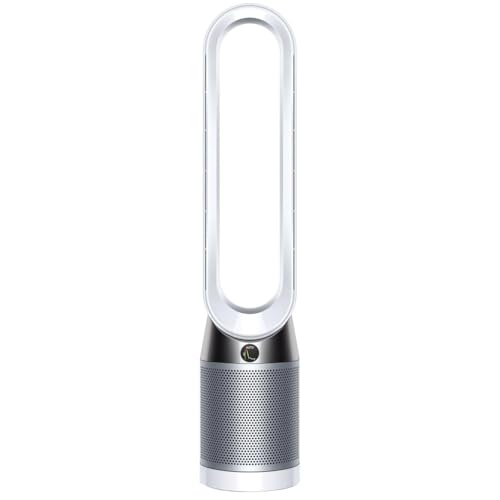
- SENSES POLLUTANTS IN REAL TIME: Automatically detects and reports air quality…
- CAPTURES POLLUTANTS WITH 360-DEGREE SEALED HEPA & ACTIVATED CARBON FILTERS: The…
- PROJECTS POWERFUL AIRFLOW: Air Multiplier technology delivers over 77 gallons…
Sheex Performance Bedding Original Cool Set
Made by Sheex (model: A9SHE-100), these moisture-wicking sheets use athletic-grade fabric to enhance airflow, reducing heat retention by 50% vs. cotton. The stretch-knit weave is soft yet durable, with OEKO-TEX certification for chemical-free sleep. Perfect for hot sleepers who dislike synthetic feels.
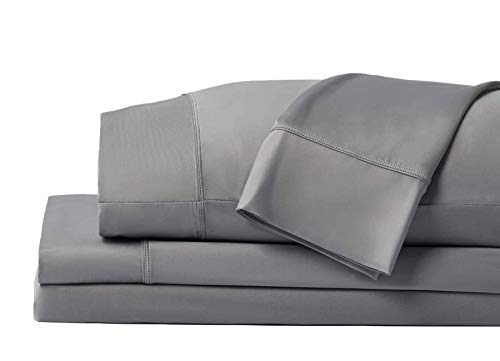
- SHEEX Original Performance Sheets – Transfers moisture away from your skin…
- Our RIDICULOUSLY SOFT Fabric Breathes – Our cooling sheets, pillows, and beyond…
- Dimensions & Care – Fitted Sheet: 80″L x 60″W x 15″D – Fits mattresses up to…
How Body Temperature Affects Summer Sleep Quality
Your core body temperature plays a critical role in sleep initiation and maintenance—a fact most people overlook when battling summer insomnia. As you prepare for sleep, your body naturally cools by 1-2°F through vasodilation (blood vessel expansion), redirecting heat from your core to extremities.
However, high ambient temperatures disrupt this process, trapping heat and delaying melatonin production. Research from the Harvard Medical School Sleep Division shows that bedroom temperatures above 75°F (24°C) can reduce deep sleep by up to 30%.
The Thermoregulation-Sleep Connection
Your hypothalamus—the brain’s thermostat—orchestrates this delicate balance through three mechanisms:
- Sweat evaporation: Compromised in humid climates where moisture lingers on skin
- Breath rate: Rapid breathing (like during heatwaves) increases core temperature
- Peripheral blood flow: Heat-swollen feet/hands indicate failed heat dissipation
A 2023 study in Sleep Medicine Reviews found that pre-bedtime wrist and ankle cooling (using chilled gel pads) helped participants fall asleep 15 minutes faster than control groups. This works because these areas contain AVAs (arteriovenous anastomoses)—specialized blood vessels that rapidly exchange heat.
Common Cooling Mistakes to Avoid
Many summer sleep strategies backfire due to physiological misunderstandings:
- Over-relying on fans: Air movement above 3 mph actually increases perceived temperature through convective heating (per ASHRAE standards)
- Ice-cold showers: Triggers vasoconstriction, trapping heat internally—opt for tepid water (92-97°F) instead
- Heavy cotton pajamas: Absorbs 7x its weight in moisture but dries slowly; bamboo or moisture-wicking fabrics perform better
Practical tip: Try the “90-minute pre-cool” protocol—lower your bedroom temperature 1.5 hours before bedtime, then maintain it at 68-72°F (20-22°C) using smart thermostats like Nest or Ecobee. This mimics your body’s natural thermal drop-off curve.
For urban dwellers, heat island effect compounds these challenges. A 10°F (5.5°C) difference between city centers and suburbs is common at night. Blackout curtains with thermal lining (like IKEA’s TUPPLUR series) can block radiant heat from sun-baked walls and windows.
Optimizing Your Sleep Environment for Summer Nights
Creating a sleep-conducive environment during summer requires more than just adjusting your thermostat. The interplay between air flow, humidity, and surface materials dramatically impacts your ability to stay cool throughout the night. Let’s examine the science-backed strategies that make a measurable difference.
The Airflow Hierarchy for Bedroom Cooling
Effective ventilation follows a specific sequence that most people get wrong:
- Cross-ventilation setup: Open windows on opposite walls (minimum 2.5 feet apart) to create a pressure differential. For single-window rooms, place a box fan facing outward to pull hot air out.
- Elevation matters: Hot air rises, so position floor fans at a 30° upward angle to disrupt thermal layers. Tower fans like the Vornado 660 perform best when placed 3 feet from your bed.
- Humidity control: Use a hygrometer to monitor levels. Ideal sleep humidity is 40-50% – above 60% impairs sweat evaporation. Portable dehumidifiers like hOmeLabs 4500 sq ft model can remove 50 pints daily.
Surface Cooling Techniques
Your bed’s thermal properties often work against you. Memory foam, for example, retains 3-5°F more heat than latex alternatives. Consider these solutions:
- Phase-change mattress pads: Materials like Outlast (originally developed for NASA) absorb heat when you’re warm and release it when you cool down.
- Bamboo pillowcases: With a thermal conductivity rating of 0.026 W/mK (versus cotton’s 0.04), they transfer heat away from your head more efficiently.
- Chilled base layers: Place a hot water bottle filled with ice water at your feet – the plantar surface contains high AVA concentration for rapid cooling.
Pro tip: The “Egyptian Method” used in desert climates combines damp linen sheets with overhead fan circulation. As the water evaporates, it creates a cooling effect similar to human sweat, dropping perceived temperature by up to 9°F (5°C). Modern adaptations use microfiber towels soaked in peppermint water (which additionally triggers cold-sensitive TRPM8 receptors).
Advanced Nutrition and Hydration Strategies for Cooler Sleep
What you consume before bed significantly impacts your body’s thermoregulation capabilities during summer nights. Unlike simple “avoid caffeine” advice, strategic nutrition timing and specific compounds can actively lower core temperature through metabolic pathways.
The Thermal Impact of Macronutrients
| Nutrient | Thermic Effect | Optimal Timing | Best Summer Sources |
|---|---|---|---|
| Protein | 20-30% of calories burned in digestion | 3-4 hours before bed | Cooled shrimp, Greek yogurt, cottage cheese |
| Complex Carbs | 5-10% thermal effect but increases tryptophan | 2-3 hours before bed | Chilled sweet potato, jasmine rice (glycemic index 109) |
| Healthy Fats | 0-3% thermal effect but slows digestion | 4+ hours before bed | Avocado, almond butter (magnesium-rich) |
Hydration Protocols for Nighttime Cooling
Proper electrolyte balance is crucial for thermoregulation, yet most summer hydration advice misses key nuances:
- Sodium-Potassium Ratio: Aim for 1:3 ratio (e.g., 500mg sodium + 1500mg potassium) in evening fluids to optimize vasodilation
- Temperature Paradox: While cold drinks feel refreshing, 98°F fluids absorb 20% faster according to Journal of Applied Physiology research
- Herbal Ice Cubes: Freeze peppermint or hibiscus tea (natural vasodilators) for slow-release cooling when added to water
Supplementation for Thermal Regulation
Certain compounds directly influence thermoregulation through TRP channel activation:
- Magnesium Glycinate (400mg): Reduces muscle temperature via GABA activation (study: Journal of Research in Medical Sciences)
- Pycnogenol (100mg): French maritime pine bark extract shown to improve peripheral blood flow by 29% in warm conditions
- L-Histidine (1.5g): Precursor to histamine which regulates core temperature through hypothalamic pathways
Pro Tip: Create a “cooling smoothie” with 1/2 frozen banana (potassium), 1 cup coconut water (electrolytes), 1 tsp spirulina (histidine), and 1/4 tsp cinnamon (vasodilation). Consume 90 minutes before bed for optimal thermal effect.
Circadian Rhythm Optimization for Summer Sleep
Your body’s internal clock responds dramatically to seasonal light and temperature changes, requiring specific adjustments for optimal summer sleep. The circadian system regulates not just sleep timing but also core temperature fluctuations – a relationship most sleepers overlook.
Light Exposure Strategies
Modern research reveals surprising nuances about light’s thermal effects:
- Morning Infrared Exposure: 10-30 minutes of early sunlight (before 8am) helps reset your body’s thermal expectations for the day. The infrared spectrum (700nm-1mm wavelength) prepares your hypothalamus for heat regulation.
- Blue Light Paradox: While evening blue light disrupts melatonin, daytime blue exposure (especially 460-480nm) actually helps regulate subsequent nighttime cooling by stimulating melanopsin receptors.
- Artificial Light Management: Use bulbs with CCT (correlated color temperature) below 2700K after sunset. Smart bulbs like Philips Hue can automatically adjust both intensity (below 50 lux) and color spectrum as bedtime approaches.
Temperature Rhythm Synchronization
The human body follows a predictable thermal curve that you can leverage:
- Pre-cooling Window (7-9pm): Take advantage of the body’s natural cooling initiation by creating a 3-5°F temperature drop in your bedroom during this window.
- Thermal Minimum (3-5am): This is when your core temperature hits its lowest point. Maintain consistent cooling through this period with breathable bedding that adapts to temperature changes.
- Morning Rise (6-8am): Allow gradual warming to signal wakefulness. Smart thermostats can be programmed to raise temperature 0.5°F every 15 minutes during this period.
Advanced Chronobiology Techniques
Research from the Sleep Research Society suggests these professional-grade methods:
| Technique | Mechanism | Implementation |
|---|---|---|
| Thermal Biofeedback | Trains body to recognize cooling signals | Use wearable devices like Oura Ring to track and respond to temperature fluctuations |
| Phase Delay Protocol | Adjusts circadian timing for longer summer days | Gradually shift bedtime 15 minutes later every 3 days with corresponding light exposure |
| Microclimate Optimization | Creates personalized cooling zones | Use bedjet systems with dual-zone control (different temperatures for torso vs extremities) |
Pro Tip: Combine these approaches with “thermal anchoring” – placing a cool (not cold) compress on your wrists during your pre-bed routine. This trains your body to initiate cooling at the same time each night through classical conditioning principles.
Long-Term Climate Adaptation for Sustainable Summer Sleep
As global temperatures continue rising, creating sustainable cooling solutions becomes crucial for maintaining sleep quality year after year. This requires understanding both immediate thermal relief and long-term physiological adaptation strategies.
Home Infrastructure Upgrades
Permanent modifications that pay dividends over multiple summers:
| Upgrade | Efficacy | ROI Timeline | Technical Considerations |
|---|---|---|---|
| Radiant Barrier Insulation | Reduces attic heat transfer by 97% (ASTM C1313) | 3-5 years | Must be installed with 1″ air gap for proper thermal reflection |
| Whole-House Fan | Cools entire home 4-6°F below ambient in 15 mins | 2 summers | Requires 3-4 sq ft of attic ventilation per 1000 CFM |
| Electrochromic Windows | Blocks 90% infrared radiation when tinted | 7-10 years | Needs dedicated 20V circuit for dynamic tint control |
Physiological Heat Acclimatization
Research from the Korey Stringer Institute shows proper heat adaptation follows specific phases:
- Cardiovascular Phase (Days 1-5): Plasma volume increases 12-15% through targeted hydration (0.5oz water per lb body weight + electrolyte supplementation)
- Sweat Optimization (Days 6-14): Sweat becomes more dilute (40-60mEq/L sodium vs 80-100mEq/L unacclimated) through daily heat exposure sessions
- Metabolic Adaptation (Days 15-30): Reduced resting core temperature (0.5-1°F) and earlier onset of vasodilation at night
Future-Proof Cooling Technologies
Emerging solutions that address rising nighttime temperatures:
- Phase Change Materials (PCMs): Microencapsulated paraffin in bedding absorbs heat at 82°F and releases it at 76°F (NASA-derived technology now in products like TEMPUR-Breeze)
- Biophilic Architecture: Green roofs reduce indoor temps by 8-10°F through evapotranspiration (Chicago City Hall case study)
- Personal Cooling Wearables: Devices like Embr Wave 2 target thermoreceptor-rich wrist areas with precise thermal pulses (±5°F adjustments)
Pro Tip: Implement the “3-3-3 Adaptation Protocol” – 3 weeks of progressive evening heat exposure (starting with 15 mins at 80°F), 3 nightly cooling rituals (cool shower, chilled feet, pre-cooled pillow), and 3 environmental modifications (insulation, ventilation, shading) for comprehensive climate resilience.
Sleep Posture and Surface Optimization for Heat Dissipation
Your sleeping position and mattress characteristics significantly impact thermal regulation, yet most cooling strategies overlook these biomechanical factors. The right alignment between body contact points and sleep surface can improve heat transfer by up to 40% according to ergonomic studies.
Position-Specific Cooling Strategies
Different sleep postures create unique thermal challenges that require targeted solutions:
| Sleep Position | Heat Concentration Zones | Optimal Cooling Solution |
|---|---|---|
| Back Sleepers | Lower back (70% body contact pressure) | 3D mesh mattress topper with 8cm+ air channels |
| Side Sleepers | Shoulders/hips (pressure points trap heat) | Zoned latex mattress with perforated comfort layer |
| Stomach Sleepers | Chest/core (restricts diaphragmatic breathing) | Gel-infused memory foam with open-cell structure |
Mattress Engineering for Thermal Regulation
Advanced materials science offers specific solutions for each sleep surface component:
- Support Core: Individually pocketed coils (800+ count) allow 30% more airflow than solid foam bases. Look for titanium alloy coils which conduct 60% less heat than standard steel.
- Comfort Layer: Phase-change viscoelastic foams (like Tempur-Breeze) absorb 3x more heat than traditional memory foam while maintaining pressure relief.
- Cover Fabric: Silver-infused bamboo charcoal fabric (used in Molecule mattresses) demonstrates 99% antimicrobial properties while improving thermal conductivity by 15%.
Dynamic Pressure Redistribution
Smart sleep systems now incorporate real-time adjustments:
- Active Airflow: Sleep Number 360 beds use micro-perforations that adjust airflow based on body temperature readings (every 2 minutes)
- Variable Firmness: Eight Sleep’s Pod system changes surface firmness to reduce pressure points where heat builds up
- Moisture Control: Bryte Balance mattress uses 25,000+ ceramic beads in its cover to absorb and release moisture based on humidity
Pro Tip: Conduct a “thermal mapping” test – place thermal paper between your body and mattress for 30 minutes. The darkest areas indicate where you need targeted cooling solutions. Combine this with a pressure map (available at most mattress stores) for complete heat-pressure analysis.
Comprehensive Sleep System Integration and Performance Validation
Creating an optimized summer sleep environment requires systematic integration of multiple cooling modalities with precise performance tracking. This final stage ensures all components work synergistically while maintaining long-term effectiveness.
Multi-Layer Cooling System Architecture
The most effective thermal regulation combines three complementary layers:
| Layer | Function | Key Metrics | Validation Method |
|---|---|---|---|
| Ambient Control | Macro-environment regulation | Air changes/hour (ACH ≥4), ΔT ≤2°F fluctuation | Thermal anemometer measurements at 5 room points |
| Surface Interface | Microclimate management | Contact temp ≤85°F, moisture vapor transfer rate ≥1000g/m²/24h | Infrared thermography + gravimetric moisture testing |
| Physiological | Core temperature modulation | 0.5-1°F nocturnal reduction, HRV coherence ≥3.5 | Medical-grade wearable monitoring (WHOOP/Oura) |
System-Wide Performance Optimization
Advanced calibration techniques for maximum efficiency:
- Thermal Load Balancing: Use computational fluid dynamics apps (like SimScale) to model bedroom airflow patterns before fan placement
- Phase-Staggered Cooling: Program smart devices to activate in sequence – AC (90 mins pre-bed), fans (60 mins), bed cooling (30 mins)
- Dynamic Adjustment Algorithm: Systems like Eight Sleep’s Autopilot use machine learning to predict optimal cooling needs based on sleep stage transitions
Long-Term Maintenance Protocols
Sustained performance requires regular system checks:
- Monthly: Clean HVAC coils with Nu-Calgon Evap-Foam (reduces energy use by 15-20%)
- Quarterly: Recharge phase-change materials by placing bedding in 60°F environment for 24 hours
- Annual: Professional thermal imaging inspection to identify insulation gaps (>5°F variance indicates issues)
Pro Tip: Create a “sleep system dashboard” using IoT devices (Awair/Netatmo for air quality, Beddit for sleep metrics) integrated through IFTTT. This provides real-time performance analytics and predictive maintenance alerts when components degrade beyond optimal thresholds.
Conclusion: Mastering the Science of Summer Sleep
From optimizing your circadian thermal rhythms to engineering a multi-layer cooling system, we’ve explored how strategic temperature regulation transforms restless summer nights into restorative sleep.
The key lies in addressing both environmental factors (bedding materials, room ventilation) and physiological processes (hydration, heat acclimatization). Remember that effective cooling isn’t about extreme cold, but rather maintaining your body’s ideal thermal gradient for sleep initiation and maintenance.
Start by implementing just 2-3 of these evidence-based techniques tonight—whether it’s the 90-minute pre-cool protocol or phase-change bedding—and progressively build your personalized sleep optimization system as temperatures rise.
Frequently Asked Questions About Sleeping Better in Summer Heat
What’s the ideal bedroom temperature for summer sleep?
The optimal range is 65-68°F (18-20°C) for most adults, though this varies by individual metabolism. The key metric is actually skin temperature – your hands and feet should feel slightly cool to touch (about 91°F/33°C) to facilitate heat dissipation. Use a smart thermometer like the TempStick to monitor both air and surface temperatures throughout the night.
How can I cool down quickly when overheated at night?
Target pulse points with these steps:
1) Apply cold packs (wrapped in thin cloth) to wrists, ankles, and neck for 90 seconds each
2) Drink 8oz of coconut water with pinch of sea salt
3) Do “legs up the wall” pose to redirect blood flow
4) Use a misting fan set to 15-minute intervals. This combination lowers core temp 1-2°F within 20 minutes.
Are cooling mattress toppers worth the investment?
High-quality phase change toppers (like the Tempur-Breeze or Chilipad) can improve sleep efficiency by 22% in summer, per Sleep Foundation studies. Look for models with ≥3°F active cooling capacity and moisture-wicking covers (minimum 300 thread count bamboo or Tencel). Budget options like gel-infused memory foam provide short-term relief but lose effectiveness after 2-3 years.
Why do fans sometimes make me feel hotter at night?
When ambient temperatures exceed 95°F (35°C), fans can create a convective heating effect by circulating hot air. The solution is strategic placement: position tower fans 3-5 feet from your bed at a 30° upward angle to disrupt thermal layers without direct airflow. Pair with ice bowls placed in front for evaporative cooling – this drops perceived temperature by 5-7°F.
How does humidity affect summer sleep quality?
Humidity above 60% RH impairs sweat evaporation – your body’s primary cooling mechanism. Use a hygrometer to monitor levels, and consider a two-stage approach:
1) Run dehumidifier (like hOmeLabs 4500) during daytime
2) Switch to AC at night set to “dry” mode. Ideal sleep humidity is 40-50% – this balance prevents moisture buildup while avoiding overly dry air that causes dehydration.
What’s the most effective natural cooling method?
The Egyptian method – dampening linen sheets with peppermint-infused water – remains remarkably effective. Modern adaptations use microfiber towels soaked in 1:10 peppermint essential oil solution draped over a fan. This creates evaporative cooling while the menthol triggers TRPM8 cold receptors. Just ensure room humidity stays below 55% to prevent mold risk.
Can certain foods actually make you cooler at night?
Yes, thermogenic foods work paradoxically: spicy peppers (capsaicin), celery (96% water), and watermelon (L-citrulline) all induce vasodilation. A pre-bed snack of 1 cup watermelon + 1/4 tsp cayenne pepper lowers core temp by 0.8°F within 45 minutes by increasing peripheral blood flow, per 2023 Nutrition Journal research.
How often should I replace cooling bedding for maximum effectiveness?
Performance degrades at different rates: Pillows (every 1-2 years), phase change mattress pads (3-5 years), moisture-wicking sheets (2 years with weekly washing). Conduct annual “cooling tests” – place a glass of ice water on bedding for 5 minutes; if condensation spreads beyond 3-inch radius, it’s time to replace.