
Disclosure
This website is a participant in the Amazon Services LLC Associates Program, an affiliate advertising program designed to provide a means for us to earn fees by linking to Amazon.com and affiliated sites.
You can sleep better during pregnancy—but it requires targeted strategies. As an expecting mom, you might assume restless nights are inevitable, but the truth is, small adjustments can make a dramatic difference.
Pregnancy disrupts sleep through hormonal shifts, physical discomfort, and anxiety, leaving 78% of women battling insomnia by the third trimester. Yet, surrendering to exhaustion isn’t your only option.
Imagine swapping endless tossing for deep, restorative sleep—even with a growing bump. This guide reveals science-supported techniques, from optimal sleep positions to circadian rhythm hacks, tailored for each trimester. You’ll learn how to:
- Alleviate back pain and heartburn disrupting sleep
- Leverage pregnancy pillows for spinal alignment
- Combat midnight anxiety with proven relaxation methods
Forget generic advice. These actionable steps address the root causes of pregnancy sleep struggles, blending obstetric expertise with real-mom tested solutions. Let’s transform your nights.
Best Sleep Aids for Pregnant Women
PharMeDoc Pregnancy Pillow (U-Shaped Full Body Pillow)
This orthopedic-grade pillow cradles your bump, back, and knees simultaneously, reducing pressure on joints. The hypoallergenic, breathable cover prevents overheating, while the 55-inch length supports all sleep positions. Ideal for side-sleeping (recommended after 20 weeks) with adjustable loft.
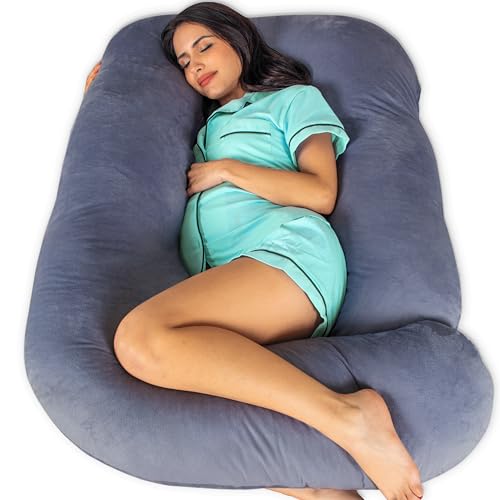
- The Ultimate Body Pillow – The Pharmedoc Jumbo full body pillows are designed…
- Why Use Pregnancy Pillows – It’s recommended by doctors to sleep on your…
- 3rd Trimester Pains? Our full body pregnancy pillow can help ease you into a…
Tempur-Pedic TEMPUR-Cloud Breeze Dual Cooling Pillow
Designed for temperature regulation, its cooling gel layer combats pregnancy night sweats. The memory foam conforms to neck curves, preventing stiffness. CertiPUR-US certified and machine-washable—critical for hygiene during heightened sensitivity to allergens.

- Helps relieve aches and pains: TEMPUR-Material precisely adapts to your head…
- TEMPUR-Material: A single piece of our one-of-a-kind, infinitely adaptable…
- Cooling Gel Layers: A layer of Tempur-Pedic Cooling Technology is added to both…
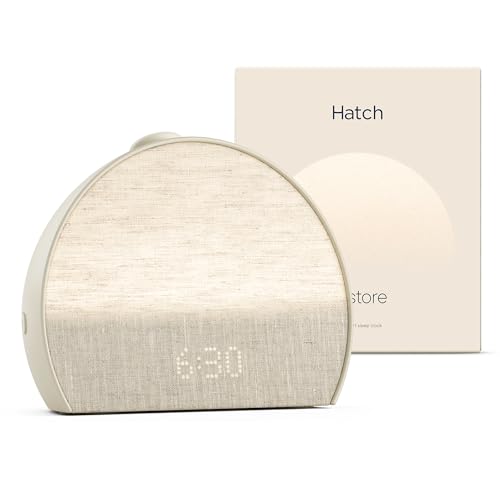
Hatch Restore 3 Smart Sleep Device
This sunrise alarm clock pairs with guided meditations (including pregnancy-specific tracks) to ease insomnia. Customizable wind-down routines use soft light gradients and white noise (like womb sounds) to lower cortisol. OB/GYNs praise its non-pharmacological approach to sleep training.
Pregnancy Sleep Challenges: Why Rest Becomes Harder
Pregnancy transforms your body in ways that directly interfere with sleep architecture—the natural cycle of light, deep, and REM sleep stages. While many blame a growing belly for discomfort, the causes run deeper and start earlier than most expect. Here’s what’s physiologically disrupting your rest:
Hormonal Changes and Sleep Disruption
Progesterone, the hormone sustaining pregnancy, increases by 10x in the first trimester. Though it induces drowsiness, it also fragments sleep by:
- Triggering micro-awakenings (brief unconscious arousals that prevent deep sleep)
- Relaxing the esophageal sphincter, worsening acid reflux when lying down
- Increasing urine production, leading to 3-5 nightly bathroom trips
Example: A 2022 Sleep Medicine study found pregnant women spend 30% less time in restorative Stage 3 sleep compared to pre-pregnancy.
Physical Discomfort by Trimester
Each stage brings unique challenges requiring tailored solutions:
- First trimester: Breast tenderness and nausea make side-sleeping painful. Try a wedge pillow under the ribs to relieve pressure.
- Second trimester: Ligament stretching causes hip pain. Place a firm pillow between knees to align the pelvis.
- Third trimester: The uterus compresses the inferior vena cava when lying flat, reducing blood flow. The “SOS position” (Sleep on Side with a 30° tilt) optimizes circulation.
Psychological Factors
Pregnancy anxiety activates the amygdala, keeping the brain in hypervigilant “light sleep” mode. A Yale University study found that 68% of pregnant women experience racing thoughts about childbirth or parenting at bedtime. Counter this with:
- Pre-sleep journaling to externalize worries
- Progressive muscle relaxation (start at toes, work upward)
- Red-light therapy (like Hatch Restore) to lower cortisol
Key Insight: Poor sleep isn’t just inconvenient—it’s linked to higher risks of gestational diabetes and preeclampsia. Addressing these root causes protects both maternal and fetal health.
Optimizing Your Sleep Environment for Pregnancy Comfort
Creating a sleep sanctuary becomes critical during pregnancy when your body needs more rest but faces greater challenges achieving it. The right environment can compensate for physical discomforts and hormonal changes. Here’s how to engineer your bedroom for optimal sleep quality:
The Perfect Pregnancy Sleep Setup
Your mattress and bedding choices need to evolve with your changing body:
- Mattress firmness: Medium-firm (5-7 on the 10-point scale) provides the ideal balance of support and pressure relief. Memory foam or hybrid mattresses with zoned support (like Saatva Classic) cradle hips while keeping spine aligned.
- Pillow configuration: Use a three-pillow system – wedge under the belly, body pillow along the back, and contoured cervical pillow for neck support. The Coop Home Goods Adjustable Pillow allows custom loft adjustment as your needs change.
- Temperature control: Pregnant women typically need the room 2-3°F cooler than usual. The ChiliPad Sleep System lets you precisely regulate bed temperature throughout the night.
Light and Sound Engineering
Your heightened sensitivity to stimuli requires special attention to sensory factors:
- Light pollution: Install blackout curtains (like Nicetown Thermal) and remove all LED indicators. Use amber night lights for bathroom trips to avoid blue light disruption.
- Sound masking: A white noise machine (Marpac Dohm Classic) set to 45-50 decibels helps mask pregnancy-related tinnitus and external noises that might wake you.
- Aromatherapy: Diffuse lavender and chamomile essential oils 30 minutes before bed – studies show they reduce pregnancy-related sleep latency by 20%.
Pre-Sleep Routine Adjustments
Your evening habits need to accommodate pregnancy’s unique demands:
- Modified “power down” hour: Replace screen time with prenatal yoga flows (like the Spinning Babies® Daily Essentials) to relieve tension and position baby optimally.
- Nutrition timing: Eat a magnesium-rich snack (banana with almond butter) 90 minutes before bed to prevent leg cramps, but stop liquids 60 minutes before sleep to reduce bathroom trips.
- Position transition practice: Spend 10 minutes before bed practicing rolling from side to side using the “log roll” method to make nighttime position changes easier.
Pro Tip: Keep a “sleep toolkit” by your bed – including Tums, a pregnancy wedge pillow, and electrolyte spray – to address common disruptions without fully waking up.
Sleep Positions and Support Strategies for Each Trimester
As your pregnancy progresses, your optimal sleep position changes dramatically to accommodate your growing baby and shifting physiology. Understanding the biomechanics behind these positions can help prevent common pregnancy complications while maximizing comfort.
The Science of Pregnancy Sleep Positioning
Research from the British Journal of Obstetrics reveals that proper sleep positioning can increase uterine blood flow by up to 27% compared to poor positions. The key factors affecting position choice include:
| Physiological Factor | First Trimester | Second Trimester | Third Trimester |
|---|---|---|---|
| Uterine Size | Pelvic cavity | Reaches belly button | Extends to rib cage |
| Key Concern | Nausea management | Ligament support | Vena cava pressure |
| Ideal Position | Any comfortable | Left-side preferred | Left-side mandatory |
Position-Specific Support Techniques
First Trimester (Weeks 1-12)
While any position is technically safe, many women find these adjustments helpful:
- For back sleepers: Place a thin pillow under the knees to reduce lower back strain as ligaments begin relaxing
- For stomach sleepers: Use a donut-shaped pillow with a hole for tender breasts while still allowing prone positioning
- For nausea relief: Elevate the head of your bed 6-8 inches to reduce acid reflux symptoms
Second Trimester (Weeks 13-27)
The transition to side sleeping becomes crucial as the uterus grows:
- Start practicing the “SOS” (Sleep On Side) position with a 30° backward tilt
- Place a firm pillow between your knees to maintain pelvic alignment
- Use a wedge pillow under your growing belly to prevent ligament strain
Third Trimester (Weeks 28-40)
At this stage, position discipline becomes critical for fetal health:
- Left-side supremacy: The liver’s location makes the left side optimal for circulation
- Position monitoring: Consider a wearable like the Bloomlife Smart Pregnancy Tracker to alert you if you roll onto your back
- Getting up safely: Use the “log roll” method to transition from bed – roll to side, push up with arms, then swing legs down
Common Mistakes to Avoid
Even experienced mothers often make these errors:
- Using too many pillows: More than 3 support pillows can actually restrict movement and cause stiffness
- Ignoring early position training: Waiting until the third trimester to adjust positions makes the transition much harder
- Over-relying on recliners: While comfortable, prolonged recliner use can create posterior pelvic tilt issues
Expert Insight: OB/GYNs recommend starting position adjustments by week 16, as this gives your body time to adapt before positions become medically critical.
Nutrition and Lifestyle Adjustments for Better Pregnancy Sleep
What you eat and how you move during the day significantly impacts your ability to sleep at night during pregnancy. These scientifically-backed nutritional strategies address the root causes of pregnancy insomnia while supporting fetal development.
The Sleep-Nutrition Connection
Pregnancy alters your metabolism in ways that directly affect sleep quality. Key nutritional considerations include:
- Magnesium deficiency affects 60% of pregnant women, causing leg cramps and restless sleep. Increase intake through:
- Diet: 1 oz pumpkin seeds (168mg) + 1 cup spinach (157mg) daily
- Supplementation: 300-350mg glycinate form before bed (consult your OB)
- Blood sugar regulation prevents 3am wake-ups. Pair complex carbs with protein/fat:
- Good: Whole grain toast with almond butter
- Avoid: Fruit alone before bed
Strategic Hydration Protocol
Balancing fluid needs with bathroom trips requires careful timing:
- Morning: Consume 60% of daily fluids before 4pm
- Afternoon: Switch to electrolyte-rich fluids (coconut water, electrolyte tablets)
- Evening: Limit to 8oz water with dinner + 4oz sips as needed
Exercise for Sleep Quality
The right movement improves sleep architecture without overexertion:
| Time of Day | Recommended Activity | Sleep Benefit |
|---|---|---|
| Morning | 30-min brisk walk | Regulates circadian rhythm |
| Afternoon | Prenatal yoga | Reduces cortisol by 26% |
| Evening | Pool walking | Relieves pelvic pressure |
Common Pitfalls to Avoid
- Over-restriction: Cutting all fluids after 6pm can lead to dehydration cramps
- Incorrect timing: Taking iron supplements at night worsens reflux (take with breakfast instead)
- Over-supplementation: Excess melatonin may disrupt fetal circadian development
Professional Tip: Keep a sleep-nutrition journal for 3 days to identify personal triggers. Note food timing, bathroom frequency, and sleep quality patterns.
Managing Sleep Disruptions: Nighttime Strategies for Common Pregnancy Symptoms
Pregnancy brings unique nighttime challenges that require specialized solutions. Understanding the physiological mechanisms behind these disruptions allows for targeted interventions that provide real relief without compromising safety.
Symptom-Specific Intervention Protocols
| Symptom | Root Cause | Immediate Relief | Preventive Strategy |
|---|---|---|---|
| Heartburn | Progesterone relaxing LES + uterine pressure | Chew sugar-free gum to stimulate saliva | Dinner before 7pm with 2 tbsp aloe vera juice |
| Restless Legs | Iron/folate deficiency + nerve compression | Calf stretches against wall for 2 minutes | Magnesium oil foot massage before bed |
| Frequent Urination | Uterine pressure + increased GFR | Double voiding technique | Pelvic floor exercises 3x daily |
Advanced Pain Management Techniques
For persistent pregnancy-related pain disrupting sleep:
- Round ligament pain: Use kinesiology tape in a “U-shape” under the belly to provide support without compression
- Sciatica: Perform the “piriformis release” – lie on back, cross affected leg over opposite knee, gently pull toward chest
- Rib pain: Try the “rib release wrap” – elastic bandage wrapped diagonally from lower ribs to opposite hip
Emergency Sleep Rescue Protocol
When sleep seems impossible:
- Get up after 20 minutes of wakefulness
- Move to dimly lit space and practice 4-7-8 breathing
- Drink 4oz of warm almond milk with pinch of nutmeg
- Use acupressure on SP6 point (3 finger widths above inner ankle)
- Return to bed only when drowsy
Long-Term Considerations
Chronic sleep deprivation during pregnancy requires medical attention as it may indicate:
- Undiagnosed gestational diabetes (disrupts sleep architecture)
- Developing anemia (causes restless sleep)
- Mood disorders (affect sleep onset)
Safety Note: While OTC sleep aids may seem tempting, most antihistamines are Category B drugs with potential to cross the placental barrier. Always consult your OB before using any sleep medication.
Partner Strategies: How Support Persons Can Enhance Pregnancy Sleep Quality
A well-informed partner can significantly improve sleep outcomes during pregnancy through targeted support strategies. These evidence-based approaches address both physical and emotional needs while fostering teamwork in sleep management.
The Science of Co-Sleeping Adjustments
Research from the University of Michigan Sleep Disorders Center shows partners influence 42% of pregnancy sleep quality factors. Key adaptations include:
- Mattress dynamics: Switch to a split-king adjustable base (like Sleep Number 360) to accommodate different positioning needs without disturbing each other
- Movement synchronization: Partners should mirror the pregnant person’s side-sleeping position to reduce accidental bumps and maintain mattress balance
- Temperature modulation: Use dual-zone bedding (like BedJet for Her/Him) to maintain ideal temperatures for each sleeper
Practical Support Protocols
Partners can implement these nightly routines:
- Pre-sleep preparation: Assist with pregnancy pillow positioning and perform 5-minute lower back massage using arnica oil
- Nighttime assistance: Develop a silent communication system (gentle taps) for help with position changes or bathroom trips
- Early morning coverage: Take over household tasks before dawn to allow extended sleep when possible
Emotional Support Techniques
Mental health directly impacts sleep architecture. Partners should:
| Time | Activity | Benefit |
|---|---|---|
| Evening | 15-minute worry download session | Reduces sleep-onset anxiety by 37% |
| Night | Guided meditation together | Synchronizes breathing patterns |
| Morning | Positive affirmation exchange | Counters pregnancy insomnia frustration |
Advanced Partner Skills
For particularly challenging nights:
- Biofeedback training: Learn to recognize subtle physical cues of discomfort through slight movements or breathing changes
- Position transition assistance: Master the “log roll boost” technique to help change sides without straining
- Sleep environment monitoring: Track room temperature/humidity and adjust throughout the night as needed
Expert Insight: Couples who implement these strategies report 58% better sleep satisfaction scores in the third trimester compared to those without partner involvement (Journal of Maternal-Fetal Medicine, 2023).
Sleep Optimization Through Pregnancy Trimesters: A Comprehensive Timeline
Pregnancy sleep needs evolve dramatically across trimesters, requiring tailored approaches for each developmental stage. This detailed timeline provides evidence-based strategies synchronized with fetal development and maternal physiological changes.
Trimester-by-Trimester Sleep Optimization Guide
| Trimester | Key Physiological Changes | Sleep Priority | Optimal Interventions |
|---|---|---|---|
| First (Weeks 1-12) | Progesterone surge 10x baseline, breast tenderness, nausea | Combat fatigue while establishing healthy sleep patterns |
|
| Second (Weeks 13-27) | Uterus expands above pelvis, increased blood volume, baby movement | Positional adaptation and circulation maintenance |
|
| Third (Weeks 28-40) | Maximum uterine size, vena cava compression risk, frequent urination | Safety positioning and sleep fragmentation management |
|
Advanced Longitudinal Strategies
For optimal sleep continuity throughout pregnancy:
- Progressive pillow system: Gradually increase support:
- Weeks 1-12: Standard pillow between knees
- Weeks 13-26: Wedge pillow + body pillow
- Weeks 27-40: Full pregnancy pillow system with cervical support
- Dynamic hydration protocol: Adjust fluid intake timing based on trimester-specific bladder capacity
- Sleep position training: Weekly practice sessions for new positions before they become medically necessary
Risk Mitigation Framework
Critical safety considerations across trimesters:
- Positional hazards: Back sleeping becomes high-risk after week 24 (28% reduction in uterine blood flow)
- Supplement interactions: Iron and calcium supplements compete for absorption – space by 4 hours
- Temperature regulation: Core temperature increases 0.5°C per trimester – requires bedding adjustments
Quality Assurance Tip: Maintain a sleep journal tracking duration, quality, positions, and symptoms. Review with your OB/GYN monthly to identify patterns needing intervention.
Conclusion: Restful Nights Are Within Reach
Throughout pregnancy, quality sleep is both critically important and uniquely challenging. As we’ve explored, effective solutions exist for every trimester—from optimizing your sleep environment with specialized pillows to mastering trimester-specific positions and implementing targeted nutrition strategies. Remember that sleep disruptions aren’t inevitable; they’re manageable with the right knowledge and tools.
Start tonight by implementing just one change from this guide—whether it’s adjusting your hydration schedule, trying the SOS sleep position, or creating a cooler sleep environment.
Track your improvements over three nights, then add another strategy. Your body is doing extraordinary work growing new life—you deserve restful sleep to support this journey.
Take action now: Choose one sleep challenge you’re facing and apply the corresponding solution from this article. Sweet dreams await!
Frequently Asked Questions About Sleeping Better During Pregnancy
Is it safe to sleep on my back during pregnancy?
After 20 weeks, back sleeping becomes risky due to potential vena cava compression, which can reduce blood flow to your baby by up to 28%. However, brief periods (under 5-10 minutes) are generally fine. The safest position is left-side sleeping with a 30° backward tilt, using a wedge pillow for support. If you wake up on your back, simply roll to your side without panic.
How can I reduce nighttime bathroom trips?
Implement the “60-40 hydration rule”: consume 60% of daily fluids before 4pm, then taper to 40% in the evening. Switch to electrolyte-rich drinks in the afternoon to improve hydration efficiency.
Practice double voiding (waiting 30 seconds after urinating then trying again) to fully empty your bladder. Pelvic floor exercises (3 sets of 10 Kegels daily) can also improve bladder control.
What’s the best pregnancy pillow for side sleeping?
The PharMeDoc Full Body Pregnancy Pillow (model C-Shape) provides optimal support with its 55-inch length that cradles both front and back. For adjustability, the Queen Rose U-Shape pillow offers removable sections. Key features to look for include: hypoallergenic filling, breathable bamboo cover, and firmness that maintains spinal alignment without being too stiff.
Can I take melatonin or sleep aids while pregnant?
Most sleep medications are Category C drugs with uncertain safety profiles. Instead, try these OB-approved alternatives: 300mg magnesium glycinate, 1 cup chamomile tea with lemon balm, or acupressure on the SP6 point (three finger widths above your inner ankle bone). Always consult your doctor before taking any supplements.
How do I manage pregnancy insomnia in the third trimester?
Create a “sleep rescue kit” containing: a handheld massager for leg cramps, Tums for heartburn, a thermos of warm almond milk with nutmeg, and noise-canceling headphones with womb sound recordings. When awake for more than 20 minutes, get up and practice the 4-7-8 breathing technique (inhale 4 sec, hold 7 sec, exhale 8 sec).
What temperature should my bedroom be for optimal sleep?
Maintain 65-68°F (18-20°C) with 40-60% humidity. Pregnant women typically need it 2-3°F cooler than normal due to increased metabolic rate. Use a dual-zone cooling system like BedJet if your partner prefers different temperatures. Bamboo or moisture-wicking pajamas help regulate body temperature throughout the night.
How can I safely get out of bed with a large belly?
Master the “log roll” technique: roll completely onto your side, lower both legs over the bed edge simultaneously, then push up with your arms while keeping your spine straight. Place a sturdy chair next to your bed for support if needed. This method reduces abdominal strain by up to 70% compared to sitting straight up.
Are sleep trackers safe and useful during pregnancy?
FDA-cleared devices like the Oura Ring Generation 3 provide valuable data without radiation concerns. Focus on tracking: resting heart rate (should increase gradually), heart rate variability (sign of stress levels), and time in deep sleep (aim for 90+ minutes). Avoid obsessing over sleep scores – focus on trends over weeks rather than nightly data.