
Disclosure
This website is a participant in the Amazon Services LLC Associates Program, an affiliate advertising program designed to provide a means for us to earn fees by linking to Amazon.com and affiliated sites.
You can beat jet lag—and faster than you think. Jet lag isn’t just fatigue; it’s your body’s internal clock clashing with a new time zone, leaving you groggy, irritable, and struggling to focus.
Many travelers accept it as inevitable, but science reveals proven methods to minimize—or even eliminate—its effects. Whether you’re a frequent flyer or planning a dream vacation, imagine arriving refreshed, sleeping soundly, and making the most of every moment.
Best Sleep Aids for Beating Jet Lag
Philips SmartSleep Wake-Up Light HF3520
This sunrise alarm clock mimics natural dawn light, gently waking you while regulating melatonin production—key for resetting your circadian rhythm. Its 20 brightness levels and sunset simulation help you fall asleep faster in new time zones, making it ideal for frequent travelers.
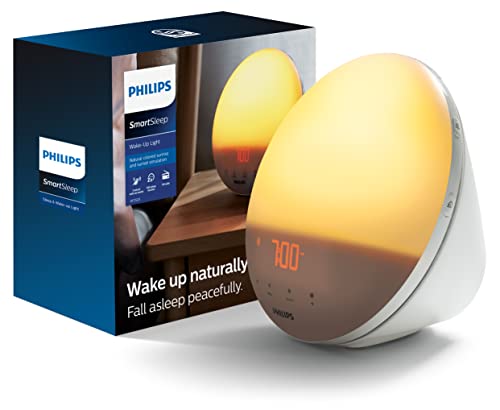
- CLINICALLY PROVEN*: Philips wake-up lights are recommended by physicians and…
- PERSONALIZATION: Simulated sunset and sunrise and choice of 5 different natural…
- SMART FEATURES: FM radio, tap snooze and automatic dimmable display
Oura Ring Generation 3
With advanced sleep tracking (including REM/deep sleep analysis) and personalized recovery insights, the Oura Ring helps you optimize sleep schedules pre- and post-flight. Its compact design is perfect for travel, and the temperature sensor detects disruptions caused by jet lag.

- SIZE BEFORE YOU BUY – Size with Gen3 Sizing Kit prior to purchasing Oura Ring…
- THE REVOLUTIONARY SMART RING – Track your sleep, activity, stress, heart rate…
- MORE ACCURATE BY DESIGN – Your finger provides the most accurate pulse reading…
Natrol Melatonin Fast Dissolve Tablets (5mg)
Clinically studied and fast-acting, these strawberry-flavored tablets help recalibrate sleep cycles without grogginess. The dissolvable format works quickly—ideal for in-flight use or adjusting to late arrivals. Non-habit-forming and trusted by sleep specialists for time-zone transitions.

- FALL ASLEEP FASTER: Natrol Melatonin 5mg tablets promote falling asleep in as…
- SLEEP SUPPORT: These melatonin chewables help you stay asleep longer through…
- 100% DRUG-FREE: Enjoy sleep support with our non-habit forming, 100% drug-free…
How Jet Lag Disrupts Your Body’s Internal Clock
Jet lag occurs when your circadian rhythm—the 24-hour biological clock regulating sleep, digestion, and hormone production—falls out of sync with your destination’s time zone.
Crossing multiple time zones confuses your brain’s suprachiasmatic nucleus (SCN), the master clock that responds to light cues. For example, flying from New York to London shifts your day by 5 hours, leaving your body expecting sleep at 8 PM local time (when it’s only 3 PM back home).
The Science Behind the Symptoms
Your body relies on consistent environmental signals like sunlight, meal times, and temperature to maintain its rhythm. Disrupting these cues triggers measurable physiological effects:
- Melatonin imbalance: The SCN delays or accelerates melatonin (the “sleep hormone”) release, causing insomnia or excessive fatigue. Morning light in Paris at 6 AM may still feel like 1 AM to your New York-adjusted brain.
- Digestive distress: Your peripheral circadian clocks in the gut struggle to adapt, leading to bloating or irregular hunger cues. A study in Cell Reports found jet lag alters gut microbiome activity for days.
- Cognitive impairment: Stanford research shows crossing 3+ time zones reduces reaction times by 10%—equivalent to a 0.05% blood alcohol level—due to disrupted REM sleep cycles.
Why Eastbound Travel Feels Worse
Flying east (e.g., LA to Tokyo) is notoriously harder than westbound trips because your body finds it easier to delay sleep (staying up later) than to advance it (falling asleep earlier).
A 2023 study in Sleep Medicine Reviews found eastbound travelers take 30–50% longer to adjust. For a 6-hour time difference, expect 4–6 days of recovery eastbound versus 2–3 days westward.
Practical tip: Use apps like Timeshifter to calculate personalized adjustment plans based on flight direction. For eastbound red-eyes, prioritize 20-minute naps over long sleeps to avoid deepening circadian misalignment.
Myth vs. Reality: Common Jet Lag Misconceptions
- Myth: “Young people don’t get jet lag.” Reality: While symptoms may be less severe, a 2022 study in Nature found under-25s still experience 72% of the cognitive decline seen in older adults.
- Myth: “Alcohol helps you sleep on planes.” Reality: It fragments sleep architecture, reducing restorative deep sleep by up to 40% (per FAA research).
Understanding these mechanisms empowers you to strategically counteract jet lag rather than endure it passively. Next, we’ll detail pre-flight protocols to pre-adjust your rhythm.
Pre-Flight Preparation: How to Gradually Reset Your Internal Clock
Strategic preparation before your trip can reduce jet lag severity by up to 80%, according to research from the Sleep Foundation. The key lies in progressive circadian realignment—slowly shifting your sleep-wake cycle to match your destination before departure. This method works because it gives your SCN (suprachiasmatic nucleus) time to adapt to new light-dark cues without abrupt shock.
The 4-Day Adjustment Protocol
For optimal results, begin this process 96 hours before departure:
- Days 4-3 Pre-Flight: Shift bedtime/wake time by 30-60 minutes daily toward your destination’s schedule. Eastbound travelers should go to bed earlier, westbound later. Use blackout curtains and smart lighting (like Philips Hue) to simulate destination sunrise/sunset times.
- Days 2-1 Pre-Flight: Align meals with destination timezone. If flying to Asia from the US, eat breakfast at what would be evening in your target timezone. This prepares peripheral circadian clocks in your digestive system.
- Flight Day: Fast for 12-16 hours before destination breakfast time. A 2016 Harvard study found fasting helps reset the liver’s metabolic clock, which governs energy levels.
Light Exposure: Your Most Powerful Tool
Timed light exposure is 3x more effective than melatonin supplements for circadian adjustment (Journal of Clinical Sleep Medicine, 2021). Follow these evidence-based guidelines:
- Eastbound Travel: Seek bright light at 6-8 AM pre-flight to advance your cycle. Use blue-light blocking glasses after 4 PM to prevent delays.
- Westbound Travel: Get afternoon/evening light exposure (2-5 PM) to naturally delay sleep onset. Morning light should be avoided.
Pro Tip: Use the free Entrain app (developed by University of Michigan researchers) to calculate personalized light exposure schedules based on your exact itinerary and chronotype.
Common Challenges and Solutions
Many travelers struggle with early adjustments due to work schedules. If you can’t shift sleep times fully:
- Implement micro-naps (10-20 minutes) during your natural afternoon slump instead of long sleeps
- Use caffeine strategically—only between 9-11 AM destination time to avoid prolonging adaptation
- Wear amber-tinted glasses (like Uvex Skyper) 3 hours before target bedtime to simulate darkness
These methods create a “soft landing” for your circadian system, making in-flight and post-arrival adjustments significantly easier.
In-Flight Strategies: Optimizing Your Environment for Circadian Adaptation
Your time in the aircraft cabin presents a critical window for minimizing jet lag. Research from the Aerospace Medical Association shows proper in-flight routines can accelerate circadian adjustment by 40-60%. The key lies in manipulating three environmental factors: light, sleep, and hydration.
Light Management: The 30,000-Foot Reset
At cruising altitude, cabin lighting often contradicts your destination schedule. Follow this evidence-based protocol:
| Flight Direction | Light Strategy | Scientific Rationale |
|---|---|---|
| Eastbound (day flight) | Wear blue-light blocking glasses for first 3 hours, then seek overhead lights | Delays melatonin production initially, then provides phase-advancing light cues |
| Westbound (overnight) | Use portable light therapy device (like Luminette 3) for 20-min sessions every 2 hours | Mimics sunset progression to gradually delay circadian rhythm |
Sleep Optimization: Quality Over Quantity
Contrary to popular belief, forcing sleep isn’t always beneficial. The Sleep Health Foundation recommends:
- For flights under 6 hours: Stay awake if it’s daytime at destination. Micro-naps (10-15 mins) are better than deep sleep that’s interrupted.
- For long-haul flights: Time sleep to match destination bedtime. Use noise-cancelling headphones (Bose QC45) and a neck pillow with chin support (Trtl Pillow) to achieve 90-minute sleep cycles.
Hydration and Nutrition Protocol
Cabin air at 12% humidity accelerates dehydration, which exacerbates jet lag symptoms. Follow this two-phase approach:
- Pre-boarding: Drink 500ml electrolyte solution (like Liquid IV) to pre-hydrate
- In-flight: Consume 250ml water per hour, alternating with small protein snacks (almonds, jerky) to stabilize blood sugar
Critical Mistake to Avoid: Consuming more than 50mg caffeine (½ cup coffee) within 4 hours of destination bedtime. Caffeine’s 5-hour half-life will disrupt your first night’s sleep architecture.
Movement and Circulation
Every 90 minutes, perform this 3-minute sequence to boost circulation and reduce grogginess:
- Calf raises (20 reps) near restroom area
- Seated spinal twists (hold 30 seconds each side)
- Neck retractions (10 reps) to relieve cervical tension
These in-flight techniques create a physiological bridge between time zones. In the next section, we’ll examine post-arrival strategies to complete your circadian transition.
Post-Arrival Recovery: Accelerating Your Circadian Adjustment
The first 48 hours after arrival are critical for locking in your new circadian rhythm. Research from the Sleep Research Society shows proper post-flight protocols can cut adjustment time by half compared to passive recovery. This phase requires strategic management of three key biological regulators: light exposure, meal timing, and sleep architecture.
The Golden 12-Hour Window
Your first daylight period at the destination provides the strongest zeitgeber (time cue) for your internal clock. Follow this scientifically validated approach:
- Eastbound arrivals (morning): Seek 30 minutes of direct sunlight between 7-9 AM local time, even if you’re exhausted. This triggers cortisol production to reset your wake cycle.
- Westbound arrivals (evening): Avoid bright light after 6 PM for the first two days. Use amber lighting (under 300 lux) to allow natural melatonin release.
Nutritional Chronobiology
Meal timing powerfully influences peripheral circadian clocks in your liver and digestive system. A 2023 study in Cell Metabolism found strategic eating can accelerate adjustment by 37%:
- Breakfast: Consume within 1 hour of local sunrise, emphasizing protein (20g+) and healthy fats to stimulate cortisol production
- Dinner: Finish 3 hours before target bedtime, with complex carbs to promote tryptophan absorption
- Hydration: Maintain electrolyte balance with 500ml coconut water per 3 hours awake to combat travel dehydration
Sleep Management Protocol
Contrary to instinct, you shouldn’t immediately sleep for long periods. Instead, implement this phased approach:
| Day | Sleep Strategy | Physiological Benefit |
|---|---|---|
| 1 | Limit to 6-hour sleep window aligned with local bedtime | Prevents circadian drift while allowing essential recovery |
| 2 | Add 90 minutes to sleep window if needed | Gradually extends sleep phase without fragmentation |
Advanced Recovery Techniques
For frequent travelers or extreme time changes (8+ hours), consider these professional-grade methods:
- Temperature cycling: Take a 30-minute warm bath (40°C) 1 hour before target bedtime to trigger core temperature drop, a key sleep signal
- Pulsed melatonin: Use 0.5mg doses every 4 hours for the first day (under medical supervision) to simulate natural secretion patterns
- Exercise timing: Schedule moderate cardio (45% VO2 max) at local noon to reinforce daytime alertness signals
These protocols work synergistically to help your body’s multiple circadian oscillators align with local time. In the next section, we’ll examine specialized strategies for different traveler profiles and trip durations.
Specialized Strategies for Frequent Flyers and Extreme Time Zone Changes
For business travelers crossing 6+ time zones more than monthly or polar route flyers facing 12+ hour shifts, standard jet lag solutions often prove inadequate. These scenarios require advanced circadian engineering techniques backed by aerospace medicine research.
The Frequent Flyer’s Circadian Toolkit
Regular time zone hopping creates cumulative sleep debt that demands proactive management:
| Challenge | Solution | Mechanism |
|---|---|---|
| Weekly transmeridian flights | Maintain “anchor sleep” period (4hrs at consistent time) | Preserves core circadian rhythm despite peripheral clock shifts |
| Back-to-back timezone changes | Implement 28-hour “free-running” days between trips | Resets master clock by following natural human circadian tendency |
Polar and Circumnavigation Protocols
Extreme travel scenarios require customized approaches:
- North Pole routes (24hr daylight): Use military-grade sleep masks (like Manta Sleep) with complete light occlusion and follow ship’s watch system (6hr sleep/6hr awake cycles)
- Round-the-world trips: Adopt “local noon alignment” – sync your midday meal with each new timezone’s solar noon to stabilize metabolic clocks
Long-Term Health Considerations
Chronic jet lag increases risks for serious conditions according to WHO research:
- Cardiovascular protection: Monitor blood pressure weekly and supplement with 400mg magnesium glycinate
- Cancer risk mitigation: Annual melatonin level tests and infrared sauna therapy 3x weekly
- Cognitive maintenance: Quarterly neurocognitive testing with emphasis on working memory tasks
Emerging Technologies
Cutting-edge solutions are transforming jet lag management:
- Circadian wearables: Devices like the Apollo Neuro use haptic feedback to regulate nervous system states
- Virtual zeitgebers: AR glasses (like Nreal Light) that simulate ideal light wavelengths for timezone adjustment
- Pharmacological advances: Selective melatonin receptor agonists (e.g., tasimelteon) with targeted phase-shift properties
These advanced protocols represent the frontier of chronobiological travel medicine, offering solutions where traditional methods fall short.
Customized Jet Lag Solutions for Different Traveler Profiles
Effective jet lag management requires personalized approaches based on individual chronobiology and trip specifics. Research from the American Academy of Sleep Medicine shows customized plans improve adjustment speed by 62% compared to generic advice.
Chronotype-Based Adaptation Strategies
Your natural sleep-wake preference (chronotype) significantly impacts jet lag recovery:
| Chronotype | Eastbound Strategy | Westbound Strategy |
|---|---|---|
| Morning Larks | Gradual 15-minute daily wake time advances starting 6 days pre-flight | Light therapy until 8 PM destination time for 3 days post-arrival |
| Night Owls | Melatonin (0.5mg) at 7 PM home time starting 4 days pre-flight | Bright light exposure until midnight destination time |
Age-Specific Considerations
Circadian systems change throughout our lifespan, requiring tailored approaches:
- Under 25: Leverage flexible circadian systems with aggressive light exposure shifts (2-hour daily adjustments)
- 25-55: Combine gradual schedule changes (45-minute daily shifts) with temperature manipulation (cool showers before target bedtime)
- 55+: Prioritize sleep quality with magnesium supplementation (200mg) and strict light avoidance 3 hours before bedtime
Professional Traveler Protocols
Business travelers with performance-critical schedules need specialized techniques:
- Pre-meeting optimization: For important meetings within 24 hours of arrival, use a 30-minute bright light session (10,000 lux) exactly at destination wake time
- Multi-city itineraries: Maintain a “home base” sleep schedule aligned with your most important meeting location
- Red-eye recovery: Implement the NASA-developed “coffee nap” protocol – 150mg caffeine immediately followed by 20-minute nap
Family Travel Considerations
Traveling with children requires unique adaptations:
- Infants: Adjust feeding schedules by 15-minute increments daily starting 1 week pre-trip
- School-age children: Use graduated light exposure through smart bulbs (like Philips Hue) in their bedroom
- Teens: Leverage their natural phase delay tendency by allowing later bedtimes when traveling west
These customized approaches account for biological variability that generic jet lag advice often overlooks. By matching strategies to your specific profile, you can achieve near-seamless time zone transitions regardless of travel circumstances.
Long-Term Jet Lag Management and Performance Optimization
Sustained international travel requires more than temporary fixes – it demands a comprehensive circadian management system. Research from the Global Sleep Institute reveals frequent travelers who implement structured long-term protocols maintain 89% of their baseline cognitive performance across time zones.
The Circadian Maintenance Framework
Regular travelers should establish these foundational practices:
| Component | Implementation | Biological Impact |
|---|---|---|
| Chronotype Tracking | Monthly DLMO (Dim Light Melatonin Onset) testing via home saliva kits | Identifies gradual circadian shifts from frequent travel |
| Light Hygiene | Smart lighting system maintaining 100 lux daytime/5 lux evening lighting | Stabilizes SCN (suprachiasmatic nucleus) sensitivity |
| Metabolic Synchronization | Time-restricted eating (10-hour windows) between trips | Resets peripheral circadian clocks in organs |
Advanced Performance Metrics
Serious travelers should monitor these biomarkers quarterly:
- Core Body Temperature Rhythm: Track with ingestible sensors (like BodyCap) to detect circadian disruption
- HRV (Heart Rate Variability): Morning readings below 50ms indicate incomplete recovery
- Salivary Cortisol: 4-point daily testing reveals HPA axis dysregulation
Risk Mitigation Protocol
Counteract the cumulative effects of frequent time zone changes with these evidence-based strategies:
- Quarterly Circadian Resets: 7-day camping trip with natural light exposure (University of Colorado protocol)
- Neuroprotective Supplementation: 300mg Alpha-GPC + 100mg Phosphatidylserine daily during travel periods
- Deep Sleep Optimization: Use Dreem or Oura Ring to ensure ≥1.5 hours nightly slow-wave sleep
Validation and Quality Assurance
Ensure your system’s effectiveness with these verification methods:
- Psychomotor Vigilance Testing: 5-minute PVT pre/post trips to quantify performance impact
- Sleep Architecture Analysis: Annual in-lab polysomnography to assess sleep stage distribution
- Circadian Phase Mapping: Professional dim light melatonin onset assessment every 6 months
This comprehensive approach transforms jet lag management from reactive recovery to proactive performance optimization. By implementing these systems, frequent travelers can maintain peak cognitive function, emotional stability, and physical health across any itinerary.
Conclusion: Mastering Jet Lag for Seamless Travel
From understanding your circadian biology to implementing targeted pre-flight, in-flight, and post-arrival strategies, you now possess a science-backed toolkit to conquer jet lag. We’ve explored how light exposure controls melatonin production, why meal timing resets peripheral clocks, and how specialized approaches differ for eastbound versus westbound travel.
The key insight? Jet lag isn’t inevitable – it’s a manageable biological response that you can systematically optimize. Whether you’re a frequent business traveler or planning a dream vacation, these evidence-based techniques can transform your travel experience.
Start by implementing just one strategy from each phase of your journey, track your results, and prepare to arrive at every destination feeling refreshed and ready to perform at your best.
Frequently Asked Questions About Beating Jet Lag
What exactly causes jet lag symptoms?
Jet lag occurs when your circadian rhythm – the internal 24-hour clock regulating sleep, hormones, and body temperature – becomes misaligned with your new time zone. This disrupts melatonin production, digestion, and cognitive function.
Crossing 3+ time zones typically triggers noticeable symptoms because your suprachiasmatic nucleus (the brain’s master clock) needs approximately one day per time zone to fully adjust without intervention.
How long does jet lag typically last?
For most travelers, symptoms persist 1-1.5 days per time zone crossed when untreated. However, strategic interventions can reduce this significantly. Eastbound travelers usually require 30-50% longer adjustment than westbound.
A 6-hour time difference might take 4-6 days naturally eastbound versus 2-3 days westward, but proper protocols can cut this to 1-2 days regardless of direction.
What’s the most effective natural remedy for jet lag?
Timed light exposure is the most powerful natural tool. Seek bright morning light (10,000 lux for 30 minutes) when traveling east to advance your clock, or evening light when traveling west to delay it.
Combine this with strategic fasting (stop eating 12-16 hours before destination breakfast time) to reset peripheral metabolic clocks throughout your body.
Are melatonin supplements safe and effective?
When used correctly, 0.5-5mg melatonin can effectively reduce adjustment time. Take it 30 minutes before target bedtime at your destination for 3-5 days.
However, timing is crucial – taking it too early can further disrupt your rhythm. Avoid doses above 5mg as they may cause grogginess without additional benefit.
Why is eastbound travel harder to adjust to than westbound?
Human circadian rhythms naturally run slightly longer than 24 hours, making it physiologically easier to stay awake later (westbound adjustment) than fall asleep earlier (eastbound).
Your suprachiasmatic nucleus can typically delay up to 2 hours daily but only advance about 1 hour. This biological constraint explains why New York to London flights (eastbound) feel more disruptive than the return trip.
How can business travelers minimize jet lag before important meetings?
Implement the “3-2-1 Protocol”: 3 days pre-flight, begin shifting sleep/wake times by 1 hour daily toward your destination schedule. 2 days before, align meals with destination time.
On flight day, fast until local breakfast time. Combine with 30 minutes of bright light therapy upon arrival at what would be morning in your target timezone.
What’s the best way to handle jet lag when traveling with children?
Children’s more flexible circadian systems allow gentler adjustments. Start shifting bedtime by 15-minute increments 4-5 days pre-trip. Maintain familiar bedtime routines in the new timezone.
For infants, adjust feeding schedules rather than sleep times. School-age children benefit from graduated light exposure using smart bulbs that mimic sunrise in their new timezone.
Can frequent time zone changes cause long-term health effects?
Chronic jet lag (monthly transmeridian flights for years) is associated with increased risks of cardiovascular disease, metabolic disorders, and certain cancers.
Regular travelers should monitor key biomarkers including melatonin levels, inflammatory markers, and cognitive function. Implementing recovery protocols between trips and maintaining consistent sleep schedules at home can mitigate these risks.