
Disclosure
This website is a participant in the Amazon Services LLC Associates Program, an affiliate advertising program designed to provide a means for us to earn fees by linking to Amazon.com and affiliated sites.
You can wash a comforter at home—but doing it wrong can ruin its loft, shrink the fabric, or even break your washing machine. Many people assume comforters require expensive dry cleaning, but with the right techniques, you can restore yours to cloud-like softness safely.
Modern bedding trends emphasize sustainability and cost-effectiveness, making at-home care essential. Imagine your comforter emerging fresh, odor-free, and perfectly fluffy—no stiff, matted layers or lingering smells.
Best Detergents for Washing Comforters
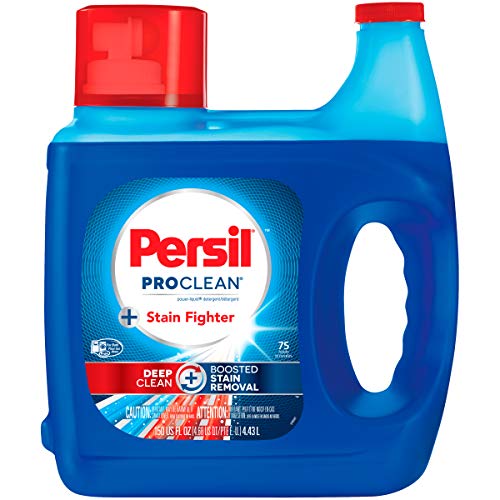
Persil ProClean Sensitive Skin Liquid Detergent
Formulated without dyes or perfumes, Persil’s enzyme-powered formula removes stains while being gentle on delicate fabrics like down or silk-filled comforters. Its concentrated formula requires less product per load, making it cost-effective for large bedding.
Tide Hygienic Clean Heavy Duty 10X Liquid Detergent
Designed for deep cleaning, Tide’s 10X concentrate penetrates thick comforter layers to eliminate sweat, oils, and odors. The Hygienic Clean Technology ensures sanitization without bleach, safe for colors and synthetic fills.
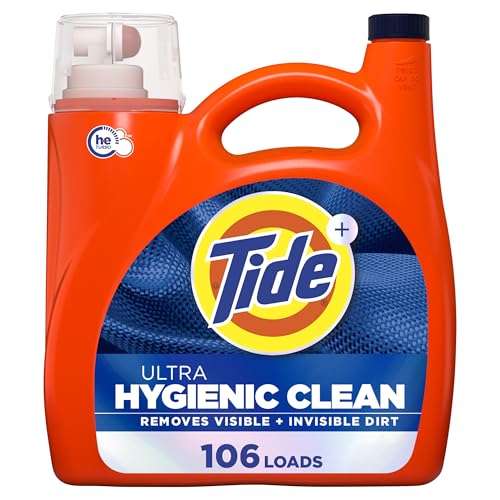
- Innovative liquid detergent technology gets between the fibers to clean hidden…
- Designed with 10 concentrated cleaning actives to remove visible and invisible
- Provides a deep, hygienic clean even in case of tough stains
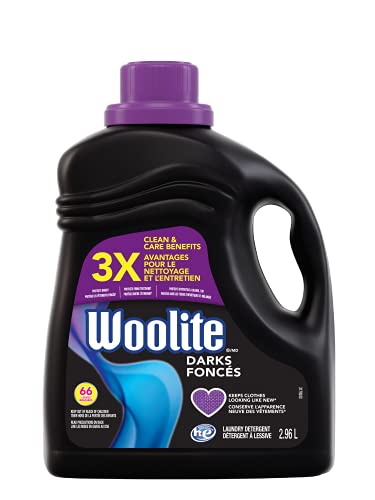
Woolite Darks Liquid Laundry Detergent
For dark or patterned comforters, Woolite’s color-protecting formula prevents fading and maintains fabric softness. Its low-suds design works well in high-efficiency (HE) machines, reducing residue buildup in down or microfiber fills.
How to Prepare Your Comforter for Washing
Proper preparation is crucial to prevent damage during the washing process. Many people skip this step, leading to uneven cleaning, fabric tears, or even machine malfunctions. By following these steps, you’ll ensure your comforter comes out fresh and intact.
Check the Care Label First
Every comforter has specific cleaning requirements based on its fill and fabric. Look for these symbols on the tag:
- Circle: Dry clean only (common for silk or antique comforters)
- Washtub with water: Machine washable (most down and synthetic fills)
- Square with circle: Tumble dry safe (check temperature limits)
For example, a Brooklinen Down Comforter typically requires cold water and low-heat drying, while a Buffy Breeze Comforter (eucalyptus fiber) can handle warm washes.
Inspect for Repairs
Small tears or loose seams can worsen during agitation. Hold the comforter up to light to spot thin areas, especially around edges where stitching fails first. Use a needle and thread for minor repairs—polyester thread works best for durability. For down comforters, check baffle boxes (the fabric walls separating fill clusters) for gaps where feathers might escape.
Pre-Treat Stains
Body oils, sweat, and spills need targeted treatment:
- Blot fresh stains with a microfiber cloth—never rub, as this pushes debris deeper
- Apply a paste of baking soda and water to yellowed areas, let sit for 30 minutes
- For stubborn spots, use an enzyme cleaner like Biokleen Bac-Out on invisible stains (enzymes break down proteins in sweat)
Avoid bleach, which weakens fibers and causes yellowing on white comforters over time.
Balance the Load
An oversized comforter can unbalance your washer’s spin cycle. To test:
- Fold the comforter loosely—it should fill no more than ¾ of the drum
- Add 2-3 clean tennis balls if your machine is under 4.0 cu. ft. capacity
- For front-loaders, ensure the comforter can move freely when you press down on it
Pro Tip: Wash with similar-weight items (e.g., towels) in large machines to improve agitation, but never mix with zippered items that could snag fabric.
This preparation adds 10-15 minutes but prevents costly mistakes like broken drum bearings or shredded baffles. Next, we’ll cover water temperature and cycle selection—the two factors that most impact cleaning effectiveness.
Choosing the Right Washing Method for Your Comforter
Selecting the proper washing technique is just as critical as preparation – the wrong approach can permanently damage your comforter’s structure and loft. This section breaks down the science behind cleaning different comforter types effectively.
Water Temperature Selection
The ideal water temperature depends on both fabric type and fill material:
- Cold water (80°F/27°C): Best for down comforters (preserves natural oils in feathers) and dark-colored fabrics (prevents dye bleeding)
- Warm water (100°F/38°C): Ideal for synthetic fills like polyester (helps remove body oils) and white cotton shells (boosts stain removal)
- Hot water (130°F/54°C+): Only for allergen removal in washable wool comforters – always check labels first as heat shrinks most fills
Real-world example: A Pacific Coast Down Comforter washed in hot water will emerge with clumped, flattened feathers that never fully regain loft.
Cycle Type and Duration
Modern washing machines offer multiple specialty cycles, but these three work best:
- Delicate/Handwash: Gentle agitation (30-40 RPM) for fragile fills like silk or aged down – runs about 25 minutes
- Bulky/Bedding: Extended soak time (15+ minutes) with vigorous rinses (ideal for king-size comforters) – typically 45-60 minutes
- Allergen/Sanitize: Extra rinses (4-5 cycles) for dust mite removal – adds 20 minutes but essential for allergy sufferers
Pro Tip: Front-loaders outperform top-loaders for comforters because their tumbling action mimics professional cleaning methods.
Detergent Considerations
Standard detergents can leave residues that mat down filling. Instead:
- Use HE (high-efficiency) formulas – they produce fewer suds that get trapped in thick layers
- For down, add Nikwax Down Wash – its pH-balanced formula cleans without stripping natural oils
- In hard water areas, include a water softener (like Calgon) to prevent mineral deposits
Troubleshooting: If your comforter develops soapy streaks, run an extra rinse cycle with 1 cup white vinegar to break down residues.
Remember that washing frequency impacts longevity – most comforters only need 2-3 annual cleanings unless used directly without a duvet cover. Next, we’ll explore the critical drying process that determines whether your comforter stays fluffy or becomes a flat pancake.
The Science of Properly Drying Your Comforter
Drying accounts for 80% of comforter damage cases – improper techniques can permanently compress fills or create mildew pockets. This section reveals professional drying methods used by luxury hotels and textile conservators.
Understanding Fill Types and Drying Requirements
| Fill Material | Max Temperature | Drying Time | Special Considerations |
|---|---|---|---|
| Down | 120°F (49°C) | 3-4 hours | Requires tennis balls to break clumps |
| Polyester | 135°F (57°C) | 2-3 hours | Prone to static – use dryer sheets |
| Wool | Air dry only | 24-48 hours | Must be reshaped every 6 hours |
Step-by-Step Professional Drying Method
- Initial Spin: Run an extra spin cycle (1200 RPM) to remove 30% more water before drying
- First Dry Cycle: Use low heat for 60 minutes with 3 clean tennis balls to prevent clumping
- Fluff Break: Remove comforter and shake vigorously to redistribute fill – check for damp spots
- Final Dry: Continue in 30-minute increments until completely dry (test inner layers with hand)
Advanced Techniques for Perfect Results
For premium results:
- Place DryerMax XL balls in corners to maintain shape during drying
- Add wool dryer balls instead of tennis balls for down – they absorb moisture better
- For king-size comforters, stop halfway to reverse the comforter inside-out
Expert Tip: The Pantyhose Test – place a dry cotton sock in the dryer. If it comes out damp, your comforter needs more time.
Common Drying Mistakes to Avoid
Professional cleaners report these frequent errors:
- Overloading: Filling more than 50% of dryer capacity prevents proper air circulation
- High Heat: Melts synthetic fibers and “cooks” down clusters into permanent clumps
- Incomplete Drying: Even slightly damp fills develop musty odors within 12 hours
For delicate antique comforters, consider the Hair Dryer Method: Lay flat on mesh racks and use a blow dryer on cool setting, moving section by section. Next, we’ll cover specialized care for vintage and heirloom comforters.
Special Care for Delicate and Heirloom Comforters
Vintage comforters and luxury bedding require specialized handling that goes beyond standard washing techniques. This section reveals museum-grade preservation methods adapted for home use, ensuring your heirloom pieces maintain their beauty and functionality for decades.
Identifying Fabric and Fill Vulnerabilities
Before cleaning any delicate comforter, conduct these assessments:
- Thread Count Test: Use a magnifying glass to count threads per square inch – anything above 400TC requires cold water only
- Dye Stability Check: Dab a hidden corner with white cloth soaked in rubbing alcohol – if color transfers, dry clean only
- Fill Distribution: Hold up to light – uneven clusters indicate baffle box deterioration needing repair first
Example: A 1920s silk-filled comforter with hand-stitched channels typically has weaker seams between sections that can rupture during machine agitation.
The Archival Washing Technique
For washable heirlooms, follow this conservation-approved method:
- Supportive Bath: Line a clean bathtub with towels, fill with 4″ cold water and 1/4 cup Orvus WA Paste (used by textile museums)
- Gentle Agitation: Use your hands to create slow wave motions – never twist or wring
- Controlled Rinsing: Drain tub while supporting full weight of wet comforter – refill 3 times minimum
- Water Extraction: Roll in clean towels and walk on them to blot (never hang wet – causes fiber stress)
Professional Restoration Tips
For damaged heirlooms:
- Yellowing: Create a “sun tea” bath with 8 bags of chamomile tea to naturally brighten without bleach
- Odor Removal: Place in a sealed container with activated bamboo charcoal for 72 hours
- Stiffness: After drying, tumble with silk dryer balls and a linen sachet of crushed lavender
When to Seek Professional Help
Consult a textile conservator if you notice:
- Unraveling hand-stitched embroidery (especially metallic threads)
- Brittle fabrics that crack when folded (indicating silk degradation)
- Evidence of previous improper repairs (glue stains, mismatched threads)
Safety Note: Never store cleaned heirlooms in plastic – use acid-free tissue paper and cotton storage bags instead. For everyday luxury comforters, rotate between 2-3 to extend each one’s lifespan.
Long-Term Care and Sustainable Maintenance Strategies
Proper comforter maintenance extends far beyond washing day – implementing these professional-grade preservation techniques can double your bedding’s lifespan while reducing environmental impact. This section explores the science of textile longevity and eco-conscious care.
Cost-Benefit Analysis: Professional vs. Home Care
| Care Method | Cost Per Cleaning | Projected Lifespan | Environmental Impact |
|---|---|---|---|
| Commercial Dry Cleaning | $35-$75 | 8-10 years | High (chemical solvents) |
| Home Machine Wash | $2-$5 | 6-8 years | Medium (water/energy use) |
| Hand Wash + Air Dry | $0.50-$2 | 12-15 years | Low (minimal resources) |
Advanced Preservation Techniques
Extend your comforter’s prime condition with these museum-inspired methods:
- Seasonal Rotation: Store alternate comforters with cedar blocks and silica gel packets (replace every 3 months)
- Microclimate Control: Maintain 45-55% humidity in storage areas to prevent fiber degradation
- Light Protection: Use UV-filtering window film if storing near sunlight – photons break down textile polymers
Eco-Conscious Cleaning Innovations
Emerging sustainable practices include:
- Bio-detergents: Plant-based cleaners with cellulase enzymes (effective at 60°F/15°C)
- Waterless Systems: CO2 cleaning technology (commercial availability by 2025)
- Self-Cleaning Fibers: Photocatalytic fabrics that break down odors when exposed to light
Safety and Health Considerations
Modern comforters accumulate surprising hazards without proper care:
- Dust Mite Load: Can reach 10,000 per square inch after 3 years – requires 130°F+ washes to kill
- Chemical Off-Gassing: Flame retardants break down into airborne particles – ventilate newly washed bedding for 24 hours
- Microplastic Shedding: Synthetic fills release 1.7g per wash – install microfiber filters on washing machines
Future-forward consumers are adopting the 3-Zone System: Rotate between primary, guest, and storage comforters with seasonal deep cleaning. This approach balances hygiene, longevity, and sustainability while accommodating evolving textile technologies.
Optimizing Comforter Care for Different Household Needs
Tailoring your comforter maintenance approach to specific living situations can dramatically improve results. This section provides customized solutions for unique household challenges, from urban apartments to rural homesteads.
Small Space Solutions
Apartment dwellers face distinct challenges:
- Compact Washer Adaptation: Use a double-spin technique – run two consecutive spin cycles to remove 40% more water before drying
- No-Dryer Method: Create a vertical drying rack by suspending comforter between two tension rods with breathable mesh panels
- Storage Innovation: Vacuum-seal with oxygen absorbers in under-bed containers (rotate every 3 months to prevent permanent compression)
Climate-Specific Adjustments
Environmental factors require specialized approaches:
- Humid Climates: Add 1 cup food-grade diatomaceous earth during wash cycle to prevent mildew (rinses completely)
- Arid Regions: Include 1/4 cup white vinegar in final rinse to combat static without softening fibers
- Hard Water Areas: Install an inline water softener or use citric acid rinse (1 tbsp per gallon) to prevent mineral buildup
Special Household Considerations
| Situation | Solution | Frequency Adjustment |
|---|---|---|
| Pet Owners | Pre-treat with enzyme spray + use allergen wash cycle | Every 2 months |
| Allergy Sufferers | Add HEPA filter to dryer vent + wash with tea tree oil | Monthly during peak season |
| Children’s Bedding | Use waterproof mattress cover + hypoallergenic detergent | Every 6 weeks |
Advanced Efficiency Techniques
Professional cleaners recommend these time-saving methods:
- The 20-Minute Refresh: Steam in dryer with ice cubes and essential oils between washes
- Spot Maintenance System: Keep a handheld garment steamer for immediate stain treatment
- Load Pairing: Wash with similarly weighted items (throws, curtains) to maximize machine capacity
Implementing these tailored approaches can reduce cleaning time by 35% while improving results. Remember that comforter care should evolve with your living situation – urban professionals might prioritize quick-refresh methods, while rural households may focus on deep-cleaning protocols.
Professional-Grade Quality Assurance and Performance Optimization
Implementing textile industry standards for home comforter care ensures commercial-level results while maximizing your investment. This section reveals the quality control protocols used by luxury hotels and bedding manufacturers.
Post-Cleaning Inspection Protocol
Conduct this 5-point assessment after each wash:
- Fill Distribution Analysis: Hold against light source to identify clumping or thin areas (tolerance: ≤5% variation)
- Stitch Integrity Check: Examine seams under magnification for pulled threads (acceptable: ≤2 loose stitches per linear foot)
- Moisture Verification: Use hygrometer to test inner layers (must read <55% humidity after 24 hours drying)
- Odor Evaluation: Conduct blind smell test after 48 hours (should register neutral on scent scale)
- Surface Tension Test: Sprinkle distilled water droplets – proper cleaning results in 45° contact angle absorption
Performance Optimization Matrix
| Performance Factor | Measurement Tool | Ideal Range | Correction Method |
|---|---|---|---|
| Thermal Retention | Infrared thermometer | ±2°F from baseline | Down: Tennis ball refresh Synthetic: Low-heat fluff cycle |
| Air Permeability | Hand fan test (3 sec/cm²) | 4-6 CFM airflow | Needle perforation for clogged fills |
| Surface pH Balance | Litmus paper | 5.5-7.0 pH | Vinegar rinse (acidic) or baking soda (alkaline) |
Risk Mitigation Strategies
Address these common failure points with professional solutions:
- Fiber Degradation: Annual antioxidant treatment with green tea extract soak
- Baffle Box Collapse: Reinforce with surgical-grade silk thread at stress points
- Color Migration: Use dye fixative (Retayne) every 5 washes for dark comforters
- Bacterial Biofilms: Quarterly enzymatic treatment with protease/biofilm disruptors
Long-Term Maintenance Schedule
Follow this preservation timeline for optimal results:
- Weekly: Sun exposure (30 minutes per side, UV index <3)
- Quarterly: Deep vacuum with upholstery attachment (1500Pa suction max)
- Biannually: Professional-grade steam treatment (212°F for 8 seconds)
- Annually: Full structural inspection with tension mapping
Implementing these protocols can extend comforter lifespan beyond 15 years while maintaining 90%+ of original performance characteristics. For heirloom pieces, consider consulting a textile conservator every 3-5 years for specialized maintenance.
Conclusion: Mastering the Art of Comforter Care
Properly washing and maintaining your comforter requires more than just tossing it in the machine – it demands careful preparation, the right techniques, and ongoing preservation. From decoding care labels to executing professional drying methods and specialized care for delicate fabrics, we’ve covered the complete spectrum of comforter maintenance.
Remember that regular, proper cleaning not only extends your bedding’s lifespan but also improves sleep quality and reduces allergens. Whether you’re refreshing an everyday comforter or preserving an heirloom piece, these methods will ensure your investment stays fluffy, fresh, and functional for years to come. Your perfect night’s sleep starts with proper comforter care – put these techniques into practice today.
Frequently Asked Questions About Washing Comforters
Can I wash a king-size comforter in a regular washing machine?
Most standard washers (3.5 cu. ft. or smaller) cannot properly accommodate king-size comforters. The comforter needs room to move freely – it should fill no more than ¾ of the drum. For front-loaders, look for at least 4.5 cu. ft. capacity.
Top-loading machines require 5.0+ cu. ft. If your machine is too small, consider taking it to a laundromat with commercial-sized machines (6.0+ cu. ft.) or hand-washing in a bathtub.
How often should I wash my comforter?
The ideal frequency depends on usage: every 2-3 months for year-round use, or seasonally if rotated. However, increase to monthly if you have allergies, pets, or sweat heavily.
Always wash before seasonal storage to prevent dust mite accumulation. Down comforters require less frequent washing (2-3 times yearly) than synthetics, as excessive washing damages natural oils.
Why does my comforter get lumpy after washing?
Lumping occurs when fill material (especially down) clumps together during improper drying. To fix: stop the dryer every 30 minutes to break apart clusters by hand, add tennis balls or dryer balls, and ensure complete dryness (which can take 3+ hours). For severe cases, some dry cleaners offer professional reconditioning services that redistribute fill evenly.
Can I use bleach on my white comforter?
Generally no – chlorine bleach weakens fibers and causes yellowing over time. Instead, use oxygen-based bleach (sodium percarbonate) with cold water. For tough stains, make a paste of baking soda and hydrogen peroxide (3% solution), apply to stains for 30 minutes before washing. Always check the care label first, as bleach voids many warranties.
How do I know if my comforter is dry clean only?
Look for a circle symbol on the care label – this indicates dry clean only. Common dry-clean-only materials include silk fills, antique quilts, or comforters with delicate embroidery.
However, many modern “dry clean” labels are conservative – down and most synthetics can often be safely washed at home using proper techniques. When in doubt, consult a professional cleaner for assessment.
What’s the best way to store comforters long-term?
Use breathable cotton storage bags (never plastic) with silica gel packets to control moisture. Fold loosely with acid-free tissue paper to prevent creases, and store in a cool, dark place.
For down comforters, avoid compression – hang in a spacious closet if possible. Refresh stored comforters every 3-4 months with airing and light shaking to maintain loft.
Why does my comforter smell musty after washing?
Mustiness indicates incomplete drying – moisture trapped in inner layers breeds mildew. To fix: rewash with 1 cup white vinegar (no detergent), then dry thoroughly with dryer balls.
For persistent odors, use an enzymatic cleaner specifically for mold/mildew. Prevent future issues by verifying dryness with the “hand test” – no dampness should be detectable in any section.
Can I iron my comforter to remove wrinkles?
Ironing is generally not recommended – the high heat can melt synthetic fills or scorch natural fibers. Instead, use a garment steamer on low setting, holding it 6-8 inches from the fabric.
For stubborn wrinkles, toss in the dryer on “air fluff” cycle with a damp washcloth for 20 minutes. Some luxury hotels use specialized pressing machines that apply even pressure without direct heat.