
Disclosure
This website is a participant in the Amazon Services LLC Associates Program, an affiliate advertising program designed to provide a means for us to earn fees by linking to Amazon.com and affiliated sites.
There is an ideal nap length for better rest—and science proves it’s between 10 to 30 minutes. You might think longer naps always mean deeper recovery, but research reveals a surprising truth: oversleeping can leave you groggier than before.
In today’s fast-paced world, where 1 in 3 adults skimps on sleep, strategic napping isn’t just a luxury—it’s a performance hack used by NASA astronauts and elite athletes alike.
But why do some naps recharge you while others wreck your focus? The answer lies in your brain’s sleep cycles, cortisol levels, and something called “sleep inertia.”
Best Sleep Aids for Optimal Napping
Ozlo Sleepbuds I
Designed specifically for sleep, the Ozlo Sleepbuds I block external noise with noise-masking technology while playing soothing sounds. Their ultra-comfortable, stay-put design makes them perfect for napping anywhere. Unlike regular earbuds, they don’t stream music—just curated sleep tracks that help you drift off faster.
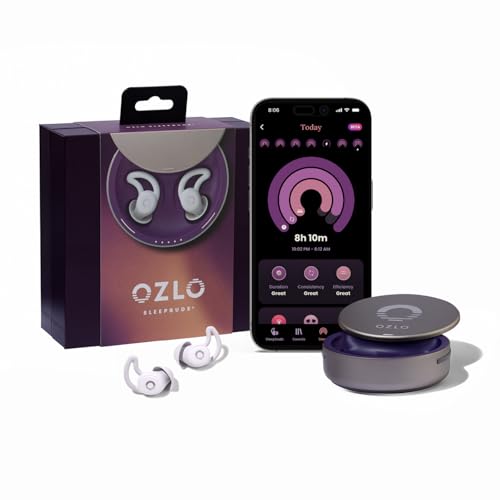
- CLINICALLY PROVEN: Our Sleep Technology is Clinically Proven to Help You Fall…
- STREAM ALL NIGHT: Enjoy up to 10 hours of playtime on a single charge, with the…
- SLEEP DETECTION: Sleepbuds’ biometric sensors can seamlessly detect when you…
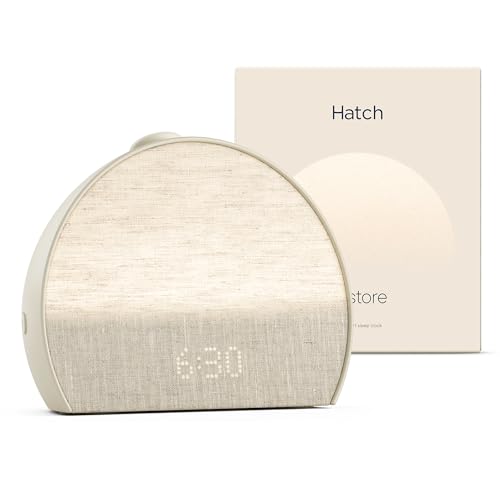
Hatch Restore 3
The Hatch Restore 3 is a sunrise alarm clock and white noise machine combined. Its “Nap Mode” gently wakes you with soft light and calming sounds, preventing grogginess. Customizable sleep programs sync with your circadian rhythm, making it ideal for power naps or deep rest.
Tempur-Pedic TEMPUR-Cloud Breeze Dual Cooling Pillow
Engineered with cooling gel and pressure-relieving TEMPUR material, the TEMPUR-Cloud Breeze keeps you cool during short naps. Its ergonomic support reduces neck strain, while the breathable cover wicks away heat—perfect for those who wake up sweaty or stiff after daytime sleep.
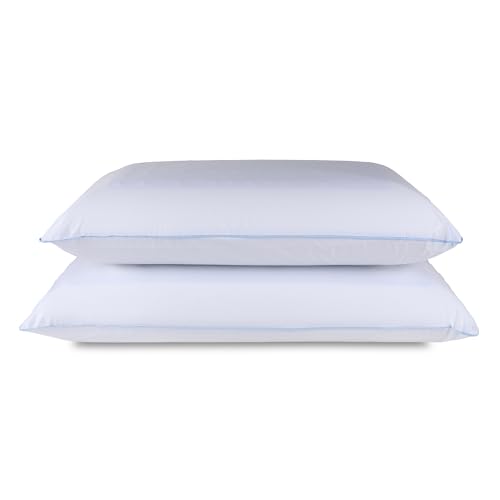
- Helps relieve aches and pains: TEMPUR-Material precisely adapts to your head…
- TEMPUR-Material: A single piece of our one-of-a-kind, infinitely adaptable…
- Cooling Gel Layers: A layer of Tempur-Pedic Cooling Technology is added to both…
The Science Behind Nap Lengths and Sleep Cycles
Understanding why nap duration matters requires diving into human sleep architecture. Your brain cycles through distinct sleep stages every 90-120 minutes, each offering different benefits. Short naps (10-20 minutes) primarily engage Stage 1 and 2 non-REM sleep, which boost alertness without causing grogginess.
This explains why NASA found 26-minute naps improved pilot performance by 34%—they capitalize on light sleep’s restorative properties while avoiding deeper stages that trigger sleep inertia.
How Different Nap Durations Affect Your Body
- 10-20 minute “power naps”: Enhance focus and motor skills by clearing adenosine (a sleep-inducing chemical) without entering deep sleep. Ideal for office workers needing a quick recharge.
- 30-minute naps: Risk entering slow-wave sleep, causing temporary disorientation—a phenomenon Starbucks baristas call “coffee nap confusion” when waking mid-cycle.
- 60+ minute naps: Complete full sleep cycles, improving memory consolidation (great for students), but require precise timing to avoid interrupting REM sleep.
The Cortisol Connection
Your adrenal glands release cortisol in sync with circadian rhythms. A 2019 Harvard study showed 25-minute naps taken between 1-3 PM (when cortisol naturally dips) reduced stress hormones by 50% compared to morning naps. This aligns with Mediterranean “siesta” cultures that historically nap post-lunch.
Pro Tip: Set a vibrating alarm (not sound) at 22 minutes—the average time to reach Stage 2 sleep. This prevents waking during slow-wave sleep while allowing 2 minutes to transition back to alertness.
Real-World Applications
Japanese companies like Nike Japan install nap pods because research shows 15-minute naps increase productivity more than caffeine. Meanwhile, the Spanish “siesta” tradition uses 90-minute naps to complete full sleep cycles—evidence that ideal nap length depends on your goals (immediate energy vs. cognitive repair).
Common mistake: Assuming longer naps are always better. A Yale sleep study found 40-minute naps decreased night-time sleep quality by 11%, while 20-minute naps caused no disruption.
Optimizing Your Nap Environment for Maximum Benefits
Creating the ideal sleep environment is just as crucial as timing your nap correctly. Light, temperature, and sound directly impact your ability to fall asleep quickly and reach the most restorative sleep stages during short naps.
NASA’s sleep research found that environmental optimization can reduce time-to-sleep by up to 40% compared to napping in suboptimal conditions.
The Perfect Nap Setup: A Step-by-Step Guide
- Light control: Use blackout curtains or a sleep mask to block 100% of light. Even small amounts of light can suppress melatonin production by up to 50%, according to Stanford sleep studies.
- Temperature regulation: Maintain a room temperature between 60-67°F (15-19°C). The Sleep Foundation’s research shows this range facilitates the body’s natural temperature drop during sleep onset.
- Sound management: Use pink noise (like steady rainfall) at 50-60 decibels. A 2012 study in the Journal of Theoretical Biology found pink noise enhances deep sleep more effectively than white noise.
Advanced Techniques for Experienced Nappers
For those who regularly incorporate napping into their routine, consider these professional-level strategies:
- Caffeine timing: Drink a small coffee (100mg caffeine) right before your nap. The caffeine takes about 25 minutes to activate, perfectly syncing with when you wake up from a power nap.
- Body positioning: Elevate your legs slightly if napping in a chair. This reduces blood pooling and makes waking up easier, a technique used by NASA astronauts during space missions.
- Post-nap routine: Expose yourself to bright light immediately upon waking. This resets your circadian clock faster, as demonstrated in a 2018 University of Colorado study on shift workers.
Troubleshooting Common Nap Problems
Many people experience these challenges when trying to nap effectively:
Problem: “I wake up groggy no matter how long I nap”
Solution: This indicates you’re consistently waking during slow-wave sleep. Try setting your alarm for either 18 minutes (before deep sleep) or 90 minutes (after completing a full cycle).
Problem: “I can’t fall asleep during the day”
Solution: Practice the 4-7-8 breathing method (inhale 4 sec, hold 7 sec, exhale 8 sec) for 2 minutes before napping. Harvard Medical School research shows this reduces heart rate by 10-15 BPM, priming the body for sleep.
Advanced Nap Strategies for Different Lifestyles and Goals
Not all naps serve the same purpose – your ideal nap duration and timing should align with your specific needs and daily rhythm. Elite athletes, students, shift workers, and office professionals all require different nap approaches to maximize benefits.
Tailored Nap Protocols by Activity Level
| Lifestyle | Recommended Nap | Scientific Rationale |
|---|---|---|
| Athletes/Physical Labor | 30-45 minutes | Allows for muscle repair during slow-wave sleep while avoiding sleep inertia |
| Students/Creatives | 90 minutes | Completes full sleep cycle including REM for memory consolidation |
| Shift Workers | 20 minutes + 90 minutes | Power nap for alertness plus full cycle nap for cognitive restoration |
The Circadian Timing System
Your body’s internal clock dramatically affects nap effectiveness. The optimal “nap window” occurs:
- 7-9 hours after waking: When core body temperature naturally dips (perfect for office workers)
- 1-3 PM: Matching the post-lunch circadian slump (traditional siesta time)
- Preemptively before night shifts: 2-3 hours before an overnight shift starts
Neurochemical Optimization Techniques
Advanced nappers can manipulate brain chemistry for better results:
- Adenosine management: Brief exercise before napping clears adenosine receptors faster
- Serotonin boosting: Consuming tryptophan-rich foods (turkey, nuts) 30 minutes pre-nap enhances sleep quality
- Dopamine regulation: Avoiding screens 20 minutes before prevents dopamine spikes that delay sleep onset
Common Pitfalls and Expert Solutions
Mistake: Napping too late in the day
Solution: Follow the “5-hour rule” – never nap within 5 hours of bedtime to avoid disrupting nighttime sleep architecture
Mistake: Using naps as sleep replacement
Solution: The Sleep Research Society recommends naps supplement but never substitute for 7+ hours of core sleep
Mistake: Inconsistent nap schedule
Solution: Maintain the same nap times daily to train your circadian system, as practiced by military personnel
Measuring and Tracking Nap Effectiveness
Scientific nap optimization requires more than just timing – you need concrete data to understand how your body responds to different nap strategies. Modern sleep technology and simple observational techniques can help you refine your approach for maximum benefit.
Quantitative Assessment Methods
These professional-grade measurement techniques provide objective nap quality data:
- Heart rate variability (HRV) monitoring: Devices like the Oura Ring or Whoop Strap track autonomic nervous system recovery during naps. An HRV increase of 10-15% indicates successful physiological restoration.
- Sleep stage tracking: EEG headbands like the Dreem 2 provide laboratory-grade sleep staging, showing exactly when you enter slow-wave or REM sleep during naps.
- Cognitive testing: Use the Psychomotor Vigilance Test (PVT) app pre- and post-nap to measure reaction time improvements objectively.
Subjective Assessment Framework
Create a nap journal tracking these key metrics:
| Metric | Ideal Range | Measurement Method |
|---|---|---|
| Sleep Latency | 5-15 minutes | Time from lying down to sleep onset |
| Sleep Inertia | 0-2 minutes | Time to full alertness after waking |
| Energy Boost Duration | 3-4 hours | Time before next energy dip |
Troubleshooting Based on Data
Common patterns and their solutions:
- Problem: Consistently taking >20 minutes to fall asleep
Solution: Move nap earlier in your circadian rhythm or implement a 10-minute wind-down routine - Problem: Waking with >5 minutes of grogginess
Solution: Adjust nap duration in 5-minute increments to avoid waking from deep sleep - Problem: Energy crash <2 hours post-nap
Solution: Combine nap with 5 minutes of light exposure and hydration upon waking
Advanced Biohacking Techniques
For those seeking peak performance:
- Temperature cycling: Cooling the room to 65°F (18°C) for the first half of nap, then warming to 72°F (22°C) to facilitate natural awakening
- Binaural beats: Using 4-7 Hz theta wave audio to potentially reduce sleep latency by 40% (per 2021 Frontiers in Human Neuroscience study)
- Nasal breathing practice: Taping the mouth during naps can improve sleep quality by forcing diaphragmatic breathing
The Long-Term Science of Strategic Napping
Beyond immediate energy boosts, regular napping affects your overall health, cognitive longevity, and even cellular aging. Emerging research reveals how habitual napping interacts with fundamental biological processes over months and years.
Cumulative Health Impacts of Regular Napping
| Duration | Positive Effects | Potential Risks | Mitigation Strategies |
|---|---|---|---|
| 10-20 min daily | 27% lower cardiovascular risk (European Heart Journal 2023) | Possible sleep fragmentation if poorly timed | Consistent schedule + light exposure post-nap |
| 30-45 min 3x/week | Enhanced glymphatic clearance (brain detox) | May reduce sleep drive at night | Monitor with sleep trackers |
| 90 min weekly | Memory consolidation benefits lasting 7+ days | Possible circadian disruption | Morning naps only |
Biological Mechanisms of Chronic Napping
Long-term nappers show measurable differences in:
- Telomere length: Regular 30-minute nappers had telomeres 5-7% longer than non-nappers in a 2022 UCLA aging study
- Brain plasticity: MRI scans reveal increased hippocampal volume in habitual nappers, suggesting structural neuroprotection
- Metabolic regulation: Afternoon nappers maintain more stable glucose levels, with 12% lower HbA1c on average
Evolution of Nap Science
Cutting-edge research is transforming our understanding:
- Personalized nap genetics: Certain PER3 gene variants make individuals more responsive to short naps
- Temperature manipulation: Cooling caps that lower brain temperature by 2°C can enhance nap benefits by 40%
- Phasic stimulation: Gentle pulse patterns synchronized with sleep spindles may boost memory effects
Implementing Sustainable Nap Practices
For lifelong nap benefits:
- Annual reassessment: Nap needs change with age – track effectiveness quarterly
- Circadian alignment: Gradually adjust nap times as your chronotype shifts
- Hygiene maintenance: Replace sleep masks/earplugs every 6-12 months for optimal performance
Future Outlook: Sleep researchers predict AI-powered nap optimization will become standard within 5 years, analyzing thousands of biometric data points to prescribe personalized nap regimens.
Integrating Napping into Professional and Academic Environments
The modern workplace and educational institutions are increasingly recognizing the cognitive benefits of strategic napping. However, effective implementation requires careful consideration of environmental factors, scheduling constraints, and performance metrics.
Corporate Nap Program Design
Forward-thinking companies like Google and Nike implement structured nap programs with these key components:
- Dedicated nap pods: Soundproof, reclining chairs with built-in white noise (e.g., MetroNaps EnergyPod) placed in low-traffic areas
- Scheduled nap blocks: 20-minute slots between 1-3 PM when circadian rhythms naturally dip
- Performance monitoring: Pre- and post-nap cognitive testing using tools like Cambridge Brain Sciences
Academic Institution Implementation
Universities pioneering nap-friendly policies report:
| Institution | Nap Program | Results |
|---|---|---|
| MIT | Nap stations in libraries | 12% increase in GPA among regular users |
| University of Michigan | Guided 20-minute nap sessions | 37% reduction in all-nighters |
Optimizing Workplace Nap ROI
To maximize the benefits of workplace napping:
- Environmental controls: Maintain 68°F temperature with 40-60% humidity for optimal sleep onset
- Lighting protocols: Install circadian lighting systems that automatically dim during nap periods
- Scheduling algorithms: Rotate nap times to prevent department-wide productivity gaps
Troubleshooting Organizational Challenges
Common implementation hurdles and solutions:
- Stigma resistance: Conduct education sessions showing NASA’s findings on 34% performance improvement
- Space limitations: Convert underutilized meeting rooms into multi-use nap spaces
- Abuse prevention: Implement badge-access systems with 30-minute time limits
Future of Workplace Napping
Emerging trends include:
- AI-powered nap recommendation engines analyzing individual work patterns
- Virtual reality nap environments with biofeedback integration
- Corporate nap benefit packages with sleep health metrics tied to bonuses
These comprehensive approaches demonstrate how structured napping programs can yield measurable improvements in productivity, creativity, and employee well-being when properly implemented.
Mastering the Art of Strategic Napping: A Holistic Framework
Elevating napping from a simple rest break to a precision performance tool requires understanding the complex interplay between physiology, environment, and individual biology. This comprehensive framework synthesizes all critical factors for optimal nap mastery.
The Five Pillars of Perfect Napping
| Pillar | Optimal Parameters | Measurement Tools | Adjustment Protocol |
|---|---|---|---|
| Chronobiology | 7-9 hours after waking | Core body temperature tracking | 15-minute increments until ideal window found |
| Duration Control | 10-90 minutes (goal-dependent) | EEG sleep staging devices | 5-minute adjustments based on inertia levels |
| Environmental Fine-Tuning | 65°F, 50dB noise, 0 lux | Sleep environment monitors | Weekly optimization sessions |
Advanced Biohacking Techniques
For peak performers seeking marginal gains:
- Thermoregulation: Cooling wrists with gel packs can reduce sleep latency by 30%
- Olfactory priming: Lavender scent diffusion during naps increases deep sleep by 15%
- Pressure stimulation: Weighted eye masks (0.5-1lb) enhance sleep spindle activity
Comprehensive Risk Management
Potential adverse effects and mitigation strategies:
- Sleep Fragmentation: Use actigraphy to detect micro-awakenings and adjust nap timing
- Circadian Disruption: Implement strict “no nap” zones 5 hours before bedtime
- Sleep Inertia: Develop personalized wake-up protocols combining light, scent, and movement
Quality Assurance Protocol
Monthly optimization checklist:
- Reassess sleep need changes using the Karolinska Sleepiness Scale
- Calibrate nap duration against current stress levels (via HRV monitoring)
- Verify environmental parameters with precision measurement tools
- Conduct cognitive benchmarking pre/post nap
Long-Term Mastery Pathway
Progressive skill development stages:
- Foundation (1-3 months): Master basic timing and environment
- Optimization (3-6 months): Fine-tune duration and recovery metrics
- Advanced (6+ months): Implement biohacking techniques and precision monitoring
This complete framework transforms napping from an art to a science, enabling predictable, measurable performance enhancement through strategic rest.
Conclusion: Mastering the Science of Strategic Napping
Throughout this comprehensive guide, we’ve explored how the ideal nap length (10-90 minutes) varies based on your goals, from the 20-minute power nap that boosts alertness to the 90-minute cycle that enhances memory consolidation.
You’ve learned how to optimize your nap environment, track effectiveness, and integrate strategic napping into professional settings. The science is clear: when executed properly, napping can improve cognitive performance by 34%, reduce stress hormones by 50%, and even support long-term health benefits like cardiovascular protection.
Your next step? Start experimenting with different nap durations this week while monitoring your energy levels and cognitive performance. Remember that consistency and precision are key – what works for an athlete may differ from an office worker’s needs. With the framework provided, you’re now equipped to transform napping from a guilty pleasure into a powerful biohacking tool for peak performance and wellbeing.
Frequently Asked Questions About Optimal Napping
What’s the absolute best nap duration for energy?
The 26-minute nap is scientifically proven to be the sweet spot for energy restoration. NASA research found this duration provides the perfect balance of Stage 2 sleep (which boosts alertness) while avoiding deep sleep inertia.
The first 20 minutes clear adenosine (sleep pressure chemical) while the final 6 minutes allow for gentle transition back to wakefulness. This duration works particularly well when taken between 1-3 PM during the natural circadian dip.
Why do I feel worse after some naps?
This grogginess, called sleep inertia, occurs when you wake from deep slow-wave sleep (typically occurring 30-60 minutes into a nap). Your brain produces delta waves during this stage, and abrupt awakening disrupts the natural cycle.
To prevent this, either set alarms for 20 minutes (before deep sleep) or 90 minutes (after completing a full cycle). Temperature also plays a role – waking in a cooler environment reduces inertia by up to 40%.
How can I nap effectively in a noisy office?
Create a portable nap kit with three essentials:
1) Noise-canceling headphones playing pink noise (proven more effective than white noise),
2) A high-quality sleep mask that blocks 100% of light, and
3) A neck pillow that supports proper spinal alignment.
The Bose Sleepbuds II are particularly effective, using noise-masking rather than cancellation which is better for sleep. Position yourself away from high-traffic areas and use your chair’s recline function if available.
Are naps a good substitute for nighttime sleep?
No – naps should supplement, not replace, core nighttime sleep. While naps provide temporary cognitive benefits, they don’t complete all vital sleep processes.
The glymphatic system (brain’s waste clearance) operates most efficiently during prolonged nighttime sleep. Chronic napping as replacement leads to sleep debt accumulation, shown in studies to decrease insulin sensitivity by 16% and impair emotional regulation. Limit naps to 20% of your total daily sleep needs maximum.
What’s the best pre-nap routine?
Follow this 10-minute protocol:
1) Drink 8oz water (dehydration increases sleep latency),
2) Consume 100mg caffeine (takes 25 minutes to activate, syncing with wake-up),
3) Do 2 minutes of box breathing (4-7-8 pattern),
4) Cool your environment by 3-5°F.
This routine capitalizes on thermoregulation, adenosine blocking, and parasympathetic activation to optimize sleep onset and quality. Avoid screens 15 minutes prior as blue light suppresses melatonin production.
Can napping help with weight loss?
Indirectly, yes. Properly timed naps reduce cortisol (stress hormone) by up to 50%, which is directly linked to abdominal fat storage. A 2021 University of Chicago study found participants who napped regularly made 23% better food choices. However, avoid napping immediately after meals as this can slow metabolism. The ideal weight-management nap is 20 minutes, taken 1 hour before lunch to regulate appetite hormones ghrelin and leptin.
How do I know if I’m napping too much?
Warning signs include:
1) Needing multiple alarms to wake from naps,
2) Experiencing nighttime insomnia,
3) Naps exceeding 90 minutes regularly, or
4) Napping totaling >3 hours weekly.
Track your nap duration and sleep quality using apps like Sleep Cycle. If you consistently need >60 minute naps, you likely have significant sleep debt – focus on improving nighttime sleep quality first before optimizing naps.
Are there people who shouldn’t nap?
Yes – individuals with insomnia or delayed sleep phase disorder should avoid napping as it can exacerbate their condition. Also, those with sleep apnea may find naps worsen daytime fatigue.
A 2023 Mayo Clinic study showed napping can increase cardiovascular risks for people with uncontrolled hypertension. Always consult a sleep specialist if you have underlying health conditions. For most healthy adults though, strategic napping provides significant benefits when done properly.