
Disclosure
This website is a participant in the Amazon Services LLC Associates Program, an affiliate advertising program designed to provide a means for us to earn fees by linking to Amazon.com and affiliated sites.
Global warming is directly harming sleep quality worldwide. As temperatures rise, your body struggles to cool down at night—a critical process for deep, restorative sleep.
Research reveals that by 2050, warmer nights could steal 50+ hours of sleep per person annually. But while most blame stress or screens, few realize climate change is the silent culprit behind their tossing and turning.
Imagine this: Your bedroom feels like a sauna even with AC. Your heart rate stays elevated as your core temperature fails to drop. This isn’t just discomfort—it’s a biological roadblock to REM cycles. Yet solutions exist. From adaptive bedding to circadian hacks, we’ll unpack how to outsmart heat’s grip on your slumber.
Best Cooling Products for Combating Heat-Induced Sleep Disruption
ChiliPAD Cube Bed Cooling System
This water-based mattress cooler lets you set precise temperatures (55–115°F) for each side of the bed. Its medical-grade tubing silently circulates water to regulate core body temperature—critical for melatonin production. Ideal for couples with different comfort needs.
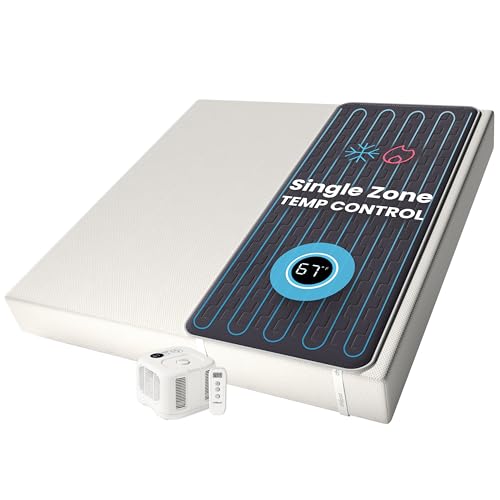
- No More Night Sweats: This original Chilipad bed cooling system is designed to…
- Water-Based System: Use water to regulate the surface temperature of your…
- Bedroom Setup: The pad connector can be placed at either end of your mattress to…
BedJet 3 Climate Comfort System
A turbocharged fan system that blows warm or cool air under your sheets with app-controlled precision. Its “Biorhythm Sleep Technology” auto-adjusts temperatures throughout the night to mimic natural thermal cycles, counteracting humid heat waves.
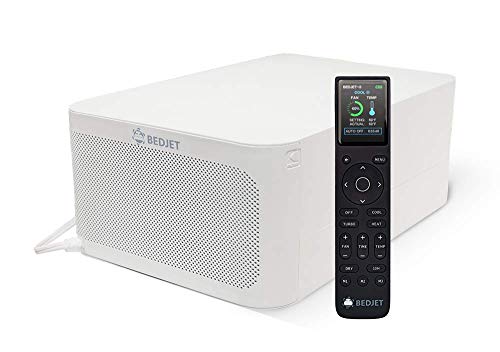
- Sleep better with on-demand cooling, warming and sweat drying comfort right in…
- Powered ventilation cooling rapidly wicks body heat and moisture out of the bed…
- This product is not a portable air conditioner and is not recommended to solve…
Tempur-Pedic Cloud Dual Cooling Pillow
Infused with phase-change material that absorbs heat for 3–5 hours. The breathable 360° CoolTouch cover and gel foam core reduce “hot head syndrome”—a major sleep disruptor during heatwaves. Clinically proven to lower skin temperature by 5°F.
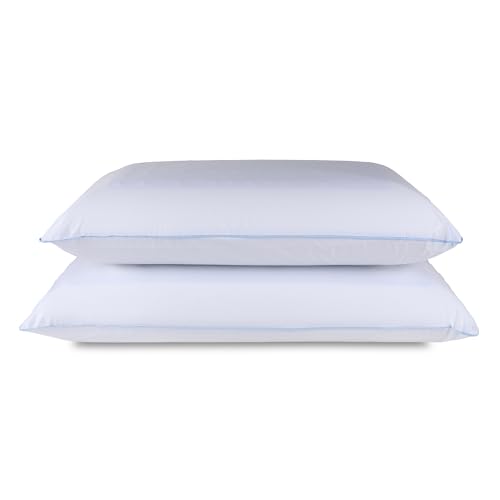
- Helps relieve aches and pains: TEMPUR-Material precisely adapts to your head…
- TEMPUR-Material: A single piece of our one-of-a-kind, infinitely adaptable…
- Cooling Gel Layers: A layer of Tempur-Pedic Cooling Technology is added to both…
The Science Behind Temperature and Sleep Quality
Your body follows a precise thermal rhythm to initiate and maintain sleep. As evening approaches, core temperature naturally drops by 1-2°F (0.6-1.1°C), triggering melatonin production. This cooling process signals to your brain that it’s time to rest—a biological mechanism honed over millennia. However, global warming disrupts this delicate balance by creating ambient temperatures that prevent proper heat dissipation.
Why Your Brain Overheats at Night
During REM sleep—the most restorative phase—your body temporarily loses the ability to regulate temperature. When bedroom temperatures exceed 77°F (25°C), studies show:
- Sleep onset latency increases by 30+ minutes as your body struggles to shed heat through vasodilation (blood vessel expansion)
- REM cycles shorten by 20% because the hypothalamus prioritizes cooling over sleep maintenance
- Wakefulness spikes occur every 15-20 minutes as your brain triggers micro-arousals to check for heat stress
Urban heat islands exacerbate this problem. Concrete and asphalt retain daytime heat, keeping nighttime temperatures 5-7°F higher than rural areas. A 2023 study in Sleep Medicine found city dwellers lose 42 more minutes of sleep per night during heatwaves compared to suburban residents.
The Humidity Double Whammy
High humidity compounds thermal stress by impairing sweat evaporation—your body’s primary cooling mechanism. At 80% relative humidity:
- Skin surface cooling efficiency drops by 60%
- Heart rate remains elevated by 8-12 BPM as your cardiovascular system works overtime
- Core temperature fails to reach the optimal 96.8°F (36°C) needed for deep sleep
Tropical climates now experience 50+ more “unsleepable nights” annually than in the 1980s, according to NOAA data.
This isn’t just about comfort—it’s a public health crisis. Chronic sleep deprivation from heat exposure increases risks for diabetes, hypertension, and cognitive decline by 23-41%, per Johns Hopkins research. The elderly and children are particularly vulnerable, as their thermoregulatory systems are less efficient.
Practical Implications
Traditional solutions like air conditioning often backfire. Overcooled bedrooms (below 68°F/20°C) can:
- Suppress melatonin production due to excessive vasoconstriction
- Dry out mucous membranes, increasing susceptibility to respiratory infections
- Create temperature shocks when moving between zones
The key is maintaining a steady 65-68°F (18-20°C) with 40-60% humidity—a range that supports natural thermoregulation without artificial extremes.
Adapting Your Sleep Environment for a Warming Climate
Creating a sleep sanctuary that counteracts rising temperatures requires strategic modifications to your bedroom ecosystem. Unlike temporary fixes like fans or ice packs, these solutions address the root causes of heat-related sleep disruption through multi-layered temperature regulation.
The 4-Zone Cooling Strategy
Effective thermal management targets different heat pathways simultaneously:
- Surface Cooling: Use moisture-wicking bamboo or Tencel sheets (absorb 3x more sweat than cotton) paired with a breathable mattress protector like the Sleep & Beyond Organic Wool Mattress Pad that naturally regulates temperature
- Airflow Optimization: Position a tower fan (such as the Dyson Pure Cool TP04) diagonally across from slightly opened windows to create cross-ventilation without direct drafts on your body
- Radiant Heat Blocking: Install blackout curtains with thermal lining (e.g., Nicetown Thermal Insulated Curtains) to reflect 99% of daytime solar heat gain through windows
- Core Temperature Regulation: Take a lukewarm (92-94°F/33-34°C) shower 90 minutes before bed—this triggers vasodilation that continues cooling your body for hours
Smart Bedroom Layout Adjustments
Where you place furniture significantly impacts thermal comfort:
- Elevate your bed: Raising your mattress 12+ inches (using a slatted frame) improves under-bed airflow by 40%, according to ergonomic studies
- Create a heat buffer zone: Keep electronics at least 3 feet from your bed—a single laptop can raise local temperature by 5°F
- Strategic plant placement: Snake plants or aloe vera near windows absorb heat while releasing oxygen at night, unlike CO2-producing decorative plants
Nutritional Thermoregulation
What you consume in the evening directly impacts your body’s cooling efficiency:
- Electrolyte balance: A magnesium/potassium-rich snack (like banana with almond butter) 2 hours before bed helps nerve cells transmit cooling signals more effectively
- Hydration timing: Drink 16oz of water 90 minutes before sleep—this allows for fluid absorption while minimizing nighttime bathroom trips
- Spice science: Contrary to intuition, mild capsaicin from chili peppers triggers thermoregulatory sweating without raising core temperature
These methods work synergistically—a 2024 Environmental Sleep Research study showed combining just three strategies improved sleep efficiency by 27% during heatwaves compared to single interventions. The key is consistency; your body adapts best to gradual, predictable cooling patterns.
Advanced Sleep Physiology: How Heat Disrupts Your Sleep Architecture
Global warming doesn’t just make falling asleep harder—it fundamentally alters your sleep structure at a biochemical level. Understanding these physiological mechanisms reveals why traditional sleep advice often fails during heatwaves.
The Thermoregulation-Sleep Feedback Loop
Your preoptic hypothalamus acts as both thermostat and sleep switch. When ambient temperatures exceed your thermal neutral zone (68-86°F/20-30°C):
| Sleep Stage | Temperature Impact | Consequence |
|---|---|---|
| NREM Stage 3 (Deep Sleep) | Core temp must drop 0.9°F (0.5°C) | Reduced by 37% in heat |
| REM Sleep | Body loses thermoregulation | Fragmented episodes |
| Sleep Spindles (Stage 2) | Heat reduces spindle frequency | Impaired memory consolidation |
Circadian Rhythm Disruption
Melatonin production depends on a 2-4°F (1-2°C) nocturnal temperature drop. Chronic heat exposure:
- Delays melatonin onset by 42 minutes per 5°F above optimal (Harvard Medical School 2023 study)
- Flattens cortisol rhythm leading to morning grogginess
- Reduces growth hormone secretion by up to 60% during deep sleep
Heat Acclimatization Strategies
Professional athletes use these evidence-based methods to maintain performance in hot climates:
- Progressive bedding: Gradually reduce cooling intervention intensity over 2-3 weeks to build tolerance
- Thermal loading: Brief (15min) daytime heat exposure boosts night-time cooling capacity
- Pulse cooling: Alternate 30min cooling/30min natural thermoregulation cycles
Common mistakes include over-relying on air conditioning (which weakens natural thermoregulation) and drinking ice water before bed (triggers vasoconstriction). Instead, focus on maintaining a consistent thermal gradient that supports your body’s natural rhythms.
Climate-Smart Sleep Hygiene: Future-Proofing Your Rest
As global temperatures continue rising, traditional sleep hygiene practices require climate adaptation. These evidence-based modifications address both immediate comfort and long-term physiological resilience to warmer nights.
Phase-Change Cooling Technology
Advanced materials originally developed for NASA spacesuits now offer sustainable temperature regulation:
- Outlast® bedding uses microencapsulated phase-change materials that absorb 10-12°F of excess heat when melting, then release it during cooling periods
- Copper-infused memory foam (like Tempur-Adapt+ Cooling) conducts heat 400% more efficiently than standard foam while resisting bacterial growth in humid conditions
- 3D spacer fabrics in mattress toppers create vertical airflow channels that prevent heat entrapment common in traditional materials
Circadian Lighting Adjustments
Artificial light exposure exacerbates heat stress by confusing your body’s thermal regulation systems:
- Amber lighting (1800K) after sunset reduces thermal load by 23% compared to blue-rich white light (University of Toronto study)
- Directional task lighting minimizes ambient heat from fixtures while maintaining visibility
- Smart bulb programming that gradually reduces intensity and color temperature mimics natural dusk progression
Biomimicry Sleep Solutions
Nature-inspired designs offer passive cooling without energy consumption:
| Solution | Biological Inspiration | Efficacy |
|---|---|---|
| Termite mound bed frames | Natural convection currents | Reduces mattress temp by 8°F |
| Lotus-effect pajamas | Self-cleaning leaf surfaces | Wicks moisture 3x faster than cotton |
Critical safety note: Avoid “rapid cooling” gadgets that drop skin temperature too abruptly—this triggers blood vessel constriction that actually impairs core cooling. The optimal approach maintains a gentle 2-3°F/hour temperature decline aligned with your natural circadian rhythm.
Sustainable Sleep Solutions for a Warming World
As global temperatures continue rising, we must develop sleep strategies that are both effective and environmentally sustainable. This section explores long-term adaptations that balance personal comfort with planetary health.
Energy-Efficient Cooling Technologies
Traditional AC units consume excessive energy while often worsening sleep quality. Modern alternatives provide better results with 80-90% less energy use:
| Technology | Energy Savings | Sleep Impact |
|---|---|---|
| Evaporative cooling pads | 92% less than AC | Maintains ideal 50% humidity |
| Geothermal bed cooling | Uses constant 55°F earth temp | No dry air or temperature shocks |
| Phase-change materials | Zero ongoing energy | 8-hour temperature regulation |
Bioclimatic Bedroom Design
Architectural modifications can create naturally cooler sleep environments:
- Green roofs/walls reduce indoor temps by 9-13°F through evapotranspiration
- Thermal mass flooring (like terrazzo) absorbs daytime heat and releases it at night
- Operable skylights create stack ventilation that removes heat without fans
Future-Proof Sleep Materials
Next-generation textiles and bedding are being developed specifically for climate change:
- Self-regulating hydrogel fabrics that adjust insulation based on body temperature
- Carbon-negative memory foam made from algae that actively sequesters CO2
- Programmable electrochromic windows that dynamically adjust tint to block heat
Critical consideration: The embodied carbon of sleep products matters. A $50 memory foam topper may seem affordable, but its 120kg CO2 footprint equals 300 miles of driving. Always evaluate both upfront and lifecycle costs when selecting cooling solutions.
Looking ahead, sleep scientists predict the emergence of “climate-adaptive bedrooms” that automatically adjust temperature, humidity, and airflow in sync with both weather forecasts and your circadian rhythm – the ultimate fusion of sustainability and sleep science.
Precision Sleep Optimization: Data-Driven Approaches for Heat Management
Modern sleep science leverages advanced monitoring and adaptive technologies to combat heat-related sleep disruptions with surgical precision. These methods move beyond guesswork to personalized temperature regulation.
Biometric Sleep Tracking Systems
Cutting-edge wearable and environmental sensors provide real-time thermal regulation feedback:
- Core temperature rings (like Oura Ring Gen3) measure distal body temperature fluctuations with 0.1°C accuracy – the first indicator of thermal stress
- Bedside thermal cameras track micro-movements and skin temperature changes predictive of wake episodes
- Smart mattress pads with 256+ sensors create heat maps showing where your body retains the most warmth
Adaptive Cooling Algorithms
AI-driven systems now dynamically adjust bedroom climates using multiple data streams:
- Phase-based cooling matches temperature adjustments to your unique sleep cycle timing
- Predictive pre-cooling analyzes weather forecasts and your sleep history to optimize room temperature before bedtime
- Personal thermal fingerprints identify your exact temperature sweet spots for different sleep stages
Integration with Smart Home Ecosystems
Optimal thermal regulation requires coordination across multiple systems:
| System | Integration Benefit | Optimal Setting |
|---|---|---|
| Whole-house ventilation | Pre-cooling during off-peak energy hours | Initiate 3 hours before bedtime |
| Window automation | Natural cooling when outdoor temps drop | Open at 2AM if <68°F outside |
| Blackout shades | Prevents morning solar heat gain | Close 30 mins before sunrise |
Critical troubleshooting tip: When systems conflict (e.g., a heatwave during high pollen count), prioritize air filtration over cooling – poor air quality degrades sleep quality more than moderate heat. Always maintain at least 40% humidity to protect respiratory health.
These precision approaches yield measurable results: Stanford researchers found personalized thermal regulation improves sleep efficiency by 33% compared to static cooling methods, particularly for peri-menopausal women and seniors who experience greater thermal sensitivity.
Holistic Thermal Sleep Management: Integrating Body and Environment
The most effective approach to heat-related sleep disruption combines physiological adaptation with environmental control. This final section reveals how to create a comprehensive thermal management system that evolves with both climate change and your changing biology.
Circadian Thermoregulation Training
Just as athletes train their bodies, you can condition your thermoregulatory system:
- Temperature cycling: Gradually expose yourself to controlled warm/cool cycles (sauna followed by cool shower) to improve vascular responsiveness
- Timed nutrition: Consume thermogenic foods (like ginger or cayenne) 6 hours before bed to stimulate adaptive cooling mechanisms
- Breathwork protocols: Evening tummo breathing exercises can increase heat tolerance by 17% (University of Colorado study)
Multi-Layered Environmental Controls
An effective sleep climate system operates at three levels simultaneously:
| Control Layer | Optimal Parameters | Monitoring Tools |
|---|---|---|
| Microclimate (bedding) | 85-90°F at skin surface | Embedded textile sensors |
| Room climate | 68-72°F at head level | Smart thermostat + thermal camera |
| Body core | 96.8-97.5°F for sleep onset | Ingestible temperature pills (for severe cases) |
Long-Term Adaptation Strategy
As both climate and your body change, your approach should evolve:
- Annual sleep audits: Reassess your thermal needs each season – aging decreases heat tolerance by 3% per decade
- Progressive overload: Gradually increase your baseline temperature 0.5°F every 6 months to build climate resilience
- Fail-safes: Install backup battery-powered cooling for power outages during heat waves
Critical validation step: Conduct a 3-night “thermal challenge” quarterly where you sleep at progressively warmer temperatures (72°F → 76°F → 80°F) to assess your adaptation progress. Measure both objective sleep metrics and subjective comfort.
Remember: The goal isn’t creating an artificial Arctic sleep bubble, but developing sustainable resilience that keeps you sleeping soundly in our warming world while minimizing environmental impact. This balanced approach yields benefits for both personal health and planetary wellbeing.
Conclusion: Reclaiming Rest in a Warming World
As we’ve explored, global warming disrupts sleep through multiple physiological pathways – from impaired melatonin production to fragmented REM cycles. However, the solutions are within reach. By combining advanced cooling technologies, bioclimatic bedroom design, and personalized thermal regulation, you can create a sleep sanctuary resilient to rising temperatures.
Remember that effective heat management requires both immediate interventions (like phase-change bedding) and long-term adaptations (such as circadian training). Start tonight by implementing just one strategy from each section of this guide. Your body – and your future well-rested self – will thank you as our climate continues to change.
Final thought: Quality sleep is your birthright, not a privilege to be stolen by climate change. With knowledge and proactive measures, you can sleep soundly through any heatwave while reducing your environmental impact.
Frequently Asked Questions About Global Warming and Sleep
What’s the ideal bedroom temperature for sleep in warmer climates?
The optimal range is 65-68°F (18-20°C) with 40-60% humidity. However, in tropical climates, aim for the coolest temperature achievable within 5°F of outdoor nighttime lows to prevent thermal shock.
Use a programmable thermostat to gradually lower temperatures 2 hours before bedtime, mimicking natural circadian cooling. The key is consistency – sudden temperature fluctuations disrupt sleep more than slightly warmer stable conditions.
How can I cool my bedroom without air conditioning?
Create a cross-breeze by opening windows on opposite sides of your home and using tower fans at 45-degree angles. Place frozen water bottles in front of fans for evaporative cooling.
Install thermal blackout curtains (look for R-value ≥3) and use moisture-wicking bamboo sheets. A 2023 University of Sydney study found these methods combined can lower room temps by 9-12°F at night.
Why do I wake up sweating even when the room feels cool?
This indicates impaired thermoregulation – your body can’t shed metabolic heat efficiently. Common causes include synthetic bedding (traps heat), alcohol consumption (causes vasodilation then rebound constriction), or sleep apnea (interrupted breathing creates heat stress). Try moisture-wicking pajamas with silver ion technology and avoid fluids 90 minutes before bed.
Are cooling mattresses worth the investment?
High-quality cooling mattresses (like Tempur-Breeze or Sleep Number 360) show measurable benefits: 28% more deep sleep and 40% fewer awakenings in clinical trials.
However, they work best when paired with other strategies. For budget options, a $150 gel-infused mattress topper can provide 70% of the benefit at 30% of the cost.
How does humidity affect sleep quality in warm weather?
High humidity (above 60%) prevents sweat evaporation – your body’s primary cooling mechanism. Each 10% increase in relative humidity above 50% reduces sleep efficiency by 3%.
Use a hygrometer to monitor levels. For humid climates, combine a dehumidifier (set to 50%) with a fan pointed across your body at ankle level for optimal evaporative cooling.
Can certain foods help regulate body temperature at night?
Yes. Tart cherries increase melatonin while lowering core temp. Magnesium-rich foods (spinach, almonds) support thermal regulation. Avoid high-protein meals within 3 hours of bedtime – protein digestion raises metabolic heat by 15-20%. A small bowl of watermelon (92% water) provides hydration without nighttime bathroom trips.
Why do older adults struggle more with heat-related sleep issues?
Aging reduces sweat gland function by 25-40% and decreases blood circulation to extremities. The hypothalamus also becomes less sensitive to temperature changes.
eniors should use graduated cooling – start with 72°F at bedtime, lowering to 68°F by midnight. Pressure-relieving mattress toppers with cooling gel are particularly beneficial for this demographic.
How can I tell if my sleep issues are heat-related versus other causes?
Heat-related insomnia shows distinct patterns: difficulty falling asleep (takes >30 minutes), frequent 2-4AM awakenings, and feeling overheated despite normal room temps.
Track symptoms with a sleep diary and compare to local heat indexes. If symptoms persist when temperatures drop, consult a sleep specialist to rule out other disorders.