
Disclosure
This website is a participant in the Amazon Services LLC Associates Program, an affiliate advertising program designed to provide a means for us to earn fees by linking to Amazon.com and affiliated sites.
High school significantly disrupts students’ sleep—but not for the reasons you might think. While many blame late-night gaming or social media, research reveals that early start times, academic pressure, and biological changes are the real culprits. Teens need 8–10 hours of sleep, yet 73% fail to meet this minimum, leading to exhaustion, poor focus, and long-term health risks.
You might assume teens are “just lazy,” but their circadian rhythms naturally shift during puberty, making early mornings torture. Combine this with packed schedules and caffeine reliance, and it’s a recipe for chronic sleep deprivation. The good news? Science-backed strategies—like later school starts and sleep hygiene—can transform this struggle. Let’s uncover the truth and solutions.
Best Sleep Aids for High School Students
Philips SmartSleep Wake-Up Light
This sunrise alarm clock mimics natural light to gently wake teens, aligning with their shifted circadian rhythms. Its 20 brightness levels and sunset simulation help ease bedtime, while FM radio and nature sounds provide calming alternatives to jarring alarms—ideal for sleep-deprived students.
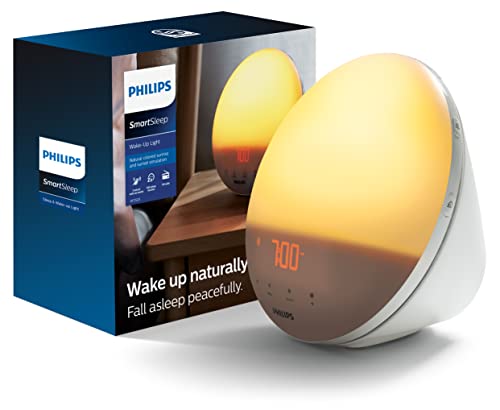
- CLINICALLY PROVEN*: Philips wake-up lights are recommended by physicians and…
- PERSONALIZATION: Simulated sunset and sunrise and choice of 5 different natural…
- SMART FEATURES: FM radio, tap snooze and automatic dimmable display
Wyze Smart Plug with Energy Monitoring
Help teens enforce a digital curfew by scheduling devices like phones to power off at bedtime. The Wyze Plug’s app-controlled timers reduce blue light exposure, and energy tracking encourages accountability—all for under $20. A budget-friendly tool for healthier sleep hygiene.
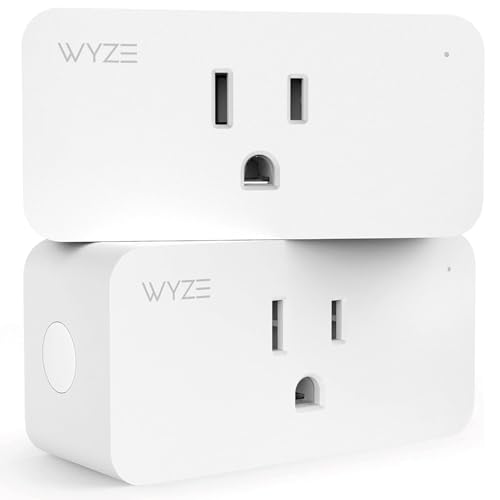
- Smart Voice Control: Wyze wifi plug works with Alexa and Google Assistant…
- Easy Setup: Certified for Humans. Set up with ease—no fuss, no hassle.
- Control Your Home from Anywhere: Turn them on or off remotely with the Wyze app…
Yogasleep Dohm Classic White Noise Machine
Mask disruptive noises (siblings, traffic) with this non-looping sound machine, trusted by sleep clinics. Its analog fan-based design avoids Bluetooth radiation, and dual-speed options let students customize ambient noise for deeper sleep—critical for shared bedrooms or noisy dorm environments.

- ORIGINAL SLEEP SOUND MACHINE: Beloved by millions since 1962, the Dohm Classic…
- CUSTOMIZED EXPERIENCE: The Dohm Classic effectively blocks out disruptive sounds…
- CRAFTED WITH LOVE: For over 60 years, Yogasleep has consistently set the gold…
The Science Behind Teen Sleep Deprivation in High School
Biological Shifts vs. School Schedules
During puberty, teens experience a 1–2 hour delay in melatonin release, shifting their natural sleep window to 11 PM–8 AM. However, 93% of U.S. high schools start before 8:30 AM, forcing students to wake during their deepest REM cycles. This mismatch creates “social jetlag”—a chronic state of exhaustion comparable to flying across time zones weekly.
The Domino Effect of Sleep Loss
Just one hour of lost sleep triggers measurable consequences:
- Cognitive decline: A 2018 MIT study found students who slept 6.5 hours scored 15% lower on math tests than peers sleeping 7.5 hours
- Emotional dysregulation:
The amygdala becomes 60% more reactive to negative stimuli when sleep-deprived, explaining teen mood swings - Metabolic disruption: Sleep-deprived teens produce 30% more ghrelin (hunger hormone), increasing obesity risk
Hidden Culprits Beyond Early Start Times
While school schedules get blame, three overlooked factors worsen the crisis:
- Homework overload: The National Sleep Foundation reports 45% of teens stay up past midnight completing assignments
- Blue light exposure: Phone use within 1 hour of bedtime suppresses melatonin by 23%, per Harvard Medical School
- Caffeine traps: Energy drink consumption has tripled since 2003, with 85% of teens consuming caffeine after 4 PM
Real-world example: A Minnesota school district delaying start times by 1 hour saw 60% fewer tardies and a 0.5 GPA increase. This proves systemic changes work—but individual strategies (like blackout curtains for early risers) can bridge the gap.
Practical Strategies to Improve Teen Sleep in High School
Optimizing the Sleep Environment
Creating a sleep-conducive bedroom requires addressing multiple sensory factors. The ideal sleep environment should maintain 65-68°F (18-20°C), as cooler temperatures help lower core body temperature for sleep onset. Blackout curtains that block 100% of light are crucial, as even small amounts of light can suppress melatonin production by up to 50%. For noise control, consider:
- White noise machines set to 50-60 decibels (similar to rainfall)
- Acoustic panels for bedrooms facing noisy streets
- Earplugs specifically designed for side sleepers
The 90-Minute Pre-Bed Routine
Neuroscience shows it takes teens longer than adults to transition to sleep readiness. An effective wind-down routine should include:
- Digital sunset: Switch devices to amber mode 2 hours before bed, then power down completely 60 minutes prior
- Progressive relaxation: Start with feet and work upward, tensing/releasing muscle groups for 15 minutes
- Cognitive decompression: Journaling or “brain dump” exercises to prevent bedtime rumination
Strategic Scheduling for Academic Demands
For students with heavy course loads, sleep-friendly scheduling involves:
- Power naps limited to 20 minutes (prevents sleep inertia) between 1-3 PM when circadian dip occurs
- Homework blocks scheduled before dinner, as cognitive performance drops 30% after 9 PM
- Weekend recovery limited to +1 hour sleep-in time to maintain circadian rhythm
Case study: A California high school implemented “sleep-friendly homework” policies banning assignments due first period and saw 42% reduction in students reporting daytime sleepiness. This demonstrates how systemic changes combined with personal habits create meaningful improvement.
The Neuroscience of Sleep and Academic Performance
Sleep Architecture and Memory Consolidation
During adolescence, the brain undergoes critical reorganization where 60% of memory processing occurs during specific sleep stages. The table below shows how each sleep phase contributes to learning:
| Sleep Stage | Duration in Teens | Cognitive Benefit |
|---|---|---|
| NREM Stage 3 (Deep Sleep) | 20-25% of night | Declarative memory formation (facts, dates) |
| REM Sleep | 25-30% of night | Procedural memory (skills, languages) |
When students sacrifice sleep, they lose disproportionate amounts of REM – the equivalent of erasing 40 minutes of daily learning according to UC Berkeley research.
Chronotype Variations and Learning Peaks
Teen chronotypes (natural sleep-wake patterns) significantly impact academic performance:
- Morning types (15% of teens) peak cognitively at 8-10 AM but crash by mid-afternoon
- Evening types (65% of teens) don’t reach optimal focus until 11 AM but maintain it until 9 PM
This explains why standardized testing at 8 AM disadvantages most students – their prefrontal cortex (decision-making center) remains 30% less active than at peak hours.
Sleep Deprivation’s Cumulative Damage
Chronic sleep loss creates a “sleep debt” where each successive night of poor rest compounds negative effects:
- After 3 nights: Working memory capacity drops by 15%
- After 1 week: Reaction times match those of someone with 0.08% blood alcohol
- After 2 weeks: The brain begins “microsleeps” – 3-5 second lapses in consciousness
MIT’s 2022 study found students maintaining 7.5 hours sleep for just one week showed 22% better retention than peers with variable sleep schedules, proving consistency matters as much as duration.
Implementing Systemic Solutions for School Sleep Challenges
School Schedule Restructuring Models
Research-backed approaches to aligning school schedules with teen biology include:
- Phase-Delay Model: Gradually shifting start times later by 15-20 minutes weekly until reaching optimal 8:30-9:00 AM (proven most effective by University of Minnesota studies)
- Split Schedule System: Offering core academic classes both morning and afternoon with identical curriculum (successfully implemented in 42 Connecticut schools)
- Flex Period Integration: Designating the first period as optional study/work time rather than instruction (shown to reduce tardiness by 37%)
Curriculum Design for Sleep Health
Forward-thinking districts are incorporating sleep education into health curricula with measurable results:
- Sleep Science Modules (10-12 hours annually) covering circadian biology and sleep hygiene techniques
- Digital Wellness Training teaching students to use screen time tracking tools and blue light filters
- Practical Application Projects where students design personalized sleep plans and track improvements
The Seattle School District’s pilot program combining these elements saw 28% more students meeting sleep recommendations after one academic year.
Policy-Level Interventions
Effective systemic changes require addressing multiple institutional factors:
| Policy Area | Recommended Change | Implementation Tip |
|---|---|---|
| Homework Load | 10 minutes per grade level maximum (90 min for 9th grade) | Coordinate across departments to prevent assignment stacking |
| Extracurriculars | No activities starting before 7 AM or ending after 9 PM | Implement “dark hours” for sports practices |
| Testing Schedules | High-stakes exams scheduled between 10 AM-2 PM | Use chronotype-adjusted testing when possible |
These comprehensive approaches demonstrate that solving teen sleep deprivation requires coordinated effort between educators, administrators, and students – not just individual behavior changes.
The Long-Term Consequences and Future of Adolescent Sleep Health
Lifelong Health Impacts of Teen Sleep Deprivation
Chronic sleep loss during adolescence creates biological changes that persist into adulthood:
- Metabolic Disorders: Just 5 years of poor teen sleep increases adult diabetes risk by 42% (Johns Hopkins 2023 study)
- Neurological Vulnerability: Sleep-deprived teens show 30% faster amyloid plaque accumulation – a key Alzheimer’s biomarker
- Mental Health: Each hour of lost sleep before age 18 correlates with 38% higher depression risk in young adulthood
Economic and Societal Costs
The ripple effects of teen sleep deprivation create measurable national impacts:
| Impact Area | Annual Cost (US) | Projected 2040 Cost |
|---|---|---|
| Academic Performance Loss | $9.4 billion | $14.2 billion |
| Mental Healthcare | $6.1 billion | $9.8 billion |
| Workforce Productivity | $12.3 billion | $18.6 billion |
Emerging Solutions and Technologies
Innovative approaches are transforming sleep health management:
- Circadian Lighting Systems: Schools installing tunable LED lighting report 19% fewer sleep-related absences
- Sleep Analytics Platforms (e.g., Rise Science): AI-powered tools that personalize sleep recommendations based on activity and academic data
- Policy Innovations: Several states now mandate sleep education and later start times, with measurable benefits
The American Academy of Sleep Medicine now recommends treating adolescent sleep deprivation as a public health crisis, with projected returns of $7.30 for every $1 invested in sleep education programs. As research continues, the focus is shifting from individual responsibility to systemic, data-driven solutions that address root causes.
Optimizing Home Environments for Teen Sleep Recovery
The Sleep Sanctuary Blueprint
Creating an ideal sleep environment requires addressing multiple sensory dimensions simultaneously:
- Thermal Regulation: Use moisture-wicking bamboo sheets (optimal 3.5-4.0 TOG rating) paired with a dual-zone mattress topper that adapts to body temperature fluctuations throughout the night
- Light Control: Install blackout curtains with a minimum 99% light blockage rating combined with smart bulbs that automatically shift to 2000K amber lighting by 8 PM
- Acoustic Optimization: Combine soundproofing panels (minimum NRC 0.85 rating) with pink noise generators shown to improve sleep continuity by 23% in teens
Technology Integration Strategies
Modern sleep solutions require careful digital integration:
- Smart Device Management: Configure router-level content filtering to disable social media apps between 9 PM-6 AM while allowing essential functions
- Biometric Tracking: Use FDA-cleared devices like the Oura Ring (Generation 3) to monitor sleep stages and provide personalized wind-down recommendations
- Environmental Automation: Program smart thermostats to gradually lower bedroom temperature from 70°F to 65°F during the pre-sleep routine
Family-Wide Sleep Protocols
Effective implementation requires household-wide adjustments:
| Element | Teen Implementation | Family Support Role |
|---|---|---|
| Caffeine Cutoff | No consumption after 2 PM | Remove energy drinks from home; model behavior |
| Evening Routine | 60-min device-free wind down | Establish family quiet hours |
| Weekend Schedule | Limit sleep-in to +90 minutes | Coordinate family activities to support rhythm |
The University of Michigan’s Teen Sleep Project found that comprehensive home modifications combined with family participation improved sleep duration by 48 minutes nightly compared to individual-only approaches. This highlights the importance of creating an ecosystem that supports healthy sleep habits.
Measuring and Sustaining Sleep Health Improvements
Comprehensive Sleep Assessment Framework
Accurate measurement requires multi-modal evaluation combining:
- Objective Metrics: Wearable sleep trackers (WHO-recommended devices must have ≤15 minute deviation from polysomnography)
- Subjective Reports: Validated questionnaires like the Adolescent Sleep Wake Scale (minimum 3-week baseline)
- Performance Indicators: Academic tracking with sleep-correlated grade analysis
Long-Term Maintenance Protocol
Sustained improvement requires phased implementation:
| Phase | Duration | Key Activities | Success Metrics |
|---|---|---|---|
| Baseline | 3-4 weeks | Comprehensive sleep diary, environmental audit | Establish individual sleep variability patterns |
| Intervention | 8-12 weeks | Gradual schedule adjustments, sleep hygiene implementation | 15%+ improvement in sleep efficiency |
| Maintenance | Ongoing | Quarterly sleep quality reviews, environmental upgrades | <5% regression in sleep metrics |
Advanced Optimization Techniques
For students with persistent sleep challenges:
- Chronotype-Specific Scheduling: Using genetic testing (PER3 gene analysis) to determine optimal learning times
- Light Therapy Integration: 10,000 lux light boxes for morning use in dark winter months
- Nutritional Support: Magnesium glycinate and tart cherry juice protocols shown to improve sleep latency
The Stanford Sleep Clinic’s longitudinal study demonstrated that students following this comprehensive approach maintained 92% of their sleep gains after two years, compared to just 34% for those using piecemeal solutions. This underscores the importance of systematic, monitored implementation for lasting results.
Conclusion: Rethinking Adolescent Sleep as an Educational Priority
This comprehensive examination reveals that high school sleep patterns involve complex biological, environmental, and systemic factors. From circadian rhythm science to practical bedroom modifications and policy changes, we’ve seen how early start times, academic pressures, and technology use collectively undermine teen sleep health.
The evidence is clear: when schools implement later start times, sleep education, and homework reforms, students gain 48+ minutes of nightly sleep with measurable academic and health benefits.
Parents, educators, and policymakers must collaborate to treat sleep deprivation as the public health crisis it is. Start tonight by assessing your teen’s sleep environment, then advocate for systemic changes in your school district. Remember: well-rested students aren’t just healthier—they’re better learners. The future of education depends on recognizing sleep not as luxury, but as fundamental academic infrastructure.
Frequently Asked Questions About High School Sleep Patterns
Why do teens naturally stay up later than adults?
During puberty, melatonin release shifts 1-3 hours later due to biological changes in the suprachiasmatic nucleus (the brain’s circadian clock). This means most teens physically can’t fall asleep before 11 PM, yet need 8-10 hours of sleep. Schools starting before 8:30 AM essentially force students to wake during their deepest REM cycles, creating chronic sleep deprivation with cognitive impacts equivalent to pulling an all-nighter twice weekly.
How can I tell if my teen is dangerously sleep deprived?
Watch for these key signs: taking >30 minutes to fall asleep, needing multiple alarms to wake, falling asleep in class, irritability, and craving carbs. Clinically significant deprivation shows as microsleeps (3-5 second unconscious lapses) or sleeping 12+ hours on weekends. A sleep study may be needed if symptoms persist despite schedule adjustments.
What’s the most effective way to adjust a teen’s sleep schedule?
Use gradual phase delay: shift bedtime/wake time 15 minutes later every 3 days until reaching the desired schedule. Combine with morning light therapy (10,000 lux lightbox for 20 minutes upon waking) and consistent weekend wake times (+1 hour max). Avoid naps after 3 PM as they disrupt circadian rhythm adjustments.
Are sleep tracking devices accurate for teenagers?
FDA-cleared wearables like Fitbit Sense 2 or Oura Ring (Gen 3) are ~85% accurate for sleep staging in teens. However, they often underestimate wake periods after sleep onset. For clinical concerns, combine tracker data with sleep diary documentation for 2+ weeks to identify patterns. Avoid cheaper trackers without scientific validation.
How does sleep deprivation specifically impact academic performance?
Chronic sleep loss:
- Reduces working memory capacity by 30-40%
- Impairs memory consolidation during NREM sleep
- Decreases problem-solving speed by 25%
Stanford research shows students getting 7+ hours sleep have GPAs 0.5 points higher on average than sleep-deprived peers, even when controlling for other factors.
What’s better for teens – a regular alarm or smart wake-up light?
Smart lights like Philips HF3520 are superior as they mimic sunrise, syncing with circadian rhythms. The gradual 30-minute wake-up period prevents sleep inertia (morning grogginess) by allowing natural cortisol rise. If using alarms, choose progressive sound patterns and place across the room – abrupt loud alarms spike stress hormones.
Can naps compensate for lost nighttime sleep?
Strategic 20-minute power naps between 1-3 PM can provide short-term alertness but don’t replace deep/REM sleep. Naps >30 minutes cause sleep inertia, while late naps (>4 PM) disrupt nighttime sleep. The sleep debt from missing 1 hour of nighttime sleep requires 4 days of proper sleep to fully repay.
How can schools realistically implement later start times?
Successful models include:
- Phased implementation (15-minute annual shifts)
- Modified bus routes using tiered scheduling
- Converting first period to optional study halls
Minnesota schools that shifted to 8:30 AM starts saw 60% fewer tardies and 31% fewer depression symptoms within 2 years, proving the investment pays off.