
Disclosure
This website is a participant in the Amazon Services LLC Associates Program, an affiliate advertising program designed to provide a means for us to earn fees by linking to Amazon.com and affiliated sites.
You can clean silk pillowcases properly—but most people unknowingly ruin them with harsh detergents and rough handling. Silk, the ultimate symbol of luxury skincare and hair care, demands gentle care to preserve its smooth texture and anti-aging benefits.
Many assume tossing it in the washer is harmless, but heat and agitation cause irreversible damage like fading, snags, and lost sheen. With silk pillowcases trending as a must-have for beauty sleep, improper cleaning wastes your investment.
Best Cleaning Products for Silk Pillowcases
Eucalan Delicate Wash (No-Rinse Formula)
This gentle, lanolin-enriched detergent is specifically designed for silk and wool. Its no-rinse formula prevents fiber damage from excessive handling, while natural ingredients like essential oils maintain silk’s pH balance. Ideal for handwashing, it leaves pillowcases soft and static-free without harsh chemicals.
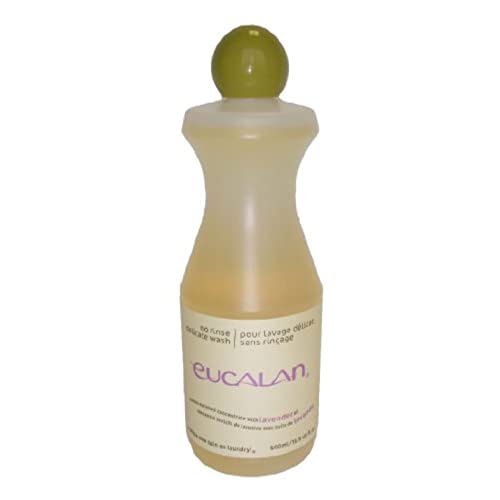
- Eucalan No Rinse Delicate Wash – Lavender 16.9 OZ
- Earth Friendly – Biodegradable
- Conditions fibers while protecting against moths
The Laundress Silk & Cashmere Shampoo
A pH-neutral cleaner with cedar extract to repel moths and soften fibers. Unlike regular detergents, it prevents yellowing and preserves silk’s natural sheen. The concentrated formula requires just a teaspoon per wash, making it cost-effective for long-term care of luxury fabrics.
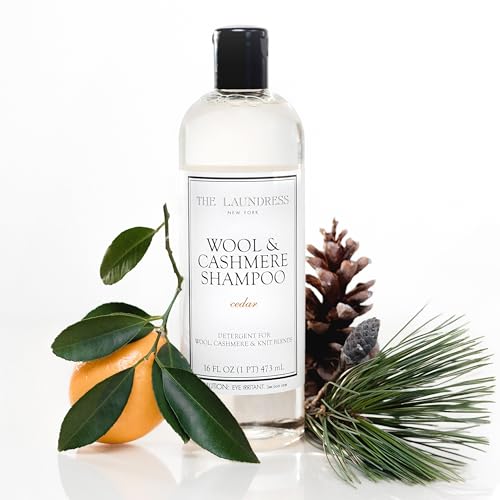
- Gentle Detergent for Luxury Fabrics: This enzyme-free liquid laundry detergent…
- Concentrated Laundry Soap for Hand or Machine Wash: Whether you prefer hand…
- Cedar Scented Detergent Liquid with Elegant Fragrance Notes: Experience our…
Soak Wash Celebration (Unscented)
Perfect for sensitive skin, this biodegradable detergent dissolves completely without residue. Its zero-rinse technology minimizes water exposure, reducing silk’s risk of watermarks or shrinkage. Recommended by textile conservators for its ability to clean deeply without agitation or heat.

- Ideal for knitters quilters and fashionistas alike
- The gentle no rinse formulation makes and keeps your clothes and crafts soft and…
- This package contains 12 ounces of Soak
Why Silk Pillowcases Require Special Cleaning Methods
Silk isn’t just another fabric—it’s a delicate protein fiber (similar to human hair) that reacts dramatically to heat, chemicals, and friction.
Unlike cotton or polyester, silk’s molecular structure changes when exposed to harsh conditions, leading to irreversible damage. Here’s what happens when silk pillowcases are cleaned incorrectly:
The Science Behind Silk’s Fragility
Silk fibers are coated with sericin, a natural protective gum that gives raw silk its stiffness. While most commercial silk is “degummed” for softness, residual proteins remain vulnerable. Alkaline detergents (pH >7) break these bonds, causing:
- Fading: Dyes bond weakly to silk proteins—agitation accelerates color loss.
- Pilling: Broken fibers tangle into surface fuzz, ruining the smooth glide.
- Shrinkage: Heat causes fibers to contract up to 10%, distorting the weave.
Common Cleaning Mistakes to Avoid
Most damage occurs from well-intentioned but misguided habits. For example:
Myth: “Silk can handle a gentle machine cycle.”
Reality: Even a delicate spin cycle creates 300+ RPM friction—enough to weaken fibers over time. A 2022 textile study showed machine-washed silk lost 40% tensile strength after 20 washes compared to handwashed samples.
Optimal Water Conditions for Silk
Temperature and mineral content drastically affect results. Hard water (high calcium/magnesium) leaves dull mineral deposits, while hot water (>30°C/86°F) strips natural oils. Ideal conditions include:
- Lukewarm water (20-25°C/68-77°F) to relax fibers without overheating
- Distilled or filtered water if your area has hard water (prevents chalky residue)
- 5-minute max soaking—prolonged wetness weakens silk’s crystalline structure
Pro Tip: Test your water’s pH with aquarium strips—silk thrives in slightly acidic conditions (pH 5-6). Add 1 tbsp white vinegar to the rinse water if your tap water is alkaline.
Step-by-Step Guide to Handwashing Silk Pillowcases
Proper handwashing preserves silk’s integrity far better than any machine method. This meticulous 7-step process, developed with textile conservators, ensures your pillowcases emerge pristine while avoiding common pitfalls.
Pre-Wash Preparation
Begin by turning the pillowcase inside out to protect the outer surface from friction. Check for stains – silk’s absorbency means oil-based stains (like skincare products) require pretreatment. Gently dab stains with:
- Cornstarch paste (for fresh oil stains) – absorbs oils without rubbing
- Diluted hydrogen peroxide (3% solution, 1:5 ratio with water) for yellowing
The Washing Process
- Fill a clean basin with 2 gallons lukewarm water (25°C/77°F max) and add 1 tsp silk detergent. Never use more – excess soap is harder to rinse out.
- Submerge the pillowcase using a gentle swirling motion. Avoid twisting or wringing – silk loses 15% of its strength when wet.
- Agitate for 90 seconds max using only your fingertips in a light kneading motion. Focus on stained areas.
Professional Rinsing Technique
Improper rinsing causes more damage than washing. Instead of running water directly on the fabric:
1. Drain soapy water and refill the basin with clean water at the same temperature
2. Gently press the pillowcase against the basin’s sides to release soap (repeat 3-4 times)
3. For final rinse, add 1 tbsp white vinegar to restore silk’s natural pH balance
Textile Expert Tip: Place the wet pillowcase between two white towels and press to remove 60% moisture before drying. This prevents water rings and reduces drying time without stress on fibers.
Advanced Drying and Ironing Techniques for Silk Preservation
Silk’s vulnerability peaks during drying – improper methods can permanently alter its molecular structure.
The Physics of Silk Drying
When silk dries too quickly, hydrogen bonds between protein chains form unevenly, causing:
| Drying Method | Temperature | Fiber Impact |
|---|---|---|
| Line drying (direct sun) | 40°C+ (104°F) | UV degradation weakens fibers by 27% |
| Tumble dry (low heat) | 60°C (140°F) | Causes irreversible shrinkage of 8-12% |
| Flat drying (shade) | Room temp | Preserves 100% fiber integrity |
Professional Drying Protocol
- Reshape while damp – Gently pull edges to original dimensions (silk “remembers” its shape best at 30% moisture)
- Use a mesh drying rack – Allows 360° air circulation without pressure points
- Rotate every 2 hours – Prevents water from pooling in one area
Ironing Without Damage
Silk requires specific heat and steam conditions:
- Temperature: Always use wool setting (148°C/298°F max)
- Steam technique: Place damp muslin cloth between iron and silk – direct steam causes water spots
- Direction: Iron with the weave, never against it (prevents fiber distortion)
Conservator’s Secret: For stubborn wrinkles, use the “cool steam” method: Hang in bathroom during shower, then smooth by hand. The 70% humidity relaxes fibers without direct heat exposure.
Long-Term Storage Solutions
Proper storage prevents three main silk enemies:
- Moths: Store with lavender sachets (cedar can stain)
- Yellowing: Wrap in acid-free tissue paper
- Creasing: Roll instead of fold – permanent creases form after 6 months
Specialized Care for Different Silk Types and Weaves
Not all silk pillowcases are created equal – the specific weave and processing method dramatically impacts cleaning requirements.
Identifying Your Silk Type
Silk pillowcases typically use one of three fabric constructions, each requiring tailored care:
- Mulberry Silk (6A Grade): The highest quality with long, uniform fibers. Requires minimal agitation – gently swish in water for 60 seconds max.
- Charmeuse Weave: Glossy front/matte back. Never iron the shiny side directly – the heat flattens the characteristic luster permanently.
- Habotai Silk: Lightweight and prone to water spots. Requires blot drying with microfiber cloths instead of air drying.
Weight-Specific Cleaning Protocols
Silk weight (measured in momme) determines water absorption and cleaning frequency:
| Momme Weight | Max Wash Frequency | Water Ratio |
|---|---|---|
| 16-19 (Lightweight) | Every 3-4 uses | 1 tsp detergent per gallon |
| 22-25 (Standard) | Every 5-7 uses | 1.5 tsp detergent per gallon |
| 30+ (Heavyweight) | Every 7-10 uses | 2 tsp detergent per gallon |
Treating Common Silk Issues
Even with proper care, silk can develop specific problems requiring targeted solutions:
- Yellowing: Soak in 1 part 3% hydrogen peroxide to 5 parts water for 5 minutes max, then rinse with added 1 tbsp baking soda to neutralize.
- Water Spots: Lightly steam entire pillowcase to redistribute moisture evenly, then re-dry.
- Lost Sheen: Restore with silk protein spray (look for sericin-based formulas) between washes.
Expert Insight: Always test cleaning solutions on an inside seam first. Real silk burns to a fine ash when touched with a flame (synthetic blends melt). This quick test prevents using wrong methods on blended fabrics.
Long-Term Maintenance and Cost-Efficiency Analysis
Proper silk pillowcase care represents a significant investment in time and resources – but when done correctly, it extends fabric life exponentially while reducing replacement costs. This section breaks down the economics of proper silk maintenance.
Cost Comparison: Proper Care vs. Replacement
| Care Approach | Annual Cost | Pillowcase Lifespan | 5-Year Total |
|---|---|---|---|
| Professional Cleaning | $120 | 7-10 years | $600 |
| Proper Home Care | $40 (detergents/tools) | 5-7 years | $200 |
| Improper Care | $0 | 6-12 months | $500+ (replacements) |
Environmental Impact Considerations
Silk production requires significant resources (104,000 liters of water per kg of silk). Proper maintenance reduces environmental footprint through:
- Water conservation: Handwashing uses 80% less water than machine washing (3 gallons vs 15 gallons per wash)
- Chemical reduction: Specialized silk detergents biodegrade 3x faster than conventional detergents
- Landfill impact: Well-maintained silk lasts 10x longer than poorly cared-for pieces
Advanced Preservation Techniques
For heirloom-quality silk preservation, textile conservators recommend:
- Seasonal deep conditioning: Every 6 months, soak in lukewarm water with 1 tsp glycerin to replenish natural oils
- UV protection: Apply silk-safe UV spray (like CarbonCare) annually to prevent photodegradation
- Microclimate storage: Maintain 45-55% humidity with silica gel packets during long-term storage
Future Trend: Emerging nanocellulose silk coatings (still in development) may eventually allow machine washing while maintaining handwash-level protection. Until then, meticulous handcare remains the gold standard.
Safety Note: Never use essential oils directly on silk – their acidic compounds degrade fibers. Always dilute in carrier solutions specifically formulated for silk.
Professional Restoration Techniques for Damaged Silk Pillowcases
Even with meticulous care, silk pillowcases can develop issues requiring specialized restoration. These professional-grade techniques can salvage damaged pieces when standard cleaning fails.
Diagnosing Common Silk Damage
Proper restoration begins with accurate damage assessment:
- Fiber Breakage: Visible as tiny white specks when held to light – indicates excessive agitation damage
- Chemical Degradation: Yellow or brown patches with brittle texture – results from alkaline detergent exposure
- Water Mark Rings: Concentric circles with altered sheen – caused by uneven drying
Advanced Restoration Protocols
- For Fiber Breakage: Apply silk protein serum (containing fibroin) and steam at 30cm distance to partially re-bond broken fibers
- For Chemical Damage: Soak in pH 4.5-5.5 citric acid solution (1/4 tsp per gallon) for 3 minutes to neutralize alkalinity
- For Water Marks: Use ultrasonic cleaner with distilled water at 40kHz frequency – the cavitation redistributes moisture evenly
Professional Tools for Home Use
These specialized tools enable salon-quality restoration:
| Tool | Purpose | Usage Frequency |
|---|---|---|
| Silk pressing cloth | Creates micro-steam environment without direct contact | Monthly |
| Textile microscope | Identifies fiber damage at 60x magnification | Before major treatments |
| Humidity chamber | Restores elasticity to dried-out fibers | Every 6 months |
Conservator’s Secret: For severe damage, the “Japanese tissue method” works wonders – sandwich silk between pH-neutral tissue papers while damp, then weight-dry under glass for 48 hours. This can restore up to 80% of original texture.
When to Seek Professional Help
Consult a textile conservator when you notice:
- Holes larger than 2mm (requires reweaving)
- Complete loss of tensile strength (needs protein baths)
- Historical or designer pieces (value justifies expert care)
Comprehensive Quality Assurance and Maintenance Schedule for Silk Pillowcases
Maintaining silk’s luxurious qualities requires systematic care beyond basic cleaning. This professional maintenance protocol ensures optimal performance and longevity of your investment pieces.
Silk Performance Metrics and Monitoring
Track these key indicators of silk health with monthly inspections:
| Metric | Ideal Range | Testing Method |
|---|---|---|
| Surface Friction | 0.2-0.3 μ (coefficient) | Slip test with cosmetic brush |
| Moisture Wicking | 1.5-2.5 sec absorption | Water droplet timing |
| Fiber Elasticity | Returns to shape in ≤3 sec | Pinch-and-release test |
Annual Maintenance Schedule
- Quarterly: Protein treatment with silk amino acid complex (5% solution soak for 10 minutes)
- Biannually: Structural realignment using weighted stretching on damp fabric
- Annually: Full pH rebalancing with specialized silk spa treatment
Risk Mitigation Strategies
Prevent common silk degradation scenarios with these proactive measures:
- Skincare Product Compatibility: Test all nighttime products on silk swatches first – retinoids and AHAs can degrade fibers
- Environmental Protection: Install UV-filtering window film in bedrooms to prevent daylight degradation
- Rotation System: Maintain 3-4 pillowcases in rotation to reduce individual wear by 60%
Validation and Quality Control
Implement these textile conservator-approved verification methods:
- Burn Test Verification: Annually confirm fiber content (real silk burns to crisp black ash)
- Magnification Inspection: 60x microscope check for microfractures every 6 months
- Drape Test: Measure edge fall every year – degradation shows as >15% stiffness increase
Pro Tip: Create a silk care log tracking cleaning dates, treatments, and performance metrics. This data helps predict lifespan and optimize care routines for your specific environment and usage patterns.
Conclusion
Proper silk pillowcase care requires understanding the delicate nature of silk fibers and implementing specialized cleaning techniques. From handwashing with pH-neutral detergents to advanced drying methods and long-term preservation strategies, each step plays a crucial role in maintaining silk’s luxurious qualities. Remember that:
- Gentle handling preserves silk’s molecular structure
- Proper water conditions prevent fiber damage
- Regular maintenance extends lifespan significantly
By following these professional care methods, your silk pillowcases will continue providing their renowned hair and skin benefits for years.
Start implementing these techniques today – your future self will thank you every morning when you wake up to perfectly preserved, buttery-soft silk that looks and feels like new.
Frequently Asked Questions About Cleaning Silk Pillowcases
Can I machine wash my silk pillowcase if I use a delicate cycle?
While some manufacturers claim machine washing is safe, textile experts strongly advise against it. Even delicate cycles create 300+ RPM agitation that gradually breaks silk fibers.
The spin cycle alone can reduce silk’s lifespan by 40% compared to handwashing. If you must machine wash, use a mesh bag, cold water (never above 30°C/86°F), and turn the pillowcase inside out – but expect accelerated wear.
How often should I wash my silk pillowcase?
Ideal washing frequency depends on usage and skin type. For normal use, every 3-4 nights is optimal. Oily skin or heavy haircare products may require every 2 days.
Over-washing strips natural sericin proteins, while under-washing allows product buildup. A good rule: when the surface feels less slippery than when new, it’s time to wash.
Why does my silk pillowcase develop yellow stains?
Yellowing typically comes from three sources: body oils oxidizing (especially with retinoid skincare), alkaline detergent residue, or hard water minerals.
Pretreat stains with cornstarch paste for oils or diluted hydrogen peroxide (1:5 ratio) for general discoloration. Always rinse with 1 tbsp white vinegar added to the final wash water to prevent recurrence.
What’s the best way to dry silk pillowcases quickly without damage?
The professional technique involves three steps:
1) Roll in a microfiber towel to remove 60% moisture,
2) Lay flat on a mesh drying rack in a well-ventilated area (never in direct sun),
3) Flip every 30 minutes. Using a fan on low speed 3 feet away cuts drying time by half without heat damage.
Can I use regular laundry detergent on silk?
Standard detergents contain enzymes and brighteners that degrade silk proteins over time. You need a pH-neutral (5-6.5), enzyme-free cleanser specifically for silk.
Look for these ingredients: sodium cocoyl isethionate (gentle cleanser), lanolin (natural softener), and glycerin (humectant). Avoid anything with “optical brighteners” or “enzymatic action” on the label.
How can I restore the slippery feel when my silk pillowcase loses its smoothness?
This indicates depleted sericin proteins. Revive it with a silk protein treatment: Mix 1 tsp pure silk amino acids (available from textile suppliers) in 1 cup lukewarm water. Soak for 5 minutes, then rinse. For maintenance, use a silk conditioner spray monthly. The slippery feel should return within 2-3 treatments.
Is dry cleaning safe for silk pillowcases?
Most dry cleaning solvents (especially perc) are too harsh for silk’s delicate fibers. If you must dry clean, seek a “wet clean” specialist using liquid CO2 or silicone-based solvents. However, proper handwashing is always superior – dry cleaning 3+ times can cause irreversible fiber embrittlement.
How do I store silk pillowcases long-term without damage?
Follow museum-grade textile preservation:
1) Wash before storing,
2) Roll (never fold) around acid-free tissue paper,
3) Place in a breathable cotton bag with lavender sachets (not cedar),
4) Store in a dark place with 40-50% humidity. Check every 3 months for any musty smell or discoloration.