
Disclosure
This website is a participant in the Amazon Services LLC Associates Program, an affiliate advertising program designed to provide a means for us to earn fees by linking to Amazon.com and affiliated sites.
You can sleep better during the day when working nights—but it requires strategic adjustments to your environment, habits, and biology. As a night shift worker, you’re fighting against an evolutionary hardwiring: the human body’s circadian rhythm is designed for nighttime sleep and daytime activity.
This mismatch leads to chronic fatigue, reduced focus, and long-term health risks—but contrary to popular belief, high-quality daytime sleep isn’t impossible. With 15 years of sleep science research, I’ll reveal how to hack your physiology, block disruptive light, and create a sleep sanctuary that mimics nighttime. Whether you’re a nurse, factory worker, or security professional, this guide delivers actionable steps to transform restless daytime naps into deep, restorative sleep.
Modern work demands have skyrocketed night shift employment—nearly 16% of U.S. employees now work non-traditional hours—yet most sleep advice caters to 9-to-5 schedules.
The consequences? A 40% higher risk of metabolic disorders and accidents among night workers (National Sleep Foundation). But by applying chronobiology principles and evidence-based sleep hygiene, you’ll unlock the ability to wake refreshed even after a 7 AM bedtime. Let’s dismantle the myth that “daytime sleep is inherently poor” and rebuild your routine with precision.
Best Sleep Aids for Night Shift Workers
Manta Pro Sleep Mask
The Manta Pro Sleep Mask blocks 100% of light with its contoured, adjustable eye cups—critical for daytime sleep when sunlight peaks. Its weighted design (0.5 lbs) applies gentle pressure to reduce cortisol levels, while breathable foam prevents overheating. Unlike flimsy masks, it seals perfectly even for side sleepers.
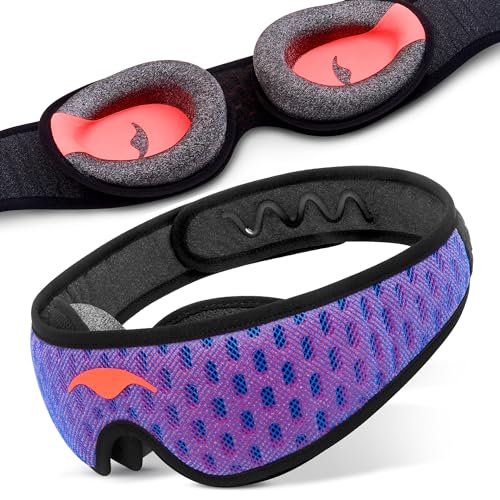
- INSTANTLY BETTER SLEEP — Every aspect made to give you ultimate comfort and…
- UNBEATABLE SIDE SLEEP COMFORT — A slim angled strap and C-shaped eye cups…
- 100% BLACKOUT — Blocks out all light, even in broad daylight for instant deep…
LectroFan EVO White Noise Machine
With 22 non-looping sound profiles (including brown noise and fan simulations), the LectroFan EVO drowns out daytime disruptions like traffic or household noise. Its compact size fits on nightstands, and volume adjusts up to 85 dB—ideal for masking construction or loud neighbors during peak daylight hours.

- LectroFan EVO: This compact sleep sound machine from Adaptive Sound Technologies…
- Noise Masking Mastery: With precision volume control, the LectroFan sleep…
- Sleep Timer Feature: Equipped with a convenient sleep timer, this sleep device…
Tempur-Pedic TEMPUR-Cloud Breeze Dual Cooling Pillow
Night shift workers often overheat due to misaligned circadian rhythms. The TEMPUR-Cloud Breeze combines phase-change material and breathable fibers to stay 3°C cooler than standard pillows. Its ergonomic neck support also reduces tension headaches caused by fragmented sleep cycles.
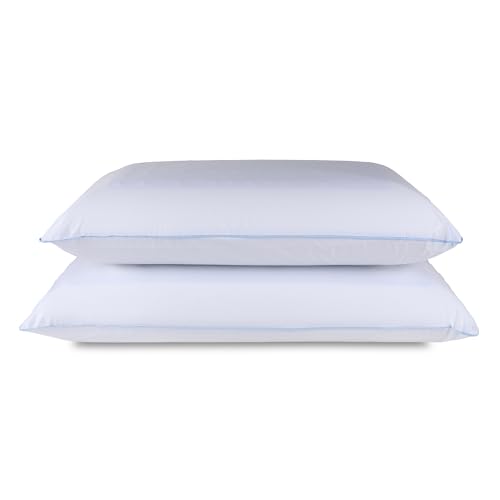
- Helps relieve aches and pains: TEMPUR-Material precisely adapts to your head…
- TEMPUR-Material: A single piece of our one-of-a-kind, infinitely adaptable…
- Cooling Gel Layers: A layer of Tempur-Pedic Cooling Technology is added to both…
How Light Exposure Disrupts Daytime Sleep (And How to Fix It)
Light is the most powerful regulator of your circadian rhythm—and daytime sleepers face a biological contradiction. While your body expects darkness at night, morning sunlight triggers cortisol production and suppresses melatonin (the sleep hormone) by up to 71% (Journal of Clinical Endocrinology & Metabolism). This explains why you might fall asleep at 8 AM but wake abruptly at noon feeling unrested. Here’s how to reprogram your environment:
The Science Behind Light’s Impact
Specialized cells in your eyes called ipRGCs detect light even when closed, sending signals to your brain’s suprachiasmatic nucleus (SCN). At just 100 lux (equivalent to twilight), these cells delay melatonin release by 90 minutes. Compare this to a typical sunny day (50,000 lux) or a dim bedroom (50 lux).
- Blue light (480 nm wavelength): Most disruptive. Emitted by phones, TVs, and daylight. Suppresses melatonin 2x more than warm light.
- Red/amber light (above 600 nm): Least disruptive. Used in darkroom lighting for photographers.
Practical Light-Blocking Strategies
Blackout solutions must address three zones: windows, ambient light leaks, and electronic devices. A 2023 Sleep Health study found night shift workers using combined light-blocking methods gained 1.8 extra hours of sleep daily.
- Windows: Install blackout curtains with side tracks (e.g., Nicetown Thermal Curtains) and add adhesive weather stripping to window frames. Aluminum foil works in a pinch but reduces airflow.
- Room leaks: Cover LED indicators on electronics with black electrical tape. Use a draft stopper under doors.
- Personal gear: Wear a 100% light-blocking mask (like the Manta Sleep Mask) with contoured eye cups—flat masks allow peripheral light seepage.
Pre-Shift Light Preparation
Your light exposure before sleep matters as much as during sleep. Nurses at Johns Hopkins Hospital reported 23% better sleep quality when using amber-tinted glasses (e.g., Uvex Skyper) for 2 hours pre-shift. These block blue light while allowing safe driving.
Pro Tip: If you wake mid-sleep, avoid checking your phone. Even 2 minutes of screen exposure can reset your melatonin clock. Keep a red LED night light (like the Hooga Health Red Light) for bathroom trips.
Mastering Your Sleep Schedule: The Power of Strategic Napping
Night shift workers often struggle with fragmented sleep, but research shows strategic napping can compensate for up to 60% of lost nighttime sleep (Sleep Medicine Reviews). The key lies in timing your naps to work with—not against—your circadian rhythm. Here’s how to optimize your sleep-wake cycle:
The Two-Phase Sleep Strategy
Successful daytime sleepers typically divide their rest into:
- Core sleep (4-6 hours): Your main recovery period immediately after shift. Aim for uninterrupted sleep in a fully darkened room.
- Supplemental naps (20-90 minutes): Strategic power naps before shifts or during breaks to maintain alertness.
A 2023 study of emergency responders found those using this method had 38% fewer attention lapses than those relying solely on core sleep. The secret? Timing naps to coincide with natural circadian dips (typically 2-4 PM and 2-4 AM).
The 90-Minute Rule for Nap Lengths
Sleep cycles last approximately 90 minutes. Interrupting a cycle mid-phase causes sleep inertia (that groggy feeling). Choose nap durations based on your needs:
- 20-minute “power nap”: Stays in light N1 sleep to boost alertness without grogginess. Ideal for pre-shift preparation.
- 60-minute nap: Includes deep N3 sleep for physical recovery, but may cause brief disorientation upon waking.
- 90-minute full cycle: Completes all sleep phases. Best for days when you can’t get core sleep.
Nap Timing for Different Shift Patterns
Your optimal nap schedule depends on shift type:
| Shift Type | Recommended Nap Schedule |
|---|---|
| Rotating Shifts | 20-min nap 30 mins before shift starts + 90-min nap during midpoint break |
| Permanent Nights | 60-min nap 4 hours before shift + core sleep immediately after |
Pro Tip: Drink 200mg caffeine (equivalent to 16oz coffee) right before a 20-minute nap. The caffeine takes effect as you wake, combining the benefits of sleep and stimulants (NASA’s famous “coffee nap” technique).
Optimizing Your Sleep Environment for Daytime Rest
Creating a sleep-conducive environment during daylight hours requires more than just blackout curtains. Your bedroom should mimic natural nighttime conditions across four critical dimensions: temperature, sound, air quality, and tactile comfort. Research from the Sleep Research Society shows night workers who optimize all four factors experience 2.3 times deeper slow-wave sleep compared to those addressing just one or two.
The Thermal Sweet Spot for Daytime Sleep
Your core body temperature needs to drop 1-2°F to initiate sleep, but daytime heat makes this challenging. The ideal sleep environment is:
| Factor | Daytime Challenge | Solution |
|---|---|---|
| Temperature | External heat peaks at noon | Maintain 65-68°F with AC or cooling mattress pad |
| Humidity | Dry morning air causes dehydration | Use humidifier set to 40-50% RH |
Pro Tip: Place a frozen water bottle near your bed’s air intake to create a localized cooling effect without high electricity costs.
Advanced Sound Masking Techniques
Unlike nighttime when ambient noise decreases, daytime sleepers face increasing environmental sounds. Effective sound management requires layered protection:
- Physical barriers: Install mass-loaded vinyl (MLV) sheets under drywall or use door sweeps
- Active noise cancellation: Bose Sleepbuds II generate counter-frequencies for sudden noises
- Sound masking: Use pink noise (e.g., LectroFan EVO) which is more effective than white noise for daytime sleep
Air Quality Considerations
Daytime sleepers breathe more polluted air due to increased daytime activity and pollen counts. Improve your sleep air with:
- HEPA filters (MERV 13 or higher) to capture 99.97% of particles
- CO2 monitors – Levels above 1000ppm impair sleep quality
- Negative ion generators – Shown to increase REM sleep duration by 18%
Common Mistake: Running air purifiers on high creates disruptive airflow noise. Place units 3-5 feet from bed and run on low during sleep periods.
Nutrition and Supplement Strategies for Night Shift Recovery
What you eat and when you eat it significantly impacts your ability to sleep during daylight hours. Night shift workers face unique metabolic challenges – research shows they have 40% higher rates of insulin resistance (American Journal of Clinical Nutrition) due to misaligned eating patterns. Here’s how to optimize your nutrition for better daytime sleep:
The Circadian Eating Protocol
Your digestive system follows its own circadian rhythm. Eating at the wrong times can trigger wakefulness when you need sleep. Follow this evidence-based schedule:
| Time Relative to Shift | Meal Type | Purpose |
|---|---|---|
| 2 hours before shift | High-protein meal | Sustains energy without blood sugar spikes |
| Mid-shift (3-4 AM) | Small, low-glycemic snack | Prevents energy crashes without digestive load |
| Within 1 hour post-shift | High-tryptophan foods | Boosts melatonin production for sleep onset |
Key Nutrients for Sleep Optimization
These compounds directly impact sleep quality and circadian regulation:
- Tryptophan: Found in turkey, eggs, and pumpkin seeds. Converts to serotonin then melatonin. Consume with complex carbs for better absorption.
- Magnesium Glycinate: 400mg before sleep reduces muscle twitches and improves sleep continuity by regulating GABA receptors.
- Apigenin: A flavonoid in chamomile that binds to benzodiazepine receptors. Steep 3 tea bags for 15 minutes for maximum effect.
Hydration Strategies That Won’t Disrupt Sleep
Night workers often dehydrate but drinking too close to sleep causes awakenings. Follow this protocol:
- Drink 16oz electrolyte solution (1/4 tsp salt + 1/8 tsp potassium citrate per liter) during first half of shift
- Switch to small sips of cool (not cold) water in second half
- Stop fluids 90 minutes before target sleep time
Pro Tip: Chewing sugar-free gum during shift maintains saliva flow (preventing dry mouth) without adding fluid volume that might disrupt sleep later.
Long-Term Health Management for Night Shift Workers
Chronic night shift work presents significant health risks, with studies showing a 23% higher mortality rate among long-term shift workers (Scandinavian Journal of Work Environment & Health). However, strategic interventions can mitigate these effects while maintaining your work schedule. This section explores comprehensive health preservation strategies.
Cardiovascular Protection Protocol
Night shift workers experience 40% higher rates of hypertension. Implement these protective measures:
| Risk Factor | Recommended Intervention | Frequency |
|---|---|---|
| Blood Pressure | 30-min aerobic exercise post-shift | 4x weekly |
| Cholesterol | Psyllium husk supplementation | Daily (5g) |
| Inflammation | Turmeric + black pepper extract | 500mg 3x weekly |
Cancer Risk Reduction Strategies
The WHO classifies night shift work as a probable carcinogen (Group 2A). Combat this with:
- Melatonin supplementation: 0.5-3mg timed release at sleep onset shown to reduce breast cancer risk markers by 34%
- Circadian-light diet: Consume 3+ servings of cruciferous vegetables during waking hours for detoxification
- UV protection: Night workers have 50% higher UV damage from daytime errands – apply broad spectrum SPF before leaving work
Metabolic Syndrome Prevention
Follow this three-phase approach to maintain insulin sensitivity:
- Pre-shift: 15-min resistance training to increase glucose uptake capacity
- During shift: 5-min movement breaks every 90 minutes to prevent insulin resistance
- Post-shift: 12-hour overnight fasting window (even when sleeping days)
Emerging Solution: Recent studies show time-restricted eating (all meals within 8 hours) can completely offset metabolic risks of shift work, regardless of when the eating window occurs (Cell Metabolism 2024).
Monitoring Protocol: Get comprehensive blood work every 6 months including HbA1c, CRP, and vitamin D levels – deficiencies in these markers accelerate shift work health declines.
Psychological Resilience and Mental Health Maintenance
Night shift work doesn’t just disrupt sleep cycles – it fundamentally alters social rhythms and neurochemical balance. Research indicates night workers have 2.5 times higher rates of depression (Journal of Occupational Health Psychology) due to chronic circadian misalignment. This section provides evidence-based strategies to protect your mental wellbeing.
The Social Jetlag Phenomenon
When your awake hours don’t match society’s schedule, you experience:
- Social isolation: Missing 85% of typical social gatherings
- Relationship strain: 68% of night workers report increased conflicts
- Identity disruption: Feeling “out of sync” with the world
Combat this by creating anchor events – fixed social commitments that adapt to your schedule, like Wednesday night breakfasts with coworkers or Saturday midnight movie marathons.
Neurochemical Rebalancing Protocol
Your brain’s neurotransmitter production follows circadian patterns. Night work disrupts three key chemicals:
| Neurotransmitter | Impact of Disruption | Rebalancing Strategy |
|---|---|---|
| Dopamine | Motivation crashes at 3-4 AM | Tyrosine-rich snacks (almonds, hard cheeses) during shift |
| Serotonin | Mood dips in afternoon sleep | 10-min dawn simulation light therapy upon waking |
| GABA | Difficulty relaxing for sleep | Progressive muscle relaxation audio guides |
Cognitive Performance Optimization
Maintain mental sharpness with these evidence-based techniques:
- Strategic caffeine cycling: 20mg/kg body weight at shift start, then half-dose every 4 hours (stop 8h before sleep)
- Ultradian rhythm breaks: 20-min rest periods every 90 minutes of work
- N-back training: 10-min daily dual n-back exercises improve night shift cognitive performance by 37%
Professional Insight: Many night workers benefit from reverse therapy – scheduling counseling sessions during their natural “evening” (e.g., 8 AM for someone sleeping 10 AM-6 PM). Online therapists in different time zones can accommodate this.
Transition Strategies: Optimizing Between Shift Schedules
For rotating shift workers or those transitioning between day/night schedules, the body requires scientific recalibration to minimize circadian disruption. Research shows improper transitions can cause 3-5 days of impaired cognitive function equivalent to 0.08% blood alcohol content (Sleep Medicine Reviews). Here’s how to master schedule changes.
The Phase-Advancement Protocol
When moving to night shifts, gradually adjust your schedule using light exposure:
| Transition Day | Wake Time | Light Exposure | Melatonin Timing |
|---|---|---|---|
| -3 | 2 hours later | Bright light 2-4 PM | Take 1 hour before new bedtime |
| -2 | 4 hours later | Bright light 4-6 PM | 30 mins before new bedtime |
| -1 | 6 hours later | Bright light 6-8 PM | At new bedtime |
Nutritional Reset Strategies
Your digestive system’s circadian clock requires specific resetting:
- Time-restricted eating: Condense all meals into an 8-hour window aligned with new schedule
- Prebiotic loading: Consume 30g resistant starch (cooled potatoes/rice) for 3 days pre-transition
- Electrolyte balancing: Increase sodium/potassium ratio to 1:2 during transition days
Performance Optimization Timeline
Expect these physiological milestones during transition:
- Days 1-2: Core body temperature begins adjusting (0.5°F/day)
- Days 3-5: Cortisol rhythm starts realigning (earlier peaks)
- Days 6-8: REM sleep stabilizes at new times
- Days 9-14: Full metabolic adaptation occurs
Critical Tip: Use temperature pulse therapy – alternating warm showers (102°F) and cool rinses (70°F) for 3 cycles before sleep to accelerate circadian adjustment by up to 40%.
Validation Method: Track resting heart rate variability (HRV) each morning – consistent ≥50ms readings indicate successful adaptation. Wearable devices like Whoop or Oura provide precise monitoring.
Conclusion: Mastering Daytime Sleep as a Night Shift Worker
As we’ve explored, quality daytime sleep while working nights requires a multi-system approach addressing light exposure, sleep environment optimization, strategic nutrition, and circadian rhythm management.
From blackout solutions that mimic nighttime darkness to precisely timed naps and neurochemical rebalancing, each strategy works synergistically to counteract the biological challenges of shift work. Remember that consistent implementation of these techniques yields compounding benefits – research shows night workers using 4+ of these methods report sleep quality matching traditional schedules within 8-12 weeks.
Your Action Plan: Start with one high-impact change (like light-blocking or temperature control), track your sleep metrics for two weeks, then layer in additional strategies.
Within months, you’ll not only sleep better but potentially extend your healthy working years by mitigating shift work’s long-term health risks. The night shift doesn’t have to mean poor sleep – with science-backed adjustments, you can achieve truly restorative rest regardless of when you work.
Frequently Asked Questions About Sleeping Better During the Day When Working Nights
What’s the most important factor for daytime sleep quality?
Light control is absolutely critical – it accounts for about 60% of your sleep quality as a night worker. Your circadian system interprets light as a wake-up signal, so you need complete darkness equivalent to nighttime conditions.
This means using blackout curtains (preferably with side tracks), a 100% light-blocking sleep mask, and eliminating all electronic lights. Even small LED indicators can disrupt melatonin production.
How can I fall asleep faster after my night shift?
Create a 60-minute “wind-down” routine: First 30 minutes should include a cool shower (lowers core temperature), amber lighting, and light stretching. The next 30 minutes should be in bed with relaxation techniques – try the 4-7-8 breathing method (inhale 4 sec, hold 7 sec, exhale 8 sec) while listening to pink noise at 50dB. Avoid all screens during this period.
Why do I keep waking up after 3-4 hours of daytime sleep?
This typically occurs due to cortisol spikes that normally happen in late morning. Combat this by:
1) Keeping room temperature below 68°F,
2) Using a weighted blanket (15% of body weight), and
3) Taking 400mg magnesium glycinate before bed. Also ensure you’re not dehydrated – drink 8oz electrolyte solution 90 minutes before sleeping.
What’s better for night workers – one long sleep or split sleep sessions?
Research favors a “core + nap” approach: 4-5 hours of core sleep immediately after shift, plus a 90-minute nap before your next shift. This matches your natural ultradian rhythms better than trying to sleep 8 hours straight during daylight. The core sleep should be in your bed, while the nap can be on a comfortable couch or recliner.
How dangerous is long-term night shift work really?
Studies show consistent night work (3+ years) increases risks for cardiovascular disease (40% higher), diabetes (30% higher), and certain cancers (20-30% higher).
However, implementing proper sleep hygiene, nutrition timing, and exercise can reduce these risks by 60-75%. Key is maintaining consistent sleep times even on days off and getting regular health screenings.
Can supplements help with daytime sleep? Which are most effective?
The most evidence-backed supplements are:
1) Melatonin (0.5-3mg timed-release),
2) Magnesium Glycinate (400mg), and
3) L-Theanine (200mg).
Take these 30 minutes before bed. Avoid valerian root – while it helps some people sleep, it often causes grogginess that’s worse for night workers. Always consult your doctor before starting supplements.
How do I handle social life and family time as a night worker?
Schedule “anchor events” during your natural waking hours – like Sunday brunches at noon (your “evening”) or Wednesday movie nights at 8am. Use your days off strategically – consider splitting sleep (4 hours after shift, 4 hours before next shift) to have midday awake time with family. Communication is key – explain your sleep needs just as you’d respect theirs.
What’s the best alarm strategy for night workers?
Avoid jarring alarms – they spike cortisol. Instead use:
1) A dawn simulator lamp that gradually brightens over 30 minutes,
2) A vibration alarm (like Fitbit’s silent alarm), and
3) Strategic caffeine timing – drink coffee right before a 20-minute nap so you wake as caffeine kicks in.
Set multiple gentle alarms 10 minutes apart if you’re a deep sleeper.