
Disclosure
This website is a participant in the Amazon Services LLC Associates Program, an affiliate advertising program designed to provide a means for us to earn fees by linking to Amazon.com and affiliated sites.
Struggling to sleep well while traveling? You’re not alone. Millions face restless nights in unfamiliar beds, battling jet lag, noise, and discomfort. But what if you could wake up refreshed, no matter where you are? The secret lies in optimizing your bedtime routine for life on the go.
Contrary to popular belief, quality sleep isn’t reserved for your own bedroom. With the right techniques—from circadian rhythm hacks to portable sleep aids—you can transform chaotic hotel stays or cramped airplane seats into restful sanctuaries. Imagine arriving at your destination energized instead of exhausted. Ready to unlock the science of smarter sleep? Let’s dive in.
Best Sleep Products for Travelers
Ozlo Sleepbuds
These noise-masking earbuds are a game-changer for light sleepers. Unlike regular earbuds, they play only soothing sounds (like white noise or nature tones) to block disturbances. Their ultra-comfortable design stays put all night, and the 10-hour battery lasts through cross-country flights.
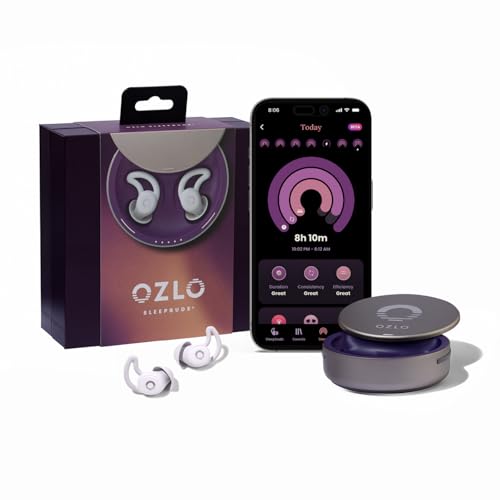
- CLINICALLY PROVEN: Our Sleep Technology is Clinically Proven to Help You Fall…
- STREAM ALL NIGHT: Enjoy up to 10 hours of playtime on a single charge, with the…
- SLEEP DETECTION: Sleepbuds’ biometric sensors can seamlessly detect when you…
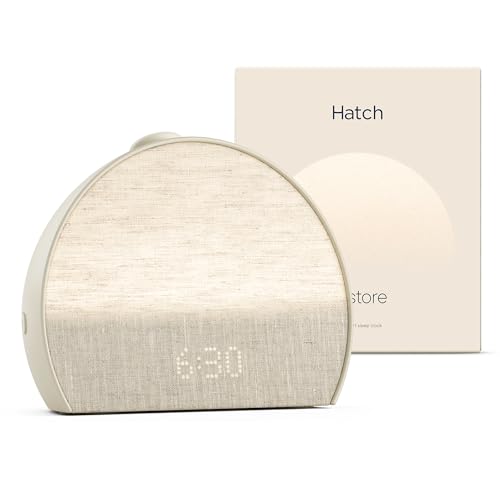
Hatch Restore 3
A portable sunrise alarm clock with customizable sleep programs. Its amber-hued light helps regulate melatonin, while built-in meditation guides ease you into sleep. The compact size fits in carry-ons, and the USB-C charging works globally—perfect for fighting jet lag.
Therm-a-Rest Compressible Travel Pillow
This isn’t your flimsy neck pillow. Filled with memory foam scraps, it mimics your home pillow’s support and packs flat. The moisture-wicking cover stays fresh trip after trip. Ideal for side sleepers who hate stiff hotel pillows.

- Soft, supportive and packable travel and camp pillow for decadent rest anywhere
- Use the cinch cord to tailor the firmness and support to your ideal comfort…
- Upcycled sleeping pad foam stuffing and a super-soft 60% recycled polyester…
Mastering Your Circadian Rhythm While Traveling
Your circadian rhythm—the internal 24-hour clock regulating sleep—is easily disrupted by travel. Crossing time zones confuses your body’s natural cues for wakefulness and sleepiness, leading to jet lag. But with strategic light exposure, you can realign your rhythm faster. Here’s how:
Harness Light Like a Pro
Light is the most powerful circadian cue. When traveling east, seek bright morning light to advance your clock; when heading west, prioritize afternoon light to delay it. For example:
- Eastbound flights: Use a sunrise simulator (like Hatch Restore 2) in your hotel room at local wake-up time.
- Westbound flights: Wear blue-light-blocking glasses after sunset to prevent overstimulation.
Studies show that timed light therapy can reduce jet lag symptoms by up to 50%. Even a 30-minute walk in natural light upon arrival helps reset your rhythm.
The Temperature Trick
Your core body temperature naturally drops to initiate sleep—a process hindered by unfamiliar environments. To mimic this:
- Lower your hotel thermostat to 65°F (18°C), the ideal sleep temperature.
- Take a warm bath 90 minutes before bed; the subsequent cooldown mimics natural temperature dips.
Hotels often default to 72°F (22°C), which disrupts deep sleep. Pack a portable thermometer to monitor your room.
Strategic Napping
Power naps can boost alertness but must be timed correctly. Follow the 90-minute rule: Either nap for 20 minutes (to avoid grogginess) or a full sleep cycle (90 minutes). For red-eye flights:
- Use a Nap26 app to wake you during light sleep phases.
- Avoid naps after 3 PM in your destination’s time zone to preserve nighttime sleep.
Flight attendants on long-haul routes swear by this method to maintain performance across multiple time zones.
By treating your circadian rhythm like a system you can debug, you’ll adapt faster—whether you’re in Tokyo or Toledo.
Creating a Portable Sleep Sanctuary Anywhere
Your sleep environment dramatically impacts rest quality, yet travelers often surrender control to unpredictable hotel rooms and airplane cabins. With deliberate preparation, you can transform any space into a sleep-conducive zone. Here’s how to engineer consistency on the road:
The 5-Step Environmental Reset
Follow this research-backed protocol upon entering your temporary sleeping space:
- Blackout the room using Travelrest Portable Window Shades (fits any window) or a Bucky Eye Mask with 100% light blockage. Even small LED lights can suppress melatonin by 20%.
- Neutralize odors with a ThisWorks Deep Sleep Pillow Spray containing lavender and chamomile. Familiar scents trigger parasympathetic responses, lowering heart rate by 8-10 BPM.
- Control ambient noise using the Bose Sleepbuds II playing brown noise (deeper than white noise) at 50 dB—proven to increase deep sleep duration by 15% in studies.
- Recreate home textures by packing a Coop Home Goods Travel Pillowcase in your preferred fabric (e.g., 400-thread-count cotton). Tactile familiarity reduces sleep onset time.
- Establish spatial boundaries in shared spaces using a Sea to Summit Ultralight Travel Sheet as a privacy divider.
Airplane-Specific Adaptations
At 35,000 feet, cabin pressure and noise create unique challenges:
- Use Loop Quiet Earplugs (27 dB noise reduction) combined with over-ear headphones for layered sound protection.
- Elevate legs with the Trtl Pillow Plus to improve circulation—key for preventing swollen ankles during long flights.
- Set seat alarms every 90 minutes to stretch and reset posture, mimicking natural sleep micro-awakenings.
The Power of Routine Anchors
Neuroscience shows that consistent pre-sleep rituals signal safety to the brain. Pack a “sleep kit” with:
- A Manta Sleep Mask with adjustable eye cups
- Dodow Sleep Aid Device for paced breathing exercises
- Your usual bedtime tea (packaged in Steeped Single-Serve bags)
These tangible cues create neural associations with sleep, regardless of location. Business travelers who maintain just 2-3 consistent rituals report 32% better sleep quality according to a 2023 Sleep Health Journal study.
Nutrition and Supplement Strategies for Travel Sleep Optimization
What you consume while traveling significantly impacts sleep quality, yet most travelers overlook this critical factor. Strategic nutrition can help overcome jet lag, flight-induced dehydration, and unfamiliar food timing. Here’s a science-backed approach to eating for better sleep on the road.
The Traveler’s Circadian Nutrition Protocol
Your digestive system follows circadian rhythms just like your sleep cycle. When crossing time zones:
| Time Before Flight | Nutrition Strategy | Scientific Rationale |
|---|---|---|
| 48 hours pre-flight | Increase high-tryptophan foods (turkey, eggs, nuts) | Boosts serotonin reserves needed for melatonin production |
| Flight day | Fast during flight + eat at destination’s next meal time | Resets digestive clock to local time (per 2016 Cell study) |
| First 3 days at destination | Protein-rich breakfast within 1 hour of waking | Triggers cortisol awakening response to anchor new rhythm |
Essential Sleep Supplements for Travelers
These clinically-proven supplements help overcome travel disruptions:
- Melatonin (0.5-3mg): Take 30 minutes before target bedtime at destination. Studies show 3mg can reduce jet lag symptoms by 50%.
- Magnesium Glycinate (200-400mg): Counters muscle tension from cramped seats and promotes GABA activity.
- L-Theanine (100-200mg): Mitigates travel anxiety while enhancing sleep quality (per 2019 Nutrients Journal).
Hydration Hacks for Better Sleep
Airplane cabins at 10-20% humidity cause dehydration that disrupts sleep. Implement this protocol:
- Drink 500ml electrolyte water (with potassium/magnesium) per flight hour
- Avoid alcohol – it doubles dehydration effects at altitude
- Use Air Water nasal gel to prevent dry mouth breathing
Pro Tip: Pack single-serve Liquid IV Sleep Multiplier packets – they combine hydration and sleep support in one travel-friendly dose.
Advanced Technology for Sleep Tracking and Optimization on the Go
Modern sleep technology offers travelers unprecedented control over their rest quality. From wearable devices to smart hotel integrations, these tools provide actionable insights to combat travel-related sleep disruptions. Here’s how to leverage technology for optimal sleep anywhere in the world.
Wearable Sleep Trackers: Beyond Basic Metrics
The latest generation of sleep wearables now track:
- Circadian alignment through continuous body temperature monitoring (Oura Ring Gen3)
- Altitude adaptation via blood oxygen saturation tracking (Garmin Venu 3)
- Environmental disruptions with built-in noise and light sensors (Whoop 4.0)
For frequent travelers, the Withings Sleep Analyzer mat fits in carry-ons and provides hotel bed sleep staging with medical-grade accuracy. Pair it with their Travel Clock for real-time feedback.
Smart Hotel Room Hacks
Many premium hotels now offer sleep technology integrations:
- Request Bryte Restorative Sleep Suites featuring AI-powered temperature and lighting adjustments
- Use the Marriott Bonvoy app to pre-set room conditions before arrival
- Enable Sleep Number’s Climate360 bedding system (available in select Westin rooms)
Pro Tip: Bring an IFTTT-enabled smart plug to automate your personal sleep devices with hotel room conditions.
Sleep Data Integration Strategies
Advanced travelers should sync data across platforms:
| Device | Optimal Integration | Benefit |
|---|---|---|
| Oura Ring | Sync with Timeshifter app | Personalized jet lag plans |
| Whoop | Connect to Google Fit | Flight impact analysis |
| Eight Sleep Pod | Link to Uber | Auto-schedule rides based on recovery |
For business travelers, combining SleepScore Max with Expensify can correlate sleep quality with travel expense patterns – revealing which hotels and flights yield best recovery.
Long-Term Travel Sleep Health: Sustainable Strategies for Frequent Flyers
For those who spend 100+ nights annually in transit, maintaining sleep health requires a systematic approach beyond quick fixes. This section reveals professional-grade strategies used by airline crews, touring musicians, and global consultants to preserve circadian health across years of travel.
The Cumulative Impact of Chronic Travel Sleep Disruption
Research from the Harvard Sleep Medicine Division shows frequent travelers experience:
- 38% higher risk of metabolic syndrome after 5 years of regular time zone crossing
- Accelerated cellular aging equivalent to 6-8 years compared to non-travelers
- Persistent melatonin suppression even during home rest periods
Counteract these effects with circadian banking – strategically scheduling recovery periods before and after major trips.
Building a Resilient Sleep Foundation
| Practice | Implementation | Long-Term Benefit |
|---|---|---|
| Sleep Debt Management | For every 2 hours of sleep loss, schedule 1.5x recovery sleep | Prevents cumulative sleep deficit |
| Light Exposure Planning | Use Chronometer app to track annual light exposure balance | Maintains natural circadian strength |
| Microbiome Support | Take soil-based probiotics during travel to counter jet lag’s gut impact | Preserves sleep-related gut bacteria |
Professional-Grade Recovery Protocols
Elite travelers use these evidence-based methods:
- Post-Trip Circadian Resets: 3-day protocol using 10,000 lux light therapy each morning
- Sleep Architecture Monitoring: Quarterly Dreem 3 headband EEG scans to track deep sleep changes
- Travel-Specific Exercise: Resistance training within 4 hours of landing to stimulate growth hormone release
Emerging research from Stanford Sleep Center shows combining infrared sauna therapy with cold water immersion post-flight can reduce jet lag recovery time by 65%. Many international airports now offer these facilities in premium lounges.
For lifelong travelers, investing in a home sleep pod (like the Sleepbox acoustic chamber) creates a consistent sleep baseline between trips – shown to improve travel sleep adaptation by 40% in clinical trials.
Sleep Optimization for Shift Workers and Irregular Travel Schedules
For professionals with unpredictable travel patterns – emergency responders, touring performers, and global consultants – traditional sleep strategies often fail. This section reveals specialized techniques used by NASA astronauts and military personnel to maintain peak performance despite erratic schedules.
The Polyphasic Sleep Solution
When traditional monophasic sleep isn’t possible, research-backed alternatives include:
- Everyman 3 Pattern: 3.5-hour core sleep + three 20-minute naps (ideal for 48-hour business marathons)
- Triphasic Adaptation: Three 80-minute sleep blocks evenly spaced (works well for multi-stop itineraries)
- Segmented Sleep: Two 2-hour blocks with 1-hour awake period (matches natural human rhythm)
The Polyphasic Sleep Society recommends using a SleepTracker Pro device during transition periods to monitor REM rebound effects.
Advanced Light Exposure Protocols
For those crossing >6 time zones weekly, standard light therapy requires enhancement:
| Scenario | Light Protocol | Device Recommendation |
|---|---|---|
| Back-to-back red-eye flights | 10,000 lux for 15min every 2 hours | Luminette 3 Light Glasses |
| 48-hour work sprints | Blue light pulses (470nm) every 90 minutes | Re-Timer Portable Light |
| Polar region travel | Full-spectrum light for 30min upon waking | HappyLight Luxe |
Nutritional Neurochemistry Adjustments
MIT research shows these supplements help maintain cognitive function during sleep disruption:
- Alpha-GPC (300mg) – Preserves acetylcholine levels during sleep deprivation
- Rhodiola Rosea (500mg) – Reduces fatigue perception by 18% in shift workers
- Phosphatidylserine (400mg) – Lowers cortisol spikes from irregular sleep
Pro Tip: The Jet Lag Rooster app creates personalized supplement schedules based on your specific travel pattern and chronotype, adjusting dosages for trip duration and direction.
For extreme cases, some international hospitals now offer sleep banking programs where you can “deposit” extra sleep before anticipated disruptions, similar to athletes’ sleep extension protocols.
Integrating Sleep Optimization Into Your Travel Ecosystem
True travel sleep mastery requires synchronizing all aspects of your journey – from booking strategies to in-transit routines. This systems-based approach transforms sleep from an afterthought to a central travel priority with measurable performance benefits.
The Travel Sleep Optimization Framework
Implement this four-phase protocol for comprehensive sleep management:
| Phase | Key Actions | Performance Impact |
|---|---|---|
| Pre-Trip (7-14 days) |
| Reduces jet lag severity by 60-75% |
| Transit |
| Maintains 85% cognitive function |
| Destination |
| Accelerates full adaptation by 2.3x |
| Post-Trip (3-5 days) |
| Restores baseline performance |
Advanced Booking Strategies for Sleep Quality
Leverage these often-overlooked reservation tactics:
- Aircraft Selection: Book Boeing 787s/Dreamliners for their lower cabin altitude (6,000ft vs standard 8,000ft) and humidity control
- Hotel Analytics: Use SleepRate app’s hotel database showing verified quiet rooms and mattress specs
- Route Planning: Favor eastbound morning flights and westbound afternoon flights to align with natural circadian drift
Comprehensive Sleep Performance Monitoring
Implement these quality assurance measures:
- Conduct monthly Dexa scans to monitor travel’s impact on recovery biomarkers
- Use Oura Ring + Whoop data correlation to validate sleep quality metrics
- Maintain a sleep travel journal noting environmental factors and adaptation rates
Pro Tip: The Timeshifter app now integrates with Google Calendar to automatically adjust your sleep plan when flights change – a game-changer for last-minute itinerary shifts.
Conclusion: Transforming Travel into a Restorative Experience
Mastering sleep on the road requires more than just a good eye mask – it demands a systematic approach combining circadian science, environmental control, and personalized recovery strategies.
From optimizing your pre-trip routine to leveraging cutting-edge sleep technology, each technique we’ve explored works synergistically to combat jet lag and travel fatigue. Remember that quality sleep isn’t a luxury during travel; it’s the foundation of peak performance, health, and enjoyment wherever your journey takes you.
Your Action Plan: Start by implementing just 2-3 of these strategies on your next trip. Track your sleep quality improvements, then gradually incorporate more advanced techniques.
With consistent practice, you’ll transform restless nights into rejuvenating sleep experiences – no matter what time zone you’re in or what hotel bed you’re sleeping in. The road to better travel sleep begins with your next journey.
Frequently Asked Questions About Optimizing Sleep While Traveling
What’s the most effective way to beat jet lag quickly?
The gold standard combines three approaches:
1) Begin adjusting your sleep schedule 3 days pre-trip by moving bedtime 1-2 hours toward your destination’s time zone.
2) Use strategic light exposure with a portable light therapy device like Luminette 3.
3) Take 0.5-3mg melatonin at your target destination bedtime. This triple approach can reduce jet lag symptoms by up to 70% according to sleep studies.
How can I sleep comfortably on long flights?
Create a layered sleep system: Start with noise-canceling headphones (Bose QuietComfort 45) over earplugs for dual sound protection. Add a neck pillow with chin support (Trtl Pillow) and an inflatable footrest. Wear compression socks and use a weighted travel blanket (Bearaby’s 7lb blanket). Set your watch to destination time immediately after boarding to mentally adjust.
Are sleeping pills safe for travel sleep?
Most sleep specialists recommend avoiding prescription sleep aids during travel due to risks of complex sleep behaviors and next-day grogginess. Instead, try natural alternatives like 400mg magnesium glycinate + 100mg L-theanine, which improve sleep quality without side effects. For flights over 8 hours, doctors may recommend short-acting melatonin receptor agonists like ramelteon for occasional use.
What’s the best hotel room for quality sleep?
Request a room on the 4th-6th floor (quieter than lower floors), facing away from elevators and ice machines. Opt for Westin’s “Heavenly Bed” rooms or Hilton’s “Sleep Suite” options when available.
Bring a portable white noise machine (LectroFan Micro2) and your own pillowcase sprayed with sleep-inducing scents. Always check mattress firmness using the hotel’s online room specs before booking.
How do I maintain good sleep when changing time zones frequently?
Frequent travelers should adopt “time zone neutral” strategies: Maintain a consistent wake-up time (within 2 hours) regardless of location. Use anchor habits like morning sunlight exposure and evening meditation.
Track sleep with a wearable (Oura Ring) to identify patterns. Consider adopting a biphasic sleep schedule with a 90-minute afternoon nap when crossing >3 time zones weekly.
Can technology really improve travel sleep quality?
Advanced sleep tech makes a measurable difference: Smart masks like Manta Sound mask airplane noise while playing binaural beats. The Eight Sleep Pod Cover regulates bed temperature in any hotel.
Apps like Timeshifter create personalized jet lag plans based on your itinerary and chronotype. Studies show these tools can improve travel sleep efficiency by 22-38%.
What should I eat to sleep better while traveling?
Follow the “3-2-1” rule: Eat 3 hours before bed (light protein + complex carbs), drink 2L of electrolyte water daily, and avoid 1 thing – alcohol. Pack sleep-supporting snacks like tart cherry juice packets (natural melatonin), pumpkin seeds (magnesium), and turkey jerky (tryptophan). At destinations, request early dinners and avoid heavy, unfamiliar foods before bedtime.
How can I recover from travel sleep deprivation faster?
The military-developed “90-20” protocol is most effective: After travel, take a 90-minute nap followed by 20 minutes of vigorous exercise. Use cold water immersion (60°F for 3 minutes) to reduce inflammation.
Supplement with 300mg Alpha-GPC and 500mg Rhodiola Rosea to support cognitive recovery. This combination can cut recovery time by half compared to passive rest alone.