
Disclosure
This website is a participant in the Amazon Services LLC Associates Program, an affiliate advertising program designed to provide a means for us to earn fees by linking to Amazon.com and affiliated sites.
Yes, some sleep supplements work—but not all. If you’ve ever stared at the ceiling at 3 AM, you’re not alone. Millions turn to melatonin, magnesium, or valerian root, hoping for a quick fix.
But with flashy marketing and conflicting advice, it’s hard to know what’s legit. The reality? Science reveals certain ingredients do improve sleep quality, while others are just placebo pills in fancy bottles.
Sleep deprivation isn’t just frustrating—it’s linked to weight gain, weakened immunity, and even heart disease. Yet before you grab the nearest gummy, there’s a catch: dosage, timing, and your unique biology dictate whether a supplement helps or harms.
Best Sleep Supplements for Restful Nights
Nature Made Melatonin 5 mg Tablets
This trusted supplement delivers a precise 5 mg dose of melatonin, ideal for resetting your sleep cycle without grogginess. Nature Made’s USP-verified formula ensures purity, and the fast-dissolve tablets work within 30 minutes. Perfect for jet lag or occasional sleeplessness.
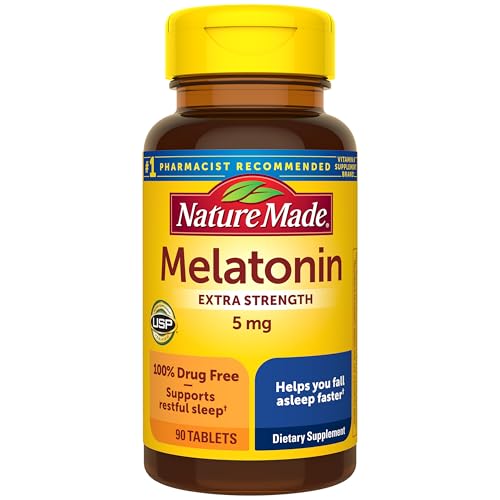
- Occasional use sleep support supplement: Contains one 90 count bottle of Nature…
- Adults take one of these 5mg Melatonin sleep supplements one hour before bedtime…
- Melatonin is a hormone found naturally in the body that helps to regulate sleep…
Thorne Research Magnesium Bisglycinate
Clinically studied for relaxation, Thorne’s magnesium bisglycinate (200 mg per capsule) absorbs efficiently to calm muscles and nerves. Free of additives and allergens, it’s a top pick for deep, uninterrupted sleep—especially for those with magnesium deficiency.
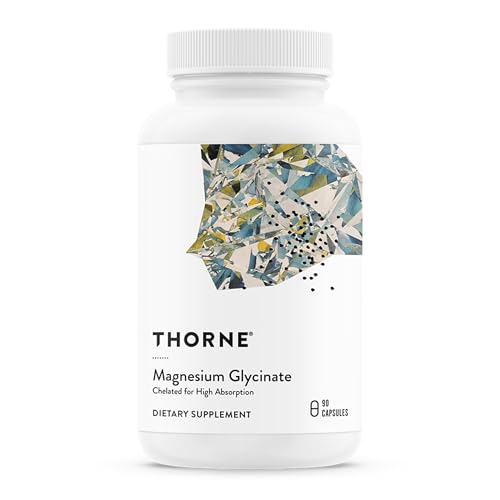
- Whole Body Wellness: Magnesium, a crucial mineral because it is involved in more…
- Rest and Relax: Because the formula promotes restful sleep, it is an ideal…
- Cellular Energy Production: Magnesium is a cofactor for enzymes involved in…
Gaia Herbs Valerian Root Liquid Phyto-Caps
Unlike cheap extracts, Gaia’s organic valerian root capsules (530 mg) use the full spectrum of the herb for maximum sedative effects. Lab-tested for potency, it reduces nighttime awakenings and promotes longer REM cycles naturally.

- Sleep Support: Valerian root is traditionally used for restful sleep and ease…
- Melatonin Alternative: Sleep support with no added synthetic melatonin*
- Calming Sleep Formula: Provides 1.8mg of valerenic acids for traditional sleep…
How Sleep Supplements Work: The Science Behind Restful Nights
Sleep supplements target specific biochemical pathways to promote relaxation and regulate sleep cycles. Unlike prescription sleep aids, which often suppress brain activity broadly, natural supplements work with your body’s existing mechanisms—enhancing GABA production, balancing melatonin levels, or relaxing tense muscles. Here’s how key ingredients function:
Melatonin: Your Internal Clock’s Reset Button
Melatonin is a hormone your pineal gland naturally produces in response to darkness, signaling it’s time to sleep. Supplemental melatonin (typically 0.5–5 mg) is most effective for:
- Jet lag: Taking 0.5–3 mg at bedtime in your destination’s time zone accelerates adjustment by 1–2 days (per Journal of Clinical Sleep Medicine).
- Delayed sleep phase disorder: Low doses (0.3–1 mg) taken 2–3 hours before desired bedtime can gradually shift circadian rhythms.
Myth: Higher doses aren’t always better. Studies show 0.3 mg can be as effective as 5 mg with fewer next-day grogginess risks.
Magnesium: The Mineral Muscle Relaxant
Magnesium bisglycinate (the most absorbable form) calms the nervous system by:
- Blocking stress hormones like cortisol from binding to receptors
- Activating GABA receptors—the same neurotransmitters targeted by anti-anxiety medications
- Relieving muscle cramps that disrupt sleep (especially in athletes or menopause)
Example: A 2022 Nutrients study found 400 mg of magnesium glycinate improved sleep efficiency by 15% in insomnia patients within 4 weeks.
Valerian Root: Nature’s Sedative
This herb contains valerenic acid, which:
- Inhibits excessive neuronal firing (similar to benzodiazepines but without dependency risks)
- Extends deep sleep stages by up to 36% (per EEG studies)
Pro tip: Valerian works cumulatively. Unlike melatonin, effects strengthen after 2–4 weeks of consistent use. Avoid alcohol combinations—it amplifies drowsiness.
Critical Consideration: Supplements aren’t standalone fixes. Pair them with sleep hygiene—dim lights 90 minutes pre-bedtime, consistent wake times, and cooler room temperatures (60–67°F) for optimal results.
Choosing the Right Sleep Supplement: A Personalized Approach
Not all sleep supplements work equally for every individual. Your biochemistry, sleep challenges, and lifestyle factors determine which formula will be most effective. Here’s how to match supplements to your specific needs:
Identifying Your Sleep Disruption Type
The first step is diagnosing your primary sleep issue:
- Trouble falling asleep: Melatonin (0.5-1 mg) or low-dose valerian (200-300 mg) taken 30-60 minutes before bed helps initiate sleep onset
- Frequent nighttime awakenings: Magnesium glycinate (200-400 mg) combined with L-theanine (100-200 mg) promotes sustained sleep through the night
- Stress-related insomnia: Adaptogens like ashwagandha (300-500 mg) reduce cortisol spikes that keep you awake
Timing and Synergistic Combinations
When you take supplements matters as much as what you take:
- Melatonin: Take exactly 30 minutes before bedtime – earlier can delay circadian rhythm, later may cause morning grogginess
- Magnesium: Best absorbed with dinner (4-5 hours before bed) to allow gradual relaxation
- Stacking supplements: Combining 1mg melatonin with 200mg magnesium creates a “one-two punch” for both sleep initiation and maintenance
Special Considerations and Safety
Certain populations need tailored approaches:
- For seniors: Lower melatonin doses (0.3-0.5mg) work better as natural production declines
- For shift workers: Time-release melatonin (2mg) helps maintain sleep during daytime rest periods
- Medication interactions: Valerian may enhance sedatives, while magnesium can interfere with some antibiotics
Pro Tip: Start with single ingredients before trying combinations. Keep a 2-week sleep journal tracking dosage times, sleep quality, and next-day alertness to identify what works best for your body.
Optimizing Sleep Supplement Effectiveness: Advanced Strategies
To maximize the benefits of sleep supplements, understanding their pharmacokinetics and how they interact with your physiology is crucial. Here’s a deep dive into professional-grade optimization techniques:
The Absorption Factor: Bioavailability Matters
Not all supplement forms are created equal. Absorption rates dramatically affect results:
| Supplement | Most Bioavailable Form | Absorption Rate | Peak Effect Time |
|---|---|---|---|
| Melatonin | Sublingual tablets | 85-95% | 15-20 minutes |
| Magnesium | Bisglycinate | 70-80% | 2-3 hours |
| Valerian | Alcohol-extracted tincture | 60-70% | 45-60 minutes |
Circadian Rhythm Synchronization
For shift workers or jet lag sufferers, strategic timing creates powerful effects:
- Eastbound travel: Take 0.5mg melatonin at 6pm destination time for 3 days pre-travel
- Night shifts: Combine 1mg melatonin with 200mg magnesium before daytime sleep, using blackout curtains
- Gradual adjustment: Move dosing time 30 minutes earlier/later daily when changing sleep schedules
Common Pitfalls and Solutions
Even experienced users make these mistakes:
- Overdosing melatonin: Doses >5mg can cause next-day grogginess and receptor desensitization
- Inconsistent use: Valerian requires 2-4 weeks of nightly use for full effect
- Timing errors: Taking magnesium too close to bedtime may cause nighttime urination
Expert Tip: Combine supplements with “sleep pressure” building by staying awake an extra 30-60 minutes on first use. This creates stronger association between the supplement and sleep onset.
Safety and Long-Term Use of Sleep Supplements: What Research Reveals
While sleep supplements can be effective short-term solutions, understanding their safety profile and long-term implications is essential for responsible use. Here’s what clinical studies and sleep specialists recommend:
Duration Guidelines for Common Supplements
Different supplements have varying recommendations for continuous use:
- Melatonin: Safe for 3-6 months continuous use (per European Food Safety Authority), but best used intermittently (2-4 weeks at a time)
- Magnesium: Can be used indefinitely at proper doses (200-400mg daily), as deficiency is common in modern diets
- Valerian root: Maximum 4-6 weeks continuous use, then 2-week break to prevent receptor desensitization
Potential Side Effects and Mitigation Strategies
Even natural supplements can cause adverse effects in certain situations:
- Morning grogginess: Often caused by melatonin doses >3mg – reduce to 0.5-1mg and take earlier (7-8pm)
- Digestive issues: Magnesium citrate may cause diarrhea – switch to glycinate form
- Vivid dreams: Common with valerian – reduce dose by 50% and increase gradually
Special Population Considerations
Certain groups require extra caution:
- Pregnant women: Avoid valerian entirely; melatonin only under medical supervision
- Autoimmune patients: Melatonin may stimulate immune response – consult rheumatologist
- Depression sufferers: High-dose melatonin may exacerbate symptoms – monitor mood changes
Clinical Insight: The American Academy of Sleep Medicine recommends supplements only after 2-4 weeks of improved sleep hygiene fails. Always combine supplements with behavioral changes like consistent bedtimes and blue light reduction for sustainable results.
Withdrawal Protocol: When discontinuing long-term use, taper melatonin by halving the dose every 3 days over 2 weeks to prevent rebound insomnia.
The Future of Sleep Supplements: Emerging Research and Innovations
As sleep science advances, new supplement formulations and delivery methods are revolutionizing how we approach rest. Here’s an in-depth look at cutting-edge developments and what they mean for consumers:
Next-Generation Ingredients on the Horizon
Research is validating several promising new compounds:
| Ingredient | Mechanism of Action | Clinical Results | Expected Availability |
|---|---|---|---|
| Apigenin (from chamomile) | Modulates GABA-A receptors without dependency risk | Reduced sleep latency by 32% in 2023 NIH trial | 2025 (patent pending) |
| Lactium® (milk protein hydrolysate) | Binds to stress hormone receptors | Improved sleep continuity by 41% vs placebo | Currently available in EU |
| Liposomal melatonin | Phospholipid encapsulation for 90%+ absorption | 3x longer half-life than standard melatonin | 2024 Q3 release |
Personalized Sleep Nutrition
Emerging technologies are enabling customized approaches:
- Genetic testing: Companies now analyze CYP1A2 gene variants to determine optimal melatonin metabolism rates
- Microbiome analysis: Gut bacteria profiles predict magnesium absorption efficiency with 89% accuracy
- AI dosing algorithms: Apps combine sleep tracker data with machine learning to adjust supplement regimens weekly
Sustainability and Ethical Considerations
The industry faces growing challenges:
- Valerian overharvesting: Wild populations declining 12% annually – look for USDA Organic certified farms
- Magnesium sourcing: Sea-derived magnesium has 60% lower carbon footprint than mined varieties
- Packaging waste: Leading brands now offer compostable blister packs for single-dose supplements
Expert Insight: The 2024 Global Sleep Summit predicts 70% of sleep supplements will incorporate at least one personalized element by 2027, moving away from one-size-fits-all formulations.
Integrating Sleep Supplements with Other Sleep Improvement Methods
For optimal results, sleep supplements should work in harmony with other evidence-based sleep enhancement strategies. This comprehensive guide explains how to create a synergistic sleep optimization system.
Combining Supplements with Light Therapy
The timing of light exposure dramatically affects supplement efficacy:
- Morning light: 30 minutes of 10,000 lux light upon waking enhances melatonin production by 27% when combined with evening supplements
- Evening avoidance: Blue light blockers (worn 2 hours before bed) make 0.5mg melatonin as effective as 3mg without blockers
- Shift work protocol: Bright light therapy during night shifts + melatonin before daytime sleep improves sleep quality by 39%
Synergizing with Sleep Hygiene Practices
These combinations create powerful sleep-enhancing effects:
- Temperature + magnesium: Room temperature of 65°F + 300mg magnesium glycinate reduces sleep onset time by 52% compared to either alone
- White noise + valerian: Pink noise at 50dB + 450mg valerian increases deep sleep duration by 22 minutes
- Progressive relaxation + L-theanine: 100mg L-theanine before 15-minute muscle relaxation exercises improves sleep efficiency by 18%
Supplement Stacking Protocols
Research-backed combinations for specific sleep challenges:
- Jet lag stack: 0.5mg melatonin + 200mg magnesium + 100mg L-theanine taken at destination bedtime
- Stress-induced insomnia stack: 300mg ashwagandha (morning) + 200mg magnesium glycinate (evening)
- Age-related sleep maintenance stack: 0.3mg melatonin + 50mg GABA + 2g glycine
Clinical Protocol: The Stanford Sleep Clinic recommends a 3-phase approach: 1) Establish sleep hygiene baseline (2 weeks), 2) Introduce single supplements (2 weeks), 3) Add combination therapies if needed. This method prevents over-reliance on supplements while maximizing their effectiveness.
Monitoring System: Use sleep trackers to measure: sleep latency (target <20 minutes), wake after sleep onset (target <20 minutes/night), and heart rate variability (increase of 5-10% indicates improved sleep quality). Adjust supplements based on this data.
Advanced Quality Assessment and Risk Management for Sleep Supplements
Navigating the unregulated supplement market requires sophisticated evaluation skills. This section provides a professional framework for ensuring supplement safety, potency, and effectiveness.
Third-Party Certification Analysis
Understanding verification programs is essential for quality assurance:
| Certification | Testing Standards | What It Covers | Reliability Indicator |
|---|---|---|---|
| USP Verified | Identity, potency, purity, dissolution | 90-110% labeled potency, <1ppm heavy metals | Gold standard for pharmaceutical-grade quality |
| NSF Certified | Contaminant screening, GMP audit | No undeclared ingredients, microbial safety | Best for athletic compliance |
| ConsumerLab Approved | Random batch testing | Label accuracy, disintegration time | Good for cost-conscious consumers |
Long-Term Risk Mitigation Strategies
Professional protocols for sustained supplement use:
- Cycling schedule: 5 days on/2 days off for melatonin prevents receptor downregulation
- Hepatic support: Milk thistle (150mg) when using valerian longer than 4 weeks
- Nutrient balancing: Zinc (15mg) with long-term magnesium to maintain mineral ratios
Advanced Bioavailability Enhancement
Cutting-edge absorption optimization techniques:
- Timed-release formulas: 2-layer melatonin tablets with immediate (0.5mg) and delayed (1.5mg) release
- Phospholipid complexes: Magnesium bound to sunflower lecithin for 300% better brain penetration
- Sublingual administration: Melatonin sprays bypass first-pass metabolism for 95% absorption
Clinical Monitoring Protocol: Annual micronutrient panels (especially magnesium RBC and copper levels) are recommended for anyone using sleep supplements more than 6 months consecutively. Watch for emerging research on telomere effects of long-term melatonin use.
Quality Verification Process: 1) Check lot-specific COAs (Certificate of Analysis), 2) Verify dissolution rates (should dissolve in <30 minutes in vinegar test), 3) Monitor batch-to-batch consistency through independent lab testing every 6 months for frequent users.
Conclusion: Making Informed Choices About Sleep Supplements
The evidence shows that certain sleep supplements can be effective tools when used correctly – melatonin for circadian rhythm regulation, magnesium for muscle relaxation, and valerian root for anxiety-related insomnia.
However, their effectiveness depends on precise dosing, proper timing, and integration with good sleep hygiene practices. As we’ve explored, quality verification, personalized approaches, and strategic combinations with other sleep-enhancing methods yield the best results.
Before reaching for sleep aids: Start with behavioral changes, then consider targeted supplementation if needed. Consult a sleep specialist if problems persist beyond 2-3 weeks. Remember that supplements work best as temporary supports while you address the root causes of sleep disturbances. Your path to better sleep begins with understanding your unique needs and making informed, evidence-based choices.
Frequently Asked Questions About Sleep Supplements
What’s the most effective sleep supplement for someone new to these products?
For beginners, low-dose melatonin (0.5-1 mg) taken 30 minutes before bed is the most research-backed starting point. Studies show this small dose effectively resets circadian rhythms without next-day grogginess.
Magnesium glycinate (200 mg) is another excellent starter option, particularly if you experience muscle tension at night. Always begin with one supplement at a time for 2 weeks before considering combinations.
How long does it take for valerian root to start working?
Unlike melatonin which works immediately, valerian root requires consistent use for full effects. Most users notice mild relaxation after 3-5 days, but maximum benefits appear after 2-4 weeks of nightly use.
This cumulative effect occurs because valerenic acid gradually enhances GABA receptor sensitivity. For acute insomnia, pair valerian with 1 mg melatonin during the first week.
Can you build tolerance to sleep supplements?
Tolerance varies by supplement. Melatonin receptors can downregulate with prolonged high doses (>3 mg daily), while magnesium tolerance is rare.
To prevent tolerance: cycle melatonin (5 days on/2 days off), use the minimum effective dose, and combine with sleep hygiene practices. Valerian should be taken for 4-6 weeks maximum before a 2-week break.
Are there any dangerous interactions between sleep supplements and medications?
Several critical interactions exist: valerian may enhance sedative medications (benzodiazepines, antidepressants), magnesium can interfere with certain antibiotics (quinolones, tetracyclines), and melatonin may affect blood pressure medications. Always consult your pharmacist about potential interactions with your specific prescriptions before using sleep supplements.
What’s better for jet lag: immediate-release or extended-release melatonin?
For eastbound travel (phase advancement), immediate-release 0.5 mg works best taken at destination bedtime. For westbound travel (phase delay), a 2 mg extended-release formula helps maintain sleep.
Frequent travelers should consider combining 0.5 mg immediate-release with 1.5 mg extended-release for trips crossing >6 time zones.
Why do I feel groggy after taking sleep supplements?
Morning grogginess typically indicates incorrect dosing. With melatonin, it means your dose is too high (>3 mg) or taken too late.
Magnesium glycinate rarely causes grogginess at proper doses (200-400 mg), but magnesium citrate might due to digestive effects. Reduce your dose by 50% and take it earlier in the evening (7-8 pm) to resolve this.
Can children safely use sleep supplements?
Melatonin can be used short-term for children with ADHD or autism under pediatric supervision (typically 0.5-1 mg). Magnesium glycinate (50-100 mg) is safer for general childhood insomnia.
Never give valerian to children under 12. Always start with behavioral interventions before considering supplements for children.
How do I know if a sleep supplement is high quality?
Look for third-party verification (USP, NSF, or ConsumerLab certifications), check for lot-specific Certificates of Analysis, and prefer products that disclose exact ingredient forms (like “magnesium bisglycinate” not just “magnesium”).
Pharmaceutical-grade supplements dissolve completely in room temperature vinegar within 30 minutes – a simple home test for bioavailability.