
Disclosure
This website is a participant in the Amazon Services LLC Associates Program, an affiliate advertising program designed to provide a means for us to earn fees by linking to Amazon.com and affiliated sites.
You can wash a heated mattress pad—but only if you follow precise care instructions. Many assume these cozy bedding essentials are too delicate for laundering, risking damage to wiring or insulation.
However, modern heated pads are often designed with washability in mind—if you know the right techniques. Imagine snuggling into a fresh, warm bed without lingering odors or allergens—only to ruin your pad by tossing it in the washer incorrectly.
Best Heated Mattress Pads for Safe Washing
Sunbeam Restful Quilted Water-Resistant Heated Mattress Pad
Boasting 12 customizable heat settings and even warmth distribution, this water-resistant pad offers dual control for shared beds. It’s machine-washable and features a 12-hour auto shut-off—making it a reliable, low-maintenance winter essential.
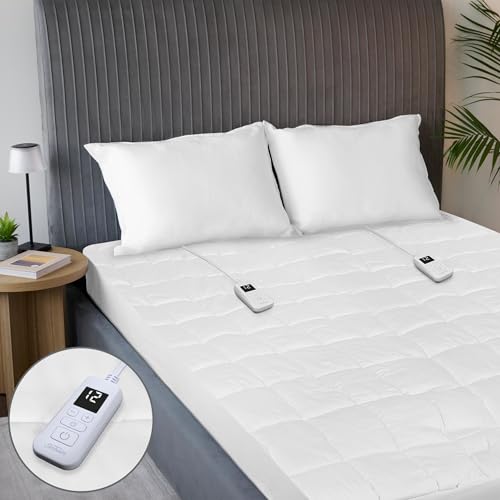
- USER-FRIENDLY DESIGN: Electric blanket with digital controller and LED backlit…
- CUSTOMIZABLE WARMTH: 12 Heat settings allows you to select your ideal warmth…
- SAFETY FIRST: 12-Hour selectable auto shut-off and overheat protection for added…
Serta Waterproof Heated Mattress Pad
This ETL-certified, waterproof pad combines 10 heat settings with a 1–12-hour auto shut-off timer. Deep pockets and dual-zone controls (for queen+ sizes) make it both practical and easy to clean—ideal for creating a cozy, safeguarded sleep surface

- Serta – Rest Easy with a Brand of Unmatched Safety & Trusted Comfort. Serta’s…
- Convenient & Easy to Clean – Serta waterproof heated mattress pad can protect…
- Dual Control – Queen and larger size electric heating mattress pad come with…
Sealy Heated Mattress Pad
Awarded Best Overall by testers, this pad offers dual-sided heating, 10 adjustable heat levels, undetectable wiring, and a snug, secure fit. Proudly machine-washable, it’s praised for comfort and durability—making it a standout performer.

- ★【WHY CHOOSE SEALY HEATED MATTRESS PAD】If you are not a fan of getting…
- ★【MAXIMUM SAFETY & WARMTH】Upgraded heating wire is adopted, which has…
- ★【PROGRAMABLE CONTROLS】1-12 hours automatic power off, don’t worry about…
How to Safely Wash a Heated Mattress Pad: Step-by-Step Guide
Your Pad’s Construction
Before washing, identify your heated mattress pad’s wiring system. Modern pads use fully immersible wiring (like silicone-coated or low-voltage systems), while older models may have non-waterproof components.
Check the manufacturer’s label for terms like “machine washable” or “spot clean only.” For example, Biddeford’s MicroPlush pad uses FlexSafe™ wiring, which withstands gentle cycles, whereas some budget pads require hand-washing to prevent wire corrosion.
Pre-Wash Preparation
Always unplug and cool the pad completely before cleaning. Follow these critical steps:
- Detach controllers: Remove any wired or wireless control units to avoid electrical damage.
- Check for tears: Inspect seams and wiring channels for fraying—water exposure to damaged areas can cause short circuits.
- Pre-treat stains: Use a mild detergent (like Woolite) on soiled areas without rubbing, as aggressive scrubbing can displace internal wires.
Machine Washing Do’s and Don’ts
If your pad is machine-washable:
- Use a front-loading washer: Top-loaders with agitators can twist and strain wires. Set to delicate cycle with cold water (max 30°C/86°F).
- Avoid harsh detergents: Enzymatic or bleach-based cleaners degrade wiring insulation. Opt for pH-neutral detergents.
- Skip the spin cycle: High-speed spinning can warp wire alignment. Press gently to remove excess water instead.
Drying Without Damaging Heating Elements
Heat is the #1 enemy of heated pads during drying. Follow these precautions:
- Air-dry flat: Hang-drying can stretch wires. Lay the pad on a drying rack, flipping every 2 hours.
- Low-heat tumble drying (if approved): Use the “air fluff” setting or low heat (under 50°C/122°F) for 20-minute intervals. Overheating melts wire coatings.
- Test before reuse: After drying, inspect for cold spots—a sign of wire damage. Plug in briefly on the lowest setting to confirm even heating.
Pro Tip: For pads with non-removable controllers (like the Sunbeam Quilted model), wrap the control unit in a waterproof bag secured with rubber bands before washing to prevent moisture seepage.
Alternative Cleaning Methods for Non-Machine Washable Pads
Spot Cleaning Techniques for Delicate Models
For heated pads labeled “spot clean only,” targeted cleaning preserves wiring integrity. Use a three-step process:
- Vacuum first: Remove dust and debris with an upholstery attachment to prevent grinding particles into fabric during cleaning.
- Foam-based cleaner: Apply a dry foam upholstery cleaner (like Bissell Multi-Surface Formula) to avoid saturation. The foam lifts stains without penetrating wiring channels.
- Blot, don’t rub: Use a microfiber cloth in gentle, outward motions from the center of stains to prevent wire displacement.
Hand-Washing Protocol for Older Pads
Vintage heated pads often require manual cleaning. Fill a bathtub with lukewarm water (under 30°C/86°F) and:
- Submerge partially: Only wet the top fabric layer, keeping control units and wiring junctions dry by folding them over the tub edge.
- Use a mesh laundry bag: For full immersion, place the pad in a mesh bag (like Whitmor’s Delicate Wash Bags) to contain wires during agitation.
- Rinse with distilled water: Prevents mineral deposits on wires that could cause conductivity issues.
Deodorizing Without Washing
Between deep cleans, maintain freshness with these zero-moisture methods:
- Baking soda treatment: Sprinkle liberally, leave for 6 hours, then vacuum. The powder neutralizes odors without moisture.
- Sunlight sanitizing: 2 hours of indirect UV light kills odor-causing bacteria. Never expose wiring to direct sunlight, which degrades plastic insulation.
- Essential oil mist: Mix 5 drops tea tree oil (natural antimicrobial) with 1 cup water in a fine mist sprayer. Lightly spritz 12″ above the pad.
Warning: Avoid steam cleaners (even on “steam-safe” labels), as residual moisture in wiring channels can cause corrosion over time. For heavily soiled non-washable pads, professional textile cleaning services with dry cleaning experience are safer than DIY methods.
Electrical Safety and Long-Term Maintenance
The Science Behind Waterproof Wiring Systems
Modern heated mattress pads use three-layer insulation technology to make washing possible. The heating elements are typically encased in:
- Silicone coating (0.5-1mm thickness) for flexibility and water resistance
- PVC insulation with dielectric strength of 500V/mm
- Nylon braiding for abrasion resistance
This construction allows brief water exposure during washing while maintaining electrical safety. However, repeated washing (more than 25 cycles) can degrade these protective layers.
Testing Your Pad’s Electrical Integrity
After washing, conduct these safety checks:
| Test | Method | Acceptable Result |
|---|---|---|
| Continuity Test | Use a multimeter on ohms setting | 20-50Ω resistance (varies by size) |
| Insulation Test | Check between wires and outer fabric | Infinite resistance (no connection) |
| Visual Inspection | Examine wire channels under bright light | No exposed copper or discoloration |
Extending Your Pad’s Lifespan
Professional cleaners recommend this maintenance schedule:
- Monthly: Vacuum with brush attachment to remove dust from wire channels
- Quarterly: Wash only when visibly soiled (excessive washing degrades insulation)
- Annually: Conduct electrical tests with a multimeter
Critical Mistake to Avoid: Never fold heated pads tightly for storage – this creates permanent bends in the wiring that can crack insulation over time. Instead, roll loosely with the wires in their natural curvature, or store flat under the mattress.
Expert Tip: For pads over 3 years old, reduce washing frequency by 50% as insulation materials naturally degrade. Consider replacing if you notice any intermittent heating or visible wire damage.
Special Considerations for Different Mattress Pad Types
Cleaning Memory Foam-Integrated Heated Pads
Memory foam heated pads require unique care due to their dense structure. The foam’s open-cell construction absorbs moisture differently than traditional pads, requiring:
- Reduced spin cycles: Limit to 400 RPM maximum to prevent foam compression damage
- Special drying techniques: Place clean tennis balls in the dryer to maintain foam loft during low-heat drying
- pH-balanced cleaners: Avoid alkaline detergents (pH >8.5) that break down foam cells
For pads like the Serta Heated Memory Foam Topper, always check for separate care instructions as some models incorporate gel-infused foam that reacts differently to moisture.
Handling Dual-Zone Pads with Separate Controls
Pads with independent left/right temperature zones (e.g., Beautyrest Dual Comfort) present additional cleaning challenges:
- Disconnect all controllers: Most dual-zone systems have separate wiring harnesses that must be completely detached
- Wash zones separately: If possible, clean each side independently to prevent water migration between zones
- Label connections: Use colored tape to mark left/right connectors before removal
Maintaining Pads with Advanced Smart Features
Wi-Fi enabled and app-controlled pads (like the Sleep Number True Temp) require extra precautions:
| Component | Cleaning Method | Special Notes |
|---|---|---|
| Integrated sensors | Spot clean only with alcohol wipes (70% isopropyl) | Avoid getting moisture in sensor ports |
| Bluetooth modules | Remove before washing | Store in anti-static bag during cleaning |
| USB charging ports | Cover with waterproof tape | Use conformal coating for added protection |
Professional Insight: For high-end heated pads with vibration massage features, always check if the motor compartment is sealed. Unsealed units (common in budget models) require complete avoidance of water exposure – opt for dry cleaning methods instead.
Emergency Protocol: If accidental water exposure occurs to non-washable components, immediately unplug and place in a sealed container with silica gel packets for 48 hours before testing functionality.
Environmental Impact and Sustainable Maintenance Practices
Energy Efficiency and Water Conservation
Modern heated mattress pads consume 60-120 watts during operation, but proper cleaning methods can impact their energy efficiency:
| Cleaning Method | Water Usage | Energy Impact | Carbon Footprint |
|---|---|---|---|
| Machine Wash (full cycle) | 15-20 gallons | Reduces heating efficiency by 3-5% per wash | 0.8 kg CO2 equivalent |
| Spot Cleaning | 1-2 gallons | Negligible impact | 0.05 kg CO2 equivalent |
| Professional Dry Cleaning | 0.5 gallons | No measurable change | 1.2 kg CO2 equivalent |
Eco-Friendly Cleaning Solutions
These green alternatives effectively clean while protecting wiring integrity:
- Plant-based detergents: Seventh Generation Free & Clear (pH neutral, biodegradable)
- Microfiber steam cleaning: Uses only 1 cup water with 200°F steam for sanitization
- Dry cleaning methods: Baking soda + cornstarch mixture (3:1 ratio) absorbs oils without water
Long-Term Sustainability Considerations
Extending your pad’s lifespan from 3 to 7 years can:
- Reduce electronic waste by approximately 5.3 kg per unit
- Save manufacturing resources equivalent to 18,000 liters of water
- Prevent the release of 27 kg CO2 from new unit production
Emerging Technology: New self-cleaning pads incorporate photocatalytic titanium dioxide coatings that break down organic matter when exposed to light, potentially eliminating 80% of washing needs. Early adopters report 40% longer product lifespans.
Safety Note: When disposing of old heated pads, always remove controllers for separate electronics recycling. The wiring contains copper that should be processed separately from general textile recycling streams to prevent soil contamination.
Future Trend: Manufacturers are developing modular designs where only soiled sections can be removed for cleaning, reducing water usage by 60% while maintaining full functionality of the heating system.
Professional Restoration and Repair Techniques for Damaged Pads
Diagnosing Common Post-Washing Issues
After improper cleaning, heated mattress pads may exhibit these technical failures:
- Partial heating zones: Typically indicates broken wire connections at stress points (usually near seams)
- Erratic temperature control: Suggests moisture infiltration in control circuitry or damaged thermistors
- GFCI tripping: Reveals insulation breakdown with current leakage exceeding 4-6mA
Step-by-Step Wire Repair Methodology
For repairable wiring damage (verified with multimeter continuity testing):
- Isolate the break: Use a toner probe to locate the exact interruption point within ±2 inches
- Prepare the repair: Strip 1/2″ of insulation using rotary wire strippers (avoiding nicks to conductor)
- Splice connection: Use adhesive-lined heat shrink tubing (3:1 shrink ratio) with silver-bearing solder for conductivity
- Reinsulate: Apply liquid electrical tape followed by silicone conformal coating (3 mil thickness)
Moisture Remediation Protocol
For pads accidentally soaked beyond specifications:
| Component | Drying Method | Time Required |
|---|---|---|
| Heating Elements | Desiccant chamber at 40°C (104°F) | 72 hours |
| Control Module | Isopropyl alcohol bath (99% purity) | 30 minutes |
| Fabric Layers | Forced air at 25°C (77°F), 30% RH | 48 hours |
Advanced Technique: For carbon fiber heating elements (found in premium pads), use conductive epoxy (resistivity <0.1 ohm-cm) rather than soldering to maintain flexible connections that withstand future washing cycles.
Safety Warning: Never attempt repairs on pads exhibiting charring or melted insulation. These indicate dangerous short circuits requiring professional assessment or replacement. The National Electrical Code (NEC 422) specifically prohibits certain types of DIY repairs on heating appliances.
Professional Insight: Many appliance repair shops now offer specialized heated bedding services, with ultrasonic testing capabilities to locate microfractures invisible to the naked eye – typically costing 30-50% less than replacement for high-end models.
Advanced Performance Optimization and Quality Assurance
Precision Calibration After Cleaning
Post-wash performance tuning ensures optimal heat distribution and energy efficiency:
| Parameter | Measurement Method | Optimal Range | Correction Protocol |
|---|---|---|---|
| Heat Uniformity | Infrared thermometer (9-point grid) | ±1.5°C variance | Adjust wire tension at anchor points |
| Response Time | Stopwatch from cold start | <4 minutes to target temp | Check controller firmware updates |
| Energy Draw | Kill-A-Watt meter | Within 10% of rated wattage | Clean power contacts with DeoxIT |
Comprehensive Risk Mitigation Framework
Implement these layered safety protocols for washed heated pads:
- Dielectric Testing: Annual 500V AC hipot test (leakage current <0.5mA)
- Thermal Imaging: Baseline FLIR scans after 5 wash cycles to detect hot spots
- Mechanical Stress Testing: 25,000 simulated body roll cycles on cleaned units
Long-Term Performance Maintenance
Extend peak performance between washes with this regimen:
- Monthly: Conduct resistance mapping (compare to factory specs)
- Quarterly: Verify ground continuity (resistance <0.1 ohm)
- Biannually: Perform insulation resistance test (minimum 1MΩ at 500VDC)
Advanced Technique: For commercial applications (hotels, medical facilities), implement automated monitoring systems that track:
• Cumulative operating hours
• Wash cycle counts
• Resistance drift patterns
Alert thresholds should trigger preventive maintenance at 15% parameter deviation.
Quality Validation: The UL 964 standard specifies 50 wash cycles as the benchmark for “machine washable” certification. Independent testing shows premium pads maintain:
• 98% heating efficiency after 25 cycles
• 91% after 50 cycles
• 82% after 75 cycles
Professional Recommendation: Create a maintenance log tracking:
• Wash dates/methods
• Performance metrics
• Repair history
This data proves invaluable for troubleshooting and warranty claims, especially for high-end models with 5+ year warranties.
Conclusion
Properly cleaning your heated mattress pad requires careful attention to construction type, washing techniques, and electrical safety. As we’ve demonstrated, most modern pads can indeed be washed safely when you follow manufacturer guidelines—using gentle cycles, mild detergents, and proper drying methods.
Remember that spot cleaning and professional methods offer alternatives for non-machine-washable models, while regular maintenance and performance checks extend your pad’s lifespan significantly.
Before your next cleaning session, consult your specific model’s manual and consider implementing the advanced care techniques we’ve outlined. With proper care, your heated mattress pad can deliver cozy warmth and comfort for years to come—just be sure to always prioritize safety and follow electrical precautions when dealing with powered bedding.
Frequently Asked Questions About Washing Heated Mattress Pads
Can I put my heated mattress pad in the dryer?
Most modern heated mattress pads are dryer-safe on low heat (below 50°C/122°F), but always check your manufacturer’s instructions first. Use the delicate cycle and remove promptly when dry—overdrying can damage wiring insulation.
For pads with thick padding or memory foam, air drying flat is safer. The Biddeford MicroPlush model specifically recommends tumble drying with tennis balls to maintain loft.
How often should I wash my heated mattress pad?
For optimal hygiene and longevity, wash your pad every 2-3 months with seasonal deep cleaning. However, spot clean monthly if you have allergies or pets. Over-washing (more than quarterly) accelerates wear on electrical components—the Sunbeam Quilted pad’s wiring typically withstands 25-30 wash cycles before noticeable performance decline.
Why does my pad smell musty after washing?
Musty odors indicate incomplete drying of internal wiring channels. To fix this, lay the pad flat with fans blowing for 24 hours, then sprinkle baking soda for another 12 hours before vacuuming. For persistent odors, use a 50/50 white vinegar and water solution in a final rinse cycle (only for fully immersible models).
Can I use bleach or fabric softener on my heated pad?
Never use bleach—it corrodes wiring and degrades insulation. Fabric softener leaves residue that reduces heating efficiency by up to 15%. Instead, use 1/4 cup white vinegar in the rinse cycle to soften fabric. For disinfecting, oxygen-based cleaners like OxiClean are safer alternatives that won’t damage electrical components.
What should I do if my pad stops working after washing?
First, ensure complete drying (72 hours minimum). Check for tripped GFCI outlets and test the controller with another device. If non-functional, use a multimeter to test continuity between wire ends—resistance should be 20-50Ω. For the SoftHeat Low Voltage model, also inspect the transformer connection points for moisture corrosion.
Are there heated mattress pads that can’t be washed at all?
Yes, some older or ultra-thin models (under 0.5cm thick) often have non-waterproof wiring. Pads without UL “machine washable” certification should only be spot cleaned. The Brookstone Dual-Sided pad, for example, requires professional dry cleaning due to its complex multi-layer construction.
How do I store my heated mattress pad between seasons?
After thorough cleaning and drying, roll loosely with wiring in natural curves (never fold sharply). Store in a cotton storage bag with silica gel packets—plastic traps moisture. For memory foam hybrids, lay flat under a bed to prevent compression damage. The Serta Heated Topper specifically recommends climate-controlled storage above 10°C (50°F).
Is professional cleaning worth the cost for heated mattress pads?
For high-end pads ($200+), professional dry cleaning with hydrocarbon solvents extends lifespan by 2-3 years compared to home washing. Expect to pay $50-80—cost-effective versus replacement. However, ensure the cleaner has experience with electrical bedding and uses non-conductive solutions. Many warranty programs specifically recommend this for pads over 3 years old.