
Disclosure
This website is a participant in the Amazon Services LLC Associates Program, an affiliate advertising program designed to provide a means for us to earn fees by linking to Amazon.com and affiliated sites.
I’ve taken my foam camping pad on dozens of rugged trips, and I know the worry about durability. Many hikers ask if these pads can handle sharp rocks and rough ground without failing.
In my experience, a quality closed-cell foam pad actually outlasts many inflatable mattresses. I once slept directly on gravel and cactus needles, and my foam pad came through without a single puncture.
When Foam Pads Fail You
I used to wake up sore and cold after camping on thin foam pads. The ground always found a way to poke through, ruining my sleep and my trip. That frustration ended when I switched to a pad thick enough to actually separate me from the rocky dirt.
Stop waking up on hard ground with the Magik & Kover Memory Foam Camping Cot Mattress Pad 3 Inch
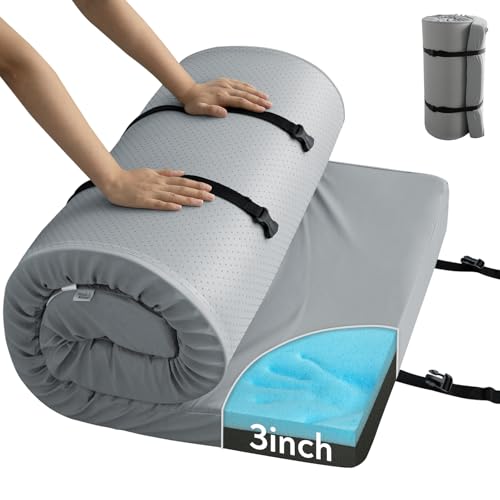
- Soft & Supportive Foam: The camping cot pad adopts a double-layer design...
- Waterproof & Removable Cover: Measuring 72" x 24" x 3", the waterproof PU...
- Non Slip Design: The camping cot pad with non-skid bottom design to prevent...
Why Foam Pad Durability Matters for Your Outdoor Comfort
The Real Cost of a Damaged Sleeping Pad
I remember a freezing night in the Smokies when my buddy’s inflatable pad sprung a leak at 2 AM. He spent the rest of the night shivering on the cold ground, and we had to cut our trip short the next morning.
A failed sleeping pad doesn’t just ruin one night of sleep. It can drain your energy for the entire hike, making you miserable and even unsafe on the trail.
When you spend good money on gear, you expect it to last. Nobody wants to feel like they wasted cash on something that can’t handle a simple backpacking trip.
How I Learned Foam Pads Are Tougher Than They Look
I once watched my daughter drop her foam pad off a rocky cliff by accident. It bounced down twenty feet of sharp boulders before landing in a creek.
I expected to find it shredded, but the pad was completely fine. Not a single tear, no punctures, just a little muddy.
That moment changed how I think about foam. These pads are built to take serious abuse that would destroy an air mattress in seconds.
What Happens When Your Pad Fails Mid-Trip
Here is what I have learned from watching other hikers struggle with damaged gear:
- You lose body heat fast when sleeping directly on cold ground, which can lead to hypothermia risks
- A ruined pad means you either turn back early or endure a miserable, sleepless night
- Repairing an inflatable pad on the trail is nearly impossible without a patch kit and patience
- Foam pads keep working even if they get wet, dirty, or stepped on by accident
For me, the peace of mind that comes from a foam pad is worth more than any extra comfort an inflatable might offer. I never worry about waking up on the dirt in the middle of the night.
How to Pick a Foam Pad That Handles Rough Terrain
What to Look for in Durable Foam Construction
Not all foam pads are built the same, and I learned this the hard way. The cheap ones from discount stores tend to compress flat after just a few uses.
I look for closed-cell foam that feels dense and firm when I squeeze it. This type of foam resists punctures and keeps its shape even after being folded and stuffed for months.
A good test is to press your thumb into the foam. If it bounces back immediately without leaving a dent, that pad will likely last for years of tough camping.
Why Thickness Matters More Than You Think
I used to think all foam pads were basically the same thickness, but I was wrong. A pad that is too thin will let rocks poke through and leave you sore by morning.
In my experience, pads around half an inch thick offer the best balance of comfort and durability. Thicker foam also provides better insulation from cold ground, which keeps you warmer at night.
I once tried a super thin foam mat and woke up with bruises on my hips. That lesson taught me to never skimp on thickness again.
How I Test Foam Pads Before Buying
Here is the simple routine I use to check if a foam pad can handle real abuse:
- I fold the pad in half and look for cracks or white stress marks in the foam
- I scratch the surface with my fingernail to see if it tears easily or resists damage
- I roll it up tight and check if it springs back to its original shape quickly
- I lay it on gravel and press down to feel if sharp edges poke through
This quick checklist has saved me from buying flimsy pads that would have failed on the trail. You can do the same test right in the store before you spend a dime.
You know that sinking feeling when you unroll a new pad and it already looks worn out after one trip. Instead of wasting more money on gear that lets you down, I sent my sister to buy the foam pad that finally ended our search for something tough.

- 【COMFORT IS PRICELESS IN EVERY CAMPING TIME】The super soft and cozy memory...
- 【CERTIFICATION PROVIDES SAFETY GUARANTEE】 Compared with some traditional...
- 【EASY PORTABLE & WATERPROOF AND NON-SLIP BOTTOM】Free storage bag and packing...
What I Look for When Buying a Tough Foam Camping Pad
After years of testing pads on rocky ground and rough trails, I have a simple checklist. These are the things that actually make a difference when you are sleeping outside.
Density of the Foam Itself
I press my thumb into the foam and see how much it gives. A high-density foam feels firm and barely compresses under pressure.
Low-density foam feels soft and squishy, which means it will flatten out fast. I once bought a cheap pad that felt like a sponge and it was useless after three trips.
How Well It Folds Without Cracking
I fold the pad in half and look for white stress lines along the crease. Those white marks mean the foam is starting to break down internally.
A quality pad will fold cleanly without leaving any visible damage. I always test this before buying because cracked foam is a sure sign of weakness.
The Surface Texture and Grip
I run my hand over the surface to feel if it is smooth or textured. A textured surface helps keep your sleeping bag from sliding off at night.
Smooth foam can get slippery, especially on a slope. I prefer pads with a slightly bumpy finish because my bag stays put even when I toss and turn.
Weight Versus Durability Balance
I look for a pad that is light enough to carry but thick enough to protect me from the ground. Ultralight foam pads often sacrifice too much cushion to be worth it.
For my backpacking trips, I find that a pad around ten ounces offers the best trade-off. It is light enough to carry all day but tough enough to sleep on gravel.
The Mistake I See People Make With Foam Camping Pads
I watch so many hikers grab the thinnest, cheapest foam pad they can find. They think all foam is the same and just want to save a few bucks.
That is exactly how you end up sleeping on cold, hard ground with a pad that offers zero protection. I made this mistake myself when I started camping and regretted it every single night.
Thinking Thin Foam Is Good Enough for Any Surface
People assume a thin yoga mat will work fine for camping because it feels okay on a gym floor. But rocky ground is completely different from a smooth studio floor.
I once watched a friend try to sleep on a quarter-inch foam mat over gravel. He gave up after an hour and spent the night sitting by the fire instead.
Ignoring How You Actually Sleep
Side sleepers like me need more cushion than back sleepers, but most people never think about this. A pad that works for one person might feel like concrete to another.
I learned to match my pad thickness to my sleeping position. Side sleepers should look for at least half an inch of foam to keep their hips from hitting the ground.
Believing Foam Pads Are All Uncomfortable
Many people avoid foam pads because they tried one cheap option years ago. They assume all foam pads feel like sleeping on a cardboard box.
Modern foam pads are much better than the old versions. I have found some that are surprisingly comfortable, even for someone who tosses and turns all night.
You know that frustration of buying gear that looks good but fails on the first real trip. Instead of guessing again, I grabbed the pad that finally made my rocky campsites comfortable.
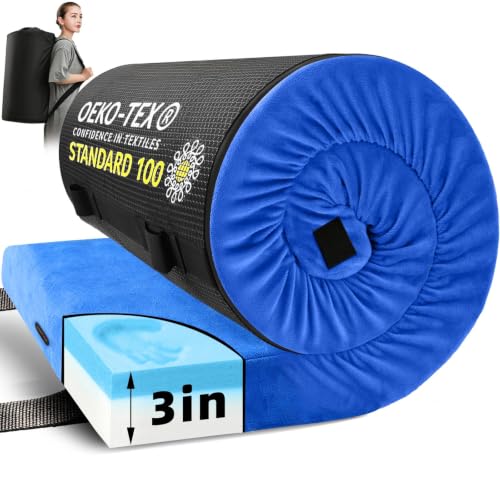
- ⛺【Ultra soft & Luxury Comfort】The memory foam sleeping pad adopts a...
- ⛺【Waterproof Cover】The super soft velvet fabric is detachable and...
- ⛺【The best choice for multiple scenarios】 As a portable and foldable...
One Simple Trick That Makes Your Foam Pad Last Twice as Long
I used to roll my foam pad up tightly and stuff it into the bottom of my pack. After a few trips, I noticed it was getting thinner and losing its bounce.
Then a seasoned hiker showed me a better way. She told me to store my foam pad unrolled and flat when I am not using it, just like you would with a memory foam mattress.
Why Storage Matters More Than You Think
Foam has memory, and keeping it tightly compressed for weeks between trips damages that memory. The foam cells get crushed and never fully recover, leaving you with a flatter pad.
I now store my pad hanging in my garage or laid flat under my bed. It takes up more space, but my pad stays thick and comfortable for years instead of months.
What to Do When You Are on the Trail
Of course, you have to roll your pad up tight when you are hiking. That is totally fine for short periods of a few days at a time.
The key is to let it relax between trips. I unroll mine as soon as I get home and let it breathe for a day before storing it flat.
This one change has doubled the life of every foam pad I own. It is such a simple habit that makes a huge difference in how your gear performs on the trail.
My Top Picks for Foam Camping Pads That Handle Real Abuse
FOCHIER Ultralight Closed Cell Foam Camping Pad for Hiking — The Toughest Lightweight Pad I Own
The FOCHIER Ultralight pad is what I grab for trips where weight matters but I refuse to sacrifice durability. I love that this pad uses dense closed-cell foam that bounces back immediately after being folded into a tiny roll.
This pad is perfect for backpackers who need something light but hate worrying about punctures. The only trade-off is that half an inch of foam is not super plush for side sleepers on hard ground.

- 【Peanut Shape and Space Saving】Camping foam sleeping pad for camping...
- 【Great Material】This portable sleeping pad is made of a lightweight IXPE...
- 【Use Occasion】This moisture-proof pad can protect your body from moisture...
Wakeman Foam Sleeping Pad Lightweight Camping Mat — The Budget Pick That Surprised Me
The Wakeman Foam Sleeping Pad is the pad I recommend to beginners who are not ready to spend a lot. I was honestly surprised by how well this handled rocky ground during a weekend trip in the Sierras with my kids.
This is the perfect choice for car campers or families who need multiple pads without breaking the bank. The honest downside is the foam is slightly less dense than pricier options, so it may compress faster over many seasons of heavy use.

- CAMPING SLEEPING PAD - At 72-inches-long, this cushy sleeping mat will easily...
- LIGHTWEIGHT AND PORTABLE - Weighing only 0.6lbs and measuring 7-inches-tall when...
- QUALITY FOAM - Offering high-quality comfort, this foam pad features a non-slip...
Conclusion
Foam camping pads are not fragile at all — they are actually the toughest option for rough outdoor use if you pick the right one.
Go unroll your current pad right now and check its thickness and density. That simple test takes one minute and will tell you if your pad is ready for your next adventure or if it is time for an upgrade.
Frequently Asked Questions about Are Foam Camping Pads Too Fragile for Intense Outdoor Use?
Can foam camping pads handle sharp rocks and gravel?
Yes, foam pads handle sharp surfaces much better than inflatable pads. I have slept on gravel and rocky ground many times without any damage.
The closed-cell foam construction is naturally puncture-resistant. You never have to worry about waking up on the cold ground because of a hidden hole.
How long does a foam camping pad usually last?
A quality foam pad can last for five to ten years with proper care. I have had my main pad for over six years and it still works perfectly.
The key is storing it flat between trips instead of keeping it tightly rolled. This simple habit prevents the foam from losing its bounce and thickness over time.
What is the best foam camping pad for someone who sleeps on their side?
Side sleepers need thicker foam to keep their hips from pressing into the ground. I recommend looking for pads that are at least half an inch thick for decent comfort.
The FOCHIER Ultralight pad works well for me as a side sleeper because the dense foam offers good support. I sent my brother to buy the pad that finally let him sleep through the night on rocky ground.
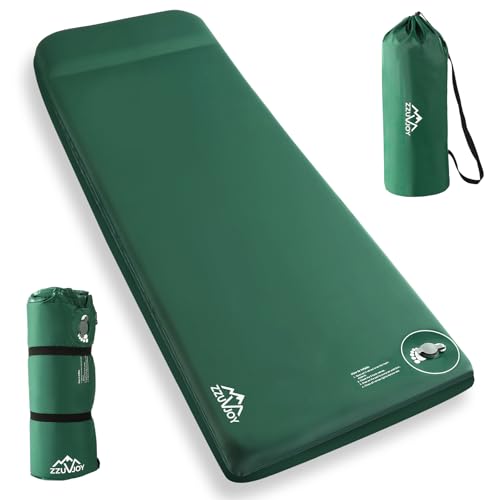
- INSTANT SELF-INFLATING WITH FOOT PUMP TECHNOLOGY: This self inflating sleeping...
- PRESSURE-RELIEVING MEMORY FOAM CORE: Wake up refreshed on 19D high-density foam...
- CUSTOMIZABLE COMFORT WITH ADJUSTABLE FIRMNESS: Find your perfect sleep setting...
Are foam pads warm enough for cold weather camping?
Foam pads provide excellent insulation because the closed-cell foam traps air and blocks cold ground. They actually keep you warmer than many inflatable pads that can lose heat.
I have used my foam pad comfortably in temperatures below freezing. The insulation works because the foam never deflates or loses its R-value like an air mattress can.
Which foam camping pad won’t let me down when I am hiking rough trails?
You need a pad with dense closed-cell foam that resists compression and punctures. Cheap thin foam will fail fast, but quality options handle serious abuse without issues.
The Wakeman Foam Sleeping Pad is what I grabbed for my kids because it is tough enough for their rough handling. It survives being dropped on rocks and thrown around camp without any damage at all.
- 【Peanut Shape and Space Saving】Camping foam sleeping pad for camping...
- 【Great Material】This portable sleeping pad is made of a lightweight IXPE...
- 【Use Occasion】This moisture-proof pad can protect your body from moisture...
Can I use a foam pad directly on dirt or pine needles?
Absolutely, foam pads work great on natural surfaces like dirt and pine needles. I have used mine directly on forest floors many times without any problems.
The foam creates a solid barrier between you and the ground. You stay clean and dry because the pad blocks moisture from seeping through to your sleeping bag.