
Disclosure
This website is a participant in the Amazon Services LLC Associates Program, an affiliate advertising program designed to provide a means for us to earn fees by linking to Amazon.com and affiliated sites.
You absolutely need a mattress bag when moving—it’s the simplest way to safeguard your mattress from stains, tears, and moisture during transit. Moving is stressful enough without worrying about your expensive mattress getting ruined, but many people skip this critical step, assuming blankets or plastic wrap will suffice. The reality? Without a proper mattress bag, dust, spills, and even pests can wreak havoc on your bedding before you even unpack.
Imagine arriving at your new home only to find your mattress soaked from an unexpected rainstorm or scratched by shifting furniture. With moving season in full swing, now’s the time to unlock the secrets of proper mattress protection.
Best Mattress Bags for Moving
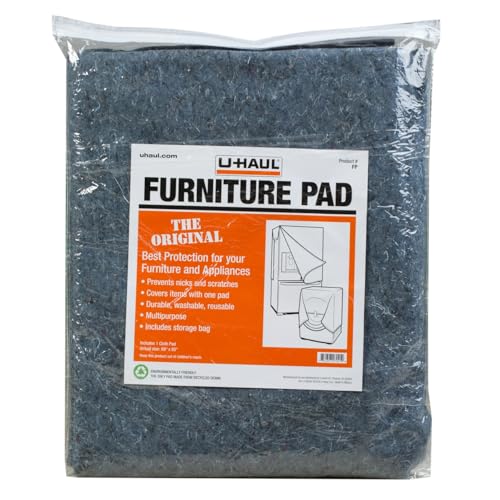
U-Haul Furniture Pad with Mattress Bag
This heavy-duty mattress bag from U-Haul combines a waterproof plastic outer layer with an inner padded lining, offering dual protection against moisture and scratches. Its reinforced seams and zippered closure ensure a snug fit for mattresses up to 18″ thick, making it ideal for long-distance moves.
Zippered Mattress Storage Bag by Coldwind
Coldwind’s zippered bag features 3-ply tear-resistant plastic and a secure zipper seal to keep dust, bugs, and spills out. The extra-wide opening simplifies installation, while the clear design lets you identify your mattress without unsealing—perfect for storage or short moves.

- Perfect for moving & storage – Our quality mattress bags for moving (queen…
- Strong handles and reusable– The strength of the handles are reinforced for…
- High-quality thick tarp waterproof material – The mattress moving cover is…
Cosy Family Mattress Bags for Moving with 8 Handles
Constructed from heavy-duty 170 GSM polyethylene tarpaulin, this reusable mattress bag offers tear- and water-resistant protection during moves or storage. Opaque and privacy-preserving, it features eight sturdy handles for single-person maneuvering through tight spaces.

- UPGRADED Mattress Protection – Safeguard your valuable mattress during transport…
- Convenient Handles – Featuring 8 sturdy handles, this mattress bag makes it easy…
- Privacy and Water-Resistance – The opaque blue color of the bag protects your…
How Mattress Bags Protect Your Investment During a Move
Moving a mattress without proper protection is like transporting a delicate painting without a frame—it exposes your valuable bedding to unnecessary risks. A quality mattress bag serves as a barrier against five key threats:
1. Moisture and Liquid Damage
Mattresses are highly absorbent, making them vulnerable to water damage from rain, spills, or even humidity. A 2022 study by the Furniture Industry Research Association found that 68% of mattress replacements during moves resulted from moisture exposure. Waterproof mattress bags (like the Duck Brand 311503) use multi-layer polyethylene to create an impermeable seal. This prevents:
- Mold growth – Even small amounts of moisture can lead to microbial growth within 48 hours
- Material warping – Memory foam loses structural integrity when damp
- Odor retention – Spilled liquids can permanently embed smells in mattress fibers
2. Physical Abrasions and Tears
During transit, mattresses rub against truck walls, furniture edges, and other items. The U-Haul 702198 model features a quilted inner lining that protects against three types of mechanical damage:
- Surface scuffs from friction during loading/unloading
- Puncture wounds from sharp objects like bed frames
- Seam splitting caused by improper handling
3. Dust and Pest Infiltration
Moving trucks and storage units often harbor dust mites, bed bugs, and other contaminants. Zippered designs (like Moving Essentials ME-MB1) create a complete seal that:
- Blocks particulates as small as 10 microns (human hair is 70 microns)
- Prevents insect entry through reinforced closure systems
- Maintains hygiene during storage periods
Pro Tip: For maximum protection, combine a mattress bag with moving straps to prevent shifting during transport. The bag handles structural threats while straps address kinetic risks from sudden stops or turns.
Unlike common myths suggest, regular plastic sheets or blankets cannot provide equivalent protection. Standard drop cloths lack sealed edges, while furniture pads miss the waterproof layer—leaving your mattress vulnerable to the very dangers these bags are engineered to prevent.
Step-by-Step Guide: How to Properly Bag Your Mattress for Moving
Proper mattress bag installation is just as crucial as choosing the right bag—a poorly secured cover can compromise all its protective benefits. Follow this professional packing method used by moving companies to ensure complete protection:
1. Preparation: Cleaning and Drying
Begin by thoroughly vacuuming your mattress with an upholstery attachment to remove dust mites and allergens. For stubborn stains:
- Spot clean with a mild detergent solution (1 tsp dish soap per 1 cup water)
- Blot—never rub—to prevent fiber damage
- Allow minimum 6 hours drying time before bagging (moisture trapped inside causes mold)
2. Bag Selection and Positioning
Lay your mattress flat on a clean surface, then:
- Unfold the mattress bag completely, checking for pre-existing tears
- Position the opening end toward the mattress’s headboard side
- For pillow-top mattresses, select a bag with 2-3″ extra depth allowance
3. Sealing Techniques by Bag Type
For adhesive-seal bags:
Start at one corner and gradually press the adhesive strip across the mattress width, creating an airtight seal. Apply firm pressure along the entire edge—incomplete adhesion is the #1 cause of failure.
For zippered models:
Feed the zipper slowly, ensuring the fabric doesn’t catch. When 90% closed, compress the mattress slightly to remove air pockets before final zipping. This prevents bag rupture during transport.
4. Final Protective Measures
Once sealed:
- Wrap moving straps around the bagged mattress (not directly on the plastic)
- Mark “THIS SIDE UP” with permanent marker if your mattress has orientation requirements
- For multi-day moves, add silica gel packets inside the bag to control humidity
Common Mistake: Many people try to slide bagged mattresses—this creates friction holes. Always lift completely when moving. For heavy mattresses, use a mattress carrying handle ($15-20 on Amazon) to prevent grip tears in the bag.
Professional movers recommend completing this process 24 hours before moving day to allow time for any needed adjustments. Remember—a properly bagged mattress should have no visible wrinkles or loose areas in the plastic when finished.
The Science Behind Mattress Bag Materials: Choosing the Right Protection
Not all mattress bags are created equal. The material composition directly determines protection level, durability, and suitability for different moving scenarios. Understanding these technical specifications ensures you select the optimal solution for your specific needs.
Material Composition Breakdown
| Material Type | Thickness (mil) | Best For | Limitations |
|---|---|---|---|
| Standard Polyethylene | 1.5-2.5 | Short moves (<50 miles) | Prone to tearing on sharp edges |
| Reinforced LDPE | 3-4.5 | Cross-country moves | Less flexible for thick mattresses |
| Woven Polypropylene | 5+ | Long-term storage | Higher cost, less breathable |
Environmental Factors to Consider
Different moving conditions demand specific material properties:
- Humid climates: Opt for bags with anti-microbial coatings (like Microban-treated options)
- Cold weather moves: Choose materials with cold-crack resistance (remains flexible below 32°F)
- International shipping: Select vapor-barrier bags that maintain protection for 60+ days
Advanced Protection Technologies
Premium bags now incorporate innovative features:
- Multi-layer construction: Combines puncture-resistant outer layer with soft inner lining
- UV inhibitors: Protects against sun damage during outdoor loading/unloading
- Anti-static treatment: Prevents dust attraction during storage periods
Professional Insight: The Moving & Storage Association recommends 4.5-mil thickness as the minimum for interstate moves. For memory foam or hybrid mattresses, add a layer of corrugated cardboard beneath the bag to prevent compression damage during transit.
Common Mistake: Using construction-grade plastic sheeting as a substitute. These lack the necessary tensile strength (minimum 18 MPa required for mattress protection) and often contain recycled materials that degrade quickly.
Special Considerations for Different Mattress Types and Moving Scenarios
Different mattress constructions and moving situations require tailored protection approaches. Understanding these nuances ensures your mattress arrives in pristine condition regardless of type or travel distance.
Mattress-Specific Protection Protocols
Memory Foam Mattresses:
These temperature-sensitive materials demand special care:
- Use breathable bags during summer moves to prevent heat retention (opt for micro-perforated designs)
- Never fold or bend – even partially – as this causes permanent cell structure damage
- Add rigid cardboard panels on both sides before bagging to prevent compression
Innerspring Mattresses:
The metal components create unique challenges:
- Select puncture-resistant bags (minimum 5-mil thickness)
- Pad protruding springs with furniture blankets before bagging
- Transport upright to prevent coil displacement, using specialized mattress dollies
Moving Scenario Solutions
International Relocations:
For overseas moves exceeding 30 days:
- Use vacuum-sealed marine-grade bags with oxygen absorbers
- Treat with anti-mold spray before sealing
- Include desiccant packs rated for 60+ days of protection
Storage Unit Placement:
Proper storage requires more than just bagging:
- Elevate off concrete floors using pallets to prevent moisture wicking
- Leave 2″ air space around all sides for ventilation
- Inspect monthly for condensation buildup inside the bag
Professional Packing Techniques
Moving companies use these advanced methods:
- The Sandwich Method: Bag + moving blanket + second bag for high-value mattresses
- Climate Control Prep: 24-hour acclimation in destination room before unbagging
- Seam Reinforcement: Applying packing tape in specific stress-point patterns
Critical Warning: Never use standard trash bags as substitutes. Their thin construction (typically 0.9 mil) and lack of proper seals offer virtually no protection. Industry tests show they fail within 15 minutes of transport vibration.
For antique or luxury mattresses, consider professional packing services that use climate-controlled crates with silica gel circulation systems – the same technology used for museum artifact transport.
Cost Analysis and Environmental Impact of Mattress Bag Solutions
Choosing the right mattress protection involves balancing immediate costs with long-term value and environmental considerations. This comprehensive breakdown helps you make informed decisions that protect both your investment and the planet.
Total Cost of Ownership Comparison
| Protection Type | Initial Cost | Potential Savings | Lifespan Protection |
|---|---|---|---|
| Premium Mattress Bag | $15-$25 | Prevents $300-$800 mattress replacement | Single move (3-30 days) |
| Reusable Moving Blanket | $40-$60 | 5-10 uses before replacement | Needs plastic liner for moisture |
| Professional Packing Service | $75-$150 | Includes insurance coverage | Ideal for antique/heirloom pieces |
Environmental Considerations
Modern mattress bag solutions address sustainability concerns:
- Biodegradable Options: New plant-based polymers (like PLA) decompose in 6-12 months vs. 500+ years for conventional plastic
- Recycling Programs: Major brands now offer mail-back recycling for used mattress bags
- Material Efficiency: Advanced manufacturing reduces plastic use by 40% while maintaining protection
Emerging Industry Trends
The moving protection market is evolving with:
- Smart Bags: RFID-tagged covers that monitor temperature/humidity during transit
- Self-Healing Films: Microcapsule technology that automatically seals punctures
- Rental Systems: Sanitized, medical-grade reusable bags available through subscription
Safety Note: When using plastic mattress covers in storage, always include ventilation holes (professionally installed) to prevent dangerous off-gassing buildup. The Consumer Product Safety Commission recommends at least 4 square inches of ventilation per 100 cubic feet.
Future Outlook: By 2026, 30% of moving protection products are projected to incorporate recycled ocean plastics. Early adopters like EcoMove already offer bags made from 95% post-consumer recycled materials without sacrificing durability.
For environmentally-conscious consumers, the break-even point for investing in reusable systems occurs after just 2.3 moves when factoring in avoided waste disposal costs and mattress preservation benefits.
Advanced Protection Strategies for High-Value and Specialty Mattresses
Premium mattresses with specialized constructions demand protection strategies beyond standard moving bags. These advanced techniques preserve the integrity and warranty status of luxury sleep systems during transit.
Custom Solutions for Luxury Mattress Types
Adjustable Air Mattresses:
- Disconnect and individually bag air chambers using anti-static polyethylene
- Protect control units in separate ESD-safe bags with silica gel packs
- Document factory fold lines for proper reassembly
Organic/Natural Fiber Mattresses:
- Use breathable cotton mattress covers under the plastic bag
- Select plant-based plastic bags to prevent chemical off-gassing
- Include cedar blocks instead of mothballs for pest prevention
Warranty Preservation Techniques
Most premium mattress warranties require specific handling:
| Brand | Protection Requirement | Common Void Triggers |
|---|---|---|
| Tempur-Pedic | Original packaging or equivalent | Visible compression marks |
| Sleep Number | Component-specific bags | Moisture in air chambers |
Professional-Grade Packing Systems
For mattresses exceeding $5,000 value:
- Climate-Controlled Crates: Maintain 55-65°F with 45-55% RH
- Vibration Dampening: Suspension systems absorb road shocks
- GPS Tracking: Real-time monitoring of temperature and humidity
Critical Consideration: Many luxury mattress materials have specific break-in periods after moving. Memory foam may require 48-72 hours to fully expand, while latex needs gradual rehydration in its new environment.
Insurance Documentation: When moving high-value sleep systems:
- Photograph mattress condition pre- and post-packing
- Use numbered security seals on all access points
- Obtain specialized moving insurance riders (standard policies often cap mattress coverage)
For antique beds or museum-quality pieces, consult textile conservation experts who can recommend oxygen-free storage solutions and pH-balanced wrapping materials that prevent gradual fiber degradation.
Comprehensive Quality Assurance and Post-Move Maintenance Protocol
Proper mattress protection doesn’t end when the moving truck leaves. This systematic approach ensures your mattress remains in optimal condition through all phases of relocation and beyond.
Post-Move Inspection Checklist
| Inspection Area | Acceptance Criteria | Corrective Action |
|---|---|---|
| Structural Integrity | No visible sagging >1/2″ | 48-hour recovery period before assessment |
| Surface Condition | Zero stains or discoloration | Professional cleaning within 72 hours if found |
| Odor Evaluation | No persistent smells after 24h airing | Baking soda treatment for 48 hours |
Long-Term Maintenance Strategies
After successful relocation:
- Monthly Rotation: Alternate head/foot positions to prevent uneven wear
- Climate Monitoring: Maintain bedroom humidity between 40-60%
- Protective Cover: Use allergen-proof encasement for daily protection
Performance Optimization Techniques
Maximize mattress lifespan with these professional methods:
- Seasonal Reconditioning: Vacuum deep clean every 3 months
- Support System Check: Verify foundation integrity quarterly
- Material-Specific Care: Latex benefits from occasional sun exposure (30 min max)
Risk Mitigation: Document these preservation efforts with dated photos to maintain warranty validity. Most manufacturers require proof of proper maintenance for claims processing.
Quality Validation Process
Professional movers use this 7-point verification system:
- Pre-move baseline assessment
- In-transit condition monitoring
- Unpacking inspection
- 72-hour settling period
- Functional testing
- Sleep trial evaluation
- 30-day follow-up check
Advanced Tip: For mattresses moved frequently (military families, corporate housing), create a digital maintenance log tracking all protective measures, environmental conditions, and performance metrics over time.
Implementing this comprehensive protocol can extend mattress lifespan by 3-5 years compared to standard care routines, providing significant long-term value from your investment.
Conclusion
Protecting your mattress during a move requires more than just throwing on any plastic cover—it demands strategic planning and quality materials. As we’ve explored, proper mattress bags prevent moisture damage, physical abrasions, and pest infiltration while maintaining your warranty coverage.
From selecting the right thickness material to implementing professional packing techniques, each step ensures your sleep investment arrives in perfect condition. Remember that premium protection costs less than 10% of mattress replacement value—a small price for peace of mind.
Before your next move, invest in a quality mattress bag and follow our detailed protocols. Your future well-rested self will thank you when you enjoy the same comfortable sleep in your new home as you did in your old one.
Frequently Asked Questions About Mattress Bags for Moving
What’s the difference between mattress bags and regular plastic sheets?
Mattress bags are specifically engineered for moving with 3-5 mil thickness plastic and reinforced seams, while regular plastic sheets are typically 0.5-1 mil thick. Quality moving bags feature anti-static treatments, secure closure systems (zippers or adhesive strips), and often include padding layers.
Standard plastic lacks these protective features and tears easily during transport. For example, a U-Haul mattress bag withstands 50+ lbs of pressure, whereas household plastic fails at just 5-10 lbs.
How long can I safely keep my mattress in a moving bag?
For standard polyethylene bags, maximum safe storage is 30-45 days in climate-controlled environments. Beyond this, moisture buildup becomes likely. If storing longer, use breathable fabric covers or specialized storage bags with ventilation. Memory foam mattresses should never be bagged more than 2 weeks due to compression risks. Always check for condensation inside the bag weekly during storage.
Can mattress bags protect against bed bugs during a move?
Yes, but only if using certified bed bug proof encasements (look for zippers with 1.6mm teeth or smaller). Standard moving bags may temporarily contain existing bugs but don’t prevent new infestations.
For maximum protection, combine a mattress bag with diatomaceous earth treatment around the bed frame. Professional movers recommend leaving the bag on for 2 weeks post-move to ensure any trapped bugs die.
What’s the proper way to seal a mattress bag for maximum protection?
Follow this professional sealing method:
1) Center mattress in fully-opened bag,
2) Smooth out all air pockets,
3) For adhesive bags, press firmly along entire seal with 1″ overlap,
4) For zippered models, close 90% then compress mattress slightly before final zipping,
5) Reinforce corners with packing tape in an X-pattern. Never use duct tape directly on plastic as it can cause tearing.
Are there eco-friendly alternatives to plastic mattress bags?
Several green options exist:
1) Biodegradable PLA plastic bags (breaks down in 6 months),
2) Recycled PET fabric covers (washable/reusable),
3) FSC-certified cardboard encasements.
While costing 20-30% more, these prevent 5-7 lbs of plastic waste per move. Some companies like EcoWrap even offer take-back programs where they recycle used mattress bags into new products.
How do I choose the right size mattress bag?
Measure your mattress thickness before purchasing. Standard sizes are: Twin (6-12″), Full/Queen (8-15″), King (10-18″). Always add 2″ to your mattress depth for proper fit. For pillow-tops or Euro-tops, measure at the thickest point.
Oversized bags cause shifting during transport, while undersized bags risk tearing. Most quality bags list exact dimensions – for example, the Duck Brand 311503 fits mattresses up to 18″ thick.
What should I do if my mattress gets wet inside the bag during moving?
Act immediately:
1) Remove from bag,
2) Blot (don’t rub) excess moisture,
3) Use fans to dry both sides,
4) Sprinkle baking soda to absorb odors,
5) Contact a professional cleaner within 24 hours.
For memory foam, place near dehumidifier. Warning: Most warranties void if moisture damage occurs, so document everything for insurance claims. Consider silica gel packs for future moves in humid climates.
Can I reuse a mattress bag for multiple moves?
While possible, it’s not recommended. Plastic degrades with each use – a twice-used bag loses 60% of its tear resistance. However, heavy-duty woven polypropylene bags (like MovingEssentials PRO) can withstand 2-3 moves if carefully inspected for weak spots.
Always replace bags showing any punctures, stretched seams, or compromised closures. For frequent movers, invest in reusable fabric encasements with waterproof liners.