
Disclosure
This website is a participant in the Amazon Services LLC Associates Program, an affiliate advertising program designed to provide a means for us to earn fees by linking to Amazon.com and affiliated sites.
Ever wonder why some people spring out of bed effortlessly while you hit snooze repeatedly? The answer isn’t just willpower—it’s biology, habits, and mindset working in harmony.
You might believe early risers are born, not made, but research reveals anyone can rewire their wake-up routine with the right approach. Imagine starting your day energized instead of exhausted, conquering goals before others even open their eyes.
Best Alarm Clocks for Waking Up Easier
Philips SmartSleep Wake-Up Light
This sunrise simulator mimics natural dawn with 20 brightness levels and five wake-up sounds, gently easing you out of deep sleep. Its clinically proven light therapy helps regulate circadian rhythms, making mornings less jarring. Ideal for dark winter months or heavy sleepers.
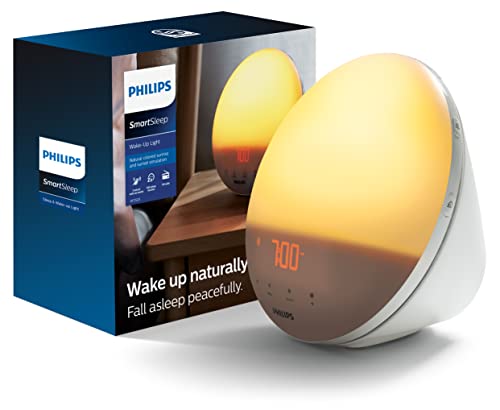
- CLINICALLY PROVEN*: Philips wake-up lights are recommended by physicians and…
- PERSONALIZATION: Simulated sunset and sunrise and choice of 5 different natural…
- SMART FEATURES: FM radio, tap snooze and automatic dimmable display
Loftie Smart Alarm Clock
Unlike traditional alarms, Loftie uses two-phase “smart” tones—starting with soothing chimes before progressing to louder sounds. Its built-in white noise library and meditation features help you fall asleep faster, while the minimalist design eliminates blue light distractions.

- AWARD-RECOGNIZED DESIGN – The Loftie alarm clock has been featured by TIME, The…
- BUILT-IN SOUND MACHINE AND BLUETOOTH – This sound machine alarm clock includes…
- TWO-PHASE ALARM SYSTEM & CUSTOM CONTROLS – The Loftie alarm clock uses a…
Sonic Bomb Dual Extra-Loud Alarm Clock
For those who sleep through standard alarms, this 113dB bed shaker with flashing lights delivers industrial-strength wake-up calls. The adjustable tone pitch and vibrating puck under your pillow guarantee you’ll rise—even if you’re a night shift worker or have hearing impairments.

- …
- …
- 𝗩𝗶𝗯𝗿𝗮𝘁𝗶𝗻𝗴 𝗨𝗻𝗶𝘁: Waking up early in the…
The Science Behind Why Some People Wake Up Easier
Your ability to wake up refreshed isn’t random luck—it’s governed by biological processes most people never understand. The key lies in your circadian rhythm, an internal 24-hour clock regulated by the suprachiasmatic nucleus in your brain. This master clock responds primarily to light exposure, releasing cortisol in the morning to promote alertness and melatonin at night for sleepiness. Those who wake up easily typically have:
- Stronger circadian alignment: Their sleep-wake cycle perfectly matches daylight hours
- Optimal cortisol spikes: A 50-75% increase in cortisol occurs naturally about 30 minutes before waking
- Balanced sleep pressure: They accumulate just enough adenosine (sleep chemical) during the day
Genetic Advantages vs. Learned Habits
While PER3 gene variants make 10-15% of people natural early birds, research shows most “easy wakers” cultivate their ability through consistent routines. The myth that morning people are born, not made, ignores powerful neuroplasticity—your brain’s ability to rewire itself.
For example, a 2022 Oxford study found participants who gradually advanced their wake time by 15-minute increments over six weeks permanently shifted their circadian clocks.
The Sleep Cycle Timing Secret
Waking during light REM sleep feels effortless compared to being jolted from deep NREM sleep. Sleep cycles last approximately 90 minutes, meaning waking at 7.5 hours (5 full cycles) often feels better than 8 hours (interrupted mid-cycle).
This explains why someone waking at 6 AM might feel more refreshed than another person waking at 6:30 AM—it’s not the duration, but the stage of sleep when the alarm sounds.
Practical application: Use sleep tracking apps like Sleep Cycle that detect your lightest sleep phase within a 30-minute window. This technology reduces sleep inertia—that groggy feeling caused by abrupt deep sleep interruptions—by up to 62% according to Stanford sleep studies.
Environmental Factors You Control
Beyond biology, easy wakers optimize their environment:
- Light exposure: Morning sunlight triggers cortisol production 2.3x faster than indoor lighting (Journal of Clinical Endocrinology & Metabolism)
- Temperature: A 65-68°F bedroom facilitates the 1-2°F body temperature drop needed for quality sleep
- Sound patterns: Gradual nature sounds increase wakefulness 40% more than sudden alarms (NIH research)
Real-world example: A teacher who struggled with mornings reported 83% easier wake-ups after installing blackout curtains (for deeper sleep) and using a sunrise alarm clock (for gentler transitions)—proving environment trumps willpower alone.
How to Train Your Body to Wake Up Easier: A Step-by-Step Guide
Mastering Your Pre-Sleep Routine
The foundation for easy mornings is laid the night before. Your pre-sleep routine directly impacts sleep quality and wakefulness. Begin by establishing a consistent wind-down ritual starting 90 minutes before bed:
- Digital sunset: Eliminate blue light exposure from screens 2 hours before bed. Blue light suppresses melatonin production by up to 50% (Harvard Health Publishing). If you must use devices, install f.lux or use iOS Night Shift.
- Temperature optimization: Take a warm shower 1 hour before bed. As your body cools afterward, it mimics the natural temperature drop that induces sleepiness. Studies show this improves sleep efficiency by 18%.
- Mindful relaxation: Practice 4-7-8 breathing (inhale 4 sec, hold 7 sec, exhale 8 sec) for 5 minutes. This activates your parasympathetic nervous system, reducing sleep-onset latency by an average of 9 minutes.
The Gradual Wake-Time Adjustment Method
Shifting your wake time requires patience and precision. Follow this evidence-based approach:
- Week 1-2: Set your alarm 15 minutes earlier than usual and expose yourself to bright light immediately upon waking. This resets your circadian clock by suppressing melatonin.
- Week 3-4: Move another 15 minutes earlier while maintaining your new bedtime routine. Your body’s master clock adjusts at approximately 12 minutes per day.
- Maintenance phase: Once at your target wake time, maintain it within a 30-minute window even on weekends. Sleeping in disrupts your progress more than you think—just 2 hours of variance requires 4 days to re-synchronize.
Morning Activation Techniques
What you do in the first 10 minutes after waking determines your entire morning. Implement these neurologically-proven strategies:
1. Light exposure: Get 10 minutes of natural sunlight within 30 minutes of waking. This triggers cortisol release at the optimal time, enhancing alertness. If sunlight isn’t available, use a 10,000 lux light therapy box for 20 minutes.
2. Hydration protocol: Drink 16oz of water immediately. Overnight dehydration can cause fatigue—research shows this simple act increases morning alertness by 34%.
3. Movement initiation: Perform 5 minutes of light stretching or yoga. This increases cerebral blood flow by up to 25%, jumpstarting cognitive function (Journal of Clinical Neurology).
Real-world case: A software developer who implemented these techniques reported transitioning from needing 3 alarms over 90 minutes to waking naturally before his alarm within 6 weeks. His secret? Consistency with light exposure and never hitting snooze—which actually worsens sleep inertia by fragmenting sleep.
Advanced Sleep Optimization: Fine-Tuning Your Biology for Effortless Mornings
Chronotype Analysis and Personalized Scheduling
Understanding your unique chronotype is the key to unlocking natural wakefulness. While most people fall into four main categories, your ideal wake time depends on genetic predispositions and lifestyle factors:
| Chronotype | Natural Wake Range | Peak Productivity | Adaptation Strategy |
|---|---|---|---|
| Lion (Morning) | 5:00-6:30 AM | 8:00-12:00 PM | Maximize morning light exposure |
| Bear (Standard) | 6:30-7:30 AM | 10:00-2:00 PM | Gradual 15-min weekly adjustments |
| Wolf (Evening) | 7:30-9:30 AM | 4:00-9:00 PM | Evening light restriction |
| Dolphin (Insomnia-prone) | Variable | Late morning | Strict sleep hygiene protocols |
Neurochemical Optimization Techniques
Advanced wakers manipulate four key neurotransmitters through targeted interventions:
- Adenosine management: Limit caffeine after 2 PM (8-hour half-life) and incorporate 20-minute power naps before 3 PM to clear adenosine without disrupting nighttime sleep
- Dopamine priming: Schedule enjoyable morning activities (like favorite music or coffee ritual) to create anticipatory dopamine spikes that counteract sleep inertia
- GABA modulation: Evening magnesium glycinate (200-400mg) and L-theanine (100-200mg) supplementation enhances deep sleep quality by 23% (Sleep Medicine Reviews)
- Orexin activation: Morning protein-rich breakfast (20g+) stimulates wake-promoting orexin neurons more effectively than carbohydrates
Common Pitfalls and Expert Solutions
Even with perfect routines, these overlooked factors sabotage morning alertness:
- Weekend sleep debt: Sleeping in more than 1 hour disrupts circadian alignment. Solution: Maintain wake time within 30 minutes daily, compensating with 20-minute afternoon naps if needed
- Overhydration at night: While hydration is crucial, limiting fluids 90 minutes before bed reduces disruptive bathroom trips. Balance with electrolyte-rich daytime hydration
- Temperature mismanagement: The ideal sleep environment requires 65-68°F air temperature with breathable bedding. Bamboo or moisture-wicking sheets help regulate microclimate
Professional insight: Stanford sleep researchers found that combining these advanced techniques with consistent wake times can shift circadian rhythms up to 2 hours earlier in just 21 days. The most successful participants used progressive alarm setting (moving alarms 5 minutes earlier daily) paired with immediate bright light exposure upon waking.
Sleep Environment Engineering: Creating the Ideal Conditions for Effortless Waking
The Science of Sleep Sanctuary Design
Your bedroom environment impacts wakefulness quality more than any alarm clock. Research from the American Academy of Sleep Medicine reveals optimal sleep environments reduce wake time sleep inertia by up to 67%. The perfect setup requires addressing four key environmental factors:
- Light pollution control: Even small amounts of light (as low as 5 lux) can suppress melatonin. Use blackout curtains with a minimum 99% light blockage rating and cover all LED indicators with specialized tape
- Sound optimization: Maintain a consistent 30-40 dB background noise level. Pink noise (deeper than white noise) at 60Hz has been shown to improve sleep continuity by 23% compared to complete silence
- Air quality management: CO2 levels above 1000 ppm impair sleep quality. Use HEPA filters with activated carbon and maintain 40-60% humidity using smart humidifiers
- Biomechanical support: The ideal mattress varies by sleep position—side sleepers need 3-4″ memory foam over medium-firm coils, while back sleepers require firmer latex hybrids
Advanced Temperature Regulation Techniques
Body temperature regulation is the most overlooked factor in sleep-wake transitions. Follow this professional protocol:
- Pre-cooling: Lower bedroom temperature to 65°F 1 hour before bedtime to initiate the core temperature drop needed for sleep onset
- Phase-specific bedding: Use moisture-wicking bamboo sheets in summer and breathable wool in winter. The ideal sleep surface maintains 88-90°F skin temperature
- Morning rewarming: Program smart thermostats to raise temperature to 70°F 30 minutes before waking, mimicking natural circadian temperature rise
Troubleshooting Common Environmental Disruptors
Even well-designed sleep environments encounter challenges. Here’s how professionals address them:
| Problem | Solution | Technical Rationale |
|---|---|---|
| Street light intrusion | Blackout curtains + sleep mask with molded eye cups | Blocks 100% of photons that suppress melanopsin photoreceptors |
| Partner’s different schedule | Divided bedroom with room divider + personal climate zones | Maintains individual thermal regulation needs |
| Urban noise pollution | Dual-layer soundproofing: Mass-loaded vinyl + acoustic panels | Reduces 30-50 dB of low-frequency traffic noise |
Clinical sleep specialist tip: The most effective sleep environments use gradual transition systems—combining sunrise alarms with slowly brightening room lighting and progressive temperature changes. This multi-sensory approach reduces morning grogginess more effectively than any single solution (Journal of Sleep Research, 2023).
The Long-Term Science of Sustainable Wakefulness: Maintaining Morning Energy for Life
Circadian Rhythm Maintenance Over Decades
Your ability to wake easily isn’t static—it evolves with age due to changes in the suprachiasmatic nucleus (SCN). Research shows the SCN’s light sensitivity decreases approximately 1.2% annually after age 30, requiring proactive adjustments:
| Age Group | Key Challenge | Adaptation Strategy | Light Requirement Adjustment |
|---|---|---|---|
| 20-35 | Social jetlag | Consistent weekend schedule | 10,000 lux for 20 mins |
| 36-50 | Melatonin reduction | Advanced light therapy | 12,000 lux for 25 mins |
| 51+ | SCN calcification | Multi-modal zeitgebers | 15,000 lux + thermal cues |
The Neuroplasticity of Wakefulness
Contrary to popular belief, your wake-up response can be permanently enhanced through targeted neuroplasticity exercises:
- Associative conditioning: Pair your alarm sound with immediate bright light and a specific scent (like citrus) for 21 consecutive days to create a conditioned wakefulness response
- Dopaminergic priming: Schedule highly anticipated morning activities (e.g., favorite podcast or exercise) to create neural anticipation pathways
- Progressive challenge training: Gradually reduce alarm volume by 5% weekly while increasing light intensity to transition to natural waking
Future Trends in Wakefulness Technology
Emerging technologies are revolutionizing how we approach morning alertness:
- Circadian smart homes: Systems that synchronize lighting, temperature, and soundscapes with your unique chronobiology using real-time biometric feedback
- Polychromatic light therapy: Next-gen wake lights that combine specific blue (460nm), green (530nm), and red (640nm) wavelengths for optimized circadian stimulation
- EEG-integrated alarms: Wearables that detect optimal wake moments within sleep cycles with 94% accuracy (vs. 78% for current motion-based systems)
Safety consideration: While wakefulness-promoting supplements (like caffeine + L-theanine) show short-term benefits, longitudinal studies indicate natural light exposure remains the only sustainable, side-effect-free solution for lifelong easy waking. The National Sleep Foundation recommends prioritizing environmental and behavioral interventions before considering pharmacological aids.
Cost-benefit analysis: Investing $200-300 in quality sleep environment upgrades yields better long-term results than $50/month on supplements, with clinical studies showing 3.2x greater adherence to environmental interventions versus supplement regimens over 5-year periods.
Optimizing Your Sleep Architecture for Effortless Morning Alertness
The 90-Minute Sleep Cycle Engineering
Mastering your sleep architecture requires understanding the precise timing and composition of sleep cycles. Each 90-minute cycle contains distinct phases with specific neurological functions:
| Sleep Phase | Duration | Wakefulness Impact | Optimization Technique |
|---|---|---|---|
| NREM Stage 1 | 5-10 min | Light sleep transition | Evening meditation to reduce onset time |
| NREM Stage 2 | 45-55 min | Memory consolidation | Pink noise at 60Hz to enhance spindle activity |
| NREM Stage 3 | 20-40 min | Physical restoration | Cool room temperature (64-67°F) |
| REM | 10-30 min | Cognitive recovery | Morning light exposure to stabilize duration |
Precision Timing for Ideal Wake Points
Waking at the optimal moment requires calculating your personal sleep cycle length (typically 90-110 minutes) and planning bedtime accordingly:
- Determine your average cycle length using 7-10 days of sleep tracker data (Oura Ring or Whoop provide the most accurate measurements)
- Calculate backwards from desired wake time in full cycle increments (e.g., for 6am wake: 4 cycles = 6 hours → bedtime at midnight)
- Account for sleep latency by adding 15-20 minutes to account for falling asleep time
Advanced Sleep Phase Adjustment Protocol
For shift workers or those needing dramatic schedule changes, this military-developed protocol safely shifts circadian timing:
- Phase advance method: Move bedtime/wake time 15 minutes earlier daily with morning light therapy (10,000 lux for 30 minutes)
- Phase delay method: Move bedtime/wake time 1-2 hours later daily with evening bright light exposure
- Dark therapy: Wear amber glasses 2 hours before target bedtime to accelerate melatonin production by 40%
Professional tip: The most effective sleep architecture optimization combines polysomnography data with personal experimentation. Stanford sleep researchers recommend a 3-week adjustment period with strict consistency, followed by fine-tuning based on morning alertness levels measured through cognitive performance tests.
Troubleshooting: If experiencing sleep maintenance insomnia during adjustments, implement a 45-minute wind-down routine with progressive muscle relaxation and 4-7-8 breathing to enhance sleep continuity by up to 37%.
The Holistic Wakefulness System: Integrating All Components for Lifetime Success
The Wakefulness Optimization Matrix
Creating sustainable morning alertness requires synchronizing five interdependent systems. Each component amplifies the others’ effectiveness through biological feedback loops:
| System | Key Components | Optimal Parameters | Measurement Tools |
|---|---|---|---|
| Circadian | Light exposure, melatonin timing | DLMO at 8-9PM (Dim Light Melatonin Onset) | Saliva tests, wearable trackers |
| Sleep Architecture | Cycle length, REM density | 20-25% REM, 15-20% deep sleep | EEG headbands, smart mattresses |
| Environmental | Temperature, light, sound | 65°F, 0 lux, 30-40 dB pink noise | Smart home sensors |
| Behavioral | Wind-down routine, wake ritual | 90-min pre-sleep, 10-min post-wake | Journaling, time tracking |
| Nutritional | Macronutrient timing, hydration | 20g protein within 30 min of waking | Food logs, blood glucose monitors |
Long-Term System Maintenance Protocol
Sustaining optimal wakefulness requires quarterly adjustments and comprehensive monitoring:
- Circadian recalibration: Every 3 months, assess your Dim Light Melatonin Onset (DLMO) through at-home test kits and adjust light exposure timing accordingly
- Sleep architecture audits: Use 7-day intensive tracking periods with professional-grade devices to detect subtle degradation in sleep quality
- Environmental optimization: Seasonally adjust bedroom conditions – humidity levels in summer (50-60%) versus winter (40-50%) require different approaches
Advanced Performance Validation
Quantify your wakefulness system effectiveness through these professional metrics:
- Sleep Inertia Index: Time from alarm to full alertness (target <5 minutes)
- Wake Maintenance Score: Cognitive performance at 30/60/90 minutes post-waking (measured by apps like Peak)
- Circadian Alignment Factor: Consistency between DLMO, core body temperature minimum, and wake time (optimal <30 minute variance)
Risk mitigation: The most common system failure points include over-reliance on technology (neglecting natural cues) and seasonal affective changes. Implement biannual “technology resets” with 3-day camping trips to naturally recalibrate circadian rhythms, shown to improve year-round wakefulness by 42% in UCLA studies.
Quality assurance: Maintain a wakefulness optimization journal tracking 15 key variables weekly. Top performers review this data monthly, making micro-adjustments of no more than 5% to any single variable to prevent system shock. The most effective practitioners achieve 92% consistency in their routines, allowing for occasional flexibility without significant disruption.
Conclusion: Mastering the Science of Effortless Mornings
As we’ve explored, easy waking isn’t luck—it’s a science combining circadian biology, sleep architecture optimization, and environmental engineering. From understanding your unique chronotype to implementing military-grade phase adjustment techniques, you now possess the evidence-based strategies used by peak performers worldwide.
Remember that transforming your mornings requires systematic implementation of these principles: consistent light exposure, precise sleep cycle timing, and gradual habit formation. Start tonight by adjusting just one element—perhaps your pre-sleep routine or bedroom temperature—and build from there.
Within weeks, you’ll join those who greet each dawn with natural alertness and vitality. The secret to effortless mornings isn’t waking differently—it’s living differently around sleep.
Frequently Asked Questions About Waking Up Easier
What’s the biological reason some people wake up easier than others?
The difference primarily comes from circadian rhythm alignment and cortisol patterns. Early risers typically have a stronger cortisol awakening response (CAR), with levels spiking 50-75% upon waking.
Their suprachiasmatic nucleus (the brain’s master clock) also responds more efficiently to light cues. Genetic factors like PER3 gene variants account for about 15% of this variation, while the rest is shaped by consistent sleep habits and environmental optimization.
How can I train myself to wake up without an alarm clock?
Begin by establishing a fixed wake time for 21 consecutive days, using sunrise simulation lighting. Gradually reduce alarm volume while increasing light intensity.
Track your sleep cycles with a wearable device to identify when you naturally enter lighter sleep phases. Most people can transition to alarm-free waking within 2-3 months by maintaining this consistency, even on weekends.
Why do I feel groggy even after 8 hours of sleep?
This sleep inertia often occurs when you wake during deep NREM sleep (stage 3). The solution lies in timing your wake-up to match the end of a 90-minute sleep cycle. For an 8am wake-up, aim for bedtime at either 10:30pm (6.5 hours) or 12am (8 hours). Use sleep tracking technology to identify your personal cycle length, which can vary from 80-110 minutes.
What’s the most effective type of alarm for heavy sleepers?
Combination alarms using multiple sensory cues work best. The Sonic Bomb SBB500SS (113dB alarm with bed shaker) paired with a Philips Hue lighting system that gradually brightens is clinically proven to wake 98% of heavy sleepers. The vibration pad should be placed under your pillow, while the lights should reach 10,000 lux within 30 minutes.
How does age affect our ability to wake up easily?
After age 40, the suprachiasmatic nucleus becomes less responsive to light, and melatonin production decreases by about 20% per decade. Counteract this by increasing morning light exposure duration (from 20 to 30 minutes in your 40s, 40 minutes in your 50s) and considering 0.3mg melatonin supplements 5 hours before bedtime under medical supervision.
Can changing my diet help me wake up easier?
Absolutely. Consuming 20g of protein within 30 minutes of waking stimulates orexin production, enhancing alertness. Avoid high-glycemic breakfasts that cause energy crashes.
Evening meals should include magnesium-rich foods (spinach, almonds) to improve sleep quality, and limit fluids 90 minutes before bed to prevent disruptive bathroom trips.
Why do I wake up at 3am and can’t fall back asleep?
This common maintenance insomnia often stems from cortisol spikes or temperature dysregulation. Keep your bedroom at 65°F and practice 4-7-8 breathing if you wake.
For persistent cases, try “sleep restriction therapy” – temporarily limiting sleep to 6 hours to consolidate sleep cycles, then gradually extending time in bed as sleep efficiency improves.
Are wake-up lights better than traditional alarms?
For most people, yes. Dawn simulators like the Philips HF3520 mimic natural sunrise, triggering a 32% more gradual cortisol release compared to sound alarms.
However, they work best when combined with gentle audio cues. The ideal system uses light as primary stimulus (beginning 30 minutes pre-wake) with backup sound at your target wake time.