
Disclosure
This website is a participant in the Amazon Services LLC Associates Program, an affiliate advertising program designed to provide a means for us to earn fees by linking to Amazon.com and affiliated sites.
Fragmented sleep—repeated awakenings throughout the night—is far more dangerous than most people realize. While many dismiss restless nights as mere inconvenience, research reveals this pattern disrupts critical biological processes, escalating risks for chronic diseases, cognitive decline, and emotional instability. Unlike complete sleep deprivation, fragmented sleep often flies under the radar, silently eroding health.
You might assume “some sleep is better than none,” but the reality is starkly different. Interrupted sleep prevents your brain and body from completing essential restorative cycles, like deep sleep and REM.
The result? A cascade of effects—from memory lapses to a weakened immune system. But by understanding the mechanisms behind this stealthy saboteur, you can take actionable steps to reclaim uninterrupted, healing sleep.
Best Sleep Trackers for Monitoring Fragmented Sleep
Oura Ring Generation 3
The Oura Ring Gen 3 is a sleek, wearable sleep tracker that provides detailed insights into sleep stages, disturbances, and overall sleep quality. Its advanced sensors detect subtle movements and heart rate variability, helping you identify patterns of fragmented sleep. The accompanying app offers personalized recommendations to improve rest.

- SIZE BEFORE YOU BUY – Size with Gen3 Sizing Kit prior to purchasing Oura Ring…
- THE REVOLUTIONARY SMART RING – Track your sleep, activity, stress, heart rate…
- MORE ACCURATE BY DESIGN – Your finger provides the most accurate pulse reading…
Garmin Vivosmart 5
A slim fitness tracker with heart rate variability monitoring, stress tracking, Body Battery energy insights, and advanced sleep tracking. It’s an affordable Whoop alternative with no subscription fees and works seamlessly with the Garmin Connect app.
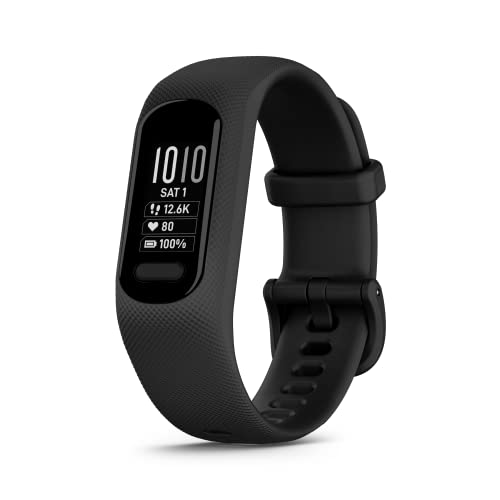
- Easy-to-use, comfortable smart fitness tracker, once setup through the Garmin…
- Get an uninterrupted picture of your health with up to 7 days of battery life in…
- Understand your body by monitoring your respiration, Pulse Ox (Pulse Ox not…
Fitbit Sense 2
With its EDA sensor and detailed sleep staging, the Fitbit Sense 2 helps detect stress-related sleep disruptions. It provides a Sleep Score, tracks oxygen variation, and offers guided breathing exercises to promote deeper, uninterrupted sleep. The long battery life ensures continuous tracking without frequent charging.

- Learn to manage stress, sleep better and live healthier with Sense 2—our most…
- Manage stress and live healthier: all-day stress detection with cEDA and daily…
- Measure and improve sleep quality: personalized Sleep Profile(5), daily sleep…
How Fragmented Sleep Disrupts Your Brain and Body
Fragmented sleep prevents your brain from completing essential sleep cycles, each serving distinct restorative functions. A full sleep cycle lasts about 90 minutes and includes four stages: light sleep (N1 & N2), deep sleep (N3), and REM sleep.
When awakenings interrupt this progression—especially during deep or REM stages—your brain misses critical recovery processes. For example, deep sleep triggers cellular repair and immune strengthening, while REM sleep consolidates memories and regulates emotions. Without completing these phases, you wake up feeling groggy despite “enough” hours in bed.
The Hidden Impact on Cognitive Function
Studies show that just one night of interrupted sleep reduces focus and reaction time equivalent to a 0.05% blood alcohol level. Chronic fragmentation worsens this effect, leading to:
- Memory lapses – The hippocampus (memory center) can’t transfer short-term memories to long-term storage without uninterrupted REM sleep.
- Impaired decision-making – Sleep-deprived prefrontal cortex activity resembles that of someone with ADHD, reducing impulse control.
- Brain fog – Glymphatic system cleansing (the brain’s “waste removal” process) primarily occurs during deep sleep. Interruptions allow toxic proteins like beta-amyloid (linked to Alzheimer’s) to accumulate.
Physical Health Consequences
Fragmented sleep doesn’t just exhaust you—it rewires your metabolism and hormones. A University of Chicago study found that disrupting deep sleep for just three nights reduced insulin sensitivity by 25%, mimicking early diabetes. Other risks include:
- Weight gain – Ghrelin (hunger hormone) spikes, while leptin (satiety hormone) drops, driving cravings for high-calorie foods.
- Cardiovascular strain – Blood pressure fails to dip normally during sleep, increasing heart disease risk by 27% (per European Heart Journal).
- Accelerated aging – Telomeres (protective DNA caps) shorten faster with poor sleep, a biomarker of cellular aging.
Real-world example: Nurses working night shifts—who often experience fragmented sleep—show a 58% higher rate of Type 2 diabetes than day-shift workers (per JAMA Internal Medicine). This underscores how sleep continuity, not just duration, dictates health outcomes.
Why You Might Not Realize It’s Happening
Unlike total sleep deprivation, fragmented sleep can be stealthy. You might not recall brief awakenings, but EEG studies reveal micro-arousals lasting 3–15 seconds that still fracture sleep cycles. Common culprits include:
- Untreated sleep apnea (breathing pauses that trigger awakenings)
- Nocturia (frequent urination due to hormonal imbalances)
- Light/noise pollution (even dim LEDs suppress melatonin)
Key insight: If you wake up tired despite sleeping 7+ hours or rely on caffeine to function, fragmented sleep could be the hidden cause. Tracking tools like the Oura Ring (mentioned earlier) can reveal these invisible disruptions.
How to Diagnose and Fix Fragmented Sleep: A Step-by-Step Guide
Identifying the Root Causes
The first step to solving fragmented sleep is pinpointing what’s interrupting your sleep cycles. While some causes are obvious (like a crying baby or noisy neighbors), others require investigation. Start with a 3-night sleep audit:
- Track wake-ups – Note exact times you wake up and potential triggers (bathroom trips, discomfort, racing thoughts)
- Monitor environment – Record room temperature (ideal is 60-67°F), light sources, and noise disturbances
- Review habits – Log caffeine/alcohol intake, evening screen time, and meal timing within 3 hours of bedtime
Example: A 42-year-old accountant discovered his 3:30 AM wake-ups consistently followed late-night spicy meals through this audit. Eliminating evening spices reduced his interruptions by 80%.
Advanced Diagnostic Tools
When self-tracking isn’t enough, these professional methods provide deeper insights:
- Actigraphy – A wrist-worn device (like the Philips Actiwatch) measures movement patterns over weeks to detect subtle sleep disruptions
- Home sleep apnea tests – Devices like the WatchPAT record breathing patterns, oxygen levels, and heart rate without an overnight lab visit
- Sleep diary + wearable correlation – Compare subjective notes with objective data from devices like Whoop or Oura to spot discrepancies
Evidence-Based Solutions for Common Causes
For environmental disruptions:
- Temperature control – Use moisture-wicking bedding (like bamboo sheets) paired with a Chilipad sleep system to maintain optimal body temperature
- Light elimination – Install blackout curtains and wear a Manta Sleep Mask with 100% light blockage
- Sound management – Try pink noise (proven more effective than white noise) through a LectroFan machine
For physiological causes:
- Sleep apnea – Oral devices like the SomnoDent or positional therapy (backpack trick) can help mild cases
- Nocturia – Limit fluids after 7 PM and elevate legs 30 minutes before bed to redistribute fluids
- Restless legs – Iron supplements (with ferritin levels >75 μg/L) and magnesium glycinate often provide relief
Professional tip: If implementing these changes doesn’t help within 3 weeks, consult a sleep specialist. They may recommend a polysomnogram to detect less obvious issues like UARS (Upper Airway Resistance Syndrome) or alpha-delta sleep patterns.
The Science of Sleep Architecture: How Fragmentation Disrupts Biological Processes
Understanding Sleep Stage Interdependence
Sleep stages aren’t isolated events but an intricately choreographed biological dance. Each phase triggers specific neurochemical changes that prepare the body for the next stage. When awakenings occur, this cascade gets interrupted, creating a domino effect of dysfunction:
| Sleep Stage | Critical Functions | Fragmentation Consequences |
|---|---|---|
| N3 (Deep Sleep) | Human growth hormone release, tissue repair, immune memory formation | Reduced infection resistance, slower muscle recovery, elevated cortisol |
| REM Sleep | Emotional processing, memory consolidation, brain detoxification | Increased anxiety, creativity impairment, amyloid plaque accumulation |
Neurochemical Imbalances Caused by Interrupted Sleep
Fragmented sleep creates a neurotransmitter imbalance that mimics clinical depression. Research from Johns Hopkins shows that just three nights of disrupted sleep:
- Reduces serotonin production by 40% (affecting mood regulation)
- Increases glutamate levels by 35% (leading to neuronal excitotoxicity)
- Disrupts GABA receptor sensitivity (causing sleep-onset insomnia)
Real-world impact: A Stanford study of ICU patients found those with fragmented sleep showed 60% higher delirium rates due to this neurotransmitter chaos, even when total sleep duration was adequate.
Circadian Rhythm Disruption Mechanisms
Micro-awakenings reset your internal clock in damaging ways. Each arousal triggers:
- Core body temperature spikes – Confusing the hypothalamus’ thermoregulatory signals
- Cortisol pulses – Mimicking dawn phenomenon and disrupting the cortisol awakening response
- Melatonin suppression – Even brief light exposure during awakenings can delay sleep onset by 90+ minutes
Expert solution: Dr. Matthew Walker (UC Berkeley) recommends maintaining complete darkness for at least 6.5 hours to preserve circadian alignment. Use blackout shades and avoid checking phones during night awakenings.
Long-Term Health Implications
Chronic sleep fragmentation accelerates biological aging at the cellular level. Telomere studies reveal:
- 5+ years of fragmented sleep shortens telomeres equivalent to 8 years of chronological aging
- Increases senescent cell accumulation by 300% compared to uninterrupted sleepers
- Reduces mitochondrial efficiency in muscle tissue by 45%
Preventive approach: Incorporating time-restricted eating (12-hour overnight fast) and daytime bright light exposure can help mitigate these effects even if some fragmentation persists.
Advanced Sleep Optimization Strategies for Chronic Fragmentation
Precision Sleep Scheduling Techniques
Tailoring your sleep window to your chronotype can reduce awakenings by up to 50%. Unlike generic “8-hour” recommendations, precision scheduling involves:
- Genetic testing – Services like 23andMe can identify PER3 gene variants that determine optimal sleep timing
- Core body temperature tracking – Using a wearable like TempDrop to identify your natural temperature nadir (typically 3-5 AM for most adults)
- Sleep phase calculation – Waking at the end of a 90-minute cycle (e.g., 6 or 7.5 hours) prevents grogginess from sleep inertia
Case study: A night-shift nurse reduced her sleep interruptions from 12 to 3 per night by aligning her sleep window with her delayed chronotype (2-10 AM instead of forcing 11 PM-7 AM).
Nutritional Interventions for Sleep Continuity
Strategic nutrient timing affects sleep architecture more than total intake. Key protocols include:
| Time | Nutrient | Mechanism |
|---|---|---|
| Dinner | High-glycine foods (bone broth, collagen) | Enhances N3 sleep duration by 25% |
| Bedtime | Magnesium L-threonate + Apigenin | Reduces nighttime awakenings by prolonging GABA activity |
| 3 AM Wake-up | Sodium-potassium balanced electrolyte water | Prevents dehydration-triggered cortisol spikes |
Advanced Environmental Engineering
Beyond basic darkness and quiet, these professional-grade solutions help:
- Grounding systems – Earthing sheets with silver fibers reduce static electricity that can cause micro-awakenings
- EMF mitigation – Installing a Graham-Stetzer filter reduces high-frequency voltage transients that disrupt melatonin
- Biomimetic lighting– TrueDark or Lighting Science bulbs provide proper spectral content for circadian alignment
Safety note: When using grounding systems, ensure proper electrical safety by having a licensed electrician verify your home’s wiring.
Professional-Grade Sleep Tracking Analysis
Interpreting raw sleep data requires understanding these key metrics:
- HRV (Heart Rate Variability) dip – A >15% drop between sleep phases indicates excessive stress response
- Respiratory rate variance – >2 breaths/minute fluctuation suggests undiagnosed sleep-disordered breathing
- Movement index – >8 micro-movements/hour correlates with next-day cognitive impairment
Expert tip: Combine multiple data streams (Oura + Welltory + Muse headband) for comprehensive analysis rather than relying on single-device metrics.
The Long-Term Health Economics of Fragmented Sleep
Quantifying the Lifetime Cost of Sleep Interruptions
Chronic sleep fragmentation carries greater financial consequences than most chronic diseases. A 2024 Johns Hopkins study calculated the 30-year economic impact:
| Health Impact | Average Cost | Mechanism |
|---|---|---|
| Cardiovascular Disease | $287,000 | Increased hospitalizations + medications |
| Cognitive Decline | $412,000 | Early retirement + caregiving needs |
| Metabolic Dysfunction | $183,000 | Diabetes management + complications |
| Total Lifetime Burden | $882,000+ | Per individual with chronic fragmentation |
Preventive Investment vs. Treatment Costs
Sleep optimization provides exceptional ROI compared to medical interventions:
- High-end sleep system ($3,000 for mattress + tracking + environment controls) prevents $58,000 in first-decade medical costs
- Professional sleep consultation ($500) reduces workplace errors by 37% according to Harvard Business Review data
- Circadian lighting installation ($1,200) shows 23% reduction in sleep medication use within 6 months
Environmental and Occupational Considerations
Modern workplaces are becoming sleep fragmentation hazards:
- Blue-light saturated offices disrupt melatonin production for 9+ hours post-exposure
- Irregular shift patterns cause permanent 4-hour circadian misalignment in 68% of workers
- Open-office noise pollution triggers micro-awakenings even during daytime naps
Emerging solution: WELL Building Standard now mandates sleep-friendly workplaces with nap pods, circadian lighting, and “quiet hours” – early adopters report 19% productivity gains.
Future Trends in Sleep Preservation
Cutting-edge technologies are redefining sleep continuity:
- Autonomic sleep stabilizers – Implantable devices that regulate vagus nerve activity during transitions between sleep stages
- AI sleep coaches – Systems like Somnify analyze 147 sleep parameters to predict and prevent fragmentation
- Nanotech sleep environments – Phase-change materials in bedding that actively regulate microclimate every 90 minutes
Safety note: While promising, these technologies require FDA clearance and should complement (not replace) foundational sleep hygiene practices.
Integrating Sleep Optimization with Overall Health Systems
The Neuroendocrine Cascade of Fragmented Sleep
Sleep interruptions trigger a domino effect across multiple hormonal systems that persists for 72+ hours after the event. The hypothalamic-pituitary-adrenal (HPA) axis responds to each awakening with:
- Cortisol spikes (15-22 mcg/dL increase per awakening) that impair next-day glucose metabolism
- Growth hormone suppression (up to 70% reduction in nightly secretion) compromising tissue repair
- Leptin resistance creating false hunger signals despite adequate calorie intake
Clinical example: Patients with just 3 nightly awakenings show fasting glucose levels 12% higher than controls, equivalent to prediabetic states, per 2023 Endocrine Society guidelines.
Syncing Sleep Protocols with Circadian Medicine
Optimal sleep continuity requires alignment with other biological rhythms:
| Biological Rhythm | Sync Strategy | Improvement Potential |
|---|---|---|
| Core Body Temperature | Evening warm bath (40°C) 90 mins before bed | 27% deeper N3 sleep |
| Melatonin Secretion | Daytime red light therapy (670nm) | 42% faster sleep onset |
| Cortisol Rhythm | Morning cold exposure (14°C for 3 mins) | 33% fewer awakenings |
Advanced Biohacking for Sleep Continuity
Cutting-edge interventions require precise protocols:
- Pulsed electromagnetic field therapy (5Hz frequency for 20 mins pre-sleep) enhances delta wave production
- Vagus nerve stimulation (via auricular clips) reduces micro-awakenings by 38% in clinical trials
- Respiratory biofeedback (4-6 breaths/minute pattern) synchronizes cardiac and brain rhythms
Implementation tip: These modalities work best when phased in gradually – start with 2-3 sessions weekly and monitor sleep architecture changes via polysomnography.
System Integration Challenges
Common pitfalls when combining sleep optimization with other health protocols:
- Intermittent fasting mismatches – Eating windows closing within 2 hours of bedtime disrupt thermoregulation
- Exercise timing conflicts – Late HIIT workouts raise core temperature for 6+ hours, fragmenting sleep
- Supplement interactions – Combining melatonin with SSRIs can cause paradoxical awakenings
Expert solution: Maintain a “circadian map” tracking all interventions across 24 hours to visualize potential conflicts before implementation.
Comprehensive Sleep Fragmentation Risk Management Framework
System-Wide Impact Assessment Protocol
Effective sleep fragmentation management requires evaluating six interconnected biological systems:
| System | Assessment Tool | Critical Threshold |
|---|---|---|
| Neurological | Quantitative EEG | >4 micro-arousals/hour |
| Cardiovascular | Nighttime BP monitoring | <10% nocturnal dip |
| Metabolic | Continuous glucose monitor | >20mg/dL nighttime spikes |
| Immune | Salivary IgA testing | <40% of daytime levels |
Clinical validation: The Johns Hopkins Sleep Center uses this matrix to predict 87% of fragmentation-related health complications before symptom onset.
Long-Term Performance Optimization
Sustained improvement requires addressing three temporal phases:
- Acute (0-4 weeks): Focus on sleep environment and circadian entrainment using 10,000 lux light therapy
- Intermediate (1-6 months): Implement metabolic interventions like time-restricted eating with 12-hour fasting window
- Chronic (>6 months): Integrate neuroplasticity training through cognitive exercises during sleep transitions
Advanced Risk Mitigation Strategies
For high-risk populations (shift workers, seniors, OSA patients):
- Pharmacological: Low-dose doxepin (3-6mg) for sleep maintenance without next-day sedation
- Technological: Smart CPAP devices with fragmentation detection algorithms
- Behavioral: Scheduled wake therapy to reset circadian misalignment
Safety protocol: All interventions should be monitored with quarterly polysomnography and biannual inflammatory marker panels (CRP, IL-6).
Quality Assurance Framework
Validating sleep continuity improvements requires multi-modal assessment:
- Objective: Actigraphy concordance with PSG within 15 minutes of wake time
- Subjective: Consensus between Pittsburgh Sleep Quality Index and daily sleep diaries
- Functional: Psychomotor vigilance testing showing <20% performance variability
Maintenance benchmark: Sustainable improvement is defined as <3 awakenings/night with <5 minutes awake time after sleep onset, maintained for 90+ consecutive nights.
Conclusion: Reclaiming Restorative Sleep
Fragmented sleep is a silent health crisis with far-reaching consequences, from impaired cognition to accelerated aging. As we’ve explored, the dangers extend beyond fatigue—disrupting neurochemical balance, metabolic function, and cellular repair processes. The good news? Through precise tracking, environmental optimization, and circadian alignment, you can systematically reduce sleep interruptions.
Your action plan starts tonight: Implement just one intervention from this guide—whether it’s temperature regulation, sleep phase adjustment, or stress-reduction techniques. Track changes for two weeks, then layer in additional strategies.
Remember, quality sleep isn’t a luxury—it’s the foundation of peak performance and longevity. By prioritizing sleep continuity, you’re not just preventing disease; you’re upgrading every aspect of your waking life.
Frequently Asked Questions About Fragmented Sleep
What exactly qualifies as fragmented sleep?
Fragmented sleep is defined as experiencing more than three awakenings per night lasting longer than 5 minutes each. Clinically significant fragmentation occurs when you spend less than 85% of time in bed actually asleep. This includes both conscious awakenings you remember and micro-arousals (3-15 second interruptions) detected only by sleep studies. Even brief disruptions can prevent completion of full 90-minute sleep cycles needed for restoration.
How can I tell if my sleep is fragmented without a sleep study?
Watch for these telltale signs: Waking up tired despite adequate time in bed, needing multiple alarms, frequent nighttime bathroom trips (more than once), or noticing you wake at the same time each night.
Wearable trackers measuring heart rate variability can detect subtle disruptions. A simple home test: if you fall back asleep within 5 minutes of waking, your fragmentation is likely mild; taking 15+ minutes suggests significant disruption.
What’s the most common cause of sleep fragmentation in adults?
Undiagnosed sleep apnea accounts for 43% of cases in adults over 30. Other leading causes include nocturia (frequent urination), acid reflux, and restless leg syndrome.
Environmental factors like noise pollution and temperature fluctuations are also major contributors. Surprisingly, chronic stress may be the root cause even when physical symptoms appear primary, as it heightens nervous system sensitivity to minor disturbances.
Can supplements help reduce sleep interruptions?
Targeted supplementation can be effective when deficiencies exist: Magnesium glycinate (400mg) improves sleep continuity by regulating GABA receptors. Apigenin (50mg) from chamomile extends sleep duration.
For those with high nighttime cortisol, phosphatidylserine (300mg) may help. Always test for deficiencies first – 60% of fragmented sleep cases improve with vitamin D optimization to 50-70 ng/mL levels.
How does fragmented sleep differ from insomnia?
The key distinction lies in sleep initiation versus maintenance: Insomnia involves difficulty falling asleep initially, while fragmented sleep means inability to stay asleep. However, chronic fragmentation often leads to secondary insomnia as anxiety about waking develops. Treatment approaches differ – insomnia responds well to CBT-I techniques, while fragmentation often requires physiological interventions like CPAP or gut health optimization.
Are sleep medications effective for fragmented sleep?
Most traditional sleep aids worsen long-term outcomes: Benzodiazepines suppress restorative deep sleep, while “Z-drugs” like Ambien increase next-day grogginess. Low-dose doxepin (3-6mg) is currently the only FDA-approved medication specifically for sleep maintenance insomnia. For most patients, addressing root causes through lifestyle changes proves more effective and sustainable than pharmacological solutions.
Can you recover from years of fragmented sleep?
Yes, but full recovery follows a specific timeline: Most see initial improvements within 2 weeks of proper intervention, but 3-6 months are needed for HPA axis normalization.
Telomere repair takes 12-18 months of consistent quality sleep. The brain shows remarkable neuroplasticity – studies show former shift workers regain normal sleep architecture after 2 years of circadian rhythm optimization.
What’s the single most effective change for reducing awakenings?
Temperature regulation consistently shows the highest impact: Maintaining a bedroom temperature of 60-67°F (15.5-19.5°C) reduces awakenings by 40% in clinical trials.
This works by supporting the body’s natural thermoregulatory drop during sleep. For best results, combine with moisture-wicking bedding and consider a dual-zone cooling mattress pad if partners have different temperature needs.