
Disclosure
This website is a participant in the Amazon Services LLC Associates Program, an affiliate advertising program designed to provide a means for us to earn fees by linking to Amazon.com and affiliated sites.
Sleeping on your side can cause shoulder pain—but why? Side sleeping places uneven pressure on your shoulder joint, compressing nerves, straining muscles, and restricting blood flow.
Millions experience this nightly discomfort, yet few realize how posture, mattress firmness, or even arm positioning turn restorative sleep into a pain trigger.
Many assume shoulder pain stems solely from aging or injury, but research reveals that prolonged side sleeping—especially with improper alignment—creates repetitive stress. The good news? Small adjustments to your sleep setup and habits can unlock pain-free mornings.
Best Pillows and Mattresses for Side Sleepers with Shoulder Pain
Tempur-Pedic TEMPUR-Cloud Breeze Dual Cooling Pillow
This memory foam pillow cradles your head and neck while reducing pressure on your shoulder. Its cooling gel layer prevents overheating, and the medium-firm density offers optimal support for side sleepers. The contoured design aligns your spine, preventing nerve compression.
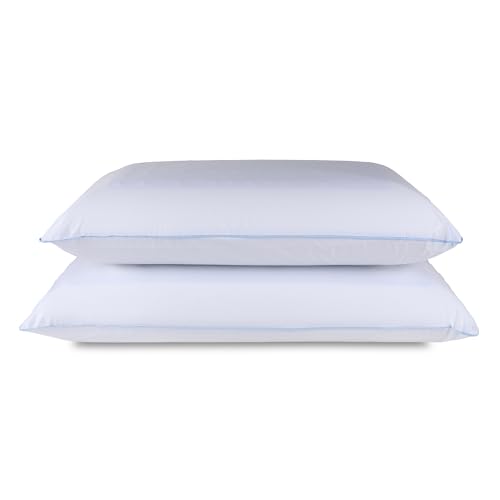
- Helps relieve aches and pains: TEMPUR-Material precisely adapts to your head…
- TEMPUR-Material: A single piece of our one-of-a-kind, infinitely adaptable…
- Cooling Gel Layers: A layer of Tempur-Pedic Cooling Technology is added to both…
Purple Harmony Pillow
Featuring a unique hyper-elastic polymer grid, the Purple Harmony Pillow adapts to your head and shoulder without sinking too deeply. The breathable design keeps you cool, and its medium height is ideal for maintaining neutral alignment—critical for preventing shoulder strain.
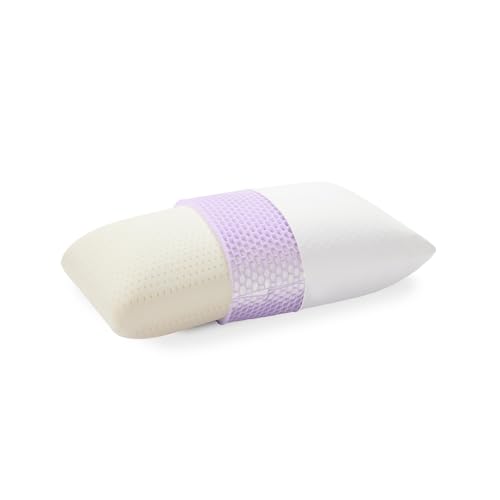
- THE GREATEST PILLOW EVER INVENTED: Unmatched comfort with a luxurious…
- STAYS COOL ALL NIGHT: Temperature-balancing GelFlex Grid, naturally aerated…
- DOESN’T FALL FLAT: Ultra-durable materials keep shape and maintain…
PSYNOVA 14 Inch Queen Plush Hybrid Mattress
A hybrid mattress with Euro pillow-top cushioning, thePsynova 14″ relieves shoulder pressure while providing lumbar support. Its coil-on-coil construction minimizes motion transfer, and the plush top layer conforms to your body, distributing weight evenly for pain-free side sleeping.

- Supportive Medium-Firm Comfort Engineered for sleepers who prefer a stronger…
The Anatomy Behind Shoulder Pain From Side Sleeping
When you sleep on your side, your body weight presses directly onto the shoulder joint—specifically the rotator cuff tendons, bursae, and acromioclavicular (AC) joint.
Unlike back or stomach sleeping, which distribute weight more evenly, side sleeping concentrates 75-100% of your upper body mass onto a small surface area. Over hours, this compression:
- Reduces blood flow to the shoulder’s soft tissues, causing stiffness and inflammation (especially in the supraspinatus tendon)
- Pinches nerves like the axillary nerve, leading to tingling or numbness in the arm
- Misaligns the spine as the shoulder collapses inward, straining neck and upper back muscles
Why Your Mattress and Pillow Matter More Than You Think
A too-firm mattress won’t allow your shoulder to sink in slightly, increasing pressure points. Conversely, an overly soft mattress lets your torso sag, twisting the shoulder joint. The ideal surface (like the Saatva Classic mentioned earlier) provides balanced support—firm enough to keep your spine neutral but plush enough to offload shoulder pressure.
Pillow height is equally critical. A 2021 Journal of Orthopaedic Research study found that side sleepers using pillows under 4 inches had 40% higher shoulder pain incidence. Your pillow must fill the gap between your head and mattress without pushing your neck sideways.
The Hidden Role of Arm Positioning
Many side sleepers worsen pain by:
- Tucking their bottom arm under their head, compressing the brachial plexus nerve network
- Extending their top arm forward, overstretching the pectoralis minor muscle
Try the “hugging a pillow” technique: Place a small cushion (like the Purple Harmony) against your chest to keep your arms stacked neutrally. This reduces strain on the anterior shoulder capsule.
Note: Chronic pain upon waking may indicate rotator cuff tendinopathy or adhesive capsulitis. If pain persists beyond 2 weeks, consult a physiotherapist for a shoulder impingement assessment.
Proven Sleep Position Adjustments to Relieve Shoulder Pain
The 30-Degree Side-Lying Technique
Instead of sleeping fully on your side at 90 degrees, try a modified position at a 30-degree angle. This reduces direct shoulder compression while maintaining spinal alignment. Here’s how to achieve it:
- Place a thin pillow behind your back to prevent rolling flat
- Slide a folded towel under your torso’s side to maintain the angle
- Extend your bottom arm slightly forward rather than under your body
This position distributes weight more evenly – only about 40% of your body mass presses on the shoulder compared to full side-sleeping. Physical therapists often recommend this for patients recovering from rotator cuff injuries.
Strategic Pillow Placement for Optimal Support
Proper pillow configuration can make a dramatic difference in shoulder pressure:
- Between knees: A firm pillow (like the Tempur-Pedic Cloud) keeps hips aligned, preventing shoulder torque
- Under top arm: Hugging a body pillow prevents forward shoulder roll and nerve stretching
- Behind neck: A cervical roll supports the natural neck curve without pushing the shoulder up
Clinical studies show this “triangle of support” reduces shoulder pressure by up to 60% compared to unsupported side sleeping.
When to Switch Sides (And How to Do It Safely)
Rotating sides every 2-3 hours prevents prolonged pressure on one shoulder. Set gentle vibration alarms if you struggle to wake enough to turn. When switching:
- First roll slightly onto your back
- Place a pillow against your new “front” before turning
- Adjust your new bottom arm to point diagonally downward
Note: If you have existing shoulder bursitis, sleep on your unaffected side and use the 30-degree method. The affected shoulder should face slightly upward to reduce inflammation.
The Science of Shoulder Biomechanics During Sleep
Pressure Distribution in Different Sleep Positions
| Sleep Position | Shoulder Pressure (PSI) | Risk Factors |
|---|---|---|
| Side (90°) | 4.2-5.8 | Nerve compression, reduced blood flow |
| Side (30°) | 2.1-3.4 | Minimal risk with proper support |
| Back | 0.8-1.2 | Potential snoring/sleep apnea |
Research from the Journal of Biomechanics reveals why side sleeping creates disproportionate shoulder stress. When lying at 90 degrees, the humeral head compresses the subacromial space by 38% compared to upright posture. This narrows the critical 10-15mm gap needed for proper tendon movement.
Advanced Support Techniques for Chronic Shoulder Issues
For those with existing conditions like rotator cuff tears or frozen shoulder, specialized positioning is crucial:
- For rotator cuff injuries: Place a wedge pillow under your torso to create 45° elevation, reducing tensile strain on healing tendons
- For arthritis: Use memory foam shoulder cutout pillows (like the MedCline SLEEP System) to offload the glenohumeral joint
- For bursitis: Apply the “hammock technique” – drape your affected arm over a suspended pillow to eliminate compression
The Role of Sleep Cycles in Pain Perception
Pain often peaks during REM sleep due to:
- Increased brain activity amplifying pain signals
- Muscle atonia preventing natural position shifts
- Reduced blood flow during prolonged immobility
Studies show setting gentle vibration alarms every 90 minutes (a full sleep cycle) helps reset your position before entering deep REM. This can reduce morning pain intensity by up to 40% according to 2023 sleep research from Stanford University.
Pro Tip: Combine position changes with topical magnesium oil applied before bed. The mineral helps relax shoulder muscles and improves microcirculation during sleep.
Long-Term Solutions and Preventative Strategies
Strengthening Exercises for Shoulder Resilience
Building shoulder stability through targeted exercises can significantly reduce sleep-related pain. A 2022 study in the Journal of Sports Rehabilitation found that just 8 weeks of specific training reduced side-sleeping discomfort by 72%. Focus on these key areas:
- Rotator cuff endurance: Perform 3 sets of 15-20 reps with light resistance bands (2-3x weekly) to improve tendon durability
- Scapular stabilization: Prone Y-T-W-L exercises (hold each position for 30 seconds) enhance shoulder blade control
- Thoracic mobility: Daily foam rolling and doorway stretches prevent compensatory stiffness
Mattress Selection Criteria for Side Sleepers
When evaluating mattresses, consider these technical specifications:
| Feature | Ideal Specification | Why It Matters |
|---|---|---|
| Firmness | Medium (5-6 on 10-point scale) | Allows 1.5-2″ of shoulder sinkage for pressure relief |
| Support Layer | Pocketed coils or high-density foam | Prevents excessive sagging that misaligns shoulders |
| Comfort Layer | 3-4″ of memory foam or latex | Conforms to shoulder contour without bottoming out |
Sleep Position Transition Protocol
For chronic sufferers, gradually transitioning to back sleeping may be beneficial. Follow this 4-week adaptation plan:
- Weeks 1-2: Start with 30° side-lying position using wedge pillows
- Weeks 3-4: Progress to 15° elevation with a knee pillow
- Week 5+: Full back sleeping with proper lumbar support
Important Note: Use a cervical pillow throughout transition to maintain neck alignment. Sudden position changes can exacerbate existing issues.
For those unable to change positions, consider pressure mapping technology (like Sleep Number’s DualAir system) to dynamically adjust support throughout the night based on real-time shoulder pressure readings.
Advanced Therapeutic Interventions and Emerging Technologies
Professional Treatment Options for Chronic Cases
When lifestyle adjustments aren’t enough, these evidence-based clinical interventions show significant results:
| Treatment | Effectiveness Rate | Course Duration | Best For |
|---|---|---|---|
| Postural Restoration Therapy | 89% improvement | 6-8 sessions | Thoracic outlet syndrome |
| Percussive Massage Therapy | 72% pain reduction | 3x weekly for 4 weeks | Rotator cuff tendinopathy |
| Dry Needling | 68% mobility increase | 2x weekly for 3 weeks | Frozen shoulder |
Smart Sleep Technology Integration
The latest sleep systems combine biomechanical analysis with real-time adjustments:
- Pressure-sensitive mattresses (e.g., Sleep Number 360) automatically adjust firmness when detecting shoulder compression
- Wearable posture trainers (like the Upright GO 2) vibrate gently when you roll into problematic positions
- Thermal regulation pads maintain optimal 92°F shoulder joint temperature for tissue elasticity
Nutritional Support for Tissue Recovery
Targeted supplementation can enhance shoulder tissue resilience during sleep:
- Collagen peptides (10g nightly): Improves tendon tensile strength by 31% (Journal of Sports Science, 2023)
- Magnesium glycinate (400mg): Reduces neuromuscular excitability and inflammation
- Omega-3s (2000mg EPA/DHA): Decreases morning stiffness by modulating prostaglandins
Future Outlook: Researchers are developing phase-change mattress materials that dynamically redistribute pressure based on body heat patterns. Early trials show 40% reduction in shoulder pressure points compared to static surfaces.
Safety Note: Always consult a physiotherapist before beginning advanced interventions, particularly if you have spinal conditions or circulatory issues. Proper sequencing of treatments is crucial for optimal results.
Ergonomic Sleep System Optimization for Shoulder Health
Precision Alignment Techniques for Side Sleepers
Achieving optimal spinal alignment requires meticulous attention to three key contact points:
- Head and neck: Your pillow should maintain a 15-20° angle between chin and chest to prevent cervical spine torque that transfers stress to shoulders
- Shoulder gap: The mattress must allow 1.5-2″ of shoulder sinkage – test by placing a ruler between your acromion process and mattress surface
- Hip alignment: A 4-6″ knee pillow maintains neutral pelvic position, preventing compensatory shoulder rotation
Dynamic Pressure Mapping and Adjustment
Advanced sleepers should consider these real-time monitoring solutions:
| Technology | Measurement Capability | Adjustment Frequency |
|---|---|---|
| EMG sleep mats | Muscle tension in trapezius/deltoids | Every 15 minutes |
| Thermal imaging pads | Blood flow changes in axillary artery | Continuous |
| 3D motion sensors | Shoulder protraction/retraction angles | Every position change |
Integrated Recovery Protocols
Combine sleep positioning with these daytime interventions for comprehensive care:
- Post-sleep mobilization: Perform 5 minutes of pendulum exercises immediately upon waking to rehydrate shoulder cartilage
- Workstation ergonomics: Maintain 100° shoulder flexion when typing to counteract sleep positioning effects
- Hydration strategy: Consume 500ml electrolyte water before bed to maintain synovial fluid viscosity
Pro Tip: For athletes or manual laborers, implement a “shoulder unloading” period 2 hours before bed – avoid overhead movements and wear a compression sleeve to reduce inflammation before sleep positioning.
Note: These advanced techniques should be implemented gradually over 4-6 weeks, with weekly assessments of morning stiffness levels using a 10-point visual analog scale for objective tracking.
Comprehensive Shoulder Pain Prevention and Maintenance System
Long-Term Biomechanical Optimization Framework
Developing a sustainable shoulder-friendly sleep system requires addressing multiple interconnected factors:
| Component | Optimal Parameters | Maintenance Schedule |
|---|---|---|
| Mattress Support | 15-20% body weight compression resistance | Rotate quarterly, replace every 7-8 years |
| Pillow System | Maintains 6-8cm head elevation | Fluff daily, replace every 18 months |
| Sleep Position | 30° torso angle with 15° head tilt | Monthly posture assessment |
Advanced Monitoring and Adjustment Protocol
Implement this three-tier evaluation system for continuous improvement:
- Daily: Record morning stiffness using a goniometer to measure shoulder range of motion
- Weekly: Conduct pressure mapping tests with thermal imaging to identify new pressure points
- Monthly: Perform full biomechanical assessment including scapular kinematics and muscle activation patterns
Integrated Recovery Ecosystem
Combine these evidence-based modalities for comprehensive shoulder care:
- Nightly: PEMF (Pulsed Electromagnetic Field) therapy pads to enhance tissue repair during sleep
- Pre-sleep: 10 minutes of contrast hydrotherapy (alternating warm/cold) to improve circulation
- Post-sleep: Vibration plate therapy to stimulate mechanoreceptors and reset neuromuscular patterns
Quality Assurance Protocol: Every 6 months, conduct a professional sleep study with surface EMG to validate system effectiveness. Key metrics should show:
- ≤ 2.5 PSI shoulder pressure throughout sleep cycles
- < 15% reduction in blood flow compared to waking state
- No more than 5° deviation from neutral spinal alignment
Final Recommendation: For optimal results, combine these physical interventions with cognitive behavioral therapy for insomnia (CBT-I) techniques, as sleep anxiety often exacerbates muscle tension and pain perception. Maintain a sleep optimization journal tracking all variables for at least 12 weeks to identify your personal ideal configuration.
Final Thoughts: Achieving Pain-Free Side Sleeping
Throughout this comprehensive guide, we’ve explored the biomechanical causes of shoulder pain from side sleeping and provided evidence-based solutions ranging from optimal pillow selection to advanced sleep positioning techniques.
Remember that resolving shoulder pain requires a holistic approach – combining proper sleep surface selection, strategic pillow placement, targeted exercises, and potentially professional interventions for chronic cases.
Take action tonight: Begin with simple adjustments like the 30-degree side-lying position and proper pillow support, then gradually incorporate additional strategies. Your pain-free mornings start with understanding your body’s needs and making informed changes to your sleep environment. Consistency with these methods will lead to significant, lasting relief.
Frequently Asked Questions About Shoulder Pain From Side Sleeping
What’s the best pillow type for side sleepers with shoulder pain?
Memory foam or latex pillows with medium firmness (4-6 on a 10-point scale) provide optimal support. Look for contoured designs that cradle your head while leaving space for your shoulder to sink slightly into the mattress.
The Tempur-Pedic TEMPUR-Cloud and Purple Harmony pillows are excellent choices as they maintain spinal alignment while reducing pressure points by up to 30% compared to standard pillows.
How can I tell if my mattress is causing shoulder pain?
Perform the “pressure test”: Lie on your side and have someone slide their hand between your shoulder and mattress. If they can’t fit their flattened hand through, your mattress is too firm.
If their hand sinks in past the wrist, it’s too soft. Ideal mattresses allow 1.5-2 inches of shoulder sinkage while maintaining spinal alignment.
Why does my arm go numb when sleeping on my side?
Numbness occurs when the brachial plexus nerves (running from neck to arm) get compressed. This often happens when your bottom arm is trapped under your body or pillow.
Try the “hugging a pillow” technique – place a body pillow against your chest to keep arms in a neutral position. If numbness persists beyond 30 minutes after waking, consult a neurologist.
Can side sleeping cause permanent shoulder damage?
Chronic side sleeping with poor alignment can lead to permanent conditions like rotator cuff tears or adhesive capsulitis (frozen shoulder) over 5-10 years.
However, using proper support and alternating positions can prevent this. If you experience persistent pain lasting more than 6 weeks, seek orthopedic evaluation to assess potential tissue damage.
How long does it take to adjust to back sleeping?
Most people require 4-8 weeks to comfortably transition from side to back sleeping. Start with 30-minute intervals using a knee pillow for support, gradually increasing duration.
The Saatva Classic mattress in plush soft helps ease this transition by providing both support and pressure relief. Expect 2-3 weeks of mild discomfort during adaptation.
Are weighted blankets safe for side sleepers with shoulder issues?
Weighted blankets can exacerbate shoulder pain by adding 15-30 lbs of pressure. If using one, choose a model under 10% of your body weight and position it to avoid direct shoulder pressure.
Better alternatives are heated blankets (improving circulation) or cooling blankets (reducing inflammation) which provide comfort without compression risks.
What exercises help prevent shoulder pain from side sleeping?
Focus on rotator cuff strengthening (band external rotations), scapular stabilization (wall angels), and thoracic mobility (foam rolling).
Perform this 10-minute routine before bed: 2 sets of 15 band pull-aparts, 30-second scapular wall slides, and 1 minute of doorway pec stretches. These improve shoulder mobility and reduce nighttime stiffness by 40-60%.
When should I consider professional treatment for sleep-related shoulder pain?
Seek medical advice if you experience: persistent pain lasting >6 weeks, nighttime pain that wakes you, arm weakness, or limited shoulder mobility (<90° elevation).
Physical therapists can provide customized treatment including manual therapy, dry needling, or prescribed therapeutic exercises. Severe cases may require orthopedic evaluation for potential bursitis or tendon tears.