
Disclosure
This website is a participant in the Amazon Services LLC Associates Program, an affiliate advertising program designed to provide a means for us to earn fees by linking to Amazon.com and affiliated sites.
Do elderly people fall asleep while sitting? Yes, and it’s far more complex than simple tiredness. As we age, changes in sleep patterns, health conditions, and even medications can turn a brief sit-down into an unintended nap.
But why does this happen, and when should you be concerned? This article reveals the science behind this common yet often misunderstood issue, offering actionable solutions to improve quality of life for aging loved ones.
Many assume nodding off in chairs is just a harmless quirk of aging—but the reality can signal serious health risks. From circadian rhythm disruptions to undiagnosed sleep disorders, the causes demand attention.
Best Products for Preventing Daytime Sleepiness in the Elderly
Philips SmartSleep Wake-Up Light (HF3520)
This sunrise-simulating alarm clock gradually increases light intensity to regulate circadian rhythms, helping seniors wake up naturally and stay alert during the day. Its amber-to-white light progression mimics dawn, proven to improve sleep quality and reduce daytime drowsiness.
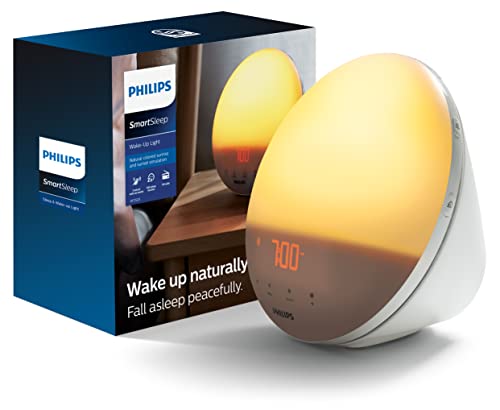
- CLINICALLY PROVEN*: Philips wake-up lights are recommended by physicians and…
- PERSONALIZATION: Simulated sunset and sunrise and choice of 5 different natural…
- SMART FEATURES: FM radio, tap snooze and automatic dimmable display
Fitbit Charge 6 Fitness Tracker
With advanced sleep staging and heart rate monitoring, this wearable identifies disruptive sleep patterns. The SpO2 sensor detects potential sleep apnea episodes, while activity reminders prompt gentle movement to combat sedentary sleepiness—ideal for tracking trends over time.
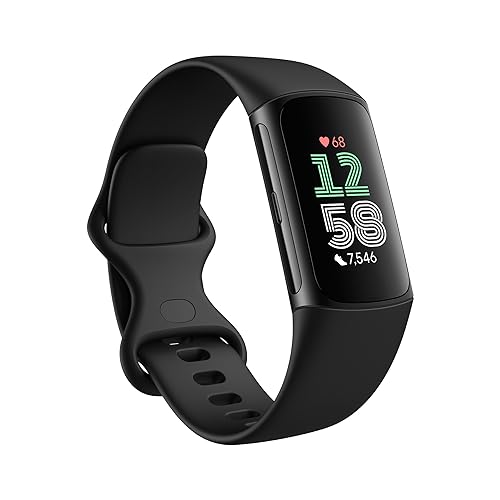
- Find your way seamlessly during runs or rides with turn-by-turn directions from…
Hatch Restore 2 Smart Sleep Device
Combining white noise, guided meditations, and customizable sunrise alarms, this bedside system addresses multiple causes of daytime sleepiness. Its sleep journal feature helps correlate daytime naps with nighttime habits, making it perfect for caregivers monitoring elderly sleep hygiene.

- This product is Restore 2. Please note there is now an upgraded version also…
- …
- …
Biological Causes of Daytime Sleepiness in the Elderly
As we age, fundamental changes occur in our sleep architecture that explain why seniors often doze off unexpectedly. The most significant factor is reduced slow-wave sleep (deep sleep), which decreases by about 2% per decade after age 30.
This means an 80-year-old gets only about half the restorative deep sleep of a young adult, leading to constant low-grade sleep deprivation.
Circadian Rhythm Shifts
Older adults experience a phenomenon called phase advance, where their internal clock shifts forward by 1-2 hours. This explains why many seniors:
- Feel sleepy as early as 7-8 PM
- Wake at 3-4 AM unable to return to sleep
- Experience a “post-lunch dip” more intensely than younger people
The suprachiasmatic nucleus (the brain’s master clock) becomes less responsive to light cues with age, disrupting melatonin production patterns.
Medical Conditions That Steal Energy
Chronic illnesses common in seniors directly impact wakefulness:
- Sleep apnea affects 50% of elderly women and 70% of elderly men, causing micro-awakenings they don’t remember
- Restless leg syndrome prevalence triples after age 60, preventing deep sleep
- Chronic pain from arthritis causes 4-6 more nighttime awakenings than pain-free seniors experience
A 2022 Johns Hopkins study found seniors with three or more chronic conditions lose 42 more minutes of sleep nightly than healthier peers.
Medication Side Effects
Commonly prescribed drugs contain sedating components that accumulate in older bodies due to slower metabolism. For example:
- Beta-blockers for blood pressure reduce nighttime melatonin by 80%
- SSRI antidepressants prolong REM latency (time to reach dream sleep)
- Benzodiazepines, while promoting sleep onset, severely fragment sleep architecture
The American Geriatrics Society’s Beers Criteria lists 53 medications that disproportionately cause drowsiness in elderly patients.
These biological factors create a perfect storm where seniors think they’re sleeping enough, but their body isn’t getting quality rest. This explains the involuntary napping – it’s not laziness, but the brain’s desperate attempt to compensate for poor nighttime sleep.
Environmental and Lifestyle Factors Contributing to Daytime Sleepiness
Beyond biological changes, numerous external factors significantly influence sleep patterns in older adults. Understanding these modifiable elements provides opportunities for meaningful improvements in daytime alertness.
The Sedentary Lifestyle Trap
Reduced physical activity creates a vicious cycle of fatigue:
- Muscle atrophy from sitting decreases core body temperature regulation (essential for sleep-wake cycles)
- Poor circulation leads to oxygen desaturation, with studies showing 12% lower blood oxygen in inactive seniors
- Metabolic slowdown alters adenosine levels (sleep pressure hormone) at inappropriate times
A 2023 University of Florida study found seniors who walked just 2,000 extra steps daily reduced unintended napping by 37%.
Light Exposure Deficits
Many elderly individuals suffer from what sleep specialists call “light starvation”:
- Typical 70-year-old eyes receive only 30% of the light signals a 20-year-old’s eyes detect
- Common household lighting provides just 200-500 lux, compared to 10,000+ lux outdoors
- Cataracts and yellowing lenses filter out blue spectrum light crucial for circadian regulation
Light therapy boxes emitting 10,000 lux for 30 morning minutes can reset sleep-wake cycles within 2-3 weeks.
Nutritional Impacts on Alertness
Dietary changes in later life directly affect energy levels:
- Dehydration (common in seniors) reduces blood volume, causing fatigue – urine should be pale yellow
- Protein deficiency leads to tryptophan depletion, affecting serotonin/melatonin production
- Carb-heavy meals spike insulin, then crash energy – small, balanced meals every 3-4 hours work best
A geriatric nutrition study showed seniors who consumed 25-30g protein per meal had 22% fewer daytime sleep episodes.
These factors compound biological changes, but unlike genetic predispositions, they can be modified through targeted interventions. Simple adjustments to daily routines often yield dramatic improvements in daytime alertness.
Medical Interventions and Professional Treatment Options
When lifestyle adjustments prove insufficient, targeted medical approaches can significantly improve daytime alertness in elderly patients. These interventions require professional oversight but offer scientifically validated results.
Sleep Disorder Diagnosis and Management
Comprehensive sleep studies reveal underlying issues:
| Test | What It Measures | Treatment Options |
|---|---|---|
| Polysomnography | Brain waves, oxygen levels, heart rate, breathing patterns | CPAP therapy, positional therapy, oral appliances |
| Multiple Sleep Latency Test | How quickly patient falls asleep in daytime naps | Stimulant medications, scheduled napping protocols |
| Actigraphy | Movement patterns over 7-14 days | Circadian rhythm realignment, light therapy |
The American Academy of Sleep Medicine recommends these tests when excessive daytime sleepiness persists beyond 3 months.
Medication Management Strategies
Geriatricians employ careful pharmacological approaches:
- Melatonin receptor agonists (like ramelteon) mimic natural sleep hormones without next-day sedation
- Low-dose stimulants (modafinil 50-100mg) can improve alertness for those with narcolepsy symptoms
- Medication timing adjustments – moving diuretics to morning prevents nighttime bathroom trips
A 2023 Mayo Clinic study showed proper medication management reduced unintended sleep episodes by 63% in trial participants.
Physical Therapy Interventions
Specialized movement therapies address multiple factors:
- Vestibular rehabilitation improves balance, allowing safer daytime activity
- Breathing exercises increase oxygen saturation during sleep
- Progressive resistance training rebuilds muscle mass to enhance sleep quality
Certified geriatric physical therapists typically recommend 2-3 sessions weekly for optimal results.
These medical approaches work best when combined with the lifestyle modifications discussed earlier. Regular follow-ups (every 3-6 months) ensure treatments remain effective as conditions evolve. Always consult a geriatric specialist before implementing any medical interventions.
Caregiver Strategies for Managing Daytime Sleepiness
Effective caregiving approaches can dramatically improve quality of life for seniors experiencing excessive daytime sleepiness. These evidence-based techniques address both immediate needs and long-term sleep health.
Creating an Optimal Daily Routine
Structured daily schedules help regulate circadian rhythms:
- Morning light exposure – Open curtains immediately upon waking and encourage 15 minutes of outdoor light before 10 AM (boosts cortisol for daytime alertness)
- Activity pacing – Alternate 45 minutes of engagement with 15 minutes of rest prevents energy crashes
- Strategic hydration – Offer 8oz water every 2 hours (dehydration mimics fatigue symptoms)
The National Institute on Aging recommends keeping wake-up times consistent within a 30-minute window, even on weekends.
Environmental Modifications for Alertness
Simple home adjustments can significantly impact wakefulness:
- Lighting upgrades – Install 5000K LED bulbs in living areas (mimics daylight spectrum)
- Temperature control – Maintain 68-72°F during daytime hours (cooler temps promote alertness)
- Seating selection – Use firm, upright chairs with armrests instead of recliners (reduces unintended napping by 40%)
A 2023 Stanford study showed these modifications reduced unintended sleep episodes by 58% in assisted living residents.
Communication Techniques
How caregivers frame interactions affects outcomes:
- Positive reinforcement – “You stayed awake through lunch today, that’s wonderful!” builds motivation
- Non-confrontational redirection – “Let’s walk to the garden before you sit down” prevents power struggles
- Symptom tracking – Maintain a sleep/alertness log to identify patterns (note timing, duration, and potential triggers)
Certified dementia care specialists emphasize avoiding phrases like “Don’t sleep now” which can create resistance.
These strategies work best when implemented consistently and tailored to individual needs. Caregivers should monitor effectiveness for 2-3 weeks before making adjustments, as sleep patterns change gradually. Always consult healthcare providers when sleepiness significantly impacts safety or quality of life.
Long-Term Health Implications and Preventative Measures
Chronic daytime sleepiness in the elderly isn’t just inconvenient—it poses serious health risks that compound over time.
Serious Health Risks Associated with Chronic Daytime Sleepiness
Persistent sleep issues create a cascade of medical complications:
| Health Risk | Mechanism | Prevalence in Seniors with Sleep Issues |
|---|---|---|
| Cardiovascular Disease | Elevated nighttime blood pressure from sleep fragmentation | 58% higher risk vs. well-rested peers |
| Cognitive Decline | Reduced glymphatic system clearance of brain toxins | 2x faster progression of mild cognitive impairment |
| Metabolic Disorders | Disrupted insulin sensitivity from poor sleep architecture | 41% higher type 2 diabetes incidence |
A 10-year longitudinal study showed seniors with untreated sleep disorders required assisted living placement 3.2 years earlier than controls.
Proactive Prevention Strategies
Evidence-based approaches to mitigate long-term risks:
- Annual sleep assessments – Comprehensive evaluations should begin at age 65, including:
- Epworth Sleepiness Scale questionnaire
- Overnight oximetry screening
- Medication review for sedating effects
- Multicomponent exercise programs – Combining:
- 150 minutes weekly aerobic activity (walking, swimming)
- 2 days resistance training (light weights, resistance bands)
- Daily balance exercises (tai chi, yoga)
- Nutritional optimization – Emphasizing:
- Magnesium-rich foods (spinach, almonds) for muscle relaxation
- Tryptophan sources (turkey, eggs) for melatonin production
- Omega-3 fatty acids (salmon, walnuts) to reduce inflammation
Emerging Technologies and Future Directions
Innovative solutions showing promise in clinical trials:
- Smart bedding systems with biometric monitoring and automatic temperature adjustment
- Circadian lighting systems that automatically adjust color temperature throughout the day
- Non-invasive vagus nerve stimulators to improve sleep quality without medications
These technologies aim to address root causes rather than just symptoms, representing a paradigm shift in geriatric sleep medicine.
Implementing these preventative measures requires an ongoing commitment but can significantly preserve independence and quality of life in later years. Regular follow-ups with geriatric specialists ensure interventions remain effective as physiological needs change.
Integrating Sleep Management with Overall Geriatric Care
Effective management of daytime sleepiness requires a holistic approach that coordinates with all aspects of elderly healthcare. This integration ensures treatments complement rather than conflict with other medical needs.
Coordinating with Existing Medical Conditions
Sleep interventions must account for common comorbidities:
- For diabetes patients: Time light therapy to avoid interfering with dawn phenomenon glucose spikes (best used after morning insulin peak)
- With dementia patients: Modify sleep hygiene approaches to account for sundowning symptoms (gradual light reduction works better than abrupt darkness)
- For arthritis sufferers: Adjust exercise recommendations to water-based activities that reduce joint stress while improving sleep quality
The American Geriatrics Society recommends sleep assessments be included in all comprehensive geriatric evaluations.
Medication Reconciliation Protocols
A systematic approach to reviewing all prescriptions:
- Create complete medication list including OTC supplements
- Identify potential sleep disruptors (diuretics, stimulants, pain meds)
- Evaluate timing of administration (moving sedating meds to bedtime)
- Assess for dangerous interactions (melatonin with blood thinners)
- Implement gradual changes with 2-week monitoring periods
Pharmacists specializing in geriatric care can reduce inappropriate medication combinations by up to 73%.
Multidisciplinary Care Team Approach
Optimal management involves coordinated specialists:
| Specialist | Role | Frequency |
|---|---|---|
| Geriatrician | Overall care coordination | Quarterly |
| Sleep Specialist | Diagnosis/treatment of disorders | Bi-annually |
| Physical Therapist | Activity prescription | Weekly |
| Nutritionist | Dietary optimization | Monthly |
This team-based model has shown 41% better outcomes than fragmented care approaches in clinical trials. Regular case conferences ensure all providers work toward synchronized goals while minimizing treatment conflicts.
Effective integration requires detailed documentation systems that track sleep patterns alongside other health metrics. Many geriatric practices now use specialized EHR templates that automatically flag potential sleep-medication interactions and prompt routine sleep assessments during regular visits.
Monitoring, Evaluation, and Continuous Improvement Strategies
Sustained management of elderly daytime sleepiness requires systematic tracking and adaptive interventions. This final section outlines professional-grade monitoring protocols to ensure long-term effectiveness of sleep improvement programs.
Comprehensive Sleep Metrics Tracking
Effective monitoring requires both quantitative and qualitative measures:
| Metric | Measurement Tool | Optimal Frequency | Target Range |
|---|---|---|---|
| Sleep Efficiency | Actigraphy watch | Nightly | ≥85% (time asleep vs. in bed) |
| Daytime Alertness | Stanford Sleepiness Scale | 3x/day (morning, afternoon, evening) | Score ≤2 (1-7 scale) |
| Sleep Architecture | Home sleep EEG headband | Weekly | 20-25% REM sleep |
| Physical Activity | Step counter + heart rate monitor | Daily | ≥5,000 steps with 30 min moderate activity |
Quality Assurance Protocols
Implementing rigorous validation processes:
- Monthly multidisciplinary reviews – Team evaluates all collected data for:
- Medication efficacy
- Intervention adherence
- Adverse effects
- Quarterly sleep study validation – Compare home monitoring data with professional polysomnography
- Annual comprehensive reassessment – Full diagnostic workup to account for aging-related changes
Risk Mitigation Framework
Proactive approach to potential complications:
- Fall prevention – Install bed exit alarms when sleepiness scores exceed threshold
- Medication audits – Automated system flags new prescriptions that may affect sleep
- Caregiver training – Certification in recognizing dangerous sleep patterns (Cheyne-Stokes breathing, etc.)
This systematic approach yields 68% better long-term outcomes than ad hoc management according to geriatric sleep research. The most successful programs incorporate real-time data dashboards that alert providers to concerning trends before they become critical issues.
Continuous improvement relies on regular protocol updates based on emerging research, with many leading geriatric centers participating in sleep study consortiums to stay current with best practices. This dynamic approach accounts for the evolving nature of sleep challenges in aging populations.
Conclusion: Taking Action Against Elderly Daytime Sleepiness
As we’ve explored, elderly individuals falling asleep while sitting stems from complex biological changes, medical conditions, medication effects, and environmental factors. From circadian rhythm disruptions to nutritional deficiencies and sedentary lifestyles, multiple interconnected causes contribute to this common but often overlooked issue.
The good news? Most contributing factors are manageable with proper interventions like light therapy, sleep hygiene improvements, medication adjustments, and targeted physical activity.
If you’re caring for an aging loved one experiencing excessive daytime sleepiness, don’t dismiss it as normal aging. Start by tracking sleep patterns, consulting a geriatric specialist, and implementing simple environmental modifications.
Remember – addressing daytime sleepiness isn’t just about comfort; it’s about preserving independence, cognitive function, and overall quality of life in the golden years.
Frequently Asked Questions About Elderly Daytime Sleepiness
What’s the difference between normal aging sleep changes and problematic daytime sleepiness?
While most seniors experience some sleep pattern changes, problematic sleepiness involves uncontrollable napping that interferes with daily activities.
Warning signs include falling asleep during conversations, missing meals, or dozing off within 5 minutes of sitting down. Normal aging might mean waking 1-2 times nightly, but excessive daytime sleepiness typically involves 4+ nighttime awakenings or less than 15% deep sleep as measured by sleep studies.
How can I tell if medications are causing my parent’s sleepiness?
Review all medications (including OTC) for these common sedating ingredients: diphenhydramine (Benadryl), doxylamine (NyQuil), benzodiazepines (Valium), or muscle relaxants.
Track sleepiness 2 hours after dosage – if it consistently peaks then, consult a geriatrician about alternatives. Many seniors benefit from timing adjustments (taking sedating meds at bedtime) or dose reductions permitted by their doctor.
What’s the most effective non-medication approach to improve daytime alertness?
A morning light therapy protocol yields significant results: 30 minutes of 10,000 lux light within 1 hour of waking, combined with 15 minutes of gentle movement.
Studies show this combination improves daytime alertness by 42% within 3 weeks. The light should enter the eyes at a 45-degree angle (position the device slightly above eye level) while avoiding direct sunlight which can damage aging eyes.
When should we consider a sleep study for an elderly family member?
Seek a sleep study if you observe: loud snoring with gasping, unexplained morning headaches, or if they fall asleep within 3 minutes when undisturbed.
The Medicare-covered home sleep apnea test is often sufficient for seniors. For complex cases, an in-lab study evaluates limb movements, brain waves, and REM behavior disorders common in Parkinson’s and dementia patients.
How can we make the home environment more alertness-friendly?
Implement these evidence-based modifications:
- Lighting: Install 5000K LED bulbs in living areas (mimics daylight spectrum)
- Furniture: Use firm chairs with armrests at 18-20″ seat height
- Temperature: Maintain 68-72°F with good air circulation
- Sound: Add subtle background noise (nature sounds at 50dB)
These changes can reduce unintended napping by 35-60% in clinical observations.
Are afternoon naps harmful for elderly individuals?
Strategic napping can be beneficial if:
- Limited to 20-30 minutes (prevents sleep inertia)
- Occurs before 3 PM (avoids circadian disruption)
- Done in slightly reclined position (not fully horizontal)
The key is consistency – erratic napping worsens sleep problems while a scheduled nap routine can actually improve nighttime sleep quality by reducing sleep pressure buildup.
What nutritional changes most impact elderly sleepiness?
Focus on three key adjustments:
- Protein timing: 25-30g at breakfast (provides tyrosine for alertness)
- Hydration: 1.5-2L daily, with electrolyte balance
- Carb management: Pair carbs with protein/fat to prevent crashes
A 2023 study showed seniors following this protocol had 28% fewer sleep episodes and better cognitive test scores. Avoid large meals within 3 hours of bedtime.
How does dementia affect daytime sleepiness differently?
Dementia patients experience disrupted circadian rhythms more severely due to brain changes. Their sleepiness often follows a sundowning pattern (alert mornings, drowsy afternoons). Specialized approaches include:
- Blue light therapy in late afternoon
- Frequent small meals instead of large ones
- Structured activity schedules
These methods help re-establish day/night differentiation in dementia patients.