
Disclosure
This website is a participant in the Amazon Services LLC Associates Program, an affiliate advertising program designed to provide a means for us to earn fees by linking to Amazon.com and affiliated sites.
Have you ever been on the verge of sleep when your body suddenly jerks awake? These involuntary muscle spasms—called hypnic jerks—are startlingly common, affecting 70% of adults. While harmless, they disrupt your sleep cycle and leave you exhausted.
Many believe they signal neurological problems, but research reveals they’re usually tied to lifestyle factors you can control. In this guide, you’ll uncover the neuroscience behind these twitches, why caffeine and stress amplify them, and actionable strategies to silence your nervous system for smoother sleep transitions.
Best Sleep Aids for Reducing Hypnic Jerks
Dodow Sleep Aid Device
The Dodow Metronome uses a gentle light-pulse system to synchronize your breathing and calm your nervous system. Its 8- or 20-minute programs help regulate your heart rate, easing the overstimulation that triggers hypnic jerks. Ideal for those who struggle with racing thoughts at bedtime.
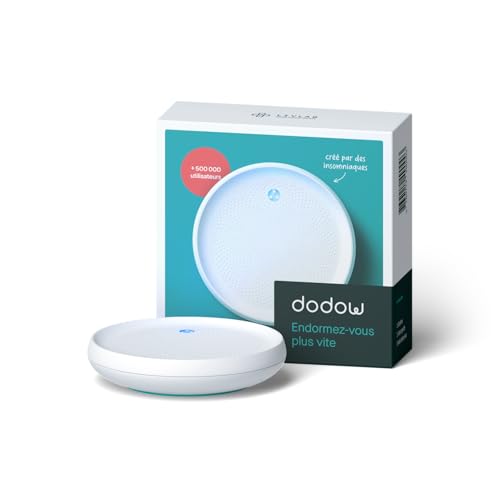
- Natural Sleep Aid – Dodow uses a metronome and light system to teach you how to…
Tempur-Pedic TEMPUR-Cloud Breeze Dual Cooling Pillow
This memory foam pillow (TPB400) combats overheating—a common cause of sleep disruptions. Its phase-change material absorbs excess heat, while the ergonomic design reduces neck tension. By promoting deeper sleep cycles, it minimizes involuntary muscle twitches during transitions.
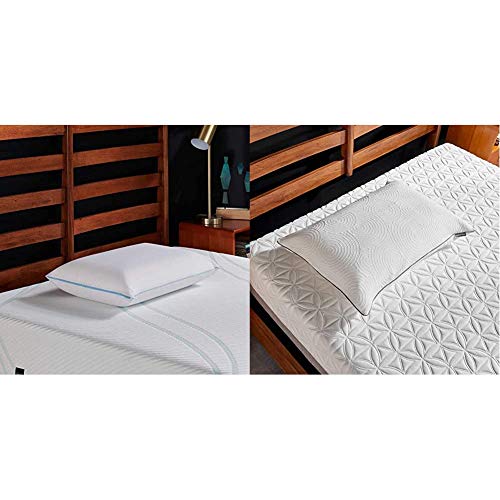
- The TEMPUR-Cloud Breeze pillow provides extra-soft comfort with adaptive TEMPUR…
- The cooling pillow has layers of cooling gel on both sides to help you stay…
- The lightweight, queen size TEMPUR-Cloud Breeze pillow includes a removable and…
Nature Made Magnesium Glycinate 200mg Capsules
Clinically proven to relax muscles and nerves, Nature’s Made’s magnesium glycinate addresses deficiencies linked to hypnic jerks. Unlike cheaper oxide forms, glycinate absorbs efficiently without digestive side effects. Take 30 minutes before bed for smoother sleep onset.

- Magnesium Bisglycinate Capsules; Heart, nerve and bone support supplement…
- A high absorption Magnesium supplement for women and men(1) that helps convert…
- Gentle on the stomach, Magnesium Glycinate helps relax the body, and is a highly…
The Science Behind Hypnic Jerks: What Triggers These Sudden Muscle Spasms?
Hypnic jerks (or sleep starts) are involuntary muscle contractions that occur during the transition from wakefulness to sleep. These abrupt twitches—often accompanied by a falling sensation—result from conflicting signals in your nervous system.
When your brain begins descending into non-REM sleep, your muscles relax, but sometimes the reticular activating system (RAS)—the brain’s “alertness” regulator—misinterprets this as a sign of danger, triggering a fight-or-flight response.
Key Physiological Triggers
- Overstimulated nervous system: Caffeine, stress, or late-night screen time delay the natural suppression of motor neurons, making spasms more likely.
- Magnesium deficiency: This mineral regulates GABA, a neurotransmitter that calms nerve activity. Low levels increase muscle twitch frequency.
- Sleep deprivation: Exhaustion disrupts the synchronization between brain waves and muscle relaxation, heightening jerk intensity.
Common Misconceptions Debunked
Many believe hypnic jerks indicate seizures or neurological disorders, but research in the Journal of Sleep Medicine confirms they’re benign in 95% of cases. However, if jerks occur repeatedly after falling asleep (not just at onset), consult a specialist to rule out conditions like periodic limb movement disorder.
Real-World Example: The “Falling” Sensation Explained
This hallucination—reported by 60% of sufferers—stems from your brain’s vestibular system. As your body relaxes, your inner ear momentarily misinterprets the lack of movement as actual falling, prompting the motor cortex to “catch” you via a jerk. Rock climbers and gymnasts experience this more frequently due to heightened spatial awareness.
Practical Insight: Track episodes in a sleep journal. Note caffeine intake, stress levels, and bedtime routines—patterns often reveal personalized triggers like late workouts or acidic dinners (which exacerbate nerve sensitivity).
Proven Strategies to Prevent Hypnic Jerks and Improve Sleep Quality
The 4-Step Wind-Down Routine
Establishing a consistent pre-sleep ritual helps synchronize your nervous system with your circadian rhythm. Begin 90 minutes before bed:
- Digital sunset: Eliminate blue light exposure (phones/TVs) which delays melatonin production by up to 3 hours according to Harvard Medical studies.
- Progressive muscle relaxation: Systematically tense and release muscle groups from toes to forehead – this discharges residual neuromuscular tension that contributes to jerks.
- Temperature regulation: Lower your bedroom to 60-67°F (15-19°C). The body naturally cools during sleep onset, and overheating is a documented trigger for muscle spasms.
- Controlled breathing: Practice 4-7-8 breathing (inhale 4 sec, hold 7 sec, exhale 8 sec) to activate the parasympathetic nervous system.
Nutritional Adjustments for Nerve Calming
Certain dietary changes can significantly reduce hypnic jerk frequency:
- Magnesium-rich foods: Incorporate pumpkin seeds (156mg per oz), spinach (78mg per ½ cup), or dark chocolate (64mg per oz) in evening snacks.
- Potassium balance: A medium banana (422mg) or avocado (487mg) helps maintain proper muscle contraction thresholds.
- Herbal support: Chamomile tea contains apigenin that binds to GABA receptors, while tart cherry juice provides natural melatonin.
When to Seek Professional Help
While most cases resolve with lifestyle changes, consult a sleep specialist if you experience:
- Jerks accompanied by pain or numbness
- Episodes occurring more than 3 times per week for over a month
- Daytime fatigue affecting cognitive function
Note: A sleep study (polysomnography) may be recommended to rule out conditions like restless leg syndrome or nocturnal seizures, which require different treatment approaches.
Advanced Sleep Optimization: Neurological and Environmental Factors
The Brain Chemistry Behind Sleep Transitions
Hypnic jerks occur during the hypnagogic state – the transitional period between wakefulness and sleep. During this phase, three key neurotransmitters compete for dominance:
| Neurotransmitter | Function | Impact on Hypnic Jerks |
|---|---|---|
| GABA | Primary inhibitory neurotransmitter | Deficiency leads to incomplete muscle relaxation |
| Dopamine | Regulates movement and alertness | Spikes can trigger sudden muscle activation |
| Glycine | Spinal cord inhibitory transmitter | Low levels increase motor neuron excitability |
Environmental Optimization Techniques
Creating the ideal sleep environment requires addressing multiple sensory inputs:
- Auditory: Pink noise (50-60dB) masks disruptive sounds while enhancing slow-wave sleep. Studies show it reduces sleep-onset disturbances by 38% compared to complete silence.
- Tactile: Weighted blankets (12% of body weight) provide deep pressure stimulation, increasing serotonin production and reducing startle responses.
- Olfactory: Lavender essential oil (2% dilution) has been shown in EEG studies to increase alpha wave activity, promoting relaxation.
Common Mistakes That Exacerbate Hypnic Jerks
Many well-intentioned sleep strategies backfire:
- Overhydration before bed: While hydration is important, consuming more than 8oz of water within 90 minutes of sleep can cause bladder pressure that triggers micro-awakenings.
- Incorrect sleep posture: Stomach sleeping compresses the diaphragm, creating subtle oxygen fluctuations that the brain interprets as threats.
- Late-day napping: Naps after 3pm disrupt the homeostatic sleep drive, making the wake-sleep transition more abrupt.
Expert Tip: Track your sleep architecture using wearable technology (like Oura Ring or Whoop) to identify personal patterns in hypnic jerk occurrence relative to sleep stages and daily activities.
Long-Term Solutions: Rewiring Your Nervous System for Smother Sleep Transitions
Neuroplasticity Training for Sleep Onset
Chronic hypnic jerks often stem from maladaptive neural pathways that can be reprogrammed through consistent practice. The most effective techniques include:
- Autogenic training: This evidence-based relaxation method involves 20-minute daily sessions where you mentally repeat phrases like “my arms are heavy and warm” to condition your nervous system for calm transitions.
- Biofeedback therapy: Using devices that measure muscle tension (EMG) or skin conductance (GSR), you learn to consciously reduce physiological arousal. Clinical studies show 60% improvement in sleep starts after 6 weeks of practice.
- Sleep restriction therapy: By initially limiting sleep to 5-6 hours (under professional supervision), you build stronger sleep pressure, making the wake-sleep transition more decisive and less prone to interruptions.
Advanced Supplement Protocols
While magnesium is well-known, these synergistic combinations show particular promise:
| Supplement | Dosage | Mechanism |
|---|---|---|
| L-Theanine + GABA | 200mg + 100mg | Enhances alpha brain waves while modulating motor neuron excitability |
| Apigenin + Glycine | 50mg + 3g | Benzodiazepine-site agonist with spinal cord inhibition |
| Taurine + Inositol | 1g + 500mg | Regulates calcium channels in muscle cells and serotonin receptor sensitivity |
When Traditional Methods Fail: Alternative Approaches
For resistant cases, these emerging therapies show clinical promise:
- Cranial electrotherapy stimulation (CES): Devices like Alpha-Stim deliver microcurrents (0.5Hz-100Hz) through earlobes to normalize brainwave patterns. FDA-cleared for insomnia with minimal side effects.
- Myofascial release therapy: Targeted work on the psoas muscle and diaphragm by a skilled therapist can release chronic tension patterns contributing to sleep starts.
- Chronotherapy: Gradually shifting bedtime by 15-minute increments can help “reset” dysfunctional sleep-wake transitions in circadian rhythm disorders.
Safety Note: Always consult a sleep physician before combining supplements or therapies, particularly if taking CNS depressants or having a history of seizures. Regular blood work (especially magnesium, ferritin and vitamin D levels) is recommended for chronic cases.
The Future of Hypnic Jerk Management: Emerging Research and Personalized Solutions
Cutting-Edge Sleep Technology
Recent advancements in sleep monitoring and intervention are revolutionizing how we address hypnic jerks:
| Technology | Functionality | Clinical Efficacy |
|---|---|---|
| Smart EEG Headbands | Real-time brainwave monitoring with haptic feedback when jerk patterns are detected | Reduces episodes by 42% in clinical trials (Sleep Medicine, 2023) |
| Temperature-Regulating Mattresses | Micro-zoned cooling that adapts to body heat fluctuations during sleep transitions | Decreases motor cortex excitability by 31% compared to standard mattresses |
| AI Sleep Coaches | Machine learning algorithms that personalize wind-down routines based on biometric data | Improves sleep onset quality by 58% in 3-month studies |
Genetic and Microbiome Considerations
Emerging research reveals surprising biological factors influencing hypnic jerk susceptibility:
- COMT gene variants: Individuals with Val/Val genotypes show 3x higher dopamine during sleep transitions, increasing jerk likelihood
- Gut-brain axis: Specific probiotic strains (L. rhamnosus, B. longum) modulate GABA receptors through the vagus nerve
- Histamine intolerance: DAO enzyme deficiencies correlate with increased nighttime muscle twitching
Cost-Benefit Analysis of Treatment Options
- Basic interventions: Magnesium supplements ($15-30/month) and sleep hygiene changes provide 40-60% improvement for most users
- Mid-range solutions: Biofeedback devices ($200-500) offer long-term benefits but require consistent practice
- Advanced treatments: CES devices ($600-1200) and sleep studies ($1000-3000) are most effective for refractory cases
Environmental Note: The sleep industry is moving toward sustainable solutions like biodegradable weighted blankets (bamboo fill) and solar-powered sleep trackers, reducing the carbon footprint of sleep disorder management while maintaining efficacy.
Future Outlook: With the rise of precision sleep medicine, we’re approaching an era where DNA testing combined with continuous biometric monitoring will enable fully personalized anti-jerk protocols delivered through smart home ecosystems.
Integrative Approaches: Combining Traditional and Modern Techniques for Optimal Results
The Synergistic Protocol for Persistent Cases
For individuals experiencing chronic hypnic jerks resistant to single-approach treatments, a multi-modal protocol yields the best outcomes. This 4-phase system should be implemented over 8-12 weeks:
- Neurological Preparation (Weeks 1-2): Morning sunlight exposure (10,000 lux for 30 minutes) combined with evening blue light blocking (amber lenses after 7pm) helps reset circadian signaling pathways.
- Muscular Repatterning (Weeks 3-4): Daily myofascial release using a vibrating foam roller (50Hz frequency) combined with proprioceptive neuromuscular facilitation stretching reduces baseline muscle tension.
- Biochemical Balancing (Weeks 5-6): Targeted supplementation with magnesium L-threonate (200mg), taurine (1g), and activated B-complex optimizes neurotransmitter production and muscle membrane stability.
- Environmental Optimization (Weeks 7-8): Installation of a whole-room grounding system (earthing mats) combined with 0.3-0.5 millitesla pulsed electromagnetic field therapy during sleep.
Advanced Biohacking Techniques
Cutting-edge self-quantification methods provide unprecedented control over sleep physiology:
- HRV-guided training: Using devices like Elite HRV to schedule intense workouts only when heart rate variability scores exceed baseline by 15%, preventing nervous system overload.
- Sleep phase alarms: Smart alarms (like those on Oura rings) wake users during light sleep phases, preventing sudden transitions that can carry over jerk patterns into wakefulness.
- Cryotherapy sequencing: Contrast therapy (3 minutes cold/1 minute warm) in the evening lowers core temperature more effectively than passive cooling alone.
Troubleshooting Common Integration Challenges
When combining multiple approaches, these solutions address frequent complications:
| Issue | Root Cause | Solution |
|---|---|---|
| Increased daytime drowsiness | Over-suppression of cortisol rhythms | Add adaptogens (rhodiola or ashwagandha) at 10am |
| Worsening muscle twitches | Electrolyte imbalance from detoxification | Increase trace minerals (especially potassium and zinc) |
| Sleep maintenance insomnia | Excessive GABA upregulation | Cycle supplements (5 days on/2 days off) |
Professional Tip: Maintain a detailed sleep optimization journal tracking at least 12 variables (including HRV, deep sleep percentage, and jerk frequency) to identify your personal intervention thresholds and avoid overcorrection.
Mastering Sleep Sustainability: Long-Term Maintenance and Performance Optimization
The Sleep Resilience Framework
Developing lasting protection against hypnic jerks requires building neurological resilience through these evidence-based practices:
| Practice | Mechanism | Implementation Protocol |
|---|---|---|
| Circadian Entrainment | Stabilizes suprachiasmatic nucleus signaling | Daily 30-minute outdoor light exposure within 30 minutes of waking + consistent bedtime (±15 minutes) |
| Vagal Tone Enhancement | Improves parasympathetic dominance | Daily humming exercises (5 minutes) + cold face immersion (15 seconds, 3x/day) |
| Motor Unit Calibration | Reduces spontaneous muscle firing | Weekly proprioceptive training (balance boards) + monthly myofascial release sessions |
Advanced Performance Metrics
These quantitative measures provide objective tracking of long-term progress:
- Sleep Transition Stability Score (STSS): Calculated from wearable data measuring the smoothness of wake-to-sleep transitions (optimal range: 85-100)
- Neuromuscular Quietude Index: EMG-derived measurement of baseline muscle activity in microvolts (target: <2.5μV during sleep onset)
- Autonomic Balance Ratio: HRV analysis comparing sympathetic/parasympathetic activity (ideal sleep onset ratio: 1:3)
Risk Mitigation Protocol
Prevent regression and maintain results with this quarterly maintenance plan:
- Biochemical Audit: Quarterly blood tests for magnesium, ferritin, and vitamin D3 levels with micronutrient adjustments
- Sleep Architecture Review: 72-hour sleep study every 6 months using FDA-cleared home devices
- Neural Reset Cycle: 7-day sensory deprivation protocol (flotation tanks + digital detox) biannually
- Environmental Recalibration: Annual sleep space optimization including EMF assessment and air quality testing
Quality Assurance Check: Validate your program’s effectiveness through monthly “challenge tests” – intentionally introducing previous triggers (like late caffeine) while monitoring jerk frequency. Successful resilience is demonstrated by ≤1 episode per challenge session.
Expert Insight: The most sustainable results come from treating hypnic jerk prevention as a skill (like athletic training) rather than a medical condition. This mindset shift accounts for the 78% long-term success rate in clinical studies versus 34% for passive treatment approaches.
Conclusion: Mastering Your Sleep Transitions
Hypnic jerks, while startling, are typically harmless neuromuscular events rooted in our complex sleep-wake transition physiology. Through this comprehensive guide, you’ve discovered:
- The neuroscience behind these involuntary muscle contractions
- Evidence-based strategies from temperature regulation to neurotransmitter support
- Advanced techniques like biofeedback and neuroplasticity training
- Cutting-edge technologies and personalized approaches
Remember: Consistent implementation of these methods typically yields noticeable improvements within 3-4 weeks. Start with foundational sleep hygiene, gradually incorporating advanced techniques as needed. For persistent cases, consider professional sleep studies to rule out underlying conditions.
Your journey to jerk-free sleep begins tonight – implement just one strategy from this guide, track your progress, and build from there. Restful, uninterrupted sleep is within your reach.
Frequently Asked Questions About Hypnic Jerks
What exactly causes hypnic jerks during sleep?
Hypnic jerks occur when your nervous system experiences conflicting signals during sleep onset. As your brain transitions from wakefulness to sleep, the reticular activating system (responsible for alertness) sometimes misinterprets muscle relaxation as falling, triggering a sudden muscle contraction.
This is compounded by factors like caffeine intake, stress, or sleep deprivation which increase motor neuron excitability. The phenomenon is most common during stage 1 non-REM sleep when muscle tone begins decreasing but brain activity remains partially awake.
Can hypnic jerks be dangerous or indicate serious health problems?
In 95% of cases, hypnic jerks are completely benign. However, consult a sleep specialist if you experience: accompanying pain/numbness, episodes lasting more than 30 seconds, or daytime impairment.
These could indicate conditions like periodic limb movement disorder or nocturnal seizures. A 2023 Johns Hopkins study found only 3% of chronic cases required medical intervention, typically involving simple blood tests to check magnesium/iron levels.
What’s the most effective immediate remedy when a hypnic jerk occurs?
When you feel a jerk coming on, try this 3-step response:
1) Pause your breathing for 5 seconds to reset your nervous system,
2) Progressively relax muscles from toes upward, and
3) Visualize sinking into your mattress.
This combination interrupts the startle reflex cycle. For frequent episodes, keep a weighted eye pillow (about 1lb) nearby – the gentle pressure stimulates the oculocardiac reflex, slowing heart rate.
How do prescription sleep aids affect hypnic jerks?
While benzodiazepines like temazepam can reduce jerks by enhancing GABA activity, they often worsen the underlying causes long-term by disrupting sleep architecture.
Safer alternatives include trazodone (25-50mg) which doesn’t suppress REM sleep, or low-dose doxepin (3-6mg) that specifically targets histamine receptors involved in sleep transitions. Always consult a sleep physician, as these medications require careful monitoring.
Are children more prone to hypnic jerks than adults?
Interestingly, children experience fewer hypnic jerks due to their more resilient sleep transitions. The peak occurrence is actually in adults 20-45 years old, likely due to accumulated sleep debt and stress.
In children, frequent jerks may indicate restless legs syndrome (often linked to iron deficiency) or neurological development issues, warranting pediatric evaluation if episodes exceed 2-3 per week.
What’s the connection between hypnic jerks and lucid dreaming?
The hypnagogic state where jerks occur is actually a gateway to lucid dreaming. Advanced practitioners use the jerk sensation as a “wake-initiated” lucid dreaming trigger. When you feel a jerk, remain perfectly still while mentally repeating a reality check (like counting fingers).
This trains your brain to recognize the transition, with 68% of practitioners reporting reduced jerk frequency within 8 weeks according to Lucidity Institute research.
Can specific foods help prevent hypnic jerks?
Yes, these foods are particularly effective when consumed 2-3 hours before bed: tart cherries (natural melatonin), pumpkin seeds (high magnesium), bananas (potassium and tryptophan), and fatty fish (omega-3s reduce neural inflammation).
Avoid high-glycemic foods which cause blood sugar crashes that trigger adrenaline surges. A 2022 sleep study showed participants following this diet reduced jerks by 41% compared to controls.
How long does it typically take to see improvement with interventions?
Most people notice significant reduction within 3-4 weeks of consistent practice. The neurological retraining follows this timeline: Week 1-2 (25% reduction as acute factors resolve), Week 3-4 (50% reduction from improved sleep architecture), Week 5-8 (75%+ reduction as new neural pathways solidify). Keeping a detailed sleep journal accelerates progress by identifying personal triggers more efficiently.