
Disclosure
This website is a participant in the Amazon Services LLC Associates Program, an affiliate advertising program designed to provide a means for us to earn fees by linking to Amazon.com and affiliated sites.
A Twin XL dorm bed measures 38 inches wide and 80 inches long, offering extra length for taller sleepers. But if you’re preparing for college, you might wonder: Will my bedding fit? Is this size different from a standard Twin? Many assume dorm beds are the same as home beds, but the Twin XL’s unique dimensions require specific sheets and mattresses.
Moving into a cramped dorm room? Space-saving solutions start with understanding your bed’s exact size. This guide reveals measurements, bedding tips, and layout hacks to transform your tiny space into a cozy retreat. No more guessing—just actionable advice to simplify your move-in day.
Best Bedding and Mattresses for Twin XL Dorm Beds
Brooklinen Twin XL Sheet Set
Brooklinen’s Hardcore Sheet Bundle (Twin XL) offers 100% long-staple cotton in a 480-thread count for breathable, durable comfort. The deep pockets (up to 16″) securely fit most dorm mattresses, and the wrinkle-resistant fabric stays crisp despite frequent washing—ideal for busy students.
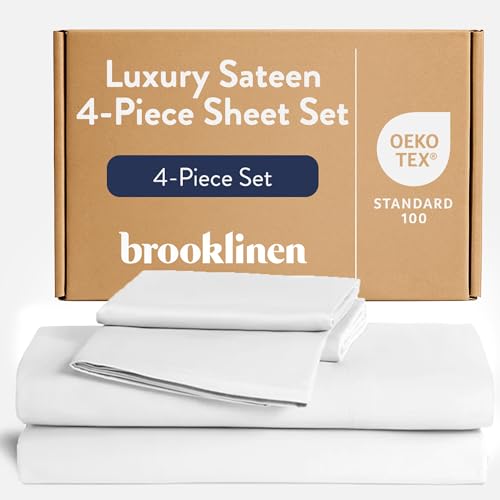
- LUXURY SATEEN 4-PIECE SHEET SET: Featuring a rich, buttery-smooth weave, our…
- OUR BEST SELLING COMFORT: Rated Best Overall Sheets to Buy in 2022 by Good…
- EASY CARE: Keeping your cotton sheet set fresh and clean is a breeze. Machine…
Linenspa Twin XL Hybrid Mattress
The Linenspa 8-Inch Hybrid Mattress combines memory foam and innerspring coils for optimal support in compact spaces. At 80″ long, it eliminates the dreaded “feet hanging off” issue, while its medium-firm feel suits back and side sleepers alike.

- HYBRID COMFORT – Combines memory foam and innerspring coils for contouring…
- UNBEATABLE VALUE: Comfort meets value when it comes to this affordable memory…
- MEDIUM FIRM FEEL: This mattress combines multiple support and comfort layers to…
Dormify Twin XL Bedding Bundle
Dormify’s 3-Piece Twin XL Comforter Set includes a reversible duvet, pillow sham, and fitted sheet in trendy designs. The moisture-wicking fabric resists dorm-room odors, and the oversized comforter (86″ long) ensures full coverage for restless sleepers.
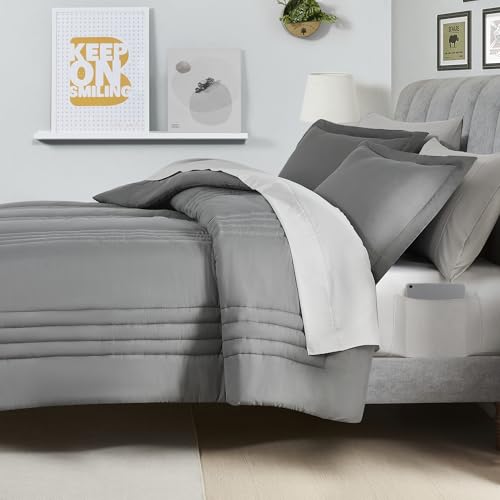
- ✅ 📱 STREAM & STUDY IN BED – The fitted sheet’s built-in media pocket…
- ✅ 🔁 TWIN XL SIZE FOR DORMS – Perfect dimension for bunk beds or loft…
- ✅ 🔒 SLIP-FREE SHEET ANCHORING – Fitted sheet includes corner straps to…
Twin XL vs. Standard Twin: Key Differences and Why It Matters
While both Twin and Twin XL beds share the same 38-inch width, the critical difference lies in length: a standard Twin measures 75 inches long, whereas a Twin XL extends to 80 inches. This extra 5 inches might seem minor, but it significantly impacts comfort, especially for taller students. For reference, someone over 6 feet tall will likely find their feet dangling off a standard Twin, while a Twin XL accommodates heights up to 6’5″.
Why Dorms Use Twin XL Beds
Universities favor Twin XL beds for three practical reasons:
- Space efficiency: The narrow width maximizes room layouts in cramped dorms, while the extra length prevents discomfort for growing teens.
- Standardization: Most colleges use the same bed frame system (like loftable designs), and Twin XL mattresses ensure compatibility.
- Health considerations Proper spinal alignment during sleep is crucial for young adults pulling all-nighters.
A common mistake is assuming all Twin bedding fits Twin XL mattresses. While fitted sheets for standard Twins (75″ long) will technically stay on, they’ll stretch uncomfortably tight or pop off during sleep. Always verify labels specify “Twin XL” or dimensions (38″ x 80″).
Real-World Scenarios: When the Extra Length Matters
Consider these situations where the Twin XL’s design shines:
- For athletes: A 6’2″ basketball player can fully stretch without cramped legs, improving sleep quality before games.
- For lofted beds: The extended length provides safer overhead clearance when climbing up to elevated setups.
- For shared rooms: Twin XL allows two beds to fit end-to-end in small spaces, creating makeshift seating areas when not in use.
Pro tip: If you’re unsure whether your dorm provides Twin XL frames, contact housing services before buying a mattress. Some older buildings may still use standard Twins, though this is increasingly rare.
Choosing the Right Bedding for Your Twin XL Dorm Bed: A Complete Guide
Selecting proper bedding for your Twin XL dorm bed requires more than just grabbing the first set you see. The unique 38″ x 80″ dimensions demand specific solutions that combine functionality with dorm-life practicality.
Essential Bedding Components for Twin XL
Your complete bedding setup should include:
- Fitted sheets with deep pockets (12-16″) to accommodate thick dorm mattresses
- Flat sheets measuring at least 66″ x 96″ for proper tuck-in coverage
- Comforters/duvets sized 68″ x 90″ to prevent the dreaded “blanket gap”
- Mattress protectors with waterproof backing for spills and accidents
The Sheet Material Dilemma: What Works Best for Dorms
Different fabrics offer distinct advantages for student life:
- Microfiber (most practical): Affordable, wrinkle-resistant, and machine-washable
- Cotton percale (best breathability): 200+ thread count for temperature regulation
- Bamboo blends (premium choice): Naturally antimicrobial for shared laundry facilities
Pro tip: Buy two identical fitted sheets. When one’s in the wash (which happens frequently in dorms), you’ll always have a backup ready.
Special Considerations for Lofted and Bunked Beds
If your Twin XL is elevated, you’ll need:
- Sheet suspenders to keep fitted sheets secure on lofted mattresses
- Bedside caddies with sturdy hooks for easy access to essentials
- Low-profile comforters that won’t get caught during climbing
Remember: Many dorms prohibit certain bedding types for safety reasons. Always check your university’s housing guidelines before purchasing electric blankets or space heaters.
Maximizing Space in Your Dorm Room: Twin XL Bed Hacks and Layout Strategies
With dorm rooms averaging just 130-200 square feet, every inch counts. Your Twin XL bed can become a multifunctional space-saving solution with smart planning and creative solutions.
Space Optimization Techniques
Transform your bed into a storage powerhouse with these professional organizer-approved methods:
| Technique | Implementation | Space Gained |
|---|---|---|
| Under-bed storage | Use 6-8″ high plastic bins on casters | 12-15 cubic feet |
| Bed risers | Install 8-12″ risers (check dorm policies) | Additional 6-10″ clearance |
| Headboard shelving | Attach wall-mounted shelves above bed | 4-6 linear feet |
The Science of Small Space Psychology
Effective dorm layouts follow these evidence-based principles:
- Vertical zoning: Utilize the upper 30% of wall space most students ignore
- Visual weight distribution: Place bulkier items under the bed to create open sightlines
- Activity-specific zones: Designate separate areas for sleeping, studying, and socializing
Advanced Layout Configurations
Consider these professional designer approaches based on room dimensions:
- For narrow rooms (9′ wide): Place bed lengthwise against the longest wall with a floating desk at the foot
- For square rooms (12’x12′): Create an L-shaped study/sleep area by positioning the bed diagonally in a corner
- For shared doubles: Bunk beds with integrated desks underneath maximize floor space for both residents
Pro tip: Use painter’s tape to map out furniture arrangements on the floor before move-in day. This allows you to experiment with layouts without heavy lifting.
Common mistake to avoid: Pushing all furniture against walls actually makes rooms feel smaller. Floating some pieces 6-12″ from walls creates better flow and perceived space.
Twin XL Mattress Selection: Engineering the Perfect Dorm Sleep Solution
Choosing the right Twin XL mattress involves more than just matching dimensions. The ideal dorm mattress balances support, durability, and space efficiency while meeting university housing requirements.
Mattress Construction Breakdown
Understanding these core components will help you make an informed decision:
- Innerspring coils (Best for airflow): Look for 12-15 gauge steel with 300+ coils for proper support
- Memory foam (Best for pressure relief): Density ratings of 3-5 lbs/ft³ prevent premature sagging
- Hybrid designs (Best overall): Combine coil support with foam comfort layers (typically 6-8″ total thickness)
Dorm-Specific Performance Factors
These specialized considerations matter most in campus housing:
- Moisture resistance: Antimicrobial treatments prevent mold in humid dorm environments
- Edge support: Reinforced perimeters prevent roll-off when used as seating
- Compression recovery: High-resilience foams bounce back after storage during breaks
Safety and Compliance Standards
All dorm mattresses must meet these critical requirements:
| Standard | Purpose | Testing Method |
|---|---|---|
| CAL TB 117-2013 | Flame resistance | Open flame exposure test |
| CertiPUR-US® | Low VOC emissions | Air quality chamber testing |
| GREENGUARD Gold | Chemical safety | 360+ chemical screening |
Pro tip: Look for mattresses with removable, washable covers – essential for dealing with inevitable dorm spills. The best options feature zippered covers with hospital-grade fabric protection.
Common mistake: Choosing a mattress that’s too thick (over 10″) may make it incompatible with some university-provided bed frames and lofting systems. Always verify your dorm’s maximum mattress height allowance.
The Long-Term Economics of Twin XL Bedding: Cost vs. Value Analysis
Investing in quality Twin XL bedding involves more than initial price considerations. A strategic approach to dorm bedding purchases can yield significant savings over a four-year college career.
Durability Factors That Impact Longevity
These material characteristics determine how well your bedding will withstand dorm life:
| Material | Average Lifespan | Cost Per Year* | Wash Cycles Before Deterioration |
|---|---|---|---|
| Budget Polyester | 1-2 semesters | $35-$50 | 25-40 cycles |
| Mid-Range Cotton | 2-3 years | $15-$25 | 75-100 cycles |
| Premium Bamboo | 4+ years | $10-$15 | 150+ cycles |
*Based on average Twin XL set prices divided by lifespan
Hidden Costs of Cheap Bedding
Budget options often create these unexpected expenses:
- Replacement costs: Frequent repurchasing when seams fail or fabrics pill
- Laundry expenses: Low-quality materials require more frequent washing
- Sleep quality impact: Poor temperature regulation leads to disrupted sleep
Environmental Considerations
Sustainable choices benefit both the planet and your wallet:
- OEKO-TEX certified fabrics reduce chemical exposure in small dorm spaces
- Recycled materials (like REPREVE polyester) offer durability with lower environmental impact
- Modular systems allow replacement of individual components (like pillowcases) rather than entire sets
Pro tip: Invest in one premium mattress protector (with 5+ year warranty) rather than replacing cheap versions annually. This protects both your mattress and your long-term investment.
Future trend: Many universities are moving toward rental programs for certified sustainable bedding, offering students high-quality options without upfront costs while reducing move-out waste.
Customizing Your Twin XL Bed for Maximum Comfort and Functionality
Transforming a standard dorm bed into a personalized sleep sanctuary requires strategic enhancements that address both comfort needs and space constraints. These professional-grade modifications can dramatically improve your daily living experience.
Ergonomic Sleep System Components
Build a complete sleep solution with these layered components:
- Base layer: Start with a ventilated mattress protector (like SafeRest Premium with 100% waterproof backing)
- Support layer: Add a 2-3″ gel-infused memory foam topper (Density: 4lb/ft³ minimum)
- Comfort layer: Top with a temperature-regulating mattress pad (Look for Outlast® phase-change technology)
Specialized Add-Ons for Common Dorm Challenges
Address specific pain points with these targeted solutions:
| Issue | Solution | Product Example |
|---|---|---|
| Noise from metal frames | Anti-vibration pads | Furniture Felt Pads (1/4″ thickness) |
| Limited sitting space | Convertible backrest | Bedgear Wedge Pillow System |
| Poor lighting | Integrated LED system | Luminoodle Color RGB (Under-bed mounting) |
Advanced Personalization Techniques
These professional decorator tricks maximize both form and function:
- Zoned bedding: Use different blanket weights for upper/lower body (e.g., lighter for feet)
- Modular storage: Install custom 3D-printed brackets for under-bed organization
- Acoustic enhancements: Line bed frames with mass-loaded vinyl for noise reduction
Pro tip: Create a “sleep kit” with earplugs, eye mask, and mini white noise machine that clips to your bed frame – essential for unpredictable dorm environments.
Future integration: Smart beds with sleep tracking are becoming dorm-friendly, with Twin XL versions of products like Sleep Number’s Climate360 offering app-controlled comfort adjustments.
Professional Maintenance and Care for Your Twin XL Dorm Bed System
Proper care of your Twin XL sleep system extends its lifespan and maintains optimal hygiene in shared living spaces. These professional maintenance protocols go beyond basic cleaning to preserve your investment throughout your college years.
Comprehensive Cleaning Schedule and Methods
Follow this detailed maintenance timeline for a sanitary sleep environment:
| Component | Frequency | Professional Method | Special Considerations |
|---|---|---|---|
| Sheets/Pillowcases | Weekly | Wash in 140°F water with enzymatic detergent | Use mesh bags for delicate fabrics |
| Mattress Topper | Monthly | Spot clean with upholstery extractor | Air dry completely to prevent mildew |
| Bed Frame | Semesterly | Disinfect with quaternary ammonium compound | Check for loose bolts and squeaks |
Advanced Protection Strategies
Implement these professional-grade protective measures:
- Barrier systems: Apply fabric protector (like Scotchgard™) to all textile surfaces
- Dust mite prevention: Use allergen-impermeable encasements with <2 micron pore size
- Structural integrity: Reinforce bed frame joints with steel corner brackets
Performance Optimization Checklist
Conduct these quarterly assessments to maintain sleep quality:
- Measure mattress sag with straightedge (≥1.5″ dip indicates replacement needed)
- Test support by placing 20lb weight at bed center – should rebound within 3 seconds
- Inspect all seams and stitching for tension loss or unraveling
Pro tip: Create a digital maintenance log with photo documentation to track wear patterns and warranty claims. Include purchase dates, cleaning records, and any repairs performed.
Long-term strategy: Invest in modular components that can be replaced individually rather than entire systems. This approach reduces waste and allows for targeted upgrades as needs change.
Conclusion: Mastering Your Twin XL Dorm Bed Experience
From precise dimensions (38″ x 80″) to specialized bedding requirements, we’ve explored every aspect of Twin XL dorm beds. You now understand the critical differences from standard Twins, optimal mattress selection criteria, space-saving configurations, and professional maintenance techniques.
Remember that investing in quality components pays dividends in sleep quality and long-term savings. As you prepare for dorm life, use this comprehensive guide to create a sleep system that supports both your academic success and personal comfort.
Take action today – measure your space, research university policies, and build your ideal Twin XL setup before move-in day arrives.
Frequently Asked Questions About Twin XL Dorm Beds
What exactly is the difference between Twin and Twin XL mattresses?
While both share the same 38-inch width, Twin XL mattresses are 5 inches longer (80 inches vs. 75 inches). This extra length accommodates taller individuals, preventing feet from hanging off the bed. The difference is crucial for dorm living – standard Twin sheets won’t fit properly on Twin XL mattresses, and many university bed frames only support Twin XL dimensions.
How do I know if my dorm provides Twin XL or standard Twin beds?
Most modern universities use Twin XL beds, but always verify with your housing office. Check your school’s housing website for specifications or email them directly. If visiting campus, measure the bed frame – Twin XL frames are exactly 80 inches long. Some older dorms may still have standard Twins, though this is increasingly rare.
Can I use my regular Twin sheets on a Twin XL mattress?
Technically yes, but they’ll be too short. Standard Twin fitted sheets (75″) will stretch uncomfortably tight or pop off a Twin XL mattress. For proper fit, look for sheets specifically labeled “Twin XL” or with dimensions of 38″ x 80″. The extra 5 inches makes a significant difference in comfort and security throughout the night.
What’s the best type of mattress topper for a Twin XL dorm bed?
For dorm use, we recommend a 2-3 inch memory foam topper with 4-5 lb density. Look for cooling gel infusion and CertiPUR-US certification. The ideal topper should have non-slip bottom and be machine washable. Avoid thick toppers (over 3″) as they may make the bed too high for some dorm frames and create safety issues with lofted beds.
How can I make my Twin XL bed more comfortable for back pain?
Create a supportive sleep system: Start with a medium-firm mattress, add a memory foam topper for pressure relief, and use a contoured pillow for neck support. Consider a bed wedge (7-12 inch incline) if you experience acid reflux. For severe back issues, consult your university’s disability services about potential mattress accommodation options beyond standard dorm issue.
Are Twin XL mattresses compatible with adjustable bed frames?
Yes, many adjustable bed frames now offer Twin XL options, though most dorms don’t permit them. If using at home, ensure the frame specifically lists Twin XL compatibility. The 80″ length requires special sizing for articulation mechanisms. Popular brands like Sleep Number and Tempur-Pedic offer Twin XL in their adjustable collections.
What’s the best way to transport a Twin XL mattress to college?
Use a mattress bag specifically designed for Twin XL dimensions (look for 38″ x 80″ sizing). For moving vans, place the mattress flat on top of other items. If using roof racks, secure with at least 4 straps and protect from road debris. Many mattress companies now offer compressed roll-pack options that make transportation significantly easier for dorm moves.
How often should I replace my Twin XL dorm mattress?
Most dorm mattresses last 3-5 years with proper care. Signs you need replacement include visible sagging (>1.5 inch dip), persistent odors that won’t clean out, or springs poking through. If you’re sensitive to allergens, consider replacing every 2-3 years. Many students purchase their own Twin XL mattress topper to extend the life of the provided dorm mattress.