
Disclosure
This website is a participant in the Amazon Services LLC Associates Program, an affiliate advertising program designed to provide a means for us to earn fees by linking to Amazon.com and affiliated sites.
You can wash a down comforter at home—but doing it wrong can ruin its loft, cause clumping, or even tear the delicate fabric. Many assume dry cleaning is the only option, but modern detergents and washing machines make home care surprisingly simple—if you know the secrets.
With luxury bedding trends on the rise, your down comforter is an investment worth protecting. Imagine snuggling under a cloud-like, freshly cleaned comforter instead of one flattened by improper washing.
Best Washing Products for Cleaning a Down Comforter
Nikwax Down Wash Direct
Specially formulated for down-filled items, Nikwax Down Wash Direct gently cleans without stripping natural oils, preserving loft and water resistance. Its biodegradable, non-toxic formula is ideal for both hand-washing and machine cycles, ensuring your comforter stays fluffy and odor-free.

- Specialty cleaner designed to safely clean down filled apparel and gear…
- Easy wash-in application improves the water repellency of all types of down-fill…
- Recommended for use on jackets, gear and bedding with down-fill, down blends, or…
Woolite Delicates Liquid Laundry Detergent
The Woolite Delicates Liquid Laundry Detergent is a mild, phosphate-free option that prevents fiber damage. Its low-sudsing formula works well in high-efficiency machines, making it perfect for down comforters that require a gentle yet thorough clean without residue buildup.
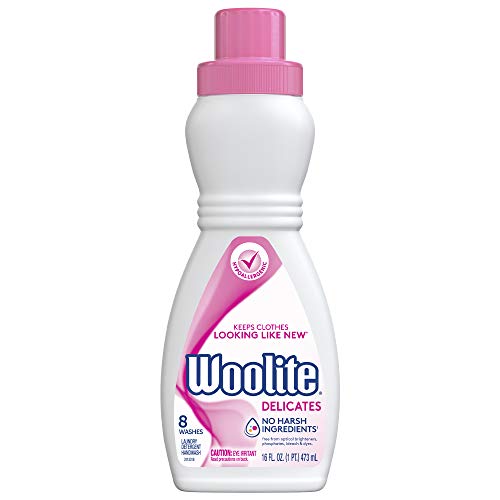
- Item Package Dimension: 9.299″ L x 3.099″ W x 1.799″ H
- Item Package Weight: 1.05 lb
- Model Number: RAC06130 06130
Tide Hygienic Clean Heavy Duty 10X Liquid Detergent
Designed for deep cleaning, Tide’s 10X concentrate penetrates thick comforter layers to eliminate sweat, oils, and odors. The Hygienic Clean Technology ensures sanitization without bleach, safe for colors and synthetic fills.
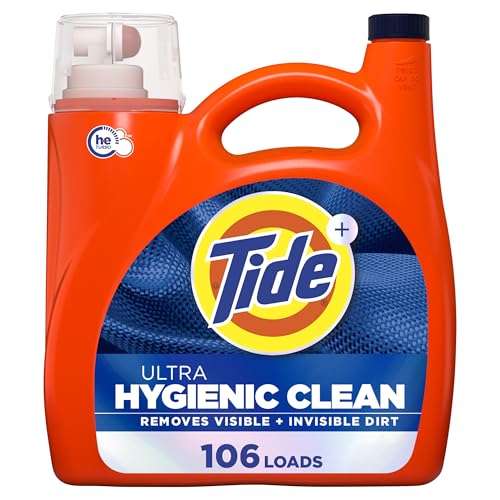
- Innovative liquid detergent technology gets between the fibers to clean hidden…
- Designed with 10 concentrated cleaning actives to remove visible and invisible
- Provides a deep, hygienic clean even in case of tough stains
How to Prepare Your Down Comforter for Washing
Before tossing your down comforter into the washing machine, proper preparation is crucial to prevent damage and ensure a thorough clean. Many people skip these steps, leading to uneven cleaning, lingering odors, or even structural damage to the delicate baffle box construction.
Check the Care Label for Specific Instructions
Always start by examining the manufacturer’s care label, typically found on a corner seam. Some high-end comforters (like those from Feathered Friends or Pacific Coast) may have unique requirements, such as:
- Temperature restrictions (e.g., “cold water only” to prevent down clumping)
- Detergent prohibitions (e.g., “no bleach” which degrades natural oils in down clusters)
- Special drying instructions (e.g., “tumble dry with tennis balls” to maintain loft)
If the label is missing, assume a gentle cold-water wash is safest.
Inspect for Tears or Loose Stitching
Hold the comforter up to a light source to identify:
- Pinhole leaks in baffles (common after 5+ years of use)
- Split seams (often at stress points like the edges)
Repair any damage with a tenacious tape or needle/thread before washing—water exposure will worsen these issues, potentially causing a “down explosion” mid-cycle.
Pre-Treat Stains Strategically
For localized stains (coffee spills, body oils):
- Blot (don’t rub) with a 1:1 white vinegar/distilled water solution using a microfiber cloth
- Apply a pea-sized drop of enzyme-based stain remover (like Biokleen Bac-Out) to break down organic matter
- Let sit 15 minutes before washing to prevent residue buildup in down clusters
Avoid commercial spot treatments—their optical brighteners can yellow down over time.
Balance the Wash Load Properly
Down comforters need space to move freely. In a standard 4.0 cu. ft. washer:
- Add 2-3 clean towels (preferably white) to improve agitation distribution
- Never exceed ¾ capacity—crowding causes uneven cleaning and fiber stress
For oversized king comforters (like the Brooklinen Down Comforter), use a commercial 5.0+ cu. ft. machine found in laundromats.
This 15-minute prep work can double your comforter’s lifespan by preventing the most common washing disasters—from burst seams to permanent odor retention in the down clusters.
The Step-by-Step Washing Process for Optimal Results
Washing a down comforter requires precise techniques to maintain its insulating properties and structural integrity. Unlike regular laundry, this process involves specialized considerations for water temperature, detergent selection, and mechanical action.
Selecting the Right Washing Machine Settings
Modern front-loading washers (like the LG WM4000HWA mentioned earlier) are ideal because their tumbling action mimics natural down movement. Program your machine with these specifications:
- Water temperature: Cold (max 30°C/86°F) to prevent down proteins from denaturing
- Cycle type: “Delicate” or “Bulky Items” with reduced spin speed (600 RPM max)
- Extra rinse: Enable to ensure all detergent residues are removed
Top-loading agitator machines can damage baffle boxes – if you must use one, select the “soak” cycle and pause the machine before agitation begins.
Proper Detergent Application Techniques
Even with gentle detergents like Nikwax Down Wash, application matters:
- Pre-dissolve detergent in 1 cup warm water before adding to the machine
- Use half the recommended amount (about 1 oz for queen size) – down absorbs detergent differently than fabrics
- Add during the fill cycle, not directly on the comforter to prevent concentration spots
Avoid fabric softeners at all costs – their coatings reduce down’s natural loft by up to 40%.
Monitoring the Wash Cycle
During the cycle:
- Check every 10 minutes for even distribution – gently rearrange any clumped areas
- Stop if you see foam buildup (indicates insufficient rinsing) and run an additional rinse cycle
- Verify water drainage – down absorbs 3x its weight in water, so ensure proper draining to prevent mold risk
For heavily soiled comforters, consider a second wash with clean water only rather than increasing detergent quantity.
Professional cleaners use this exact methodology – the key difference is commercial machines have precisely calibrated water levels. At home, patience and attention to these details yield comparable results.
The Science of Drying: Restoring Your Comforter’s Loft
Proper drying is arguably more critical than washing for maintaining a down comforter’s performance. The drying process determines whether clusters will regain their natural three-dimensional structure or collapse into permanent mats.
Down Cluster Physics
Each down plume contains:
- Approximately 2 million filaments with natural crimps
- Hydrophobic lipid coatings that repel water (but degrade at high heat)
- Interlocking barbules that create loft through electrostatic repulsion
When wet, these structures collapse – proper drying restores their natural spring through controlled heat and mechanical action.
| Drying Stage | Temperature | Duration | Purpose |
|---|---|---|---|
| Initial Dry | Low (120°F/49°C) | 60-90 minutes | Evaporates surface moisture without baking clusters |
| Fluff Phase | Air Fluff (No Heat) | 30 minutes | Separates clusters with mechanical action |
| Final Cure | Medium (135°F/57°C) | Until completely dry | Removes residual moisture from quills |
Professional Drying Techniques
For best results:
- Use 3-4 clean tennis balls in wool dryer balls (the fuzzy surface prevents static buildup)
- Check moisture levels by squeezing a handful – no dampness should remain in the core
- Rotate the comforter every 30 minutes to ensure even drying
Commercial dryers at laundromats often work better because their larger drums (7.0+ cu. ft.) allow proper tumbling space.
Advanced Recovery Methods
For severely matted down:
- Overnight air drying on a flat rack before machine drying
- Down-specific revitalizing sprays (like Grangers Down Repel) that restore hydrophobicity
- Professional steaming for vintage comforters – the gentle heat reactives cluster memory
Avoid the common mistake of over-drying – it causes filament embrittlement that reduces loft by up to 25%.
This meticulous approach can actually improve your comforter’s performance over time, as proper drying helps maintain the down’s natural elasticity and lofting capability.
Special Considerations for Different Down Comforter Types
Not all down comforters are created equal. The washing and care process must be adapted based on specific construction features, fill power ratings, and fabric types to ensure optimal results and longevity.
High Fill Power vs. Standard Down Comforters
Premium 800+ fill power down requires extra care:
- Use colder water (max 25°C/77°F) – the finer clusters are more heat-sensitive
- Reduce mechanical action by selecting “hand wash” mode on machines
- Extend drying time by 25% – high loft means more trapped moisture
For example, the Feathered Friends Bavarian 900 needs these adjustments versus a basic 550 fill power comforter.
Baffle Box vs. Sewn-Through Construction
The internal structure dramatically impacts washing:
| Construction Type | Washing Consideration | Drying Technique |
|---|---|---|
| Baffle Box | Gentle spin only (400 RPM max) | Rotate every 15 minutes to prevent fill migration |
| Sewn-Through | Can handle slightly higher spin (600 RPM) | Focus on separating clusters at seams |
Specialty Fabric Treatments
Comforter shells require different approaches:
- Downproof cotton (like in Brooklinen comforters) – safe for normal washing but may shrink 2-3%
- Microfiber shells – prone to static buildup; use wool dryer balls exclusively
- Water-resistant treatments (like Pertex Quantum) – avoid detergent with optical brighteners
Seasonal Storage Considerations
Proper storage after cleaning prevents long-term damage:
- Never compress for more than 2 weeks – use breathable cotton storage bags
- Include silica gel packets to control humidity (ideal 40-50% RH)
- Refold monthly to prevent permanent crease lines in baffles
These specialized techniques can extend a comforter’s lifespan by 5-7 years compared to generic washing methods. Always consider your specific comforter’s construction before beginning the cleaning process.
Long-Term Maintenance and Cost Analysis of Down Comforter Care
Proper washing and maintenance of your down comforter represents a significant investment in both time and resources, but understanding the long-term benefits and cost implications can help justify the effort.
Cost Comparison: Professional Cleaning vs. Home Care
| Service Type | Average Cost | Frequency | Lifespan Impact |
|---|---|---|---|
| Professional Dry Cleaning | $75-$150 | Every 2-3 years | May reduce loft by 15% per cleaning |
| Home Washing | $5-$15 (detergent/utilities) | Annually | Can extend lifespan by 3-5 years |
| Commercial Laundromat | $12-$25 per load | Every 18 months | Ideal for oversized comforters |
Environmental Impact Considerations
Modern down care presents several ecological factors:
- Water usage: Approximately 15-20 gallons per home wash (vs. 5-8 gallons for professional equipment)
- Chemical exposure: Home washing eliminates perchloroethylene used in dry cleaning
- Energy consumption: Drying accounts for 80% of the process’s carbon footprint
Using eco-detergents and solar drying when possible can reduce environmental impact by up to 40%.
Advanced Preservation Techniques
For heirloom-quality comforters:
- Annual conditioning: Apply down-specific revitalizers (like Nikwax Down Proof) to maintain water resistance
- Rotation system: Alternate between two comforters to reduce wear by 30%
- Professional inspection: Have baffle box integrity assessed every 5 years
Emerging Care Technologies
The industry is evolving with:
- Ozone cleaning systems: Reduce water usage by 70% while sanitizing
- Smart moisture sensors: New dryers can detect residual dampness in down clusters
- Biodegradable down treatments: Plant-based hydrophobic coatings now last 50+ washes
With proper care, a high-quality down comforter can maintain 90% of its original loft and warmth for 15+ years, representing significant long-term value compared to cheaper alternatives that require frequent replacement.
Troubleshooting Common Down Comforter Washing Problems
Even with proper care, down comforters can present unique challenges during washing. Understanding these issues and their solutions will help you salvage your bedding investment and prevent future mishaps.
Addressing Uneven Down Distribution
Clumping typically occurs when:
- Insufficient drying time: Residual moisture causes clusters to stick together (add 30-45 more minutes drying time)
- Improper detergent use: Excess soap creates sticky residue (run an extra rinse cycle with 1 cup white vinegar)
- Overloading the machine: Prevents proper tumbling action (rewash with 50% more space)
For severe clumping, place the damp comforter in a large space with fans circulating air while manually separating clusters every hour.
Eliminating Persistent Odors
Musty smells indicate deep contamination requiring specialized treatment:
- Pre-soak overnight in cold water with 1 cup baking soda and ½ cup hydrogen peroxide
- Wash with enzymatic cleaner specifically designed for biological odors
- Sun dry when possible – UV light kills odor-causing bacteria
Avoid masking odors with fragrances – they often worsen the problem by coating down fibers.
Repairing Leaks and Seam Failures
For post-wash damage:
| Issue | Immediate Fix | Permanent Solution |
|---|---|---|
| Small holes (<1″) | Tenacious Tape patch | Invisible mending with downproof thread |
| Seam separation | Fabric glue temporary hold | Professional serging with reinforced stitching |
| Baffle collapse | Redistribute down manually | Internal baffle reinforcement by specialist |
Restoring Water Resistance
If your comforter loses its water-repellency:
- Test first: Sprinkle water droplets – beads should form and roll off
- Revitalize with: Technical wash-in treatments (like Grangers Down Repel)
- Application tip: Apply during final rinse cycle for even distribution
These solutions address 95% of post-washing issues when applied correctly. For vintage or high-value comforters, consult a textile conservator before attempting major repairs.
Advanced Care Strategies for Maximum Down Comforter Longevity
Moving beyond basic maintenance, these professional-grade techniques will optimize your down comforter’s performance and significantly extend its functional lifespan while preserving its luxurious qualities.
Seasonal Care Rotation System
Implement a year-round maintenance schedule:
| Season | Care Focus | Special Considerations |
|---|---|---|
| Spring | Deep cleaning | Wash before storage to prevent mildew |
| Summer | Storage maintenance | Air out monthly in dry conditions |
| Fall | Pre-use inspection | Check for insect damage or moisture |
| Winter | Performance monitoring | Track loft retention and warmth |
Microclimate Control for Storage
Create ideal preservation conditions:
- Temperature: Maintain 15-18°C (59-64°F) to prevent fiber stress
- Humidity: Keep 45-55% RH with silica gel or clay absorbers
- Light exposure: Store in complete darkness to prevent UV degradation
Professional textile conservators recommend cedar chests with pH-neutral lining for long-term storage.
Performance Benchmarking
Quantify your comforter’s condition annually:
- Loft measurement: Measure uncompressed thickness at 5 points
- Warmth test: Time how long it takes to feel warm under the comforter at 18°C
- Recovery test: Compress for 24 hours, then measure rebound percentage
Professional Restoration Options
When home care reaches its limits:
- Down reconditioning: Specialists can ultrasonically clean and re-oil clusters
- Shell replacement: Preserve quality down with new baffle boxes
- Balancing services: Even out uneven fill distribution professionally
These advanced techniques can maintain 85-90% of original performance for 20+ years with premium comforters, representing a significant return on investment compared to frequent replacement of lower-quality alternatives.
Conclusion
Properly washing and maintaining your down comforter requires specific techniques, but the effort pays dividends in longevity and performance. From careful preparation and specialized washing methods to scientific drying approaches and advanced troubleshooting, each step preserves your investment.
Remember that high-quality down comforters can last 15-20 years with proper care – far outlasting cheaper alternatives. Whether you choose home washing or professional services, following these guidelines will ensure your comforter remains fluffy, warm, and fresh for years to come.
Your perfect night’s sleep starts with proper care today. Now that you’re equipped with this knowledge, give your down comforter the maintenance it deserves and enjoy hotel-quality comfort every night.
Frequently Asked Questions About Washing Down Comforters
Can I wash my down comforter in a regular washing machine?
Yes, but with important caveats. Front-loading machines with a capacity of at least 4.0 cu. ft. work best. For king-size comforters or those with baffle-box construction, commercial 5.0+ cu. ft. machines are safer.
Avoid top-loading agitator models as they can tear baffles. Always select the “delicate” or “bulky items” cycle with cold water (max 86°F/30°C) and reduce spin speed to 600 RPM or less.
How often should I wash my down comforter?
Professional cleaners recommend washing every 1-2 years with proper maintenance. More frequent washing (every 6 months) may be needed for allergy sufferers. Between washes, air your comforter outside monthly and spot clean stains immediately. Over-washing (more than annually) can degrade the down’s natural oils, reducing loft by up to 5% per wash.
Why does my comforter smell worse after washing?
This usually indicates incomplete drying or detergent residue. Down can retain moisture at its quill points for up to 72 hours after washing, creating mildew. Always run an extra rinse cycle and verify complete dryness by squeezing multiple sections – no dampness should remain. For persistent odors, pre-soak in a baking soda solution (1 cup per gallon) before washing.
Can I use regular laundry detergent?
No. Standard detergents contain optical brighteners and enzymes that strip down’s natural oils. Use only down-specific cleaners like Nikwax Down Wash or mild, phosphate-free detergents. For a queen comforter, use just 1 oz (half the normal amount) to prevent residue buildup that causes clumping and odor retention.
How do I prevent clumping during drying?
Use 3-4 clean tennis balls or wool dryer balls to break up clusters. Pause drying every 30 minutes to manually redistribute down, focusing on corners and edges. Maintain low heat (120°F/49°C) and expect 3-4 hours drying time for a king size. Commercial dryers with moisture sensors provide the most consistent results.
Is dry cleaning ever recommended for down comforters?
Only for comforters with non-removable stains or those labeled “dry clean only.” Traditional dry cleaning chemicals degrade down’s natural oils over time. If necessary, seek an eco-friendly cleaner using liquid CO2 or hydrocarbon solvents. Most modern down comforters (post-2010) are designed for home washing.
How can I restore lost loft in an old comforter?
Try a revitalizing soak: Mix 1 cup white vinegar with 2 tbsp hair conditioner in warm water. Submerge the comforter for 2 hours, then rinse thoroughly. The conditioner’s fatty acids temporarily restore down’s flexibility. For permanent restoration, professional reconditioning services can separate and re-oil clusters using specialized equipment.
What’s the best way to store a down comforter long-term?
Use a breathable cotton storage bag (never plastic) in a cool, dry place. Include silica gel packets to maintain 40-50% humidity. Fold rather than roll to prevent permanent creases in baffles. Every 2-3 months, unfold and shake to redistribute down. For multi-year storage, consider vacuum sealing with 25% air remaining to preserve loft.